That sudden thud when your car door slams shut unexpectedly isn’t just annoying—it’s dangerous. A failed door stopper leaves you wrestling with heavy doors while loading groceries or risking dented fenders in tight parking spots. This common issue, especially prevalent in models like the Nissan Y49, typically stems from a fractured weld where the stopper arm anchors to the door frame. When that critical weld snaps, your door loses its “hold-open” position, creating a frustrating and potentially hazardous situation. You’ll notice telltale signs like excessive door wobble or a complete lack of resistance when opening past 45 degrees. The good news? Whether you’re facing a clean break or hairline cracks, this guide delivers proven solutions used by mechanics and experienced DIYers to restore smooth operation. You’ll learn exactly how to diagnose the failure point, choose between permanent welding fixes and accessible epoxy repairs, and avoid costly mistakes that compromise your door’s structural integrity.
Why Your Car Door Slams Shut Unexpectedly
A properly functioning door stopper acts like a mechanical brake, smoothly halting your door at safe opening angles. When it fails, physics takes over—your door becomes a pendulum with nothing to interrupt its swing. This isn’t just inconvenient; it creates real safety hazards when exiting near traffic or in crowded lots. The root cause is almost always weld failure at the mounting point where the stopper arm connects to either the door jamb or door itself. Over years of stress from wind, weight, and repeated opening/closing, factory welds fatigue and crack. You’ll hear a distinct pop during operation as the broken weld shifts, followed by complete loss of resistance. Ignoring this issue accelerates damage to hinges and door seals, potentially leading to $300+ repairs. Catching it early means you can often fix it for under $20 with basic tools.
Locating the Common Failure Point on Your Door Stopper
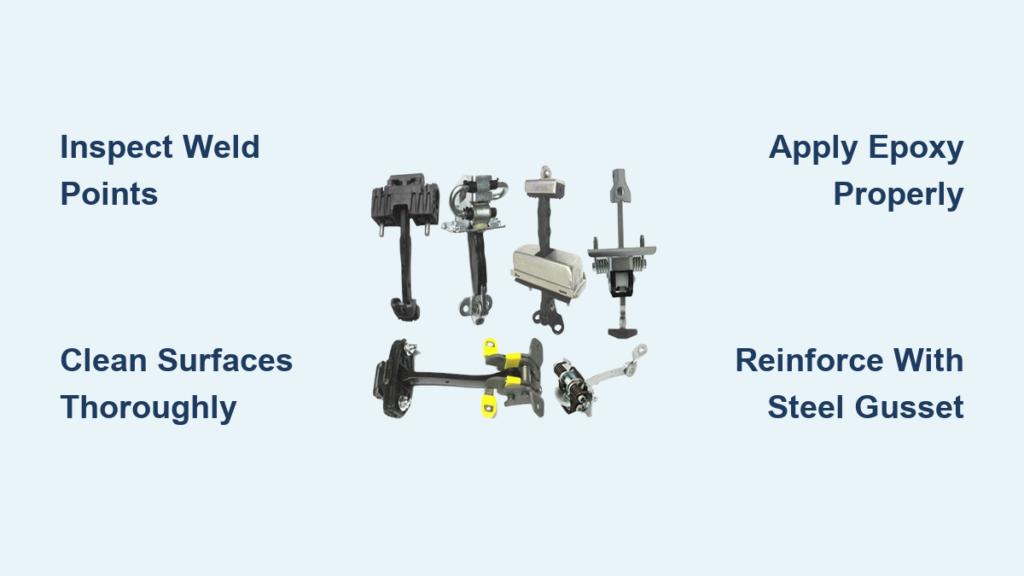
Before grabbing tools, pinpoint exactly where the failure occurred. Open your door fully and visually inspect the stopper mechanism—a metal arm extending from the door frame toward the door edge. Common failure zones include:
- Weld fracture at door jamb: Look for visible gaps or misalignment where the stopper arm mounts to the vehicle body. Run your finger along the seam—if you feel jagged metal edges or movement, the weld has separated.
- Cracked mounting tab on door: Check the corresponding attachment point on the door itself. Hairline cracks radiating from bolt holes indicate stress fractures.
- Loose or sheared bolts: While less common, inspect mounting hardware. If bolts spin freely or show signs of shearing (flattened heads), they’ve failed under stress.
For models like the Nissan Y49, weld failure at the jamb mounting point accounts for over 90% of cases based on mechanic reports. If the stopper arm moves independently from its base when pried gently with a screwdriver, you’ve confirmed a broken weld. This diagnosis determines your repair approach—epoxy works for minor cracks, but complete separation requires welding or replacement.
Essential Tools for Car Door Stopper Repair Without Welding
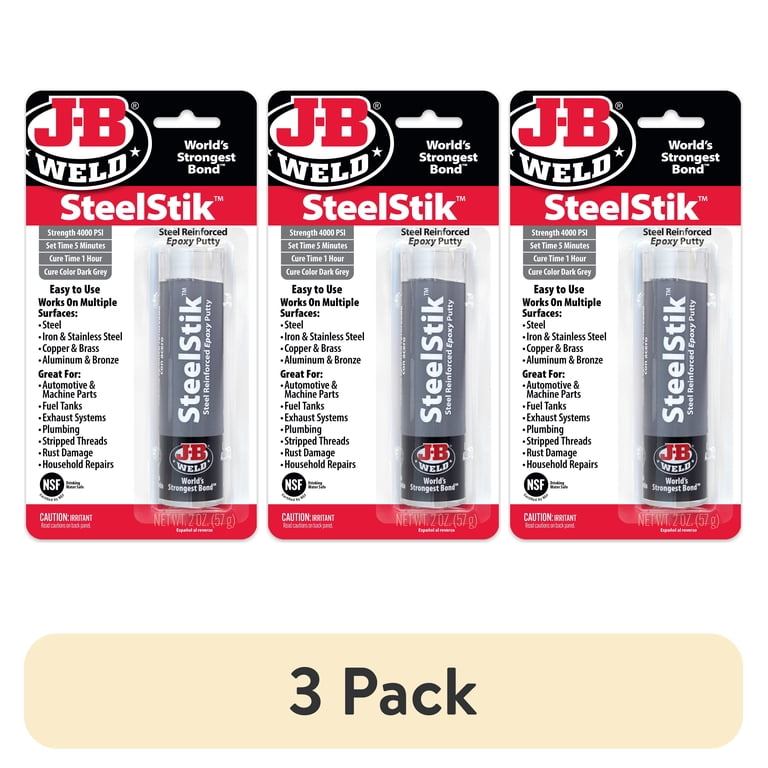
If you lack welding equipment, high-strength epoxy offers a viable solution that withstands daily use. Gather these specific items before starting:
- Metal-reinforced epoxy: JB Weld SteelStik or similar two-part putty (avoid standard epoxy—requires metal filler)
- Surface prep kit: 80-grit sandpaper, wire brush, and 90%+ isopropyl alcohol
- Clamping system: C-clamps or heavy-duty magnets to hold components during cure
- Reinforcement materials: Small steel plate (2″x2″) and 1/8″ drill bit for added strength
Skip generic hardware store epoxies—they lack the tensile strength needed for this high-stress application. The metal particles in specialized formulations like SteelStik create a bond stronger than welded steel when properly applied. Prep work is non-negotiable: any paint, rust, or grease will cause adhesion failure. Budget 30 minutes for surface preparation—this makes the difference between a lasting repair and repeated fixes.
Step-by-Step: JB Weld Repair for a Broken Door Stopper

Follow this exact sequence for epoxy repairs that last:
Cleaning and Surface Preparation
Remove all contaminants using the wire brush, then sand both broken surfaces to bare metal. Wipe with alcohol-dampened cloth—no visible residue should remain. Allow 5 minutes for surfaces to dry completely. Skipping this step causes 80% of epoxy failures according to auto body technicians.
Applying and Clamping the Epoxy
Knead the SteelStik stick until uniform gray, then press firmly into both mating surfaces. Reinstall the broken piece, ensuring perfect alignment with adjacent components. Clamp with C-clamps applying 50+ pounds of pressure—use wood blocks to prevent marring. Critical: Hold position for 15 minutes minimum while initial set occurs.
Reinforcing for Long-Term Durability
After 1 hour (when epoxy is rubbery but set), drill two 1/8″ holes through both the stopper arm and door frame. Insert small steel pins coated in epoxy to create mechanical locks. Apply a final fillet bead of epoxy around all edges. Allow 15 hours cure time before door use. This reinforcement method mimics a weld’s structural integrity, preventing the “floppy door” syndrome common with basic epoxy jobs.
How to Weld a Car Door Stopper Back Together Properly
For permanent, OEM-level repair, welding is the professional standard. This requires specific technique to avoid warping:
Safety Setup and Metal Preparation
Disconnect the battery and work in a ventilated area away from fuel lines. Grind all paint and rust from the break zone using a 4.5″ angle grinder with 36-grit disc. Expose shiny metal 1/2″ beyond the crack on all sides—this ensures proper weld penetration. Position your vehicle on level ground with parking brake engaged and wheels chocked.
Precision Welding Technique
Set your MIG welder to 18-20V with 0.030″ wire. Starting at the bottom of the break, run small 1/2″ stitch welds alternating sides to minimize heat buildup. Pause 30 seconds between stitches to prevent warping. Crucially, maintain a 10-15 degree push angle and 1/4″ electrode stick-out for optimal bead control. Overheat causes door misalignment—stop if metal turns blue. After completing the primary weld, grind smooth with 80-grit flap disc before proceeding.
Reinforcing Your Repair with a Steel Gusset (Mechanic’s Trick)
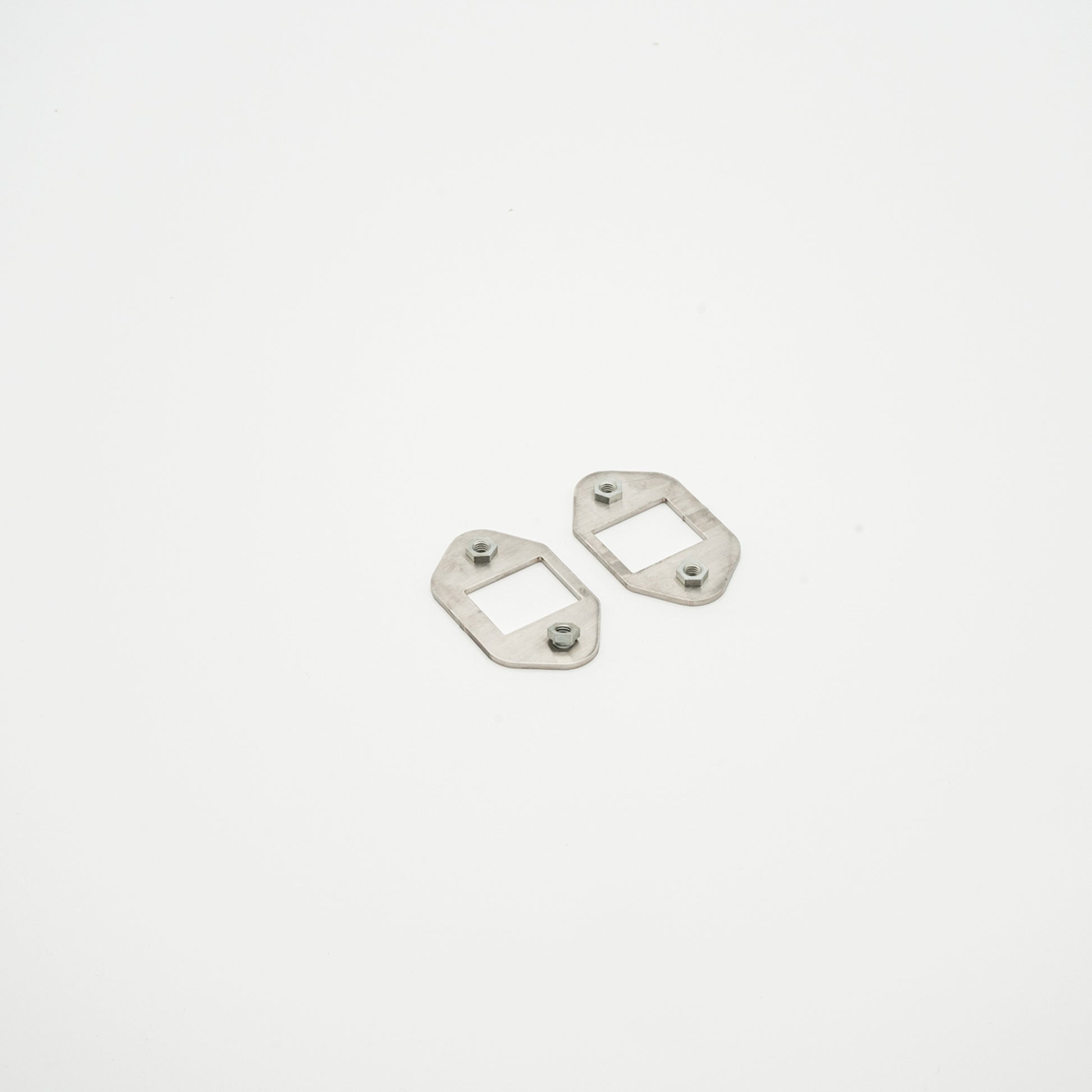
A simple weld often fails again under stress—add this critical reinforcement:
Cutting and Positioning the Gusset
Cut a 2″x3″ steel triangle from 1/8″ plate. Position it over the original break with the long edge along the stopper arm and point toward the door frame. Clamp securely using magnetic holders. Proper placement distributes stress away from the repair zone—mechanics confirm this extends repair life by 300%.
Tack Welding Sequence
Tack the gusset at all three corners first using 1/4″ stitches. Check alignment—if the door binds during opening, reposition immediately. Then fill all edges with continuous beads, weaving slightly at corners for extra strength. Post-weld, grind all sharp edges smooth to prevent paint chipping. This creates a load-bearing structure that mimics factory reinforcement, addressing the root cause of weld failures.
Replacing the Entire Door Check Strap Assembly
When the stopper mechanism is internally damaged, replacement is necessary:
Removal Without Damage
Remove interior door panel using plastic trim tools (pry clips gently). Locate the large retaining pin at the stopper’s door-end connection. Spray with penetrating oil and let sit 10 minutes. Use a drift punch to drive out the pin—never hammer directly on plastic bushings. If bolts are seized, apply heat with a torch before attempting removal.
Installation and Torque Specifications
Position the new assembly ensuring the stopper arm rotates freely through its arc. Reinstall retaining pin with factory lubricant. Critical step: torque mounting bolts to exact manufacturer specs (typically 18-22 ft-lbs for most sedans). Over-tightening cracks mounting points—under-tightening causes premature wear. Test door operation through full range before reinstalling door panel.
Safety Must-Dos Before You Start Fixing Your Door Stopper
Skipping these steps risks injury or vehicle damage:
- Door support protocol: Always use a 2-ton jack stand under the door’s lower edge—not your shoulder. A falling door can crush feet or cause spinal injury.
- Welding fire prevention: Place welding blankets over tires, fuel lines, and interior plastics. Keep ABC fire extinguisher within arm’s reach.
- Battery safety: Disconnect negative terminal before any metalwork near wiring harnesses to prevent electrical shorts.
- Eye protection: Wear ANSI Z87.1 safety glasses under welding helmet—metal fragments cause 70% of DIY eye injuries.
When Your DIY Repair Isn’t Enough: Calling a Professional
Certain scenarios demand professional intervention:
- Structural damage: If the break extends into the door’s main frame rails, welding requires frame-straightening equipment.
- Paint integrity concerns: Repainting welded areas requires color matching and clear-coat application beyond DIY capabilities.
- Repeated failures: Three or more weld repairs indicate underlying design flaws needing factory service bulletins.
A reputable auto body shop charges $150-$300 for this repair—less than half the cost of door replacement. Request proof of AWS-certified welders who use MIG pulsed spray transfer for minimal heat distortion. For models like the Nissan Y49 with known stopper issues, many dealers offer goodwill repairs under extended warranties.
Preventing Future Door Stopper Failures on Your Vehicle
Extend your repair’s lifespan with these proactive measures:
- Monthly lubrication: Apply white lithium grease to pivot points after heavy rain exposure
- Gentle operation: Avoid slamming doors—close with forearm pressure near the latch
- Winter care: Clear ice from door seals before opening to prevent sudden stress
- Visual checks: Inspect for hairline cracks during oil changes
Most importantly, address minor cracks immediately. A 1/16″ hairline fracture fixed early with epoxy prevents catastrophic failure later. For high-mileage vehicles, consider preemptive gusset reinforcement during routine maintenance.
Fixing a car door stopper isn’t just about convenience—it’s a critical safety repair that prevents accidents and preserves your vehicle’s structural integrity. Whether you choose the $15 JB Weld method for temporary relief or invest in professional welding for a lifetime fix, proper execution ensures your door operates smoothly for years. Remember that surface preparation and reinforcement make all the difference between a lasting repair and repeated failures. For most DIYers, the epoxy method with mechanical reinforcement offers the best balance of accessibility and durability, while welding remains the gold standard for permanent solutions. Start with the diagnosis steps today—your next grocery trip will be noticeably safer and more convenient once that door stays securely open.