
You’ve probably seen them dangling from neighbors’ doorknobs—those flimsy paper rectangles that often end up in the trash before the homeowner even steps inside. But what if your door hanger could be the exception? When crafted strategically, door hangers deliver 5-15% response rates that outperform digital ads for local businesses. The difference between a wasted $150 printing job and a lead-generating machine comes down to execution. In this guide, you’ll discover exactly how to make door hangers that stand out, drive action, and deliver measurable ROI—whether you’re a new lawn care startup or an established home services company.
Most businesses fail because they treat door hangers like afterthought flyers with a hole punched through them. The truth? Your hanger has just 3 seconds to grab attention before it’s discarded. I’ve seen contractors spend $500 on beautifully printed hangers that generated zero calls because they used vague CTAs like “Call for service” instead of specific offers. This guide cuts through the guesswork with battle-tested tactics from campaigns that converted 15% of recipients into customers. You’ll learn the exact paper stock specifications, design formulas, and distribution strategies that turn simple cardstock into your most reliable lead source.
Choose 14pt Cardstock for Professional Door Hangers That Survive Weather
The flimsy feel of cheap paper tells prospects your business is equally disposable. Professional door hangers require 14pt or 16pt cardstock—the industry standard that hangs properly and withstands wind and light rain. This thickness provides the rigidity needed to stay on doorknobs without curling or tearing.
Why 14pt Cardstock Beats Thinner Paper Every Time
Thinner 12pt stock may save $20 on printing, but it folds easily in rain and feels amateurish in hand. Never use standard printer paper—it lacks the weight to hang properly and screams “I didn’t invest in this.” For coastal or rainy climates, upgrade to 16pt with aqueous coating to repel moisture. When distributing 500 hangers yourself, expect to spend $45-$65 for professional-grade 14pt stock through online printers like Vistaprint or GotPrint.
Avoid These 3 Paper Stock Mistakes That Waste Your Budget
- Skipping sample checks: Always order a physical proof before bulk printing. Screen colors never match final prints.
- Ignoring size standards: Stick with 4.25″ x 6.5″ dimensions—larger hangers get rejected as “too bulky” by homeowners.
- Using glossy finishes: Matte lamination prevents glare and looks more premium than shiny finishes that attract fingerprints.
Design a Door Hanger That Grabs Attention in 3 Seconds Flat
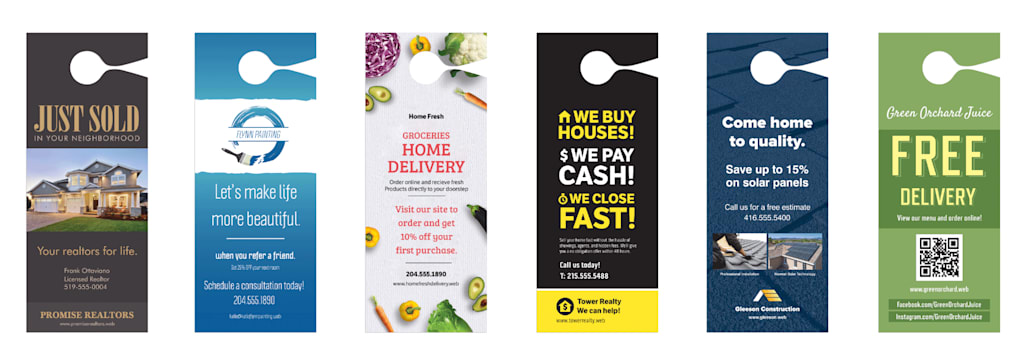
Your door hanger must communicate value faster than a scrolling thumb on social media. The front panel should function like a billboard—immediately clear even when viewed sideways from 10 feet away. Home service companies see 3x higher response rates when they lead with a visual benefit rather than their logo.
Place Your Call-to-Action Where Eyes Land First
Human eyes scan door hangers in a Z-pattern starting top-left. Put your primary offer in this “prime real estate” zone—not buried at the bottom. For a plumbing business, show a dripping faucet with “STOP LEAKS TODAY: FREE DIAGNOSTIC” in 48pt bold font. Never make recipients search for your offer—if they don’t see value in 2 seconds, your hanger becomes trash.
Use This Color Psychology Trick for Higher Response Rates
Red and orange create urgency for limited-time offers (“24-HOUR SPECIAL”), while blue builds trust for professional services. But here’s the pro secret: add one contrasting accent color to your CTA button or phone number. A home cleaner using green hangers saw conversions jump 32% when they changed their “Call Now” text from black to bright yellow. Test two versions in similar neighborhoods before full production.
Craft a Call-to-Action That Actually Gets Results
Your CTA is the engine of your entire campaign—weak phrasing turns $150 investments into wasted paper. “Contact us for service” generates near-zero responses, while specific, valuable offers create immediate action. The lawn care company in our knowledge base achieved a 5% conversion rate with “FIRST MOW FREE—SCAN QR TO BOOK.”
“Free Estimate” vs. “Free Gutter Cleanout”: Why Specific Offers Win
Vague promises like “discounts available” get ignored. Instead, tie your offer to a specific pain point: “FREE GUTTER CLEANOUT WITH ROOF INSPECTION” outperforms “10% OFF” by 3x. Restaurant campaigns using “BUY 1 LARGE PIZZA, GET 1 FREE” saw 15% redemption rates versus generic “specials inside” hangers. Your offer must solve an immediate, relatable problem—not just give a discount.
Track Responses with These 3 Simple Methods
Without tracking, you’re flying blind. Implement at least one of these:
– Unique promo code: “Mention DOOR23 for discount”
– Dedicated landing page: YourSite.com/DoorSpecial
– Separate phone line: Track calls through services like CallRail
The handyman in our case study discovered 70% of responses came through his QR code—not phone calls—so he shifted future designs to prioritize scannable elements.
Print Your Door Hangers Cost-Effectively (DIY vs Professional)
Home printing seems cheaper but often backfires with smudged ink and uneven cuts. Professional printing becomes cost-effective at just 500 units. For 1,000 hangers on 14pt stock, expect $140-$220 from online printers versus $50 at home—but factor in the hidden costs of your time and potential reprints.
When Home Printing Saves Money (and When It Backfires)
DIY works for test batches under 200 units using a heavy-duty inkjet and paper cutter. Never attempt home printing for full campaigns—consumer printers can’t match commercial color accuracy, and uneven hole punching causes hangers to fall off doors. One HVAC contractor wasted $300 reprinting hangers after his home-cut batch had jagged edges that made his business look unprofessional.
Essential Equipment Checklist for Flawless DIY Production
If testing small batches:
– Paper cutter: Swingline 74100 (under $30)
– Hole punch: Heavy-duty office punch rated for 20+ sheets
– Cardstock: Neenah Classic Crest 100lb text weight
– Printer: Epson EcoTank for smudge-proof ink
Allow 2 hours for 100 hangers including drying time—commercial printers deliver 1,000 in 3 days for similar labor cost.
Target Your Distribution Like a Marketing Pro
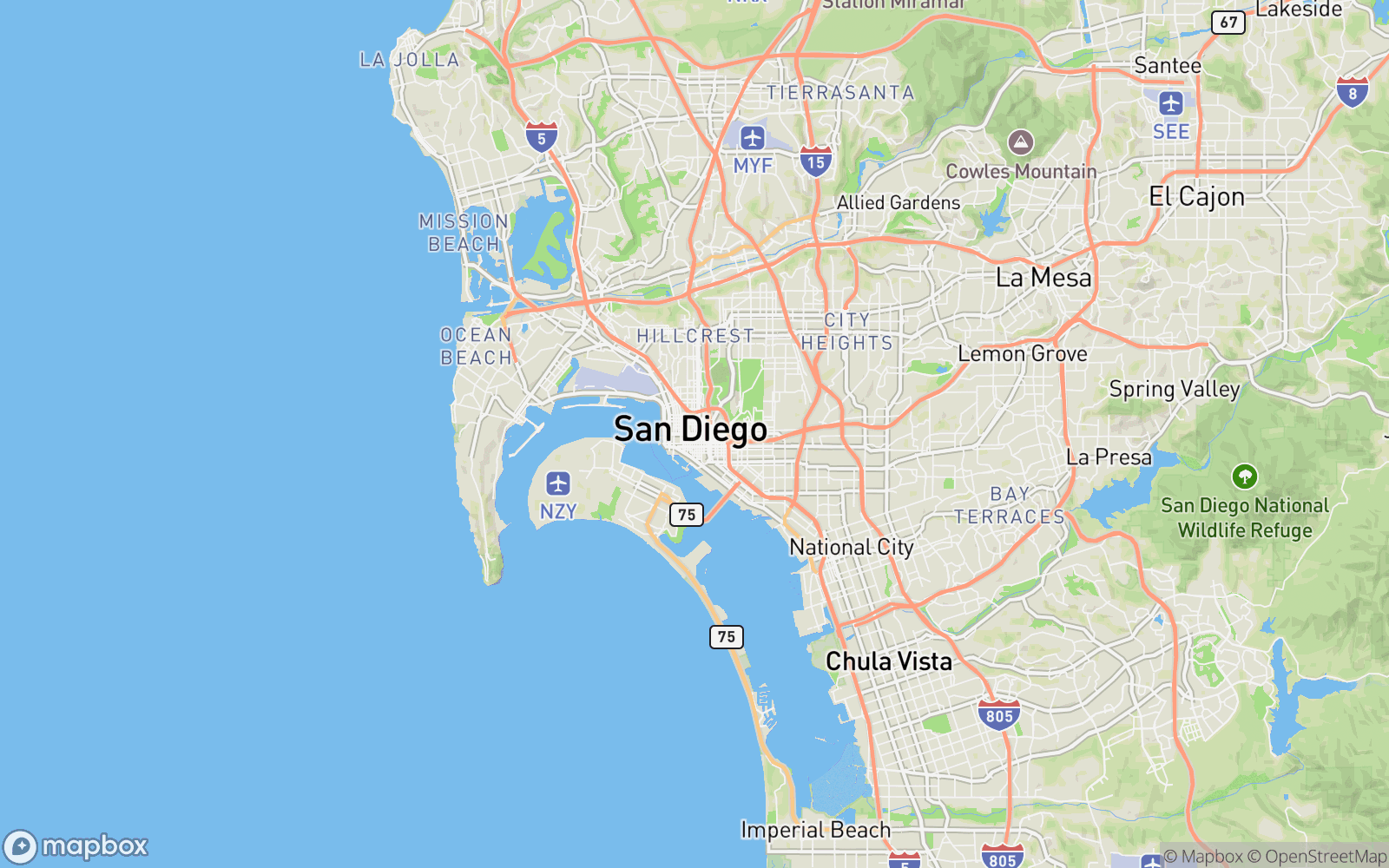
Blanket distribution across entire zip codes wastes 70% of your budget. Hyper-targeting specific neighborhoods matching your ideal customer profile doubles response rates. Lawn services should target owner-occupied homes with maintained yards, not apartment complexes where turnover kills customer lifetime value.
Skip These 2 Neighborhood Types for Better ROI
- Apartment complexes: Tenants rarely make home service decisions and move frequently
- Distressed properties: Homes with overgrown lawns indicate owners aren’t investing in maintenance
Focus on 3-5 block radiuses around your service area. A local electrician increased conversions by 220% when he switched from city-wide distribution to targeting neighborhoods built between 1980-2000—when most homes need panel upgrades.
The Optimal Time to Hang Door Hangers for Maximum Visibility
Distribute on Saturday mornings between 9-11 AM when families are home to notice them, or weekday evenings 5-7 PM when commuters return. Avoid rainy days—even light moisture warps paper and frustrates homeowners. Never hang after 8 PM as it feels intrusive. One cleaning service discovered Tuesday afternoons worked best for targeting stay-at-home parents.
Avoid These 3 Legal Pitfalls That Could Shut Down Your Campaign
Ignoring local regulations can turn your marketing campaign into a legal nightmare. “No Soliciting” signs aren’t suggestions—they’re enforceable in 47 states. One roofing company paid $1,200 in fines after distributing hangers in a neighborhood with strict HOA rules they hadn’t checked.
Why Ignoring “No Soliciting” Signs Is a $500+ Mistake
Placing hangers on properties with visible “No Soliciting” signs violates municipal codes in most areas and can trigger fines up to $500 per violation. Always walk past these homes—the few seconds saved aren’t worth legal trouble. Train distributors to recognize common sign styles (stickers, plaques, painted signs) and skip those properties immediately.
Municipal Permit Requirements You Must Check First
38% of cities require permits for door hanger distribution. Call your city clerk’s office and ask: “Do I need a permit to distribute door hangers for [your business type]?” Permits typically cost $25-$75 and take 48 hours to process. Skipping this step halted a pool cleaning campaign mid-distribution in Austin, wasting $380 in printed materials.
Measure Your Door Hanger Campaign’s True ROI
Most businesses declare campaigns “successful” based on vague “we got some calls” feedback. Real marketing requires tracking Cost Per Lead (CPL) and Return on Investment (ROI). The pizza restaurant’s 15% redemption rate meant $0.83 cost per acquired customer—a 300% ROI when factoring in average order value.
Calculate Cost Per Lead Before Printing Your Next Batch
Divide your total campaign cost (design + printing + distribution) by qualified leads. If $200 campaign generated 10 booked appointments, your CPL is $20. Compare this to your other channels—if Facebook ads cost $35 CPL, double down on door hangers. Most home services achieve $5-$15 CPL with well-executed hanger campaigns.
What 5% Response Rate Really Means for Your Bottom Line
For a $100 service, 5% of 1,000 hangers (50 responses) at 30% close rate = 15 new customers ($1,500 revenue). At $150 campaign cost, that’s 900% ROI. Track close rates religiously—one landscaper discovered his “First Mow Free” offer had 5% response but only 10% close rate, while “Spring Cleanup Special” had 3% response but 40% close rate, making it more profitable.
Door hangers remain one of the most cost-effective local marketing tools when executed strategically. Focus on professional 14pt cardstock, hyper-targeted distribution, and trackable specific offers—not generic promotions. Implement the tracking methods outlined here to know exactly what’s working. For your next campaign, print two versions with different offers and track responses separately; the data will show you exactly how to make door hangers that consistently fill your sales pipeline. Start small with 500 units, measure meticulously, and scale what works—your most profitable customer acquisition channel might be hanging right on your prospects’ doors.