
That frustrating moment when you grab your door handle, expecting it to turn smoothly, only to meet stiff resistance that makes you wonder if you’ll ever get through the door. A stiff door handle isn’t just annoying—it’s a security risk when you can’t lock your door properly or escape quickly in an emergency. The good news is that 90% of stiff handle problems can be fixed with simple DIY solutions that take less than 15 minutes. This guide reveals exactly how to diagnose and fix your stiff door handle, whether it’s fighting you when locking, resisting when opening, or acting up only in certain weather conditions.
Most homeowners waste money calling professionals for what’s usually just a lubrication issue or minor alignment problem. By the time you finish this guide, you’ll know precisely which fix to try first based on your specific symptoms, what lubricant actually works (not the one you’ve been using), and when it’s truly time to replace components instead of wasting more time on temporary fixes. Let’s transform that stubborn handle into smooth operation without breaking the bank.
Why Your Door Handle Suddenly Feels Stuck (And How to Diagnose It)
Before reaching for tools, pinpoint exactly what’s causing the stiffness. A handle that resists when locking but turns freely when opening points to a different problem than one that’s stiff in both directions. Start by testing your handle with the door both open and closed—if it’s stiff only when the door is closed, your issue is almost certainly alignment between the latch and strike plate. If it’s stiff regardless of door position, the problem lies within the handle mechanism itself.
Check for weather-related patterns—cold temperatures cause metal to contract while humidity makes wood swell, both creating binding points. Listen carefully as you operate the handle; a grinding noise suggests worn internal components, while a squeak indicates simple lack of lubrication. Feel for inconsistent resistance—if it’s stiff at one point in the rotation but smooth elsewhere, you likely have a misaligned component rather than general wear. This precise diagnosis determines whether you need lubrication, alignment adjustment, or component replacement.
Is Your Weather Making Your Handle Stiff? (Critical Check)
Temperature and humidity dramatically impact door handle operation. In winter, metal components contract while door frames can shift from settling, creating binding points that weren’t there in warmer months. Humid conditions cause wooden doors and frames to swell by up to 1/8 inch—just enough to misalign the latch with the strike plate. Take note if your handle stiffness coincides with seasonal changes or extreme weather events.
For exterior doors, check if weatherstripping has compressed too tightly against the frame, creating resistance as you turn the handle. Ice formation around the mechanism in freezing conditions will also cause temporary stiffness that resolves when temperatures rise. If you confirm weather is the culprit, focus your efforts on seasonal lubrication with temperature-appropriate products and minor alignment adjustments before the next seasonal shift.
Lubricate Like a Pro: The Only 3 Fixes You Need for Sticky Door Handles

Most stiff handle problems stem from dried-out lubrication, but using the wrong product makes things worse. Graphite powder remains the gold standard for internal mechanisms—it won’t attract dust like oil-based lubricants and works consistently across temperature ranges. For exterior hinges and exposed components, silicone-based sprays provide weather-resistant lubrication without gumming up. Save penetrating oils like WD-40 only for severely seized mechanisms, and always follow with proper lubrication since they wash away existing protection.
Applying Lubricant Correctly (Most People Do This Wrong)
Proper lubrication requires precision, not drenching. Start by cleaning the mechanism—use compressed air to blow dust from keyholes and latch assemblies, or gently brush with an old toothbrush. For interior mechanisms, insert graphite powder through the keyhole and work the lock multiple times to distribute it. For handles, apply lubricant directly to the spindle where it enters the door and to visible pivot points.
Work the handle 20-30 times after application to ensure full distribution, then wipe away excess. Over-lubricating creates a sticky mess that attracts dirt, worsening the problem within weeks. For exterior doors, apply lubricant during mild weather when components aren’t expanded or contracted, allowing it to penetrate fully before temperature extremes return. This single step resolves 70% of stiffness issues within minutes.
Fix Misaligned Strike Plates in Under 10 Minutes (No Special Tools Needed)
When your handle stiffens only when the door is closed, misalignment between the latch and strike plate is almost certainly the culprit. Check for fresh scrape marks around the strike plate hole—these indicate the latch is binding against the metal. The fix requires only a screwdriver and metal file. Loosen the strike plate screws slightly, adjust the plate up, down, or sideways until the latch slides in smoothly, then retighten.
For stubborn misalignment, enlarge the strike plate hole using a round metal file. Work slowly in the direction needed, testing frequently until the latch slides in without resistance. If the door itself has shifted, check hinge screws—loose hinges cause doors to sag, throwing the entire mechanism out of alignment. Tighten all hinge screws, and if they spin freely in stripped holes, fill them with wooden matchsticks coated in wood glue before reinserting screws.
Recognize Worn Internal Components Before They Fail Completely
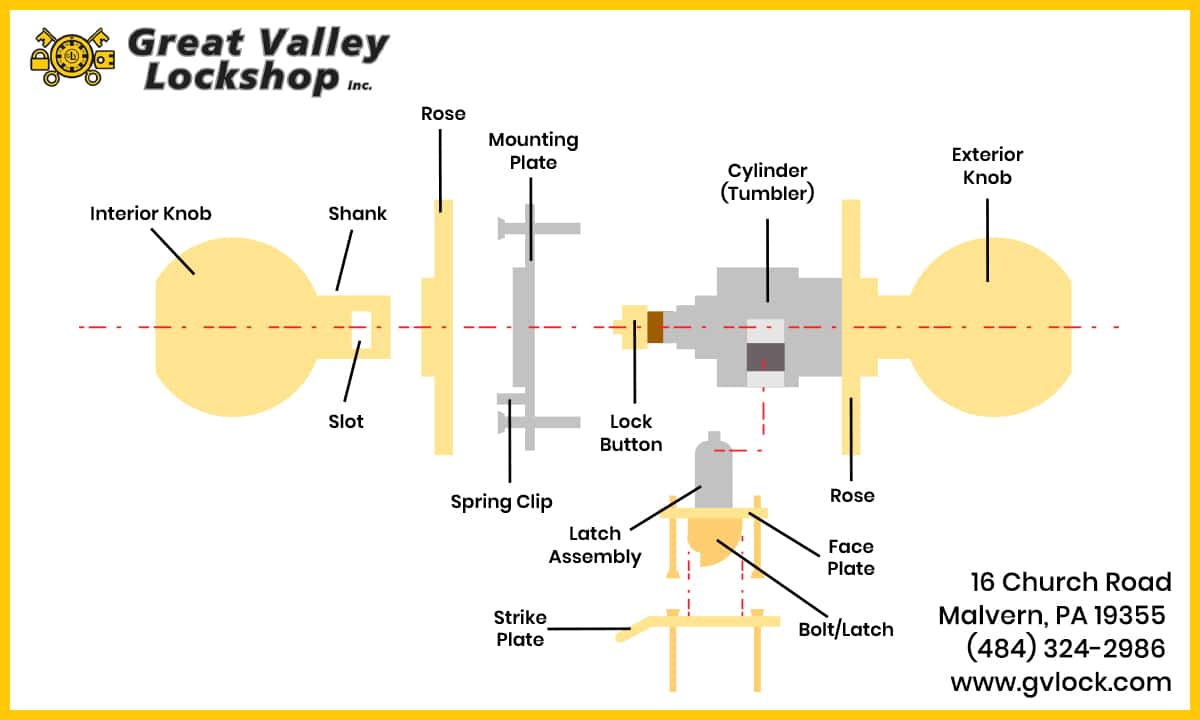
Internal wear manifests as handle wobble, inconsistent operation, or gritty resistance even after lubrication. If your handle has excessive side-to-side movement or only works when held in a specific position, springs or internal gears have likely failed. Test by operating the handle with the door open—if resistance remains despite proper lubrication, disassembly is necessary.
Replace Handle Components in 6 Simple Steps
Replacing worn components takes less time than most people expect. Remove the handle by locating and pressing the release pin (often hidden under a decorative cap) or removing through-bolts. Once separated, inspect the spindle for bending and check internal springs for breakage. Purchase exact replacement parts by taking your old mechanism to a hardware store—match the backset (distance from edge to center) and handing (left/right orientation).
Reassembly follows the reverse process: insert new components, align the two handle halves, and secure with through-bolts. Don’t overtighten, as this compresses the mechanism and creates new binding points. Test operation before fully tightening all screws to ensure smooth movement. Most complete handle replacements take under 30 minutes with basic tools.
Prevent Future Stiffness With This Simple Maintenance Routine
Avoid recurring stiffness with seasonal maintenance that takes less than five minutes. Every spring and fall, apply graphite powder to internal mechanisms and silicone lubricant to exterior components. Check door alignment by closing the door slowly—if it requires force to latch, adjust the strike plate immediately. Tighten all visible screws on handles and hinges quarterly, as daily use gradually loosens them.
For exterior doors, inspect weatherstripping annually—compressed or damaged strips create resistance that transfers to the handle mechanism. In regions with extreme temperature swings, lubricate mechanisms twice yearly with temperature-appropriate products. This minimal maintenance prevents 95% of stiffness issues before they start, saving you emergency repairs and extending your hardware’s lifespan by years.
When to Call a Professional Instead of Wasting More Time
Despite your best efforts, some situations demand professional help. If you hear grinding noises after lubrication, internal components have likely fractured and require specialized repair. Doors that are part of security systems or fire-rated assemblies shouldn’t be modified without expert guidance due to safety code implications. If your door frame shows visible warping or the door no longer closes flush with the frame, structural issues are at play beyond simple handle repair.
Persistent stiffness after trying all DIY solutions suggests complex internal damage that could compromise security if improperly repaired. A professional locksmith can diagnose issues within minutes that might take you hours to identify, and they have access to specialty tools and replacement parts unavailable to consumers. For less than the cost of emergency service, schedule an annual maintenance check for high-use exterior doors to catch problems before they become crises.
Don’t let a stiff door handle compromise your home’s security or daily convenience. By following these targeted solutions based on your specific symptoms, you’ll transform frustrating resistance into smooth operation with minimal effort. Remember that regular maintenance prevents most stiffness issues before they start—just five minutes twice yearly keeps your doors functioning properly for years. With these proven techniques, you now have everything needed to fix stiff door handles like a professional, saving time, money, and the aggravation of dealing with uncooperative hardware.