You’re standing in front of a door with nothing but a gaping hole where the handle should be. Maybe it broke off in your hand, or perhaps you’re dealing with an unfinished room in a new house. Whatever the reason, knowing how to open a door without a handle can save you from calling an expensive locksmith or resorting to destructive measures. This frustrating situation happens more often than you’d think—especially with older homes, newly constructed properties, or after a handle malfunctions. In this guide, you’ll discover practical, non-destructive techniques to regain access using common household items, plus crucial safety considerations for different door types.
Diagnose Your Door Type Before Attempting Entry
Before grabbing tools, determine exactly what kind of door mechanism you’re dealing with—this decision makes or breaks your success. Interior doors typically use simple latch mechanisms that release when turned, while exterior doors often have more complex locking systems including deadbolts. Check for visible clues: interior doors usually have a small hole or slot where the handle spindle would turn the latch, while exterior doors may show a keyhole or privacy button. If you can see through the gap between door and frame, look for the latch shape—rounded latches can sometimes be manipulated from the side, while deadbolts require direct rotation of the locking mechanism. Skipping this diagnostic step often leads to damaged doors or wasted effort.
Identify If Your Door Is Locked or Simply Missing Hardware
This critical distinction determines your entire approach. Most interior doors with missing handles are actually unlocked—the latch just needs manual retraction. Stand close to the door and gently push while listening for the latch clicking against the strike plate. If you hear this telltale sound, the door is unlocked but stuck. If the door doesn’t budge at all when pushed, the latch may be fully engaged (locked position). For exterior doors, check if any part of the lock cylinder remains visible—if you see metal threading or the edge of a keyhole, you’re dealing with a more complex mechanism requiring different techniques. Never force a door that’s truly locked; this risks damaging the frame or creating a more serious security issue.
Recognize Common Door Mechanism Types
Interior privacy doors (bathrooms/bedrooms) typically use a spring-loaded latch with a small release hole on the exterior side. Look for a tiny pinhole near the center—this is your emergency release point. Passage doors (hallways/closets) have no locking mechanism at all, just a basic latch that retracts when turned. Entry doors combine a primary latch with a separate deadbolt—attempting to open these without proper tools often requires professional assistance. Knowing which type you face prevents wasted effort: privacy doors respond well to paperclip methods, while passage doors usually yield to spindle manipulation. If you’re unsure, start with the least invasive techniques before progressing to more complex solutions.
Extract Access Using the Spindle Hole Method (Most Effective)
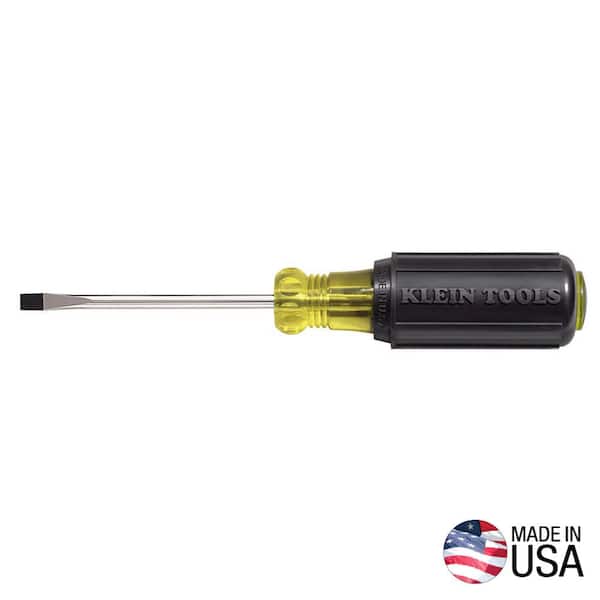
When the handle is completely missing but the square spindle hole remains visible in the center of the door, this technique works 90% of the time for interior doors. The square hole is where the handle spindle connected to rotate the latch mechanism—your goal is to manually turn this internal component.
Step-by-Step Spindle Hole Technique
-
Gather the right tool: Find a flathead screwdriver with a narrow tip, a sturdy kitchen knife with a thin spine, or even a strong key that fits snugly into the square hole. The tool must grip the square edges without slipping.
-
Insert and engage: Carefully insert your tool about 1-1.5 inches deep into the square hole. Rotate it gently to find the position where it catches the square spindle edges—this usually requires slight pressure while turning.
-
Apply rotational force: Turn the tool clockwise (as if turning a normal handle outward) while applying gentle inward pressure on the door. Most interior latches release with 1/4 to 1/2 turn of the spindle.
-
Listen for the click: You’ll hear the latch retract from the strike plate. Immediately push the door open—some latches spring back quickly once pressure is released.
Pro Tip: If the spindle hole is stripped or rounded, wrap the tool tip with rubber band for better grip, or use needle-nose pliers to grip any remaining spindle protrusion. This method works best on standard interior doors but fails on deadbolts or severely damaged mechanisms.
Bypass Privacy Locks With Emergency Release Holes
Many interior bathroom and bedroom doors feature a small emergency release hole (about 1/8 inch diameter) on the exterior side—this is your secret access point when the handle is missing. Manufacturers include this specifically for situations where the handle breaks or becomes inaccessible.
How to Use the Privacy Lock Release Hole
-
Locate the pinhole: Find the small hole near the center of the doorknob assembly side. It’s often slightly recessed and may require a flashlight to spot.
-
Prepare your release tool: Straighten a paperclip or use a small allen wrench (3/32″ works perfectly). The tool needs to be rigid enough to push the internal release mechanism.
-
Insert and depress: Push the tool straight into the hole with firm, steady pressure. You’ll feel resistance as you engage the release button—continue pressing until you hear a distinct click.
-
Open immediately: Once clicked, the latch releases completely. Turn the door knob (or push if no knob remains) to open the door.
Warning: Don’t use excessive force—privacy release mechanisms are delicate and can break if over-pressed. If you meet solid resistance after 1/2 inch of insertion, you’re likely dealing with a different lock type requiring alternative methods.
Slide Open Unlatched Doors Using Credit Card Technique
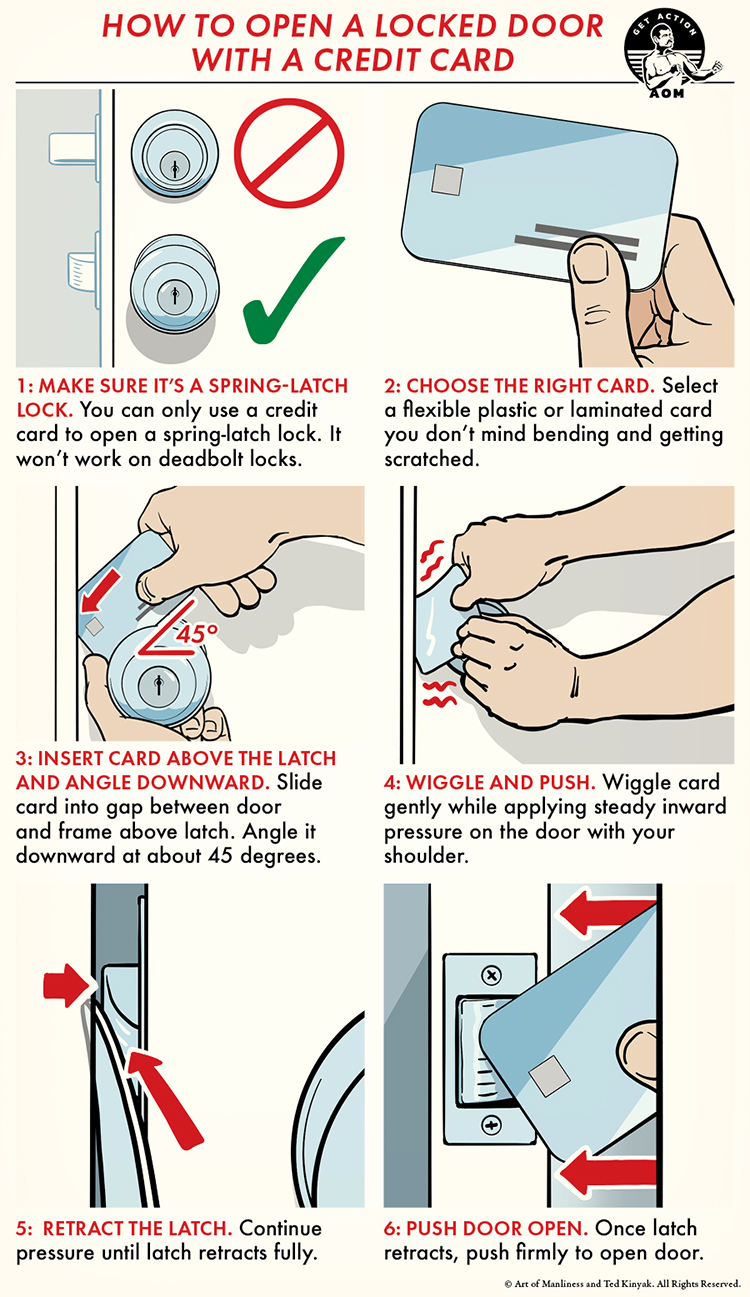
When the latch isn’t fully engaged but the door won’t budge due to missing hardware, this non-invasive method works wonders for interior doors with sloped latches (not deadbolts). The credit card method simulates what a handle would do by manually retracting the latch from the edge of the door.
Proper Credit Card Method Execution
-
Verify latch type: Ensure you’re dealing with a standard beveled latch (angled edge facing the strike plate). This technique fails completely on deadbolts or cylindrical latches.
-
Position the card: Insert a flexible plastic card (credit card, hotel key, or stiff gift card) at the top corner where door meets frame, just above the latch bolt.
-
Angle and slide: Tilt the card toward the door at 30-degree angle and rapidly slide it down along the edge while applying inward pressure on the door.
-
Repeat with pressure: After 2-3 slides, increase inward pressure on the door to help the latch clear the strike plate. Most interior latches release within 5 attempts.
Expert Note: Newer doors with security latches or thick weatherstripping often resist this method. If the card won’t slide or the latch doesn’t retract, switch to spindle hole technique instead—forcing this method can crack the door edge.
Access Stuck Doors With Wire Hanger Latch Manipulation
When the door gap is too narrow for credit card methods but wide enough to see the latch, a modified wire hanger provides precise latch control. This technique requires patience but works when other methods fail on stubborn interior doors.
Wire Hanger Latch Release Process
-
Create your tool: Straighten a wire coat hanger, leaving a 1/2 inch hook at the end. Bend the last inch upward at 90 degrees to create a pushing surface.
-
Locate the latch gap: Find the widest part of the door-to-frame gap—usually near the handle height where the latch protrudes.
-
Insert and position: Slide the hooked end through the gap until it contacts the latch face. Rotate the wire so the 90-degree bend faces the latch.
-
Retract the latch: Push the wire horizontally toward the door edge while applying gentle door pressure. The bend should catch and pull the latch back into the door.
Caution: Use only light pressure—excessive force can bend the wire or damage door paint. This method shines when dealing with doors that have minimal clearance but visible latch mechanisms.
When Standard Methods Fail: Advanced Techniques for Problem Doors

Some doors resist conventional approaches due to swelling, misalignment, or complex locking systems. Before calling a locksmith, try these specialized techniques for problematic scenarios.
Addressing Swollen or Stuck Doors
Interior doors often swell during humid weather, causing latches to bind in strike plates. Instead of forcing the mechanism, reduce friction with these steps:
– Apply petroleum jelly or candle wax to the latch edges using a small brush
– Tap the strike plate area gently with a rubber mallet while applying door pressure
– Remove hinge pins and slightly shift the door position to relieve pressure points
Exterior Door Considerations
Never attempt destructive methods on exterior doors—you’ll compromise home security. If dealing with a missing exterior handle:
– Check if any spindle remains protruding from the lock cylinder
– Use needle-nose pliers to grip and turn any visible spindle section
– If completely flush, contact a locksmith—DIY attempts often damage expensive locksets
When to Stop and Call a Professional Immediately
Certain situations demand professional intervention to prevent costly damage or security risks. Stop all attempts and call a locksmith if:
– You’re dealing with a solid exterior door or commercial entry system
– The door shows signs of forced entry or previous damage
– You’ve tried 3+ methods without success (further attempts increase damage risk)
– Safety is compromised (fire exits, medical emergencies)
Critical Warning: Never use power tools, crowbars, or excessive force on exterior doors—repair costs often exceed $300 for frame or lock damage. A professional locksmith typically charges $50-$150 for non-destructive entry, preserving your security system.
Prevent Future Handle Failures With Proper Maintenance
Once you’ve successfully opened the door, address the root cause to prevent recurrence. Install replacement handles immediately using:
– Correct screw lengths (1.5-2 inches for interior doors)
– Thread-locking compound on handle set screws
– Reinforcement plates for hollow-core doors
Pro Maintenance Tip: Every 6 months, remove interior door handles and lubricate latch mechanisms with graphite powder—not oil, which attracts dirt. Tighten all mounting screws quarterly to prevent handle wobble that leads to spindle damage.
Knowing how to open a door without a handle transforms a panic-inducing situation into a manageable task. By diagnosing your specific door mechanism first and selecting the appropriate non-destructive method, you’ll regain access safely while preserving your door’s integrity. Keep basic tools like a multi-bit screwdriver and wire hangers accessible in key areas of your home—these simple items become invaluable when hardware fails unexpectedly. Remember that exterior doors almost always require professional attention, while most interior door issues yield to the spindle hole or privacy release techniques outlined here. With these skills, you’ll never be truly locked out again.