Nothing ruins your home’s curb appeal faster than a storm door with a wobbly handle or one that won’t lock properly. Installing a storm door handle correctly ensures your door functions smoothly, enhances security, and maintains that polished look you want for your entryway. Whether you’re replacing a broken handle or installing new hardware on a fresh storm door, this comprehensive guide shows you exactly how to install storm door handle like a seasoned pro—even if you’ve never touched a screwdriver before. You’ll complete this weekend project in under an hour with basic tools and our detailed instructions, transforming that frustrating sticking door into a smooth-operating feature you’ll appreciate every time you use it.
Why Proper Storm Door Handle Installation Matters
A poorly installed storm door handle creates more than just cosmetic issues—it compromises your home’s security and weather protection. When your handle doesn’t align correctly with the strike plate, cold air seeps through gaps, driving up heating costs during winter months. More critically, a misaligned latch won’t fully engage, leaving your home vulnerable even when the door appears closed. Proper installation ensures the latch extends fully into the strike plate, creating that satisfying “click” sound that confirms your door is truly secured. You’ll also prevent premature wear on both the handle mechanism and door frame, avoiding the need for replacement much sooner than necessary. Taking the time to install your storm door handle correctly from the start saves you hours of frustration and additional repair costs down the road.
Essential Tools for Storm Door Handle Replacement

Must-Have Tools Before You Begin
Gathering these tools before starting prevents frustrating mid-project pauses and ensures professional results:
- Phillips-head screwdriver (size #2 is standard for most handles)
- Flathead screwdriver (for prying off decorative plates if needed)
- Drill with 1/8-inch pilot bit (prevents wood splitting during installation)
- Tape measure or ruler (for precise alignment measurements)
- Pencil with fine point (for accurate marking on the door surface)
- New storm door handle kit (verify it matches your door thickness—most standard storm doors are 1-1/2″ thick)
- Small container for screws (prevents loss of tiny hardware pieces)
Pro Tips for Tool Preparation
Measure your door thickness before purchasing a handle kit—this is the most common mistake DIYers make. Most storm doors range from 1-1/4″ to 1-3/4″ thick, and handle kits are designed for specific thicknesses. If you’re replacing an existing handle, bring the old mechanism to the hardware store to ensure compatibility. Keep a magnetic tray nearby to prevent screws from rolling away when removed—the last thing you want is to lose a tiny mounting screw down a heating vent.
How to Safely Remove Your Old Storm Door Handle
Identifying Handle Mounting Points
Before removing anything, examine both sides of your storm door to locate all mounting points. Most modern storm door handles feature interior mounting screws hidden behind a decorative plate (escutcheon), while older models may have visible screws on both sides. The latch mechanism on the door edge typically has two or three mounting screws that secure it to the door frame. Note any unusual mounting configurations before proceeding—some specialty handles use set screws rather than traditional mounting hardware.
Step-by-Step Removal Process
- Remove decorative plates: Gently pry off any escutcheons covering the mounting screws using a flathead screwdriver wrapped in masking tape to prevent scratching.
- Unscrew mounting hardware: Using the appropriate screwdriver, carefully remove all visible screws while supporting the handle to prevent dropping components.
- Separate interior and exterior handles: Once screws are removed, gently pull both handles apart—most connect via a square spindle that runs through the door.
- Extract latch mechanism: Remove screws securing the latch to the door edge, then carefully pull the entire mechanism from its mortise cutout.
Warning: If your handle is extremely stiff or corroded, apply penetrating oil and let it sit for 15 minutes before attempting removal. Forcing a stuck mechanism can damage the door frame.
Preparing Your New Handle Kit for Installation
Verifying All Components Are Present
Lay out all parts from your new handle kit on a clean workspace and compare against the manufacturer’s diagram. A standard storm door handle kit should include:
– Exterior handle assembly
– Interior handle assembly
– Latch mechanism
– Mounting screws (typically 8-12 pieces)
– Square drive spindle
– Strike plate for door jamb
– Installation template (if included)
Adjusting for Your Door Thickness
Most modern handle kits feature adjustable mounting posts that accommodate various door thicknesses. Extend or retract these posts according to your door’s measurement—this is critical for proper handle alignment. Test the fit by loosely assembling the handles with the spindle before mounting to ensure the interior handle sits flush against the door surface without excessive pressure.
Installing the Latch Mechanism Correctly

Proper Latch Orientation for Smooth Operation
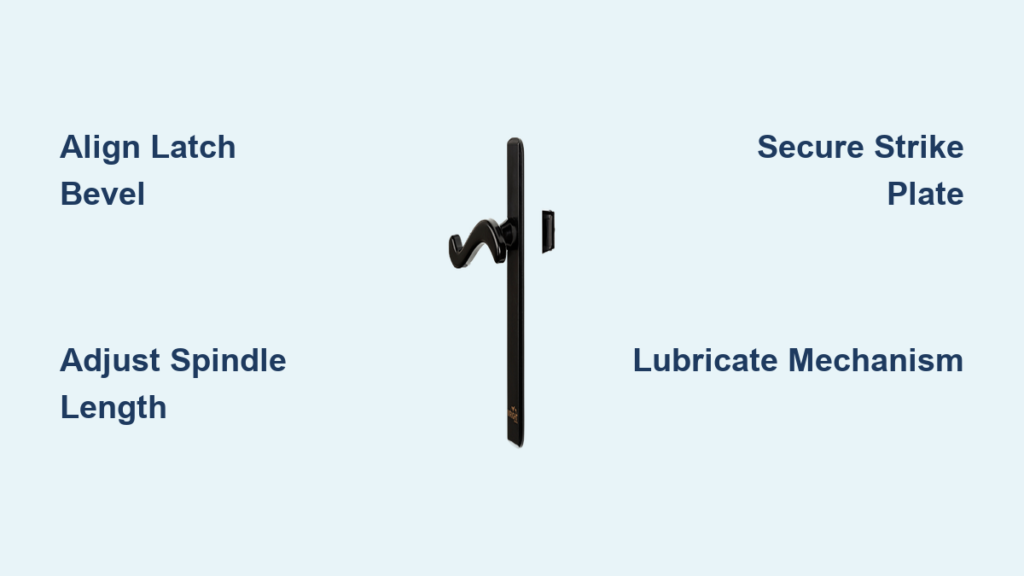
The latch mechanism must be installed with the beveled edge facing the direction the door closes—this angled surface allows the door to “catch” as it closes rather than bouncing back open. Position the latch in the edge mortise so the bolt extends approximately 3/4″ when fully engaged. This provides optimal security without straining the mechanism.
Securing the Latch in Place
- Position the latch mechanism in the door edge with the bevel facing the correct direction
- Insert the square drive spindle through the latch body to verify alignment
- Mark screw hole locations with a pencil through the latch mounting holes
- Drill 1/8-inch pilot holes at each mark to prevent wood splitting
- Insert mounting screws and tighten just enough to hold the latch in position (final tightening comes after handle installation)
Attaching Exterior and Interior Handles Step-by-Step
Exterior Handle Installation Sequence
Slide the exterior handle onto the square spindle first, ensuring proper orientation—most handles feature an ergonomic design that should face downward for comfortable use. Locate the set screw on the handle base and temporarily tighten it to secure the handle to the spindle, but don’t fully tighten until alignment is verified.
Interior Handle Final Assembly
From the inside of the door, position the interior handle onto the spindle, aligning the mounting holes with those on the exterior handle. Insert mounting screws through the interior handle and into the exterior mounting posts. Tighten screws gradually in a crisscross pattern to ensure even pressure and prevent handle misalignment. The final tightness should allow smooth handle operation without wobble—overtightening can restrict movement and damage threads.
Troubleshooting Common Installation Problems

Handle Wobble or Loose Operation
If your newly installed handle has play or wobble, check these three common issues:
– Mounting screws aren’t fully tightened (but don’t overtighten)
– Spindle length doesn’t match your door thickness (adjust or add spacers)
– Mounting posts aren’t properly extended for your door’s thickness
Latch Misalignment with Strike Plate
When the latch doesn’t engage smoothly with the strike plate:
1. Close the door slowly to observe where the latch contacts the strike plate
2. Mark any high or low contact points with a pencil
3. Loosen strike plate screws slightly and adjust position up/down or in/out
4. Retighten screws and test operation before final tightening
Fine-Tuning Handle Operation for Smooth Function
Lubrication for Long-Lasting Performance
Apply a small amount of silicone-based lubricant (never oil-based) to the latch mechanism and spindle points before final assembly. This reduces friction and prevents future sticking, especially important for storm doors exposed to temperature extremes. Wipe away excess lubricant to prevent dust accumulation.
Testing Full Range of Motion
Operate the handle through its complete range of motion 10-15 times to ensure smooth operation. The latch should extend and retract without binding at any point. If resistance occurs at a specific position, slightly loosen mounting screws and reposition the handle assembly before retightening.
Maintaining Your Newly Installed Storm Door Handle
Seasonal Maintenance Checklist
Extend the life of your new storm door handle with these simple maintenance steps:
– Every 3 months: Apply silicone lubricant to moving parts
– Before winter: Check alignment as temperature changes can affect door operation
– After extreme weather: Verify handle tightness as thermal expansion affects hardware
When Handle Replacement Is Necessary
Replace your storm door handle immediately if you notice:
– Excessive play that tightening can’t correct
– Corrosion on metal components
– Visible cracks in plastic handles
– Latch that no longer fully extends
Installing a storm door handle correctly transforms your entry experience from frustrating to flawless. By following these precise steps, you’ve ensured your storm door operates smoothly, locks securely, and enhances your home’s appearance. The key to success was proper latch alignment and careful handle adjustment—details many DIYers overlook. Now that your handle works perfectly, perform quick monthly checks to maintain optimal performance, especially before seasonal changes. If you encounter persistent issues despite proper installation, consider consulting a door specialist, as the problem may lie with the door frame itself rather than the handle mechanism. Enjoy the satisfaction of a job well done every time you smoothly open and securely lock your storm door!