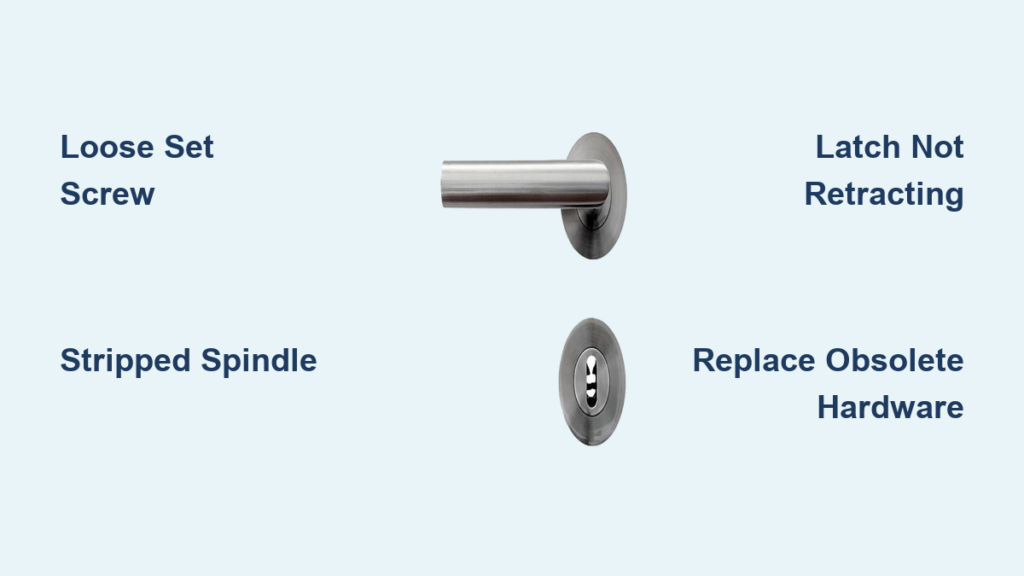
You turn the knob, and it spins freely—but the door won’t budge. It’s a frustrating situation that can lock you out of a room or trap you inside. When a door knob spins but not opening, the mechanical connection between the handle and the latch has failed. The rotational force from your hand isn’t translating into the linear motion needed to retract the spring-loaded latch bolt.
This guide will walk you through diagnosing the exact cause, applying quick fixes, and determining when replacement is the smarter choice. You’ll learn emergency access methods, repair strategies, and how to prevent this problem from happening again.
Diagnose Where the Connection Failed
Before reaching for tools, you need to understand whether the failure occurs in the knob-to-spindle connection or within the latch mechanism itself. This single determination will save you time and guide your repair approach.
Test the Latch Manually
Remove the knobs and grab a flathead screwdriver. Insert it into the square socket where the spindle normally engages the latch mechanism. Turn the screwdriver clockwise or counterclockwise.
• If the latch retracts: the latch is functional, and the problem lies in the knob or spindle connection
• If nothing moves: the latch assembly itself is broken or jammed internally
This test immediately narrows your repair path and tells you whether to focus on the knobs or the latch.
Inspect the Knob and Spindle
Use an Allen wrench or flathead screwdriver to locate the set screw on the side of the knob’s base. Loosen the screw and slide the knob off the spindle. Repeat on the other side of the door.
Look for these common issues:
• Worn or stripped set screws that no longer grip the spindle
• Rounded or damaged edges on the spindle shaft
• Bent or corroded spindle components
• Missing hardware or loose mounting plates
If the knob slides off without resistance, the set screw has likely failed to hold over time due to vibration and repeated use.
Fix Loose or Stripped Set Screws
A loose set screw, also called a grub screw, is the most common cause of a spinning knob. Constant turning gradually loosens the screw until it no longer bites into the spindle material.
Tighten or Replace the Set Screw
Reattach the knob and use the correct-sized Allen key to fully tighten the set screw. Make sure the spindle is square and seated properly before tightening.
For preventing future loosening, apply a drop of thread-locking compound like Loctite 222 to the screw threads before reinstalling. This is especially important on high-use doors like entryways and bathrooms.
If the screw spins freely without gripping, remove it and compare it to a new one of the same size. Common sizes include M3 or 4-40. Install the new screw tightly, and if the spindle hole is damaged, replace the spindle entirely.
Upgrade to a Square Spindle
Round spindles slip more easily than square ones. If your current spindle is round or shows signs of wear, replace it with a square metal spindle.
Ensure the replacement is compatible with your specific latch model. Square spindles provide better torque transfer and resist slippage, making them the preferred choice for long-term reliability.
Replace a Damaged Spindle
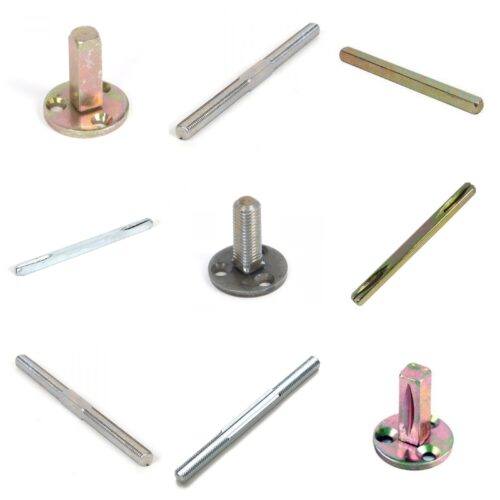
If the spindle is bent, corroded, or stripped, it won’t engage the latch properly even with tight set screws. The knob will spin freely while the latch remains stationary.
Identify Your Spindle Type
Common spindle types include:
• Solid square spindle: most durable, found in modern locks
• Split-spindle: older design where the inside knob screws onto the spindle, prone to wear
• Round spindle: less secure, common in budget hardware
Install the Replacement
Purchase a replacement spindle matching your specific model. For split-spindle systems showing significant wear, consider upgrading to a full cylindrical lock set with a solid square spindle.
If original parts are obsolete, such as vintage Weiser locks from the 1970s or 1980s, replacement is your only viable option.
Emergency Methods to Open a Stuck Door
When you’re locked in or out, you need access immediately. Try these non-destructive methods before resorting to more invasive approaches.
Use a Flathead Screwdriver
Insert a thin, rigid screwdriver between the latch faceplate and the door edge. Push the latch bolt inward while pulling the door open. This works best on doors with a small gap between the door and frame. Avoid excessive force to prevent damaging the wood.
Slide a Credit Card Past the Latch
For doors with a beveled latch bolt and visible gap, slide a stiff plastic card between the door and frame at latch height. Angle it downward and swipe toward the strike plate to depress the latch. This method does not work on deadbolts or tightly sealed doors.
Try the Shoelace Pull Method
Thread a shoelace or thin wire behind the exposed part of the latch through the door-jamb gap. Pull both ends upward and outward to yank the latch back. This technique works best when the latch is partially protruding from the strike plate.
Remove the Hinge Pins
If other methods fail and the hinges are accessible, use a hammer and nail punch to drive out the hinge pins from bottom to top. Lift the door off the hinges and swing it open. Once open, you can remove the latch plate and inspect or replace the mechanism. This method works best on inward-opening doors with exposed hinges.
Actuate Hidden Latch Release
Some latches have a U-shaped channel with a small pin inside. Look through the edge bore hole for a movable metal tab behind the latch. Use a tiny screwdriver to push down on the pin, which may release the bolt directly.
Repair or Replace the Latch Assembly
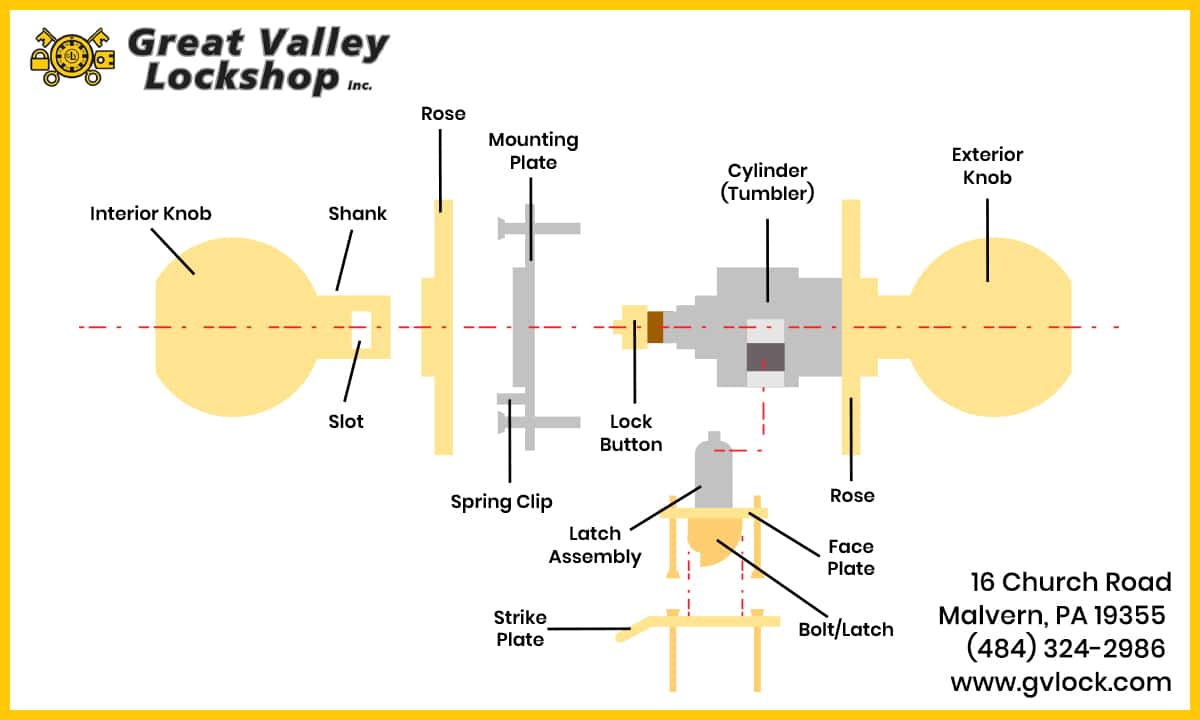
If the latch doesn’t retract even when turned manually with a screwdriver, the internal mechanism is damaged and cannot be repaired.
Signs of Latch Failure
Watch for these indicators:
• No resistance when compressing the bolt
• Cracked plastic housing
• Broken spring or stripped gear teeth
• Excessive wobble in the latch body
Install a New Latch
Remove the two screws on the edge of the door holding the latch plate. Pull the assembly out carefully and check the spring tension, spindle socket wear, and bolt movement smoothness.
When selecting a replacement, match these specifications:
• Backset: 2-3/8″ or 2-3/4″ (measure from door edge to center of knob hole)
• Door thickness: 1-3/8″ interior or 1-3/4″ exterior
• Latch type: drive-in, mortise, or bored
• Handedness: verify orientation (some latches are directional)
Slide in the new latch, reattach the faceplate, reinstall the knobs, and test operation.
Handle Obsolete Hardware
Some locks haven’t been manufactured in decades. If you have an old Weiser cylinder-in-grip handle with the key built into the knob, replacement parts are no longer available.
Identify Vintage Locks
Look for these distinguishing features:
• Key embedded inside the knob
• Interior thumb turn instead of a keyhole
• No visible external keyway
• Plastic internal components
• Manufacturing stamps from the 1970s or 1980s
These systems use a proprietary slide mechanism that wears out and cannot be repaired with standard parts.
Recommended Upgrade Options
Consider these replacement paths:
• Modern cylindrical lock with large rose plates: choose models with oversized escutcheons that cover old mounting holes
• Mortise lock with escutcheon cover: requires mortising the door edge but provides classic look and superior security
• Door lock conversion kit: metal or plastic sleeve fits over damaged areas and conceals old hardware flaws
Lubricate the Lock Correctly
A stiff mechanism can mimic disconnection. Proper lubrication restores smooth operation, but using the wrong products causes more harm than good.
Use Graphite Powder
Graphite powder is ideal for keyways and latch internals. It doesn’t attract dust and won’t gum up over time. Apply it with a small tube or puffer bottle for precise placement.
Apply Light Grease to Moving Parts
Use white lithium grease or silicone-based lubricant on spindle ends, latch bolt rails, and spring mechanisms. Apply sparingly and wipe excess to prevent buildup.
Avoid WD-40 for Long-Term Lubrication
WD-40 is a solvent, not a lubricant. It dissolves old grease but evaporates quickly, leaving behind a sticky residue that attracts dirt. While it may work temporarily, it accelerates future failure. Use WD-40 only to flush out gunk, then wipe clean and apply proper lubricant.
Prevent Future Failures
A repaired knob shouldn’t fail again in six months. Follow these maintenance tips to keep your doors operating smoothly.
Perform Regular Inspections
Every 6 to 12 months, check set screws for tightness, test knob resistance, and listen for grinding or slipping sounds. Early detection prevents complete failure.
Clean and Lubricate Annually
Remove the knobs, blow out dust with compressed air, clean the spindle and socket with a dry cloth, and re-lubricate with graphite and light grease. Reinstall and test the operation.
Ensure Proper Door Alignment
A sagging door causes latch binding and increases strain on the mechanism. Check if the latch drags against the strike plate. Adjust hinge screws or add shims behind hinges to realign the door. Proper alignment reduces wear and improves operation.
When to Call a Locksmith
DIY repairs work for most standard locks, but some situations demand professional help.
Call a professional if you cannot open the door using any method, are dealing with antique or custom hardware, need to install a deadbolt or security upgrade, or if the door requires mortising, patching, or reinforcement.
A locksmith can also key-match new hardware to your existing keys for consistency across all doors.
Cost vs. Repair Decision
| Scenario | Recommendation | Notes |
|---|---|---|
| Loose set screw | Repair | Tighten or replace the screw |
| Worn spindle | Repair or replace | Replace spindle or entire knob set |
| Broken latch | Replace | Latch mechanisms cannot be repaired |
| Vintage Weiser | Replace | No parts available for these models |
| Cosmetic damage | Replace | Use cover plates or sleeves for best appearance |
Standard knob sets cost $15 to $50, while premium locks like Baldwin run $150 or more. Locksmith service calls range from $75 to $150 depending on your region. For under $50 and about 20 minutes, most homeowners can replace a failing knob and avoid recurring issues.
Frequently Asked Questions About Door Knob Spinning But Not Opening
Why does my door knob spin freely but not open the door?
The most common cause is a loose or stripped set screw that no longer grips the spindle. This disconnect prevents the rotational force from the knob from being transferred to the latch mechanism. Other causes include a worn or bent spindle, damaged latch internals, or broken springs.
Can I fix a spinning door knob myself?
Yes, most cases are fixable as a DIY project. Start by tightening or replacing the set screw. If that doesn’t work, inspect and replace the spindle. For damaged latches or obsolete hardware, replacement is the better option. Simple repairs take about 20 minutes and cost under $50.
Does WD-40 fix a spinning door knob?
WD-40 provides only temporary relief and can actually cause long-term damage. It dissolves existing lubricant and leaves a sticky residue that attracts dirt. Use WD-40 only to clean out old debris, then apply graphite powder or proper grease for lasting results.
How do I open a door when the knob is spinning?
Try inserting a flathead screwdriver between the latch and door edge to push the latch inward while pulling the door open. A credit card can sometimes depress a beveled latch. As a last resort, remove the hinge pins to swing the door open. These are temporary solutions; repair or replace the hardware afterward.
When should I replace instead of repair a spinning door knob?
Replace the entire lock if the latch is internally broken, the hardware is over 40 years old with no available parts, or the spindle and latch are both worn. Vintage locks like old Weiser cylinder-in-grip handles cannot be repaired and require full replacement.
Key Takeaways for Fixing a Spinning Door Knob
:strip_icc()/How-to-change-a-doorknob_color-83f71b42765e4dc59a423f9472a9920b.jpg)
A spinning door knob is almost always fixable. Start by diagnosing whether the problem lies in the knob-to-spindle connection or the latch itself. Test the latch manually with a screwdriver to determine your repair path.
Tighten or replace the set screw first—this solves the majority of cases. If that doesn’t work, inspect the spindle for wear and replace it if necessary. Square spindles offer better durability than round ones.
For damaged latches or obsolete hardware like vintage Weiser locks, replacement is the only viable long-term solution. Modern cylindrical locks with large rose plates can cover old mounting holes and restore full function.
Apply proper lubrication using graphite powder and light grease, avoiding WD-40 as a long-term solution. Perform annual maintenance to keep the mechanism working smoothly. With the right tools and knowledge, you can restore smooth, reliable operation and never be stuck behind a spinning knob again.