Is your front door letting in cold drafts in winter or hot air in summer? You are not alone. Doors are one of the most common sources of energy loss in homes across the country. The good news is that weatherstripping a door is a simple, affordable DIY project that can cut heating and cooling costs, improve comfort, and block noise, dust, and pests from entering your home.
In this guide, you will learn how to detect air leaks around your door, choose the best materials for your specific door type, and follow step-by-step installation methods that work even on tricky gaps and uneven thresholds. Whether you are dealing with an old, creaky entry or just want to boost your home’s energy efficiency, this comprehensive walkthrough will help you achieve a draft-free seal that lasts for years.
Finding Air Leaks Before You Seal
Before installing any weatherstripping, you need to understand exactly where and how much air is escaping. Sealing blindly leads to wasted materials and poor results. Use these proven methods to pinpoint leaks accurately.
The Dollar Bill Test
Close the door on a dollar bill at various spots along the sides, top, and latch area. Pull the bill out slowly. If it slides out without any resistance, that gap needs sealing. Repeat this test every 6 to 12 inches around the entire perimeter. This quick method reveals compression issues and helps you choose the right weatherstripping thickness.
The Incense Draft Test
Light an incense stick and move it slowly around the door perimeter. Watch the smoke carefully. If it wavers, bends, or gets sucked inward, you have found a leak. This method detects even subtle convection currents that are invisible to the eye. It works best when there is a temperature difference between inside and outside.
The Light Gap Test at Night
Turn off all interior lights and stand outside looking at the door. Any visible slivers of light mean air can get through. Focus on corners and the bottom edge, as these are common weak spots. This simple visual test confirms where your sealing efforts should concentrate.
Feeling for Drafts with Your Hand
Use the back of your hand rather than your fingertips, as it is more sensitive to subtle airflow. Run your hand along all edges of the door while someone else opens and closes it. Cold spots or noticeable airflow confirm leaks, especially during windy weather conditions.
Fixing Door Alignment First

No weatherstripping works if the door does not close flush against the frame. Misalignment from house settling, worn hinges, or frame damage creates uneven gaps that compromise any seal. Address these issues before installing new weatherstripping.
Tightening or Replacing Hinge Screws
Loose hinges cause the door to sag over time. Remove the hinge pin and check the screws holding the hinge to the frame. If they feel loose, replace the standard 1-inch screws with 3-inch deck screws. Drive these longer screws into the wall stud behind the jamb to pull the door back into proper position.
Shimming Behind Hinges
If the door still sags after tightening screws, remove the hinge leaf and insert a thin cardboard or plastic shim behind it. Reattach the hinge securely. This simple adjustment shifts the door inward and closes gaps on the latch side where most air infiltration occurs.
Adjusting the Strike Plate
If the door sticks or does not latch tightly, use pliers to bend the strike plate tab slightly inward. This increases latch pressure and improves seal contact against the weatherstripping. Make small adjustments and test after each change to avoid over-bending, which causes excessive stickiness.
Repairing Damaged Frames
Cracked or rotted jamb edges will not compress weatherstripping properly. Use epoxy wood filler to rebuild damaged areas. Sand the repair smooth and apply primer before installing new seals. Never install weatherstripping over warped or loose trim.
Choosing the Right Weatherstripping Type
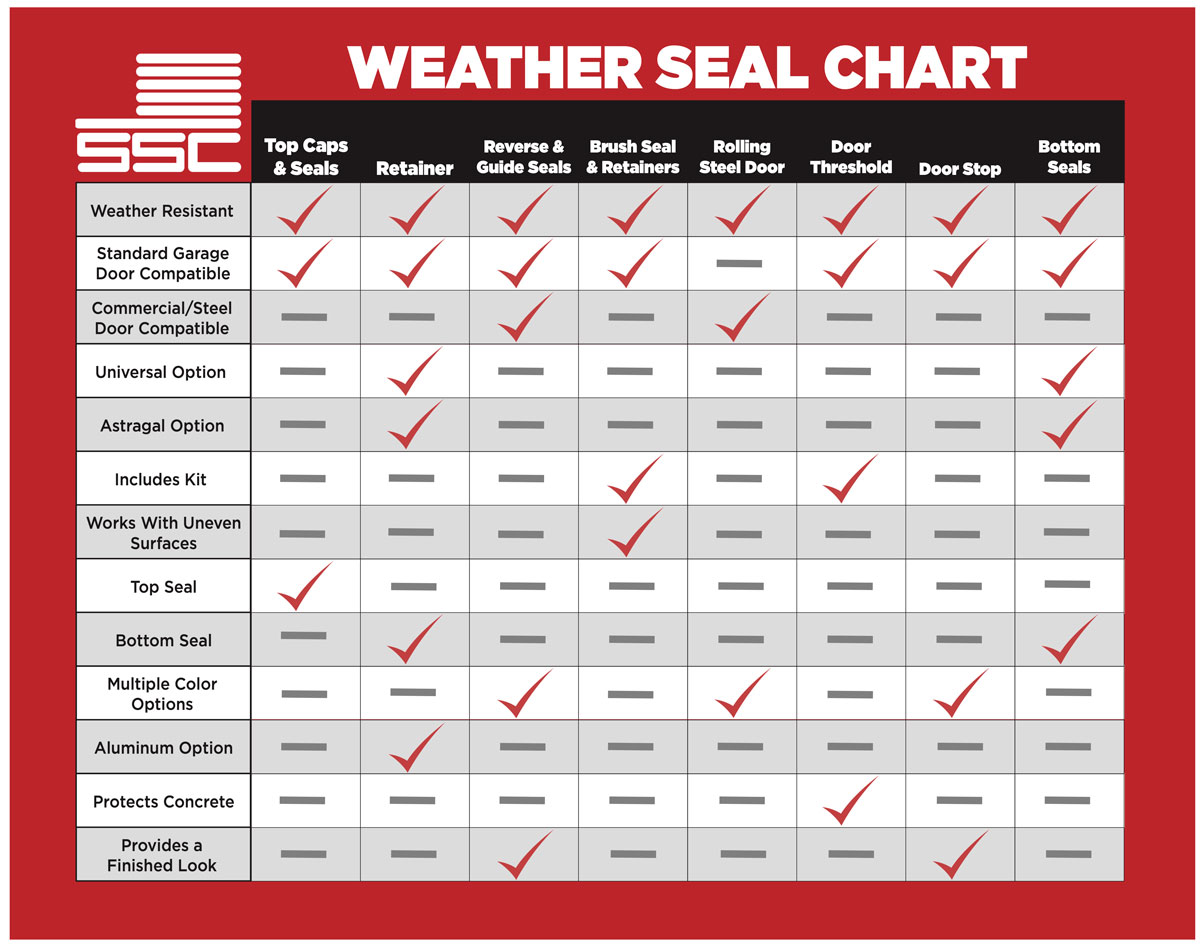
Not all weatherstripping materials perform the same way. Matching the material to the door location, traffic level, and climate produces the best results. Here is what works best where.
Top and Sides: V-Strip or Silicone Options
V-strip, also called tension seal, consists of thin metal or vinyl strips that press into the jamb. This option is nearly invisible when installed, highly durable, and lasts 5 to 7 years on smooth, flat surfaces. Tubular silicone is highly compressible and lasts 7 to 10 years, making it ideal for irregular gaps. Tom Silva from This Old House recommends tubular silicone for long-term performance and resilience to seasonal wood movement.
Bottom of Door: Selecting a Sweep
Surface-mounted sweeps screw directly to the door bottom and offer easy installation. Choose EPDM rubber for cold climates because it maintains flexibility in freezing temperatures. Recessed door bottoms install in a routed channel for a sleek appearance and protection from wear. Door shoes feature a metal base with replaceable vinyl seals and shed water effectively for exterior doors.
Threshold Upgrades for Maximum Seal
Bulb thresholds feature a rubber bulb that rises from a metal track and seals tightly, though it wears under heavy foot traffic. Frost-Brake thresholds use dual-material construction to reduce thermal bridging and keep cold air out during winter. Magnetic thresholds work with magnetic jamb seals for near-hermetic closure in extreme cases.
Gathering Essential Tools
Having the right tools before starting makes the job smoother and faster. You will need a measuring tape, utility knife or scissors, drill with screwdriver bit, and 1/8-inch drill bit for pilot holes. A pry bar or 5-in-1 tool helps remove old strip material. Sandpaper or a scraper cleans surfaces properly. A spline roller presses silicone into grooves, and a hacksaw or miter box cuts metal components cleanly.
Optional but helpful items include a router for recessed sweep installation, wax for lubricating saw blades, and rubbing alcohol for cleaning surfaces before adhesive application.
Installing Jamb Weatherstripping
Seal the top and sides of the door frame before addressing the bottom. Working on the frame rather than the door itself avoids premature wear from opening and closing.
Cutting and Fitting Silicone Weatherstripping
Check the stop molding for a pre-existing groove. If none exists, use a grooving tool or router to cut a slot that is 1/8 inch wide and 3/16 inch deep. Measure and cut the silicone strip to exact length without stretching. Press the barbed base into one end of the groove and push it along the full length. Use a spline roller to fully seat the strip into the groove. Make butt joints at corners rather than mitered cuts for better compression and sealing.
Applying Adhesive V-Strip
Clean the surface thoroughly with rubbing alcohol and let it dry completely. Peel 12 inches of backing at a time to prevent premature adhesive exposure. Start at the top corner and press firmly into place, working downward. Use small nails or staples every 3 inches for extra hold, particularly on metal V-strip versions. Wait at least 1 hour before closing the door to allow the adhesive to cure properly.
Installing a Door Sweep or Bottom Seal
The bottom of the door is typically the largest air leak. Choosing the right type and adjusting it properly makes the difference between an effective seal and continued drafts.
Surface-Mounted Sweep Installation
Hold the sweep against the door bottom with the door closed. Adjust the height so the seal just touches the threshold without dragging when the door opens. Mark screw holes starting from the center and working outward. Drill 1/8-inch pilot holes to prevent wood splitting. Secure with stainless steel screws for exterior doors. Test the door multiple times and adjust if it sticks or leaves gaps.
For carpeted floors, use a retractable sweep that lifts when opening to prevent dragging and carpet damage.
Recessed Door Bottom Installation
Remove the door from hinges and lay it on sawhorses. Mark a 5/8-inch wide by 1 1/8-inch deep dado on the bottom edge. Use a router in multiple passes to cut the channel cleanly. Prime and paint the exposed wood to prevent moisture damage. Cut aluminum channels 1/8 inch shorter than the door width. Screw one channel into the dado and insert the silicone sweep with adjustable glides into the second channel. Rehang the door, snap on end caps, and adjust the glide height by turning clockwise to raise or counterclockwise to lower.
Sealing Corners and Thresholds
Even small gaps let in significant amounts of air. Complete the seal with these final touches for a fully weatherstripped door.
Adding Corner Seals
Peel and stick adhesive-backed rubber or pile corner seals where the door meets the threshold inside the door. Press firmly to ensure good contact. These small additions stop wind-driven leaks that bypass side seals, particularly during strong gusts.
Upgrading the Threshold
If the threshold is worn or uneven, replace it with a bulb or Frost-Brake model. Follow manufacturer instructions carefully to ensure a tight fit between the threshold and flooring. Seal the joint with exterior-grade caulk to prevent air and water infiltration.
Testing the Seal After Installation
Do not assume the weatherstripping works without verification. Run through these tests to confirm a proper seal.
Re-Running the Dollar Bill Test
Close the door on a dollar bill as before. You should feel noticeable resistance when pulling it out. No drag means the weatherstripping is under-compressed, while excessive resistance means the door sticks and needs adjustment.
Doing a Smoke Test
Use the incense test again around all edges. No deflection in the smoke indicates a successful seal. Any movement means air is still getting through.
Checking for Light Gaps
Look at the door from outside at night. No light should escape around the edges. Visible light means gaps remain that need attention.
Maintaining Weatherstripping Yearly
Even the best weatherstripping wears out over time. Keep it working with simple maintenance routines.
Inspecting Twice Annually
Check weatherstripping before winter and before summer. Look for cracks or tears, compression set where material stays flattened, loose adhesive or screws, and dirt buildup that reduces flexibility. Clean rubber and silicone seals with mild soap to remove debris that compromises sealing power.
Replacing Worn Components
Replace foam and felt weatherstripping every 2 to 4 years since these materials degrade quickly. Swap door sweeps if they drag or show cracking. Silicone and metal weatherstripping lasts 7 to 10 years or longer but still needs annual inspection.
Special Cases: Matching Solutions to Doors
Historic or Vintage Doors
Use copper or bronze V-strip for authenticity. Modern plastic materials look out of place on classic woodwork. These metal options last for decades while preserving the original character.
High-Traffic Entryways
Choose magnetic seals or door shoes with replaceable vinyl inserts. These options handle constant use without premature wear. The replaceable inserts extend the life of the door shoe significantly.
Cold Climates
Use closed-cell foam, EPDM rubber, or Frost-Brake thresholds. These materials resist freezing and maintain flexibility even in extreme cold. Standard foam loses effectiveness at low temperatures.
Soundproofing Needs
Combine dense silicone seals with corner seals and continuous installation around the entire perimeter. This multi-layer approach blocks noise transmission more effectively than a single weatherstripping type.
Boosting Efficiency Further
Weatherstripping is just one piece of the energy efficiency puzzle. Maximize results with these complementary upgrades.
Adding a Storm Door
A storm door provides an extra insulating layer and protects primary weatherstripping from rain, UV exposure, and direct weather. This extends the life of your weatherstripping investment significantly.
Caulking Around Trim
Use paintable caulk to seal gaps between the door casing and wall. Hidden leaks often occur in these areas and go undetected without proper sealing. Apply caulk along all trim intersections.
Insulating the Frame Cavity
If accessible, blow low-expansion foam into the space between the door frame and rough opening. This addresses thermal bridging through the frame itself and improves overall door performance.
Getting a Professional Audit
RESNET or BPI-certified auditors use blower door tests to measure whole-house air leakage in CFM50. These professionals identify exactly where improvements yield the greatest return on investment.
Cost, Time, and Skill Overview
| Factor | Details |
|---|---|
| Cost | $10 for basic foam to $100 for premium sweeps and silicone |
| Time | 20 minutes for simple sweep to 6 hours for routed installation |
| Skill Level | Moderate DIY; routing adds significant complexity |
| DIY vs Pro | Most jobs are DIY-friendly; hire for full threshold replacements |
Weatherstripping pays for itself in just a few months through lower energy bills, making it one of the highest-return home improvements available.
Frequently Asked Questions About Weatherstripping a Door
How do I know if my door needs weatherstripping?
If you feel drafts near the door, see light around the edges, or notice higher energy bills in extreme seasons, your door likely needs weatherstripping. The dollar bill test quickly reveals whether gaps exist.
What is the best type of weatherstripping for an exterior door?
Tubular silicone weatherstripping on the jamb combined with a quality door sweep provides the best seal for exterior doors. This combination handles weather exposure while maintaining compression over years of use.
Can I install weatherstripping myself, or do I need a professional?
Most weatherstripping jobs are DIY-friendly. Simple adhesive foam or V-strip installations take under an hour. Recessed door bottom installations require routing skills and take longer but still work for confident homeowners.
How often should weatherstripping be replaced?
Foam and felt last 2 to 4 years. Vinyl and V-strip last 5 to 7 years. Silicone and metal last 7 to 10 years or longer with proper maintenance. Inspect twice yearly and replace when you notice wear, drafts, or compression damage.
Does weatherstripping help with soundproofing?
Yes, weatherstripping reduces sound transmission by sealing gaps around the door perimeter. Combining dense silicone seals with corner seals and continuous installation provides meaningful noise reduction for home offices or bedrooms.
Key Takeaways for Weatherstripping Your Door
A properly weatherstripped door transforms your home’s comfort and efficiency. The process starts with identifying leaks using the dollar bill and incense tests, then fixing door alignment issues before installing any sealing materials. Choosing the right materials matters significantly. Tubular silicone on the jambs and a quality sweep at the bottom create the most durable seal. Always make butt joints at corners rather than mitered cuts for better compression. Test your work after installation and maintain the weatherstripping twice yearly to extend its life. Whether you spend $15 or $100 on materials, the lower energy bills and improved comfort make weatherstripping one of the best investments you can make in your home. Start today and feel the difference by the next season.