If you have ever turned on a window fan and felt a rush of cool air sweep through a stuffy room, you already know the basic appeal. But how does a window fan work in a way that actually makes your home more comfortable? Unlike an air conditioner that generates cold air using a refrigeration cycle, a window fan simply moves existing air. It pulls cool outdoor air inside or pushes warm indoor air outside, creating a flow that helps your body cool itself through evaporation. The result is a low-cost, energy-efficient way to manage heat, especially during mild days and cool nights. In this guide, you will learn the mechanics behind window fans, the best ways to position them, and how to get the most cooling power from your setup.
The Core Airflow Mechanism Behind Every Window Fan

Window fans rely on a simple combination of an electric motor and spinning blades. The real magic, however, comes from how they direct that moving air into or out of your home.
Intake Mode vs. Exhaust Mode
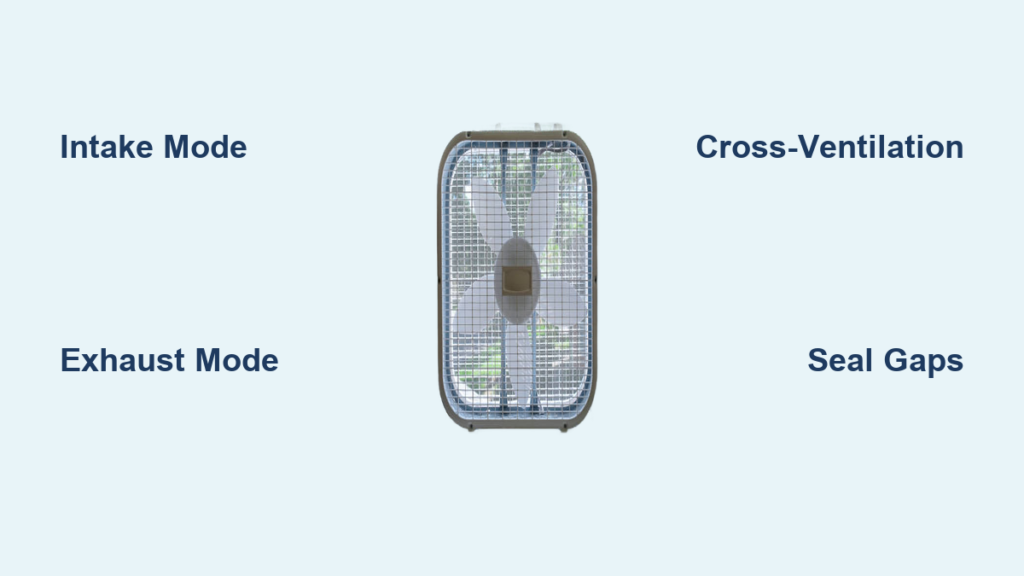
Every window fan operates in one of two directions. In intake mode, the fan draws fresh outdoor air into your home, which works best when outside temperatures are lower than indoor temperatures. In exhaust mode, the fan pushes stale indoor air outside, which helps remove heat that has built up during the day. Many modern units offer reversible airflow, letting you flip between modes with a button or remote. Some twin-fan models even allow one side to pull air in while the other pushes air out at the same time.
Reversible Motors and Dual-Blade Designs
High-end window fans use electronically reversible motors that change blade direction without any manual flipping. This feature allows you to automate airflow based on the time of day or current temperature. Dual-blade fans frequently include independent controls for each side, so you can run one as intake and the other as exhaust. This setup is ideal for cross-ventilation in homes where natural airflow is limited.
How Cross-Ventilation Maximizes Cooling Power

A single window fan can help, but pairing fans strategically creates a powerful cooling effect throughout your entire home.
Creating a Pressure Differential for Better Airflow
To maximize airflow, place one fan as intake on the cool, shaded side of your house and another as exhaust on the warm, sun-exposed side. Cool air naturally sinks and flows inward, while warm air rises and gets pulled out. The resulting pressure difference creates a steady draft that replaces hot, stagnant indoor air with fresh outdoor air.
Using Multi-Story Heat Dynamics to Your Advantage
In two-story homes, heat rises to the upper level. Place an exhaust fan in an upstairs window, ideally in a hallway, and open windows on the ground floor. As the fan pulls hot air out from above, cooler air is drawn in from below, creating a chimney effect that can noticeably reduce upstairs temperatures.
Optimal Timing and Placement for Maximum Effect

Using a window fan at the wrong time can actually make your home hotter. Timing and direction matter more than most people realize.
When to Pull Air In for Best Results
Run your fan in intake mode during early morning, evening, or overnight hours when outdoor temperatures drop below indoor temperatures. This is the best time to flush your home with cool air. For example, if it is 68°F outside at 6 a.m. but 78°F inside, turning on an intake fan will rapidly cool the space.
When to Push Air Out to Remove Heat
During the hottest part of the day, typically between 10 a.m. and 5 p.m., outdoor air is often warmer than indoor air. In these conditions, switch to exhaust mode to remove hot indoor air and prevent it from recirculating. If your home stayed cool overnight, exhausting warm air as it builds up keeps indoor temperatures stable.
Avoiding Common Direction Mistakes
Never run an inward-facing fan when it is hotter outside than inside, because you will pump heat into your home. Also avoid running all fans in the same direction. A house with only intake fans builds internal pressure, which reduces airflow efficiency. Balance is key: one fan in, one fan out.
Energy Efficiency and Cost Savings Compared to AC
One of the biggest reasons people choose window fans is their low energy use compared to air conditioning.
Power Consumption Comparison
A high-efficiency model like the Vornado Transom uses just 26 to 29 watts, costing around $8 to run nonstop for three months. A typical budget dual-blade fan may use 50 to 70 watts, adding up to $19 or more over the same period. That is more than 50% higher energy use for similar airflow.
Reducing AC Usage by 4°F Without Losing Comfort
You can raise your thermostat by 4°F when using fans because moving air enhances sweat evaporation, making you feel cooler. For every degree you raise the thermostat, you save about 3% on cooling costs. Over a summer, this can translate to meaningful savings on your energy bill. Research shows people feel equally cool in an 80°F room with fans as they do in a 72°F room with AC alone.
Thermostat-Controlled Fans Save Even More
Some models, like the Holmes Twin Window Fan, include built-in thermostats that turn the fan off when the room reaches a set temperature. These can reduce runtime by up to 60%, further cutting energy use and extending the fan’s lifespan.
Installation and Air Sealing Tips for Better Performance
Even the best fan will not work well if air leaks around it instead of through it.
Sealing Gaps Around the Fan
Most window fans come with foam pads, accordion wings, or expandable side panels to fill gaps. The Vornado Transom includes foam-covered overhangs and wedge blocks that create a tight seal. For added protection, apply foam weatherstripping tape around the fan frame to block bugs, drafts, and outside noise.
Window Compatibility and Fitment
Standard twin fans fit windows up to 37 inches wide. High-end models like the Vornado Transom fit windows up to 40 inches, making them suitable for larger or older windows. Compact models, such as the Bionaire Compact, are designed for narrow sliding windows as small as 8 inches tall.
Preventing Obstructions That Reduce Airflow
Keep the fan clear of curtains, blinds, and furniture. Blockages can reduce airflow by up to 50%. Also, open interior doors to allow air to move freely from room to room, especially in whole-house cooling setups.
Performance Metrics That Make a Fan Effective

Not all window fans perform the same. Key factors include airflow speed, reach, noise level, and durability.
Airspeed and Room Coverage
Top-tier fans like the Vornado Transom move air at 11 mph on high, with a 24-foot reach strong enough to stir a piece of paper across a large room. Budget models may match the reach but often deliver a direct blast rather than circulating air throughout the entire space. The Vornado’s vortex-style airflow creates room-wide circulation, not just a localized wind tunnel.
Noise Levels and User Comfort
The Vornado operates at 49 decibels on high, comparable to a quiet conversation. Its motor produces a smooth white noise that many people find soothing for sleep. Cheaper models like the Genesis High Velocity emit a high-pitched 19 kHz whine that can be irritating, especially at night.
Build Quality and Weather Resistance
The Vornado Transom is weather-resistant and has survived Nor’easter storms in testing. Most budget fans are not designed for exposure to rain or wind. If your window is exposed to the elements, choose a model built for outdoor durability.
Advanced Cooling Strategies to Try
For whole-house cooling, window fans can be part of a smarter, integrated system.
Combining Fans with Your Air Conditioner
Use window fans to distribute cooled air from your air conditioner throughout the room. Place a fan near the AC unit to blow cool air deeper into the space. This reduces hot spots and allows you to run the AC less frequently.
Adding Simple Evaporative Cooling
Place a bowl of ice or a damp towel in front of an intake fan. As air passes over the cold surface, it picks up a slight chill through evaporation. This method works best in dry climates where humidity is low.
Using the Wet Shirt Method for Personal Cooling
For personal comfort, wear a damp cotton shirt while sitting in front of a fan. The evaporation from your skin and clothing enhances the cooling effect, making you feel up to 10°F cooler.
Safety Guidelines and When Not to Use a Window Fan
Window fans are safe and effective, but only under the right conditions.
Temperature Thresholds for Safe Use
Do not rely on fans when indoor temperatures exceed 90 to 95°F. Above this range, fans can blow hot air on your body, increasing dehydration and the risk of heat stroke. The EPA recommends stopping fan use at 90°F, while the WHO sets the limit at 95°F. For older adults or those with health conditions, the danger zone may start as low as 98°F.
Avoiding Use During Poor Air Quality
Never run an intake fan during wildfires, high pollution, or rush-hour traffic. You will pull harmful particles and gases into your home. Check local air quality indexes before using intake mode.
Preventing Moisture Damage
Never operate a window fan in rain or high humidity. Water can seep into the motor, causing electrical shorts or rust. If your window is exposed to weather, remove the fan during storms or choose a weather-resistant model.
Maintenance Tips for Long-Lasting Performance
A well-maintained fan lasts longer and performs better over time.
Cleaning Blades and Grills Regularly
Dust and pet hair reduce airflow and strain the motor. Vacuum the exterior monthly. For internal cleaning, most models require disassembly, which can be difficult. Some users report blades are nearly impossible to clean without special tools.
Storing the Fan Properly Off-Season
Remove the fan when not in use to open windows or install AC units. Store it in a dry place to prevent dust buildup and damage. Label parts like foam seals to avoid losing them.
Replacing Worn Seals When Needed
Foam gaskets can degrade over time. Replacement kits are available for models like the Vornado. A fresh seal improves efficiency and reduces noise.
Frequently Asked Questions About Window Fans
Do window fans actually cool the air in a room?
No, window fans do not lower the actual air temperature. They move air to create a wind-chill effect on your skin, which makes you feel cooler. They also exchange hot indoor air for cooler outdoor air when used correctly.
Is it cheaper to run a window fan or an air conditioner?
Window fans are significantly cheaper to run. A high-efficiency window fan uses about 26 to 29 watts, costing roughly $8 over three months of nonstop use. A typical air conditioner uses 1,000 watts or more and costs several hundred dollars to run for the same period.
Can I leave a window fan running all night?
Yes, you can leave a window fan running overnight, especially in intake mode during cool nights. However, avoid leaving fans unattended for extended periods due to potential mechanical failure risks, and never run them in rain or high humidity.
What is the best temperature to use a window fan?
Window fans work best when outdoor temperatures are below indoor temperatures, ideally when outside air is 75°F or lower. They become ineffective or even harmful when temperatures exceed 90 to 95°F.
Should I use one window fan or two for better cooling?
Two fans work better for whole-home cooling. Place one as intake on the shaded side of your house and one as exhaust on the sunny side. This creates cross-ventilation that moves air through your entire home.
Do window fans use a lot of electricity?
No, window fans are very energy efficient. Most models use between 26 and 70 watts, compared to 1,000+ watts for a typical air conditioner. Running a window fan for a full summer costs only a few dollars in electricity.
Key Takeaways for Using Window Fans Effectively
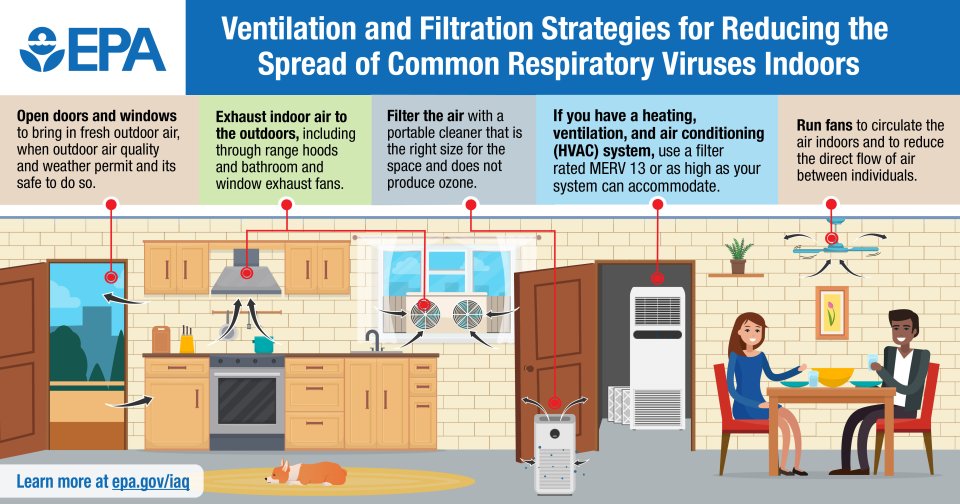
Window fans are one of the simplest and most affordable ways to stay comfortable in warm weather, but only when used correctly. They work by moving air, not cooling it, so timing and direction are everything. Use intake mode at night to pull in cool air, exhaust mode during the day to push out heat, and pair fans for cross-ventilation that cools your whole home. Seal gaps around the fan, avoid use in extreme heat or poor air quality, and maintain your fan regularly for long-term reliability. With the right setup, a window fan can keep you comfortable all summer while using a fraction of the energy of an air conditioner.