You’re driving on a sunny afternoon, and even with the AC running, your car feels like an oven. The steering wheel burns your hands, the dashboard is cracked from last summer, and glare makes every turn a strain. Sound familiar? The fix might be hiding in plain sight on your windows. Window tint isn’t just about a sleek look or privacy. It’s a high-performance shield that actively blocks heat, rejects UV rays, and improves comfort using science built into a nearly invisible film.
But how does window tint work in practice? At its core, window tint manipulates sunlight through advanced materials that reflect, absorb, and filter solar energy before it enters your car or home. It targets three parts of the sun’s spectrum: ultraviolet (UV) rays, infrared (IR) radiation, and visible light. Depending on the type, ranging from dyed to ceramic, the film uses different methods to keep interiors cooler and protected. From rejecting 99% of UV damage to cutting solar heat by up to 70%, modern tints are engineered for performance.
In this guide, you’ll learn the real science behind window tint, how different types compare, what the law allows, and why your choice matters for comfort, safety, and long-term value.
Block UV Rays and Prevent Interior Fading

Stop 99% of Harmful UV Radiation
Quality window tint blocks up to 99% of ultraviolet (UV) rays, the invisible part of sunlight responsible for skin damage and interior decay. UV radiation penetrates clear glass easily, breaking down chemical bonds in materials like leather, plastic, and fabric. Over time, this leads to cracked dashboards, faded upholstery, and brittle trim. The protective layer in quality window film contains UV inhibitors embedded in the polyethylene terephthalate (PET) base or applied as a coating. These compounds absorb and neutralize UV rays before they pass through the glass.
Even clear, non-tinted safety films can block UV up to 380 nanometers. But for full protection, especially up to 500 nm, tinted films are required. This matters greatly for people with photosensitivity conditions like lupus or skin cancer, where medical exemptions often allow darker tints.
Protect Interiors from Sun Damage
Without protection, UV exposure causes photodegradation, a process where sunlight breaks down dyes and polymers in interior materials. Carpets fade, vinyl cracks, and dashboard plastics become brittle. Window tint acts as a sunscreen for your vehicle or home, significantly slowing this deterioration. Interiors with quality film last years longer than untreated ones. For homeowners, this preserves artwork, furniture, and flooring. For drivers, it maintains resale value and comfort.
Pro Tip: Even if you prefer light tints (like 70% VLT), choose films labeled “high UV rejection” to ensure protection without darkening windows.
Reject Heat with Infrared Control
How Tint Blocks Solar Heat Gain
Solar heat enters vehicles and buildings primarily through infrared (IR) radiation, not visible light. While glass blocks some UV, it lets most IR pass through, turning enclosed spaces into greenhouses. Window tint combats this by reflecting or absorbing infrared rays before they heat the interior.
The film’s construction determines how effectively it handles heat:
– Dyed films absorb heat but don’t reflect it well.
– Metallic and ceramic films reflect IR radiation, offering superior cooling.
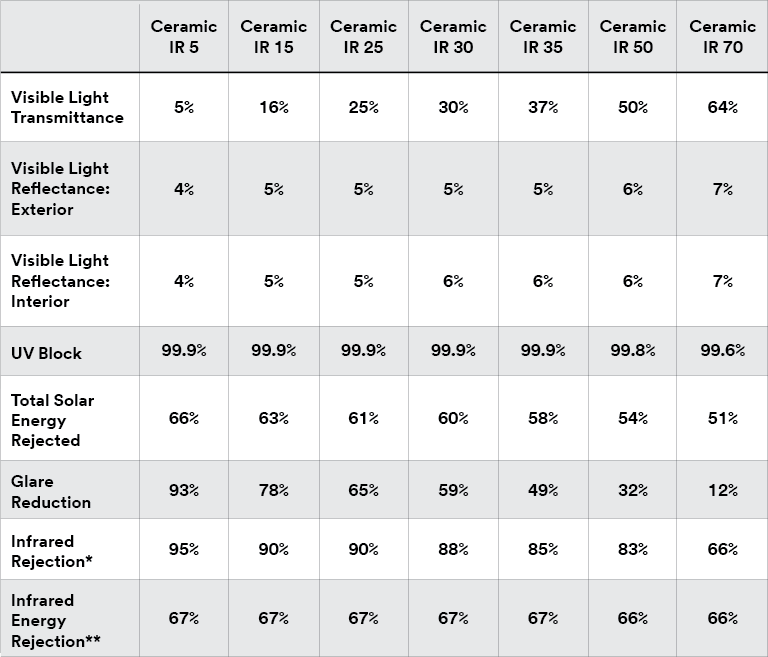
– Nano-ceramic films use non-metallic particles to block up to 95% of IR rays, making them the most efficient at heat rejection.
Total Solar Energy Rejection (TSER) measures overall performance. High-end ceramic films achieve 60–70% TSER, meaning nearly 70% of incoming solar energy stays outside. Advanced ceramic and metallic retrofits can reduce energy transmission by up to 80%.
Reduce Cabin Temperature Fast
On a 90°F day, a car’s interior can hit 130–150°F within an hour. Window tint reduces this peak temperature by 20–30°F, depending on film type and VLT. This means faster cooling when you start the engine, lower AC load, and improved fuel efficiency. In buildings, reduced solar gain cuts cooling costs by up to 30%, especially in sun-exposed rooms.
Warning: Poor-quality dyed films absorb heat but re-radiate it into the cabin over time, creating a “hot blanket” effect. Choose reflective or ceramic films for real heat control.
Control Light with VLT Technology
Understand Visible Light Transmission (VLT)
Visible Light Transmission (VLT) is the percentage of visible light that passes through the tinted glass. It defines how dark the tint appears:
– 5% VLT: “Limo black,” very dark with maximum privacy.
– 18–20% VLT: Common for side windows, balances visibility and privacy.
– 35% VLT: Light tint with a subtle look.
– 70%+ VLT: Required by law in many states for front windows.
Lower VLT means less glare and more privacy, but going too dark can impair night vision. Always match VLT to local laws and driving conditions.
Reduce Glare for Safer Driving
Bright sunlight and nighttime headlight glare strain your eyes and slow reaction times. Tint reduces glare by filtering intense light, improving contrast and visual clarity. This helps during sunrise and sunset drives, on rainy days with reflective surfaces, and in urban areas with glass-heavy buildings.
Films with neutral gray or charcoal tones offer the best glare control without distorting color perception.
Check This: If your eyes feel tired after short drives, your windows may lack sufficient tint. Upgrading to a 20–35% VLT film can make a dramatic difference.
Compare Tint Types and Performance

Choose the Right Film for Your Needs
Not all tints work the same. Each type uses different materials and methods to manage light and heat.
| Type | Heat Rejection | UV Block | Signal Interference | Lifespan | Cost |
|---|---|---|---|---|---|
| Dyed | Low | ~99% | None | 3–5 years | $ |
| Metallic | High | ~99% | Yes | 5–7 years | $$ |
| Carbon | Medium | ~99% | None | 5–8 years | $$ |
| Ceramic | Very High | ~99% | None | 10–15+ years | $$$$ |
| Hybrid | Medium | ~99% | Slight | 5–7 years | $$ |
Ceramic film is the top performer: non-reflective, non-metallic, and highly effective at blocking heat without disrupting GPS, phone, or key fob signals. It rejects 85–95% of infrared rays and maintains high visibility while providing maximum heat protection.
Avoid Common Tint Mistakes
Many buyers choose cheap dyed film to save money, only to face fading, bubbling, and poor heat control within a year. Others pick metallic tints without realizing they may block Bluetooth or navigation signals.
Avoid these pitfalls:
– Installing film that’s too dark for your state’s laws.
– Choosing “mirrored” tints that attract attention from police.
– Using ammonia-based cleaners that degrade the film.
– Rolling down windows too soon after installation (wait 3–10 days).
Pro Tip: Ask for a solar spectrum report from the installer. It shows exact UV, IR, and TSER performance rather than just marketing claims.
Follow Legal Tint Rules by State
Know Your State’s VLT Limits
Window tint laws exist for safety and law enforcement visibility. Violations can lead to fines, failed inspections, or forced removal.
Key rules by region:
– 70% VLT required: Alaska, California, Delaware, Iowa, New York, Pennsylvania, Rhode Island, and D.C.
– 65% VLT: Connecticut (with DMV sticker).
– 20% VLT allowed: New Mexico (front side windows).
– No aftermarket tint: Vermont, New Hampshire, New Jersey (on windshield and front windows).
Rear windows and SUVs often have looser rules. Always check current laws before installation.
Get Medical Exemptions if Needed
If you have lupus, melanoma, or extreme photosensitivity, many states allow darker tints with a doctor’s note. The process involves:
1. Obtaining medical documentation.
2. Applying through your DMV for a tint exemption.
3. Carrying the certificate in your vehicle.
These permits often allow 5–20% VLT on front windows, regardless of standard limits. Exemptions vary by state, and some require annual renewal.
Install Tint Professionally for Best Results
Why DIY Often Fails
While DIY kits are cheaper, they often result in bubbles, peeling, and misalignment. The biggest challenge is cleanliness. Even microscopic dust or lint can ruin adhesion. Professionals use distilled water, lint-free cloths, and precision cutting tools to ensure a flawless fit. Computer-cut films match your vehicle’s exact window shape with no guesswork. Hand-cutting risks uneven edges or gaps.
Trust the Professional Process
A proper installation takes 1.5 to 3 hours and follows strict steps:
- Clean Thoroughly: Windows are scrubbed inside and out.
- Cut to Fit: Film is cut using templates or digital cutters.
- Apply with Slip Solution: A soapy water mix allows repositioning.
- Squeegee Out Bubbles: Air and water are pressed out with firm strokes.
- Heat-Shape Curves: Heat guns shrink film to fit contoured glass.
- Cure for 3–10 Days: Adhesive bonds as moisture evaporates.
Never roll down windows during curing. Doing so can cause peeling or creasing.
Maintain Tint for Longevity
Clean Safely Without Damage
After curing, clean tinted windows with ammonia-free products. Ammonia breaks down dyes and adhesives, leading to hazing, bubbling, or discoloration. Use:
– Microfiber cloths
– Mild soap and water
– Commercial ammonia-free glass cleaners
Avoid abrasive pads or brushes that can scratch the surface. Wait 1–2 days before cleaning the interior surface after installation.
Handle Bubbles and Haze Correctly
Small bubbles or haze right after installation are normal. They disappear as water evaporates during curing. But if bubbles persist after 10 days, they may indicate poor installation. Contact your provider, since most premium films come with lifetime warranties covering defects.
Never use sharp objects to pop bubbles. This can tear the film.
Upgrade with Smart and Security Films
Use Switchable Tint for Control
Chameleon and switchable films offer next-generation functionality:
– Chameleon tint changes color with light, staying legal for windshields (75%+ VLT) while offering privacy.
– Switchable film turns from clear to opaque with a 36V AC current. Used in offices, bathrooms, or luxury vehicles for instant privacy.
Some models double as projection screens or block 94% of IR and 100% of UV.
Install Security Film for Protection
Thicker than standard tint (100–400 micrometers), security film holds glass together during break-ins, storms, accidents, and explosions. It prevents spall, or deadly glass shards, from flying. Certified films meet standards like ANSI Z.97 or CPSC 16 CFR 1201 (Cat II).
Ideal for: Homes in hurricane zones, storefronts, and high-risk vehicles.
Remove or Replace Old Tint
Peel Off Tint Safely
To remove old or illegal tint:
1. Lift a corner with a razor blade.
2. Apply heat with a hairdryer or heat gun.
3. Peel slowly while heating to loosen adhesive.
4. Scrape residue with citrus-based remover and a blade.
5. Clean glass thoroughly with ammonia-free cleaner.
Avoid using sharp tools on tempered glass edges, as they can cause cracks.
Replace When Performance Drops
Signs it’s time to replace your tint:
– Film turns purple (dyed films degrading).
– Bubbles won’t disappear after curing.
– Reduced clarity or peeling edges.
– Poor heat rejection despite dark tint.
Upgrading to ceramic film can double heat rejection and eliminate signal issues.
Frequently Asked Questions About Window Tint
What is the best type of window tint for heat rejection?
Ceramic window tint offers the best heat rejection, blocking 85–95% of infrared rays and achieving 60–70% total solar energy rejection (TSER). Nano-ceramic films use non-metallic particles to reflect and absorb heat without interfering with electronic signals like GPS or Bluetooth.
Does window tint really block 99% of UV rays?
Yes, high-quality window films (ceramic, carbon, metallic, and hybrid) block up to 99% of harmful UV rays. This protection comes from UV inhibitors embedded in the polyester base or applied as a surface coating. Even clear safety films can block UV up to 380 nanometers, but tinted films are needed for protection up to 500 nm.
What does VLT mean for window tint?
Visible Light Transmission (VLT) is the percentage of visible light that passes through tinted glass. A 5% VLT (limo black) allows only 5% of light through, while 70% VLT allows most light through. Lower VLT means darker tint, more privacy, and greater glare reduction, but it may impair night vision if too dark.
Is window tint legal in all states?
No, window tint laws vary by state. Seven states (Alaska, California, Delaware, Iowa, New York, Pennsylvania, Rhode Island) and D.C. require 70% VLT on front windows. Vermont, New Hampshire, and New Jersey prohibit aftermarket tint on windshields and front windows. Always check your local regulations before installation.
How long does window tint last?
Standard dyed and metallic films last about 5 years. High-quality ceramic and multi-ply films can last 10–15 years or more. Premium films often come with lifetime warranties covering bubbling, cracking, peeling, and discoloration.
Can I install window tint myself?
DIY kits are available, but professional installation is recommended. The process requires extreme cleanliness and precision. Even microscopic dust can cause bubbles or poor adhesion. Professional installation typically takes 1.5–3 hours and includes computer-cut templates for exact fits.
Key Takeaways for Understanding Window Tint
Window tint works by combining smart materials science with layered film construction to control sunlight. Quality films block up to 99% of UV rays, reject 60–70% of total solar energy, and reduce cabin temperatures by 20–30°F. Ceramic films deliver the best overall performance with zero signal interference, while dyed films offer budget-friendly basic protection.
Before choosing your tint, verify your state’s VLT laws, request a solar spectrum report from your installer, and budget for professional application. A standard sedan tint runs $250–$500, while premium nano-ceramic films on SUVs can exceed $1,000. The right film protects your health, preserves your interior, and pays for itself through lower cooling costs and longer-lasting upholstery. Start by getting quotes from certified installers in your area and ask specifically about ceramic or nano-ceramic options for maximum benefit.