Waking up to harsh morning sunlight, struggling to nap during the day, or trying to create a home theater experience? If you’re searching for ways to block window light, you’re not alone. Millions of people, from shift workers and new parents to movie lovers and energy-conscious homeowners, need reliable solutions to control sunlight. The right method can transform your space, delivering total darkness, reducing heat gain, preventing glare, and even lowering energy bills.
But not all window treatments are created equal. A sheer curtain might dim the light, but it won’t stop the sun from flooding your bedroom. True light blocking requires strategic choices in materials, installation, and design. Whether you’re in a rental or own your home, this guide breaks down every proven method, from budget DIY hacks to high-performance smart systems, so you can pick the best solution for your needs, budget, and lifestyle.
Choose the Right Blackout Curtains

Blackout curtains are the most popular and effective way to block window light, especially for bedrooms and media rooms. Designed to stop nearly 100% of incoming light, they use dense, tightly woven fabrics like polyester or velvet with special linings that absorb or reflect sunlight.
Pick High-Density, Lined Fabrics
Opt for triple-weave or thermal-lined blackout curtains for maximum performance. These include a bonded foam or acrylic suede backing that blocks light and adds insulation. Unlike standard drapes, which only filter light, true blackout curtains eliminate visibility from outside and prevent interior light from escaping at night.
Avoid lightweight or loosely woven materials like linen. They may soften the glare but won’t deliver total darkness. Look for product labels that specify “100% blackout” or “room-darkening” with a light transmission rate below 1%.
Install Wrap-Around Rods to Seal Gaps
Even the best curtains fail if light leaks around the edges. Side gaps are the number one cause of unwanted light entry. Fix this with a wrap-around curtain rod, a curved or extended rod that angles the drape back toward the wall, allowing the fabric to cover the window frame completely.
For full coverage:
– Extend the rod at least 3 inches beyond the window frame on each side
– Mount the rod 4 to 6 inches above the top of the window
– Let the curtains pool slightly on the floor to block under-light
This setup creates a light-sealed pocket around the window, essential for shift workers or light-sensitive sleepers.
Layer for Total Darkness
For ultimate light control, layer two sets of curtains:
1. Inner sheer curtains for daytime privacy and soft light
2. Outer blackout drapes for nighttime darkness
Alternatively, hang a standalone blackout liner behind your decorative curtains using clip rings. This dual-layer approach combines style and function without sacrificing aesthetics.
Apply Window Films for Permanent Light Control

Window films offer a clean, modern way to block light directly on the glass. They’re ideal for preserving views while reducing glare, heat, and UV exposure, perfect for living rooms, offices, and rental units.
Use Blackout or Static Cling Films
Blackout window film blocks 99 to 100% of light and turns your window into a solid surface. Available in static cling versions, these films stick without adhesive, peel off cleanly, and leave no residue, ideal for renters.
For temporary use, frosted or translucent privacy films reduce light entry by 70 to 80% while maintaining a soft, diffused glow. They also obscure outside views, adding privacy without total darkness.
Install Films for Bubble-Free Results
Proper installation is critical. Follow these steps:
1. Clean the glass thoroughly with soapy water
2. Spray the window with a solution of water and a drop of dish soap
3. Cut the film slightly larger than the pane
4. Apply the film and use a squeegee to press out water and air bubbles
5. Trim excess with a utility knife
Pro tip: Work in a dust-free environment and avoid direct sunlight during application to prevent premature drying.
Choose Smart Films for Heat and UV Protection
For homes focused on energy efficiency, consider:
– Spectrally selective film: Blocks UV and infrared (heat) while letting visible light through, keeping rooms bright but cool
– Solar-control tinted film: Reduces glare and heat by up to 75%, according to the U.S. Department of Energy
– Daylight-redirecting film: Reflects sunlight away from beds or screens while illuminating other areas
These films protect furniture from fading and reduce AC load, especially on west- and south-facing windows.
Install Blackout Blinds and Shades
Blinds and shades offer precise, adjustable light control. When designed for blackout performance, they can rival curtains in effectiveness, especially when installed correctly.
Pick Magnetic or Framed Blackout Shades
Magnetic blackout shades use edge magnets to create a tight seal against the window frame, eliminating light leaks at the corners and sides. These are ideal for large or hard-to-reach windows.
Framed blackout blinds feature a rigid perimeter that fits snugly within or around the window, forming a complete light barrier. They’re excellent for skylights or picture windows where even small gaps ruin the effect.
Mount Outside the Frame for Full Coverage
An inside mount fits within the window frame for a clean look but often leaves small gaps. For total blackout, choose an outside mount:
– Measure the full width of the window, including trim
– Add 2 to 3 inches on each side
– Extend 4 to 6 inches above the top
This ensures the shade overlaps the entire opening, blocking side and top light leaks.
Use LightLock or Side Panels to Seal Gaps
Even well-installed blinds can leak light. Fix this with:
– L-shaped PVC light-blocking strips attached to the frame
– Stationary side panels mounted beside the window
– LightLock systems, which are proprietary side channels that guide the shade into a sealed track
These accessories are game-changers for light-sensitive environments.
Automate with Motorized Smart Shades
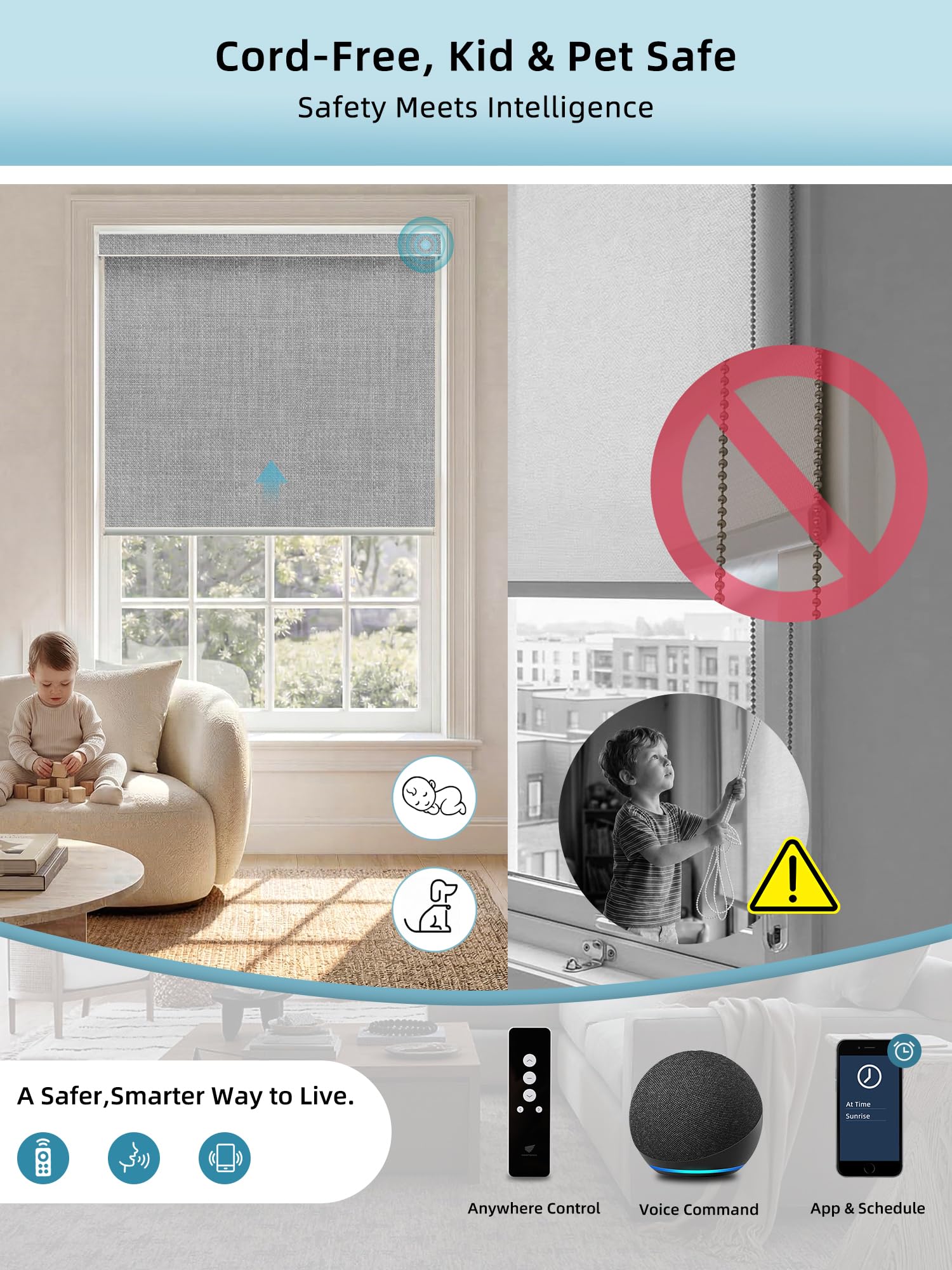
For convenience and precision, motorized shades let you control light with a tap, voice command, or timer, perfect for hard-to-reach windows or consistent routines.
Set Schedules for Sunrise Simulation
Program shades to:
– Close automatically at bedtime
– Open gradually 30 minutes before wake-up time to simulate sunrise
– Adjust based on sunlight intensity or time of year
This is especially helpful for parents managing children’s sleep or shift workers regulating circadian rhythms.
Control via App or Voice Assistant
Top models integrate with:
– Amazon Alexa
– Google Home
– Apple HomeKit
Use voice commands like “Alexa, close the bedroom shades” or control them remotely while away. Some systems even sync with smart lights and thermostats for full environmental control.
Choose Cordless for Safety
Motorized shades are inherently cordless, eliminating strangulation risks for kids and pets. If using manual blinds, always select cordless lift systems for safety and ease of use.
Use Exterior Solutions to Block Heat and Light

Blocking sunlight before it hits the glass is the most effective way to reduce heat gain and glare. Exterior methods act as the first line of defense.
Install Retractable Awnings
Awnings block direct overhead sun, especially on south- and west-facing windows. Retractable models offer flexibility. Extend them in summer to shade patios and living areas, then retract in winter to allow warming sunlight.
Proper angling ensures they block high summer sun while letting in low winter rays. They can reduce solar heat gain by up to 77%, according to the U.S. Department of Energy.
Add Solar Screens for View Preservation
Solar screens (also called sun screens) are mesh panels installed over windows like screens. They absorb up to 80% of solar heat and reduce glare while maintaining outward visibility, like sunglasses for your house.
Available in different openness factors (3%, 5%, 10%), darker weaves block more light and heat. They’re ideal for decks, sunrooms, and living areas where you want light control without losing the view.
Try Budget and DIY Fixes
If you’re renting, on a tight budget, or need a temporary fix, several low-cost methods deliver total darkness.
Make a Foil and Cardboard Panel
Cut cardboard to fit your window, then cover it with aluminum foil (shiny side out). Tape it in place or use a tension rod to hold it inside the frame. This reflects sunlight and blocks all light transmission.
Pros: 100% effective, removable, no tools needed
Cons: Not attractive, best for temporary use
Hang Heavy Blankets or Tapestries
Drape a thick moving blanket, quilt, or tapestry over the window using curtain rods or adhesive hooks. This is a quick, removable solution that also adds sound insulation.
Build Custom Foam Board Panels
Cut foam board or plywood to fit snugly in the window frame. Cover with black fabric or paint it flat black. Slide into place at night and store during the day.
These panels can be customized to match your decor and are easy to remove, perfect for renters.
Seal Light Leaks and Improve Efficiency
Even the best systems fail if light sneaks through gaps. Addressing these leaks can dramatically improve performance.
Apply Weatherstripping to Close Gaps
Use adhesive foam weatherstripping tape or V-seal strips around window frames to seal cracks between the wall and blinds or curtains. This stops light leaks and improves insulation.
Combine Treatments for Maximum Effect
Layering is the key to total control:
– Film + curtains: Block heat and UV with film, add darkness with drapes
– Shades + side panels: Seal edges and eliminate gaps
– Blinds + blackout liner: Add insulation and noise reduction
This multi-barrier approach is used in home theaters and professional sleep labs.
Match Solutions to Your Needs
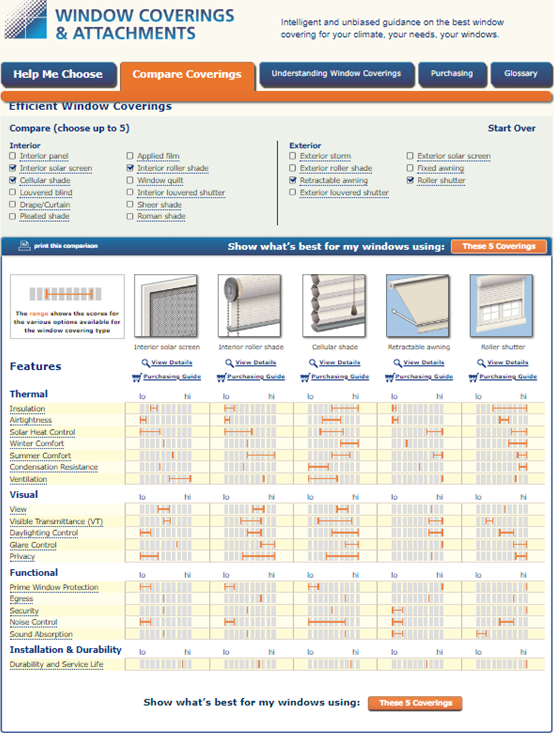
Your ideal light-blocking method depends on your specific goals.
For Shift Workers: Total Darkness
Use magnetic blackout shades plus wrap-around blackout curtains plus weatherstripping. Close all layers at night and seal every edge.
For Parents: Gradual Wake-Up Control
Install motorized shades with a sunrise schedule. Use cordless, fire-resistant designs for safety.
For Renters: No-Damage Options
Choose static cling blackout film, tension rod curtains, or DIY foam panels. Avoid drilling; use adhesive hooks or tapes.
For Energy Savings: Stop Heat at the Source
Prioritize exterior solar screens or retractable awnings, followed by spectrally selective window film and thermal-lined curtains.
For View Lovers: Glare Reduction Without Blackout
Use solar screens or spectrally selective film to block heat and UV while keeping the view clear.
Maintain and Troubleshoot Your System
Even the best setups need care. Follow these tips to keep your light-blocking system effective.
Clean Without Damaging
- Films: Use non-abrasive cleaners and soft cloths
- Curtains: Spot clean or machine wash on gentle; check labels
- Cellular shades: Vacuum with a brush attachment to remove dust
Fix Common Issues
| Issue | Cause | Solution |
|---|---|---|
| Light leaks at sides | Gaps in mounting | Use outside mount, add side panels or light-blocking strips |
| Room still hot | Heat entering through glass | Add exterior screens or solar film |
| Shades won’t stay down | Worn mechanism | Replace or upgrade to motorized system |
| Film peeling | Poor adhesion or moisture | Reapply or consider professional installation |
Frequently Asked Questions About Blocking Window Light
What is the most effective way to block window light completely?
The most effective method combines blackout curtains on a wrap-around rod with magnetic or framed blackout shades. Adding weatherstripping around the edges seals remaining gaps for total darkness.
Can renters block window light without damaging the property?
Yes. Static cling blackout film, tension rod curtains, and DIY foam board panels all provide effective light blocking without drilling or permanent installation. These options peel away cleanly when it’s time to move.
Do blackout curtains help reduce heat in a room?
Thermal-lined blackout curtains can significantly reduce heat gain, especially on west-facing windows. They block up to 99% of light while adding an insulating layer that keeps rooms cooler in summer and warmer in winter.
How do I stop light from leaking around the edges of blinds?
Switch to an outside mount that overlaps the window frame by 2 to 3 inches on each side. Add L-shaped PVC light-blocking strips or stationary side panels to seal any remaining gaps.
What window film blocks the most heat without darkening the room?
Spectrally selective film blocks UV and infrared rays (heat) while allowing visible light to pass through. It reduces solar heat gain by up to 75% without sacrificing natural brightness or outside views.
Are motorized shades worth the investment for light blocking?
Motorized shades offer unmatched convenience for consistent light control. You can schedule them to close at bedtime and open gradually before wake-up, making them ideal for shift workers, parents, and anyone with hard-to-reach windows.
Final Thoughts on Choosing the Best Window Light Blocking Method
Blocking window light doesn’t require a one-size-fits-all solution. The best approach depends on whether your priority is total darkness, heat reduction, glare control, or preserving your view. For most homeowners, layering treatments delivers the strongest results: combine blackout curtains with tight-sealing shades, or pair window film with exterior solar screens for maximum efficiency.
Start by identifying your primary need, then measure your windows carefully using a steel tape measure. Seal every gap with weatherstripping or side panels, and don’t overlook the importance of proper mounting style. With the right combination of materials and installation techniques, you can transform any sun-drenched room into a dark, cool, and comfortable space that supports better sleep, lower energy bills, and everyday comfort.