Few spots in a home invite relaxation like a well-designed window seat. Whether nestled in a sunlit bay or tucked beneath a dormer, this cozy perch doubles as functional seating, hidden storage, and a design focal point. With the right touches, your window seat becomes the most coveted spot in the house, perfect for reading, napping, or sipping morning coffee.
If you’re wondering how to decorate a window seat that’s both beautiful and practical, you’re in the right place. From layout and cushion selection to lighting and styling, this guide walks you through every step to create a personalized retreat that maximizes space, comfort, and style.
Plan Your Window Seat Layout and Dimensions
Before diving into pillows and paint, assess your space and goals. A successful window seat starts with smart planning tailored to your window type, room function, and lifestyle.
Match the Seat to Your Window Type
Different windows call for different designs. Choosing the right configuration ensures your seat feels natural and functional in its setting.
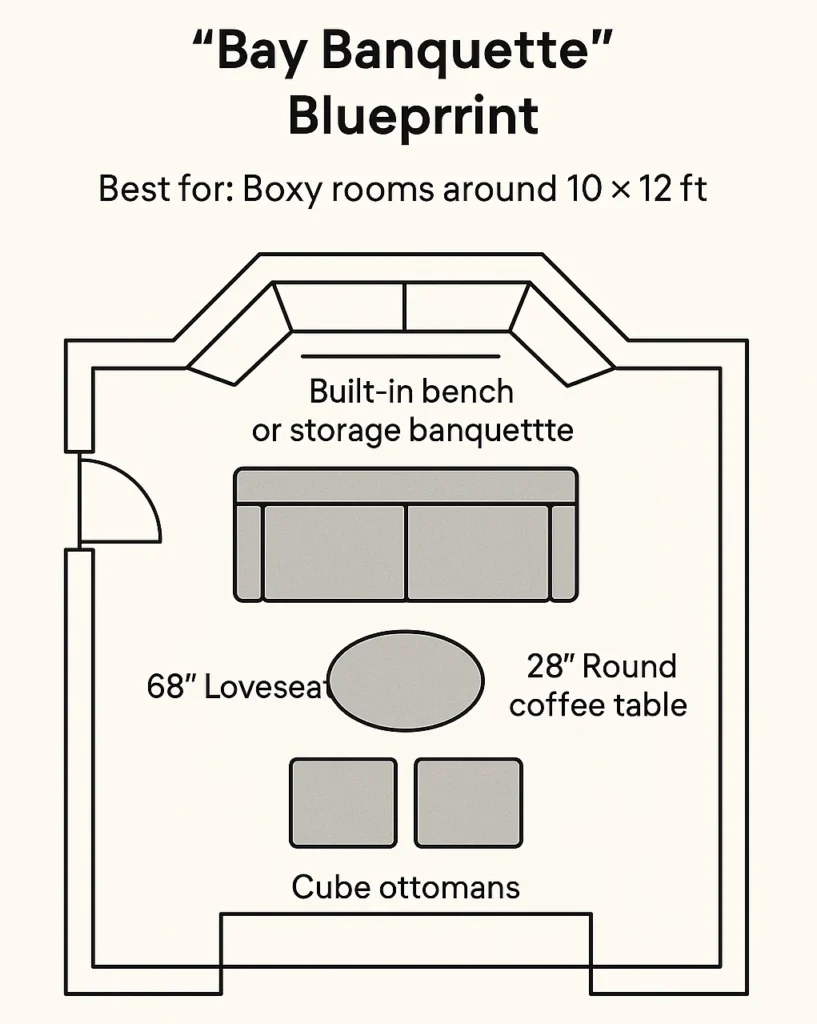
- Bay windows are ideal for built-in seating, offering a wraparound view and ample depth for lounging. Custom carpentry may be needed to follow the angles.
- Picture windows demand a minimalist approach. Keep the seat low and neutral so it doesn’t compete with the view.
- Dormer or attic windows create snug reading nooks. Maximize depth under sloped ceilings for full-body comfort.
- Corner windows allow for L-shaped seats that capture light from two directions and make efficient use of dead space.
- Arched windows require curved benches or upholstery to echo the architectural lines, perfect for making a statement.
Even basement or high-set windows can anchor a seat. While views may be limited, natural light still enhances the space.
Optimize Height, Depth, and Length
Proper dimensions ensure comfort and usability for everyone who uses the seat.
- Height: Aim for 18 to 23 inches, which matches standard chair height, for easy sitting and standing. Higher seats (22 to 24 inches) help those with mobility concerns.
- Depth: Minimum 24 inches for sitting; 36 inches or more for lying down. In tight spaces, a shallower seat with thick cushions works, but deep benches double as daybeds.
- Length: Extend wall-to-wall for maximum seating, or keep it within the window frame for a tailored look. In guest rooms, a seat between twin beds can replace nightstands.
Measure twice. Build (or buy) once.
Choose a Design Based on Room Function
Tailor your window seat’s design to its location and purpose for maximum impact.
- Bedrooms: Ideal for reading nooks or extra sleeping space. In master suites, pair with deep drawers for linen storage.
- Mudrooms: Use a chunky wood or painted bench for removing boots. Add hooks and cubbies nearby for coats and bags.
- Home offices: Create a quiet retreat for thinking or napping. Deep greens or moody grays add focus without blocking light.
- Dining rooms: Install a banquette-style seat with a small table that fits 3+ people and stores tableware underneath.
- Nurseries: Swap the rocking chair for a window seat, perfect for feeding, burping, or watching baby play.
Think of your window seat not just as seating, but as a multitasking design solution.
Choose Your Seat Type and Build Method
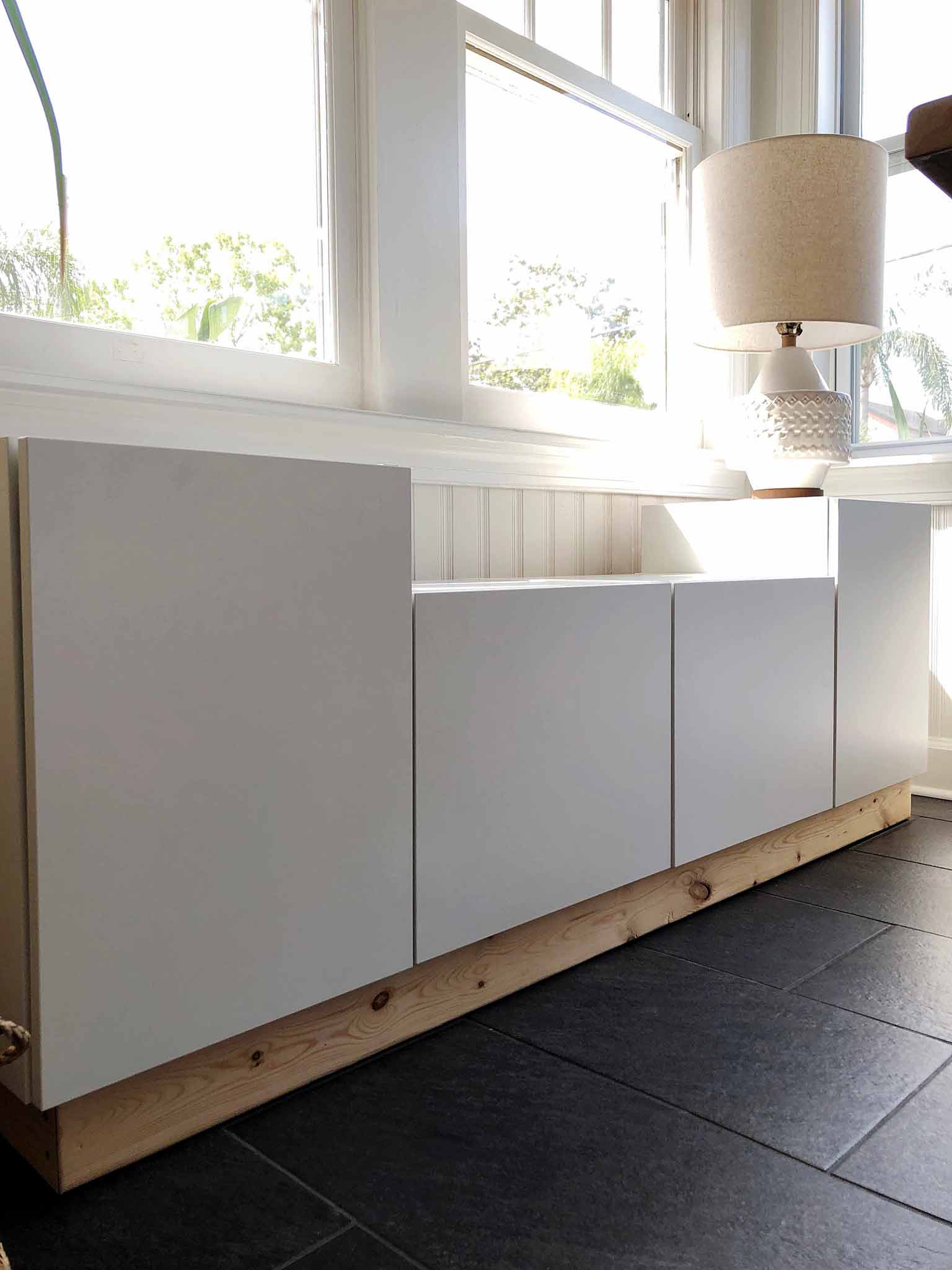
You don’t need to tear out walls to enjoy a window seat. Whether you’re renovating or renting, there’s a build method that fits your situation.
Built-In Bench for Permanent Style
A custom-built seat blends seamlessly into your architecture and maximizes space.
- Constructed directly into the alcove, it can hide radiators, HVAC units, or electrical boxes behind perforated wood panels.
- Ideal for new construction or major renovations.
- Pair with flanking bookshelves or cabinets for a library-like enclosure.
While more expensive, a built-in looks original to the home and adds long-term value.
Freestanding or Floating Bench for Flexibility
No construction? No problem. Several options work beautifully without permanent installation.
- Freestanding loveseats or daybeds placed beneath the window offer comfort without commitment. Wedge an upholstered bench into a corner for stability.
- Floating benches (thick wood slabs or upholstered boxes mounted to the wall) create a modern, airy look. Great for small mudrooms or minimalist spaces.
- Daybed hybrids use a mattress on a low frame or directly on the floor for dual-purpose guest sleeping.
These options are perfect for renters or quick updates.
Renters: Fake the Built-In Look with IKEA Hacks
You can achieve a custom appearance without permanent changes using modular furniture.
- IKEA SEKTION cabinets make sturdy, storage-rich bases. Add a countertop and cushions to mimic a banquette.
- Flipped KALLAX units serve as the front of the seat. Use baskets for toy or blanket storage.
- BESTA units offer sleek, modular designs that can be arranged in L-shapes or straight runs.
- NORDLI dressers are low-profile and strong, ideal for corner windows.
- ALEX drawers combined with BESTA shelves create custom-depth seating.
Pro tip: Paint the top of your DIY bench to match the window frame. Flank with matching side tables to create a seamless, built-in illusion.
Maximize Storage and Function

A window seat isn’t just for sitting. It’s a stealth storage powerhouse that can declutter your entire room.
Add Under-Seat Storage
Use the space beneath for hidden, organized storage that keeps clutter out of sight.
- Hinged lids open for bulky items like blankets, seasonal decor, or pet supplies.
- Drawers (front or side-access) keep shoes, toys, or linens neatly tucked away without moving cushions.
- Open shelving works well in playrooms or mudrooms. Add woven baskets for quick access.
In entryways, use the seat for shoe storage. In studios, hide art supplies or equipment.
Build Flanking Shelves for Display
Install floor-to-ceiling bookshelves on either side of the seat to create a cozy, book-filled nook.
- Use glass-front cabinets for collectibles or china in dining rooms.
- Open shelves in kids’ rooms hold toys and books within easy reach.
- Paint shelves the same color as the seat for a unified, built-in look.
This “sandwich” effect frames the window and turns the seat into a retreat.
Design for Dual Use
Think beyond seating to multiply your window seat’s value.
- In guest rooms, make the seat deep and long enough to serve as a bed. Add a trundle or fold-out mattress.
- In home offices, use it as a secondary desk with a lap desk or tablet holder.
- In bathrooms, place between vanities for a spa-like perch to dry off or paint toenails.
The more functions it serves, the more valuable it becomes.
Design for Comfort and Warmth

A beautiful seat is useless if it’s uncomfortable. Prioritize cushioning, support, and temperature control.
Choose the Right Cushions
Start with high-quality foam, 3 to 4 inches thick, for lasting comfort.
- Memory foam molds to your body, ideal for long reading sessions.
- Tufted box cushions stay plump, resist sagging, and prevent shifting. French tufting adds elegance.
- DIY option: Cut foam to size, wrap in fabric, and secure with Velcro or staples. No sewing needed.
For a guest bed, use a large ready-made cushion (such as 27″ x 74″) or a thin mattress.
Pick Durable, Cozy Fabrics
Select textiles based on use and traffic in the room.
- Performance velvet is soft, stain-resistant, and holds up well in homes with kids and pets.
- Bouclé, faux fur, or wool blends add texture and warmth, perfect for reading nooks.
- In mudrooms or kitchens, choose wipeable fabrics or wood tops that handle moisture and dirt.
Avoid delicate silks or linens in high-use areas.
Layer with Pillows and Throws
Pillows let you customize comfort and refresh style seasonally.
- Mix bolster pillows (for back support) with square throw pillows in varying sizes.
- Layer textures: velvet, knit, and linen create visual interest.
- Store extra blankets in floor baskets or under-seat compartments.
Toss them on casually or stack neatly. Either way, they make the seat feel lived-in and inviting.
Control Temperature and Light
Make the seat usable year-round with thoughtful adjustments.
- Over radiators? Build the seat above it and use perforated wood covers to allow heat flow while hiding the unit.
- In sunny rooms? Choose breathable fabrics to prevent overheating. Add sheer curtains to diffuse harsh light.
- In cold climates? Use thick cushions and keep a wool throw nearby.
Comfort isn’t just about softness. It’s about usability in every season.
Style with Color, Texture, and Light
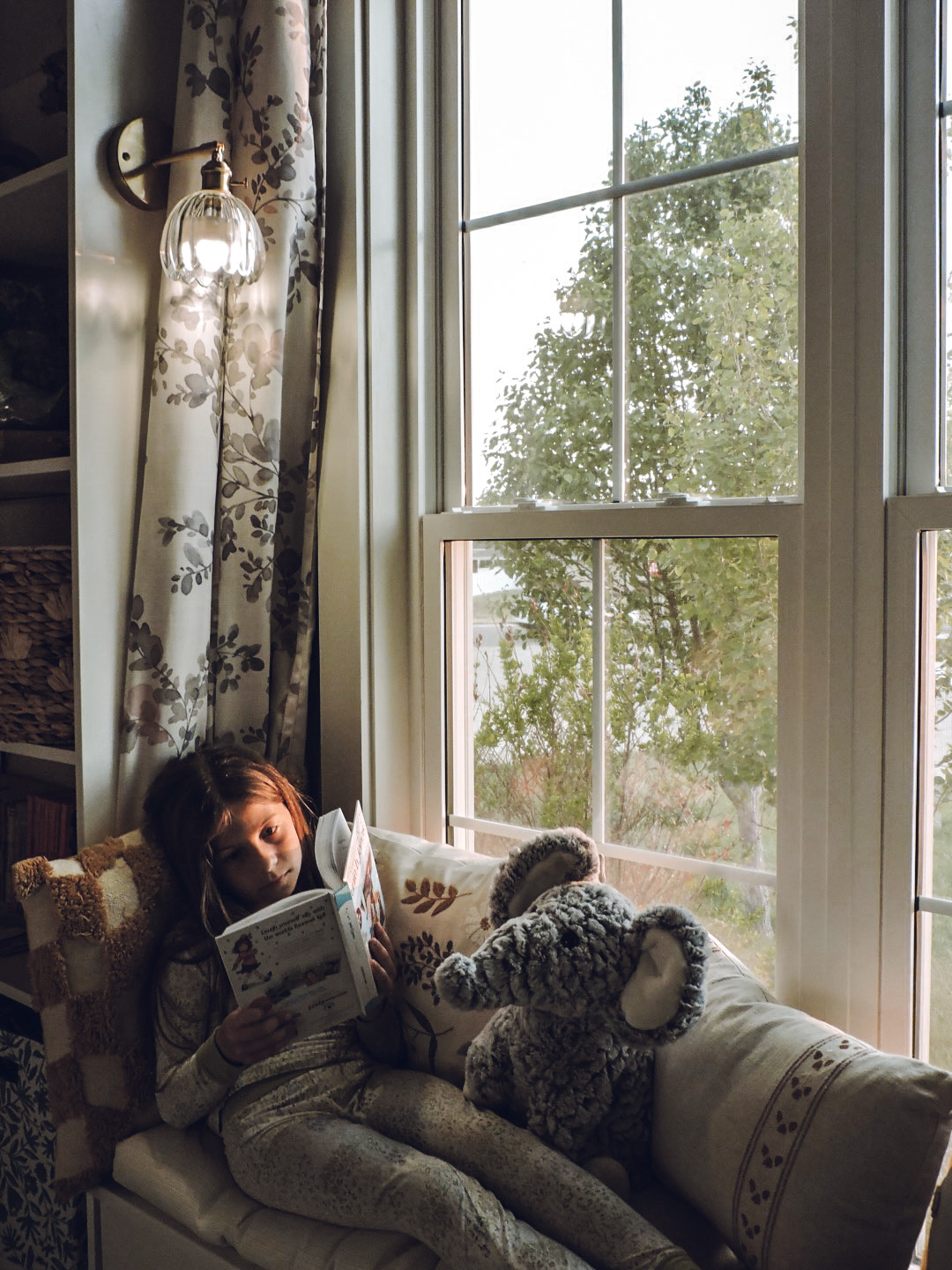
Now for the fun part: making it beautiful and reflective of your personal taste.
Select a Cohesive Color Scheme
Your palette sets the mood for the entire nook.
- Neutral (white, gray, pale wood): Keeps focus on the view. Perfect for modern apartments or scenic locations.
- Moody (deep green, charcoal, navy): Creates a cozy, cocoon-like feel. Farrow & Ball’s Bancha or Mountain Green are popular choices.
- Coastal (white seat, blue pillows, natural textures): Evokes beachside relaxation.
- Playful (bright orange, bold patterns): Ideal for kids’ rooms or energetic spaces.
- Traditional (blue and white stripes, beadboard): Classic and timeless.
Anchor mixed patterns with a unifying color, like various blues or earth tones.
Add Architectural Details
Elevate the seat with design elements that blend form and function.
- Casing or molding around the seat creates a defined nook. Simple lines feel modern; ornate trim adds traditional charm.
- Paint the seat a soothing sage green or deep charcoal to add color without overwhelming.
- Live-edge wood slabs or polished wood tops bring warmth and eliminate the need for upholstery in high-traffic zones.
- Carved details in mudrooms add English country character.
Even small touches make a big difference.
Hang Curtains or Shades
Window treatments enhance privacy, light control, and style.
- Full curtains around the seat create a private “cocoon” for napping or reading.
- Cafe curtains offer partial privacy while keeping views open. Pair with shutters for charm.
- Roman shades soften the look; patterned ones can echo wallpaper or pillow designs.
- Bamboo shades add texture and work well in coastal or casual spaces.
- Shutters (interior or exterior) provide clean lines and adjustable light.
Hang curtains high and wide to make the window and seat feel larger.
Install Task and Ambient Lighting
Natural light is great, but you’ll need artificial light for evenings.
- Wall sconces free up surface space and provide focused reading light. Polished brass or black finishes add elegance.
- Pendant lights (especially rise-and-fall styles) draw the eye upward and highlight ceiling height.
- String lights or small table lamps on side tables add warmth for nighttime use.
Avoid floor lamps. They take up valuable space.
Accessorize and Personalize
The final step: turn structure into sanctuary with meaningful details.
Add Plants and Greenery
Even without a view, a window seat feels alive with plants.
- Place potted herbs or succulents on the sill.
- Use tall floor plants (like fiddle-leaf figs) behind the seat to add height and privacy.
- Hang trailing pothos or ivy from shelves above.
Greenery softens hard edges and improves air quality.
Display Meaningful Decor
Make it personal with items that tell your story.
- Stack favorite books on a tray or nearby shelf.
- Add a small vase with fresh flowers or dried branches.
- Hang modern art above the seat to create a focal wall, especially effective in period homes needing a contemporary touch.
- Use a tray to hold tea, a candle, or a puzzle for quiet afternoons.
These small touches signal: this is a place to pause.
Layer in Rugs and Textiles
Anchor the space with flooring that ties everything together.
- Place a cream jacaranda rug or a Robert Stephenson design nearby to add color and texture.
- Choose a rug large enough to extend under the front legs of the seat (if freestanding) or in front of a built-in.
- In playrooms, use washable, durable rugs that handle spills and foot traffic.
A well-chosen rug ties the entire vignette together.
Frequently Asked Questions About Window Seats
What is the ideal height for a window seat?
The optimal height for a window seat is between 18 and 23 inches, matching standard chair height. For those with mobility concerns, building a taller seat (22 to 24 inches) makes sitting down and standing up easier.
How deep should a window seat be for napping?
For sitting, a minimum depth of 24 inches works. If you plan to nap or lie down, aim for at least 36 inches of depth so an adult can stretch out comfortably.
Can renters create a built-in window seat look?
Yes. Using IKEA hacks with KALLAX, BESTA, SEKTION, NORDLI, or ALEX units, renters can build a custom-looking seat without permanent construction. Paint the top to match the window frame and flank with matching side tables for a seamless illusion.
What fabrics work best for window seats in homes with kids or pets?
Performance velvet is a top choice because it’s soft, stain-resistant, and durable. Bouclé, faux fur, and wool blends add warmth for reading nooks. In mudrooms or kitchens, wipeable fabrics or wood tops handle moisture and dirt best.
How do I handle a window seat built over a radiator?
Build the seat above the radiator and use perforated wood covers to hide the unit while allowing heat to circulate. This keeps the seat warm and usable in winter without blocking airflow.
What lighting works best for a window seat reading nook?
Wall sconces provide focused reading light without taking up surface space. Pendant lights (especially rise-and-fall styles) add ambient light and draw attention to ceiling height. Avoid floor lamps, which consume valuable floor space.
Key Takeaways for Decorating Your Window Seat
:strip_icc()/cozy-window-seat-9g9Tb-o_qX_Axktn0VAzAU-ab8f08bcf2c4458aa2afeab505f999f3.jpg)
A window seat is more than a bench. It’s a lifestyle upgrade that adds comfort, storage, and style to any room. The most important factors are matching the seat to your window type and room function, prioritizing comfort with thick cushions and supportive pillows, and maximizing storage in tight spaces.
Whether you build custom, hack IKEA, or simply style a loveseat, the key is balancing function and beauty. Style with lighting, color, and personal touches that make it uniquely yours. Once complete, you’ll find yourself, and your family, drawn to this quiet corner again and again.
The best seat in the house isn’t by the fireplace or TV. It’s right by the window.