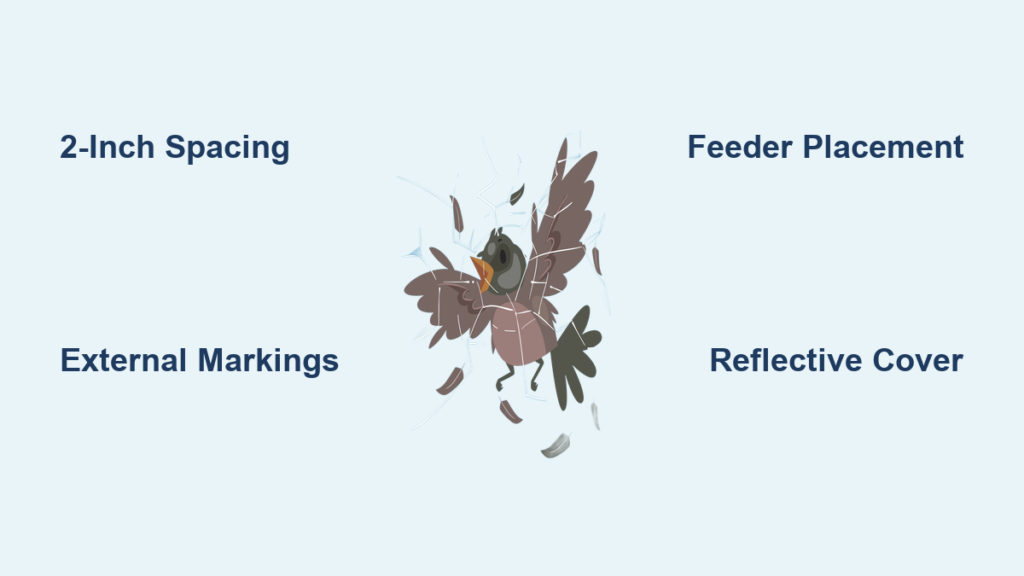
Every year, over 1 billion birds die from colliding with windows in the United States alone. These tragic strikes happen because birds don’t recognize glass as a barrier. To them, a clear or reflective window looks like open sky, a tree-lined path, or even a rival bird in their territory. If you’ve noticed a bird repeatedly flying into your window, whether it’s a fatal impact or a persistent attacker, it’s time to act. The good news is that bird-window collisions are preventable with the right strategies.
This guide gives you science-backed, field-tested solutions to stop birds from hitting your windows. You’ll learn exactly how to break up reflections, apply effective markings, reposition feeders, and choose the best deterrents based on real data and proven results. Whether it’s a single aggressive cardinal in spring or migratory birds striking at night, you’ll find actionable steps that work immediately and last.
Identify the Collision Type
Before choosing a fix, determine if the bird is colliding with the window or attacking its reflection. The solution depends on the behavior.
Collision: Bird Hits Window and Falls
This is a life-threatening impact. The bird likely sees the glass as a flight path, either through a clear pane or reflected vegetation. These strikes often occur:
– During migration (dawn/dusk)
– Near feeders or birdbaths
– On sunny days when reflections are strongest
Focus on making the glass visible using external markings, screens, or films.
Territorial Attack: Bird Pecks or Strikes Repeatedly
Common in spring and summer, birds like Northern Cardinals and American Robins see their reflection and mistake it for an intruder. They return daily, wasting energy and risking injury.
Eliminate the reflection completely with temporary coverings or movement-based deterrents.
Apply the 2×4 Rule for Maximum Protection

The most effective way to prevent collisions is following the 2×4 rule: visual markers must be spaced no more than 2 inches apart horizontally and vertically.
Why Spacing Matters
Birds will attempt to fly through any gap larger than 2 inches, assuming it’s a clear path. Widely spaced decals, even predator silhouettes, are not effective.
Markings Must Be on the Outside
Glass reflects on its outer surface. Interior decals, blinds, or films do not work because they don’t disrupt the external reflection birds see.
Pro Tip: If you can see your reflection in the window from outside, birds see trees or sky and are at risk.
Use Exterior Markings and Decals
External markings are the most accessible and affordable retrofit solution.
Paint Vertical Lines with a White Marker
- Use a white paint pen (porcelain marker) to draw vertical lines on the outside of the glass.
- Space lines exactly 2 inches apart.
- One homeowner reported zero strikes after two years using this method.
Apply DIY Tape or Soap
- Masking tape strips: Apply cream-colored tape vertically every 2 inches on the exterior.
- Soap streaks: Rub bar soap in dense lines or swirls on the outside. Washes off in rain, ideal for short-term use.
Choose Effective Commercial Decals
- FeatherFriendly dots: Small, spaced stickers proven 100% effective when applied at 2-inch intervals.
- UV-reflective decals: Nearly invisible to humans but highly visible to birds. Must still follow spacing rules.
- Avoid hawk silhouettes unless used densely. Single decals are ineffective.
Install External Screens or Mesh
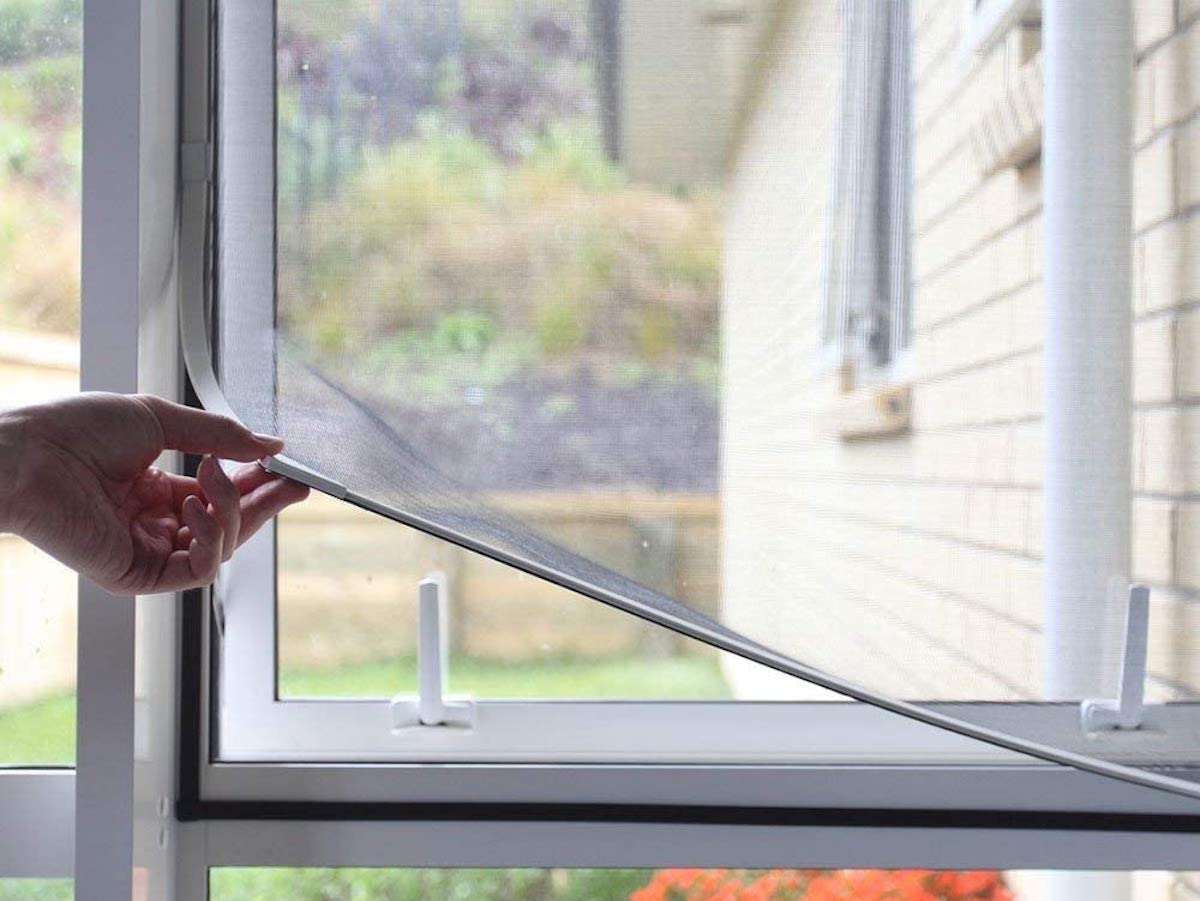
Screens are one of the most reliable long-term solutions.
How Screens Work
- Mounted 1 inch from the glass, they act as a soft barrier.
- Birds hit the screen, not the glass, preventing injury.
- Reduce reflectivity by breaking up the mirror-like surface.
Types and Tips
- Standard window screens: Leave them on year-round for continuous protection.
- Bird-safe mesh: More durable and tighter weave than standard screens.
- Climate caution: In icy areas, inspect for damage from icicles or wind.
Note: Interior screens alone are not sufficient. The reflection must be broken from the outside.
Use Window Films and Coatings
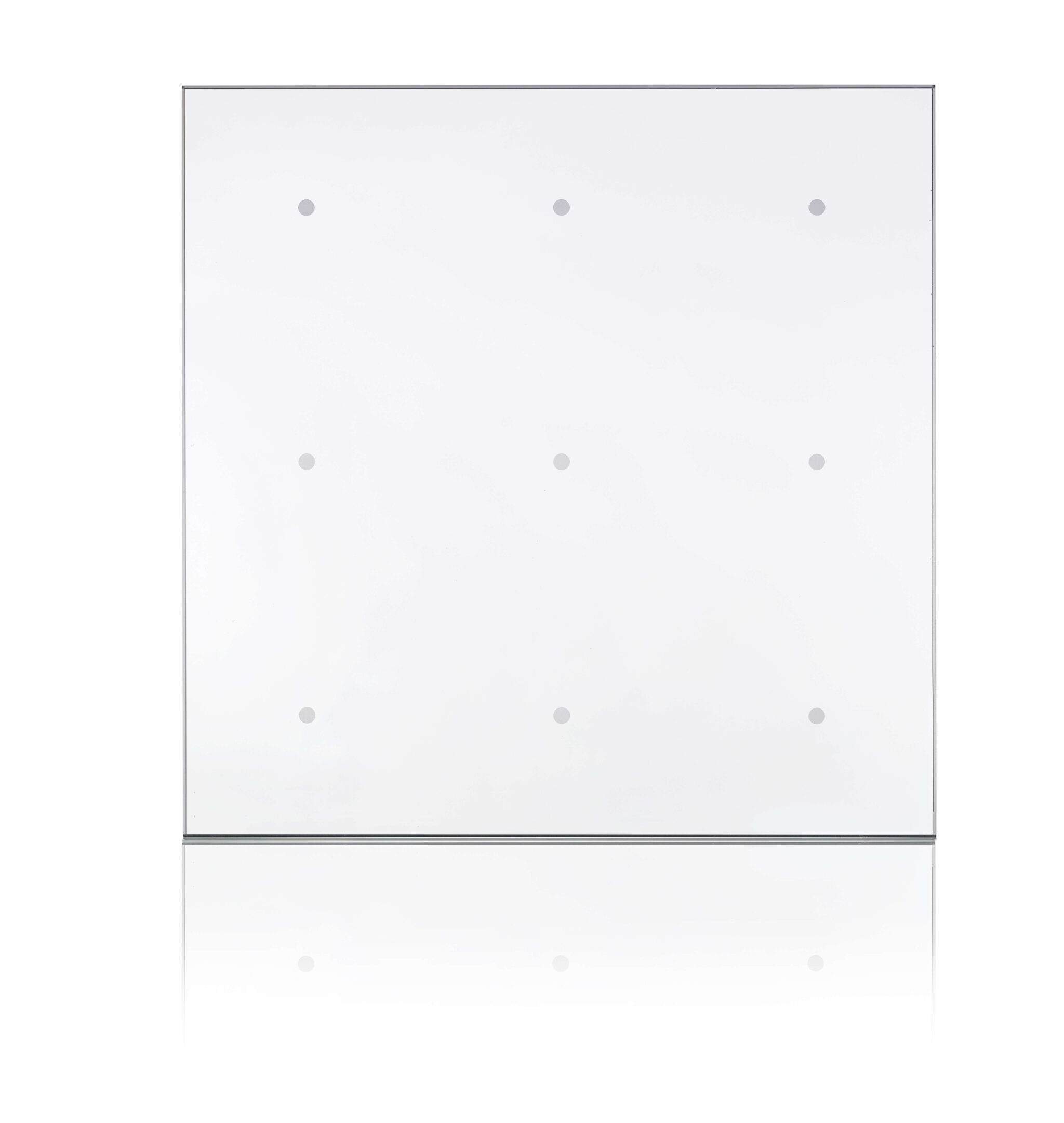
Films alter the glass surface to reduce reflectivity or add visible patterns.
UV-Reflective Films
- Reflect ultraviolet light birds can see, but remain nearly clear to humans.
- Applied to the exterior surface for maximum effectiveness.
Patterned Films
- Pre-printed with dots or lines spaced at 2-inch intervals.
- Permanent or semi-permanent adhesion.
- Maintains outward view while preventing collisions.
Avoid clear, non-patterned films because they don’t solve the problem.
Add Physical Barriers
Simple household items can break the illusion of a clear flight path.
Use a Broom Handle or Tool
- Lean a broom, rake, or shovel against the window from the inside.
- Creates a visual cue that disrupts the “open tunnel” effect.
- Keeps view clear from inside and stays unobtrusive.
Works best when combined with external treatments.
Hang Moving Objects
- Wind chimes, beaded strings, or Mylar strips hung outside the window.
- Motion and reflection deter birds.
- Must be moved weekly because birds habituate to static objects.
Install Cords or Ropes
- Hang vertical cords every 2 to 3 inches across the window, 1 to 2 inches from the glass.
- Highly effective when properly spaced.
- Can be made from fishing line or paracord.
Manage Lighting and Reflections
Control how light interacts with your windows, especially at night.
Reduce Interior Light at Dawn and Dusk
- Migrating birds are drawn to artificial light.
- Dim or turn off lights during peak migration (spring and fall).
- Close blinds or sheer curtains to reduce interior visibility.
Never Rely on Dirty Windows
- Clean glass is more dangerous because it reflects better.
- Don’t skip cleaning, but always pair it with a deterrent.
Avoid Shiny Surfaces Near Windows
- Remove indoor plants or mirrors close to glass.
- These increase the illusion of open space.
Relocate Bird Feeders to Safe Zones

Feeder placement dramatically affects collision risk.
The 3-Foot Rule
- Place feeders within 3 feet of the window.
- If startled, birds can’t gain enough speed to be injured.
- Result: minor bumps with no fatalities.
The 30-Foot Rule
- Place feeders more than 30 feet away.
- Birds see the window as a solid barrier before accelerating.
Avoid the Danger Zone
- Never place feeders between 3 and 30 feet.
- This is where birds build up lethal speed before impact.
Bonus: Use window-mounted feeders to keep birds close and safe.
Stop Territorial Bird Attacks
For birds attacking their reflection, the goal is to eliminate the mirror effect.
Cover the Window Temporarily
- Hang a sheet, cardboard, or blanket on the outside for 3 to 5 days.
- Breaks the cycle of aggression.
- Most effective during breeding season.
Use Fluttering Deterrents
- Tie Mylar balloons or reflective streamers outside the window.
- Movement scares the bird and prevents return.
- Anchor securely to prevent litter.
Protect Vehicle Mirrors
- Fold in side mirrors or cover with paper bags.
- Never use plastic bags because they can damage paint.
- Effective for birds attacking car reflections.
Important: Birds do not learn the reflection is fake. The visual trigger must be removed.
Choose Proven Products
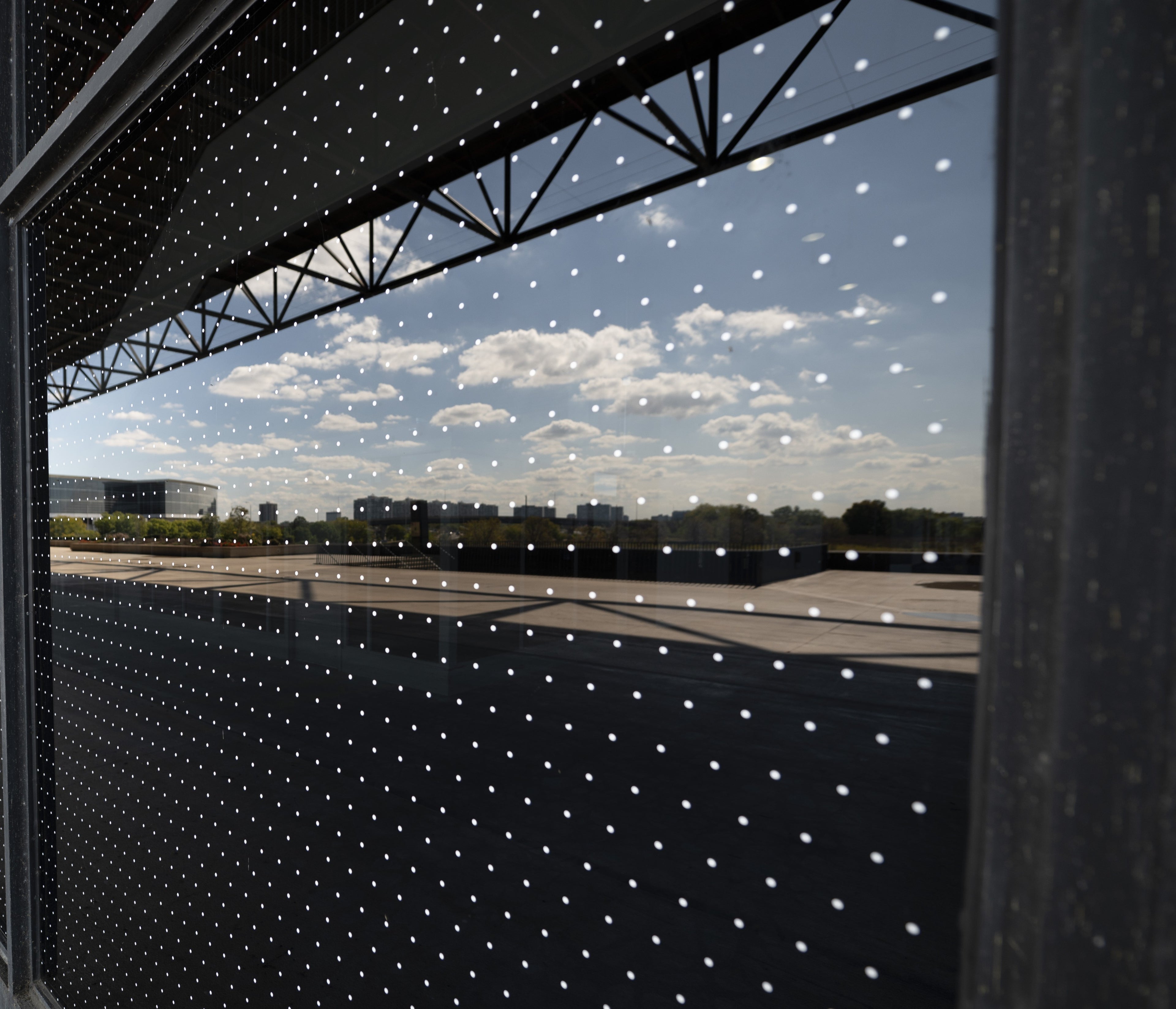
Not all bird deterrents work. Here’s what’s tested and trusted.
FeatherFriendly Markers
- Small dots or strips applied externally.
- 100% effective when spaced at 2 inches.
- Durable for outdoor use.
ABC-Rated Materials
- American Bird Conservancy tests products using tunnel testing.
- Look for low Threat Factor scores.
- Includes films, decals, and glass types.
UV Dot Stickers
- Invisible to humans, visible to birds.
- Must be applied densely (2-inch grid).
- Long-lasting and discreet.
Avoid: Plastic owl decoys, single hawk stickers, and internal screens because they fail in real-world use.
Follow a Step-by-Step Prevention Plan
1. Audit Your Windows
- Walk outside and check for strong reflections of trees or sky.
- Note windows near feeders, baths, or nests.
2. Pick Your Method
| Risk Level | Recommended Solution |
|---|---|
| High (frequent strikes) | External screens or FeatherFriendly dots |
| Moderate | Paint lines, tape, or UV decals |
| Territorial attacks | Temporary cover or fluttering deterrents |
3. Install Externally
- All treatments go on the outside of the glass.
- Measure spacing: 2 inches max between marks.
4. Adjust Feeders
- Move to less than 3 feet or more than 30 feet from windows.
- Remove feeders during migration if strikes persist.
5. Monitor and Maintain
- Check for smudges or feathers weekly.
- Reposition hanging items every few days.
- Reapply temporary solutions after rain.
Support Long-Term Change
While individual action saves lives, systemic change is growing.
Bird-Safe Building Laws
- Jersey City, NJ: Passed a bird-safe ordinance for new construction.
- Dallas, TX: Upgraded convention center with bird-friendly glass.
- More cities are adopting codes based on ABC guidelines.
LEED and Green Building
- U.S. Green Building Council offers LEED credits for bird-friendly design.
- Architects now specify patterned or fritted glass to reduce reflections.
Frequently Asked Questions About Bird-Window Collisions
What is the most effective way to stop birds from hitting windows?
External markings spaced no more than 2 inches apart are the most effective method. Products like FeatherFriendly dots have proven 100% effective when applied correctly on the outside of the glass.
Do bird decals really work?
Decals work only when applied densely in a 2-inch grid pattern on the exterior surface. Single decals or widely spaced hawk silhouettes are ineffective because birds fly around them.
Why do birds attack their reflection in windows?
During breeding season, birds like Northern Cardinals and American Robins see their reflection and mistake it for a rival intruder. This behavior becomes ingrained, and birds do not learn the reflection is fake.
Where should I place my bird feeder to prevent collisions?
Place feeders either within 3 feet of the window or more than 30 feet away. The danger zone between 3 and 30 feet allows birds to build up lethal speed before impact.
Will closing my blinds stop birds from hitting the window?
Interior blinds alone are not sufficient. The reflection occurs on the outside of the glass, so exterior treatments are required to break up the mirror effect birds see.
Are UV-reflective window films effective for birds?
Yes, UV-reflective films work well because birds can see ultraviolet patterns that are nearly invisible to humans. They must be applied to the exterior surface and follow the 2-inch spacing rule.
Final Thoughts on Stopping Bird-Window Collisions
You don’t need to wait for new construction to save birds. Every window can be made safe with simple, low-cost fixes. Whether you use a paint pen, hang a broom, or install a screen, the key is acting now.
Remember these core principles:
– 2-inch spacing is non-negotiable for any visual marker
– Exterior application is required for all treatments
– Feeder placement changes collision outcomes dramatically
– Territorial attacks stop only when reflections are physically removed
By following these steps, you’ll stop birds from hitting your window, protecting wildlife, reducing stress, and contributing to a safer environment. Start today: go outside, look at your windows, and make the first mark.