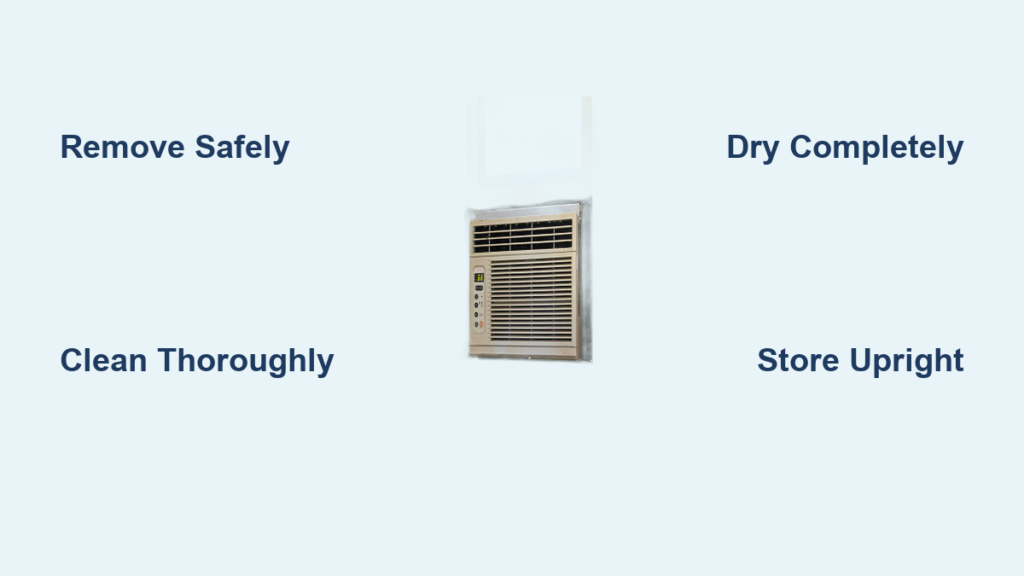
Your window air conditioner runs hard all summer, keeping your home cool through the worst heat waves. But when temperatures drop, simply unplugging it and walking away can cost you hundreds in repairs or early replacement. Improper storage of a window AC leads to mold, rust, compressor damage, and a noticeable drop in cooling power next season.
Learning how to store a window AC correctly takes just a couple of hours and protects your investment for years. This guide covers safe removal, deep cleaning, proper drying, and ideal storage conditions based on manufacturer guidelines and HVAC technician best practices.
Remove the Unit Safely Before Anything Else

A window AC weighs between 50 and 100 pounds. Trying to remove one solo is one of the most common causes of home injuries during seasonal cleanup.
Know the Risks Before You Lift
Never attempt removal alone. The weight and awkward shape make it a serious fall hazard. If you have back issues, weak grip strength, or feel uncomfortable with the height involved, recruit a helper. Always wear work gloves for a secure hold and hand protection.
If the unit blocks your view of stairs, do not carry it by hand. Use a hand truck with pneumatic tires to protect your flooring and improve stability. Secure the unit with ratcheting straps so it does not shift mid-transport.
Follow a Safe Removal Sequence
- Turn off and unplug the unit. Never work on a powered appliance.
- Remove any supports, including insulation panels, mounting brackets, or side curtains.
- Lift with a partner, keeping the unit level to protect internal parts.
- Place it on a thick towel right away. Residual water in the drain pan often leaks after removal, and a towel prevents floor stains.
Pro Tip: For narrow or carpeted stairs, build a simple sled from ½-inch plywood cut slightly wider than the unit and about 40 inches long. Wrap the edges in carpet scraps to protect both the stairs and the AC.
Deep Clean Every Component Before Storage

Storing a dirty unit invites mold, clogged coils, and corrosion. A thorough cleaning boosts efficiency by 5% to 15% and prevents musty odors when you restart it.
Wash the Air Filter First
The filter traps dust and allergens. A clogged filter restricts airflow and can cause the evaporator coil to freeze.
- Remove the front panel and slide out the filter.
- Vacuum loose debris first.
- Wash with mild dish soap and warm water.
- For heavy buildup, soak in equal parts vinegar and water for one hour.
- Rinse from the clean side toward the dirty side to avoid pushing grime deeper.
- Dry completely in sunlight before reinserting.
Replace the filter if it is torn, warped, or more than a year old.
Clean the Evaporator and Condenser Coils
Dirty coils reduce cooling power and drive up energy costs. Access them by removing the housing panel using a magnetic screwdriver to keep screws from falling inside the unit.
Evaporator Coil (Indoor Side):
– Brush off dust with a soft-bristle brush.
– Spray with soapy water, wait five minutes, then wipe clean.
– Avoid spraying water near electrical components.
Condenser Coil (Outdoor Side):
– Rinse gently with a garden hose on low pressure.
– Never use a pressure washer, as it bends the delicate fins and blocks airflow.
Warning: Bent fins cut efficiency. Straighten them before storage to prevent long-term performance loss.
Straighten Bent Fins
Even slight bends reduce airflow and cooling capacity.
- Use a fin comb matched to your unit’s fin spacing. Slide it through straight sections, then gently pull through bent areas.
- No fin comb on hand? Try a butter knife, an expired credit card, or an old toothbrush. Work slowly to avoid tearing the aluminum.
Clean the Fans and Drain System
- Blower Fan (Squirrel-Cage): Wipe blades with a damp cloth or use a vacuum with a brush attachment. Do not soak it.
- Condenser Fan: Clean the same way and confirm it spins freely.
- Drain Pan and Hole: Wash with soap and water. Clear the drain hole with a pipe cleaner or small brush. A clog causes water to back up into your home.
Dry the Unit Completely to Prevent Mold
Moisture trapped inside invites mold and rust. Never store a damp unit.
Run the Fan-Only Setting
After cleaning, run the AC on “fan only” for two to four hours. This evaporates moisture from the coils and drain pan.
If no power is available, leave the unit open and upright in a dry, ventilated area. Point a fan at it to speed drying.
Critical Step: Even small amounts of trapped water can freeze in cold storage and damage internal components.
Store Upright in a Cool, Dry Location
Where and how you store the unit matters just as much as cleaning it.
Pick the Right Storage Spot
- Best Options: Basement, attic, garage, or storage closet.
- Conditions: Cool, dry, and out of the way.
- Freezing Temperatures: Safe as long as the unit is completely dry. Residual water usually evaporates before freezing occurs.
Avoid damp sheds or uninsulated garages unless you elevate and cover the unit properly.
Position the Unit Correctly
- Always store upright. Laying the unit on its side or back can damage the compressor and oil lines.
- Elevate off the floor using wooden blocks. This prevents moisture absorption and protects against garage spills.
- Do not lean or stack. Leaning warps the casing, and stacking risks crushing internal parts.
Cover with Breathable Material
- Use a breathable cover made of canvas or mesh to block dust and pests while allowing airflow.
- Never use plastic or trash bags. They trap moisture and encourage mold.
Alternative: Store in the original box or a large plastic bin with the lid slightly open for ventilation.
Organize and Protect Accessories
- Coil and secure the power cord neatly.
- Place remote controls, mounting brackets, and screws in a labeled bag taped to the unit.
- Drop desiccant packs inside the storage area to absorb humidity.
Avoid These Common Storage Mistakes

Even careful homeowners make these errors. Do not let them shorten your AC’s life.
- Storing while still wet. The number one cause of mold and rust. Always dry completely before covering.
- Laying the unit on its side. Damages the compressor. Keep it upright at all times.
- Using plastic wrap. Traps moisture. Stick with breathable covers only.
- Skipping filter cleaning. A dirty filter breeds mold. Clean or replace before storage.
- Leaving the unit in the window. Winter weather, snow, and ice cause damage and reduce efficiency.
Bonus Tip: Units in direct sunlight lose up to 10% efficiency. When reinstalling, choose a north- or east-facing window if possible.
Know When to Call a Professional
Most storage prep is DIY-friendly, but some issues need expert help.
Signs of Mechanical Failure
- The unit will not cool after cleaning and restart.
- You hear hissing or bubbling sounds, which may signal a refrigerant leak.
- You notice electrical issues like tripped breakers or burning smells.
Refrigerant handling and electrical repairs require certified HVAC technicians. Do not attempt them yourself.
Persistent Water Leaks
If the drain pan is clear but leaks continue, the issue may be internal. Seek professional diagnosis before reinstalling.
Follow a Seasonal Maintenance Schedule
A simple routine extends your AC’s life and prevents most common failures.
| Timing | Key Actions |
|---|---|
| Start of Season | Inspect, clean filters and coils, check drainage |
| Monthly (Summer) | Wash filter, check for debris |
| End of Season | Deep clean, dry, remove from window |
| Storage | Store upright, cover, label parts |
| Pre-Reinstall | Check for pests, dust, and damage |
Consistent maintenance prevents 80% of common failures and can double your unit’s lifespan.
Frequently Asked Questions About Window AC Storage
Can I leave my window AC installed during winter?
Leaving it in the window exposes it to snow, ice, and freezing rain. This can damage the coils, cause rust, and let cold air seep into your home. Removing and storing it indoors is always the safer choice.
Is it safe to store a window AC in a freezing garage?
Yes, as long as the unit is completely dry. Any remaining water in the drain pan or coils typically evaporates before temperatures drop low enough to cause freezing damage.
Can I store a window AC on its side to save space?
No. Storing a window AC on its side can damage the compressor and disrupt the oil lines. Always keep the unit upright, even if it takes up more floor space.
What is the best cover for storing a window AC?
A breathable canvas or mesh cover is best. It blocks dust and pests while allowing any residual moisture to escape. Avoid plastic covers and trash bags, which trap moisture and promote mold growth.
How often should I replace the air filter?
Clean reusable filters monthly during heavy use and replace them at least once per cooling season. In dusty environments or homes with pets, replace them more often to maintain airflow and efficiency.
Do I need to run the AC before storing it?
Yes. Running the unit on the “fan only” setting for two to four hours after cleaning evaporates internal moisture. This step is critical for preventing mold and corrosion during long-term storage.
Key Takeaways for Storing Your Window AC
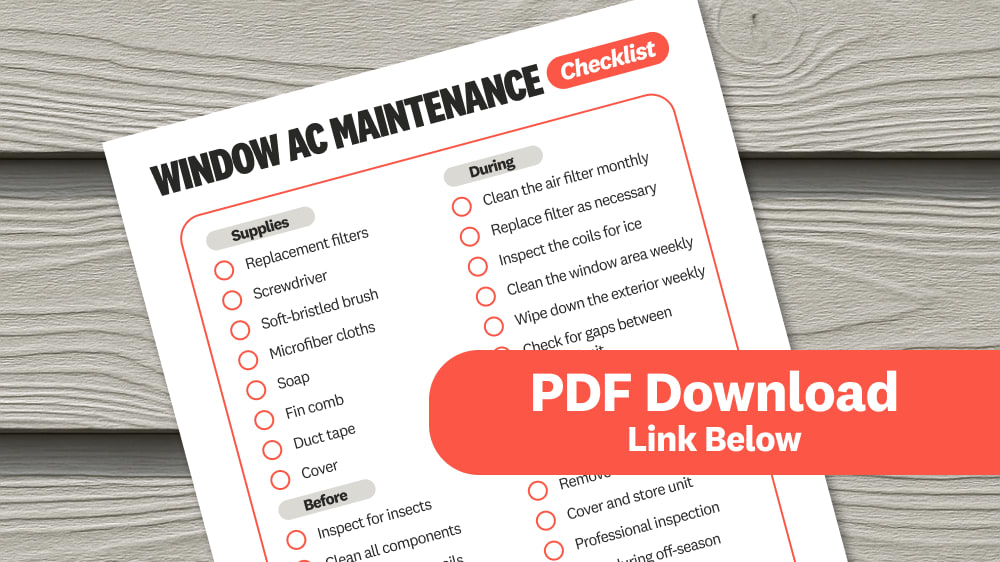
A clean, dry, upright unit in a breathable cover is the golden rule of window AC storage. Removing the unit safely, deep cleaning every component, and drying it thoroughly protects your investment and ensures strong performance next summer.
Set aside two to four hours before the first frost to complete the process. Label every part, store accessories in a taped bag, and check on the unit once or twice during winter. A little effort now saves you from buying a replacement unit next year and keeps your home cool for many seasons to come.