You’re standing outside, locked out, staring through the glass at your keys on the counter. It happens more often than you’d think. Whether a breeze slammed the window shut or a faulty latch froze in place, knowing how to unlock a window from outside can save you time, money, and stress. This is especially true when you’re the rightful occupant who simply lost access.
Before attempting any technique, confirm you have legal access to the property. These methods are intended only for homeowners or tenants locked out of their own space. Never attempt entry without permission, as doing so risks criminal charges. With that in mind, let’s explore safe, effective ways to regain access using simple tools and smart strategies.
Identify Your Window Lock Type
Knowing what kind of window you’re dealing with is the first step. Using the wrong method can damage the frame or fail entirely.
Recognize Common Window Styles
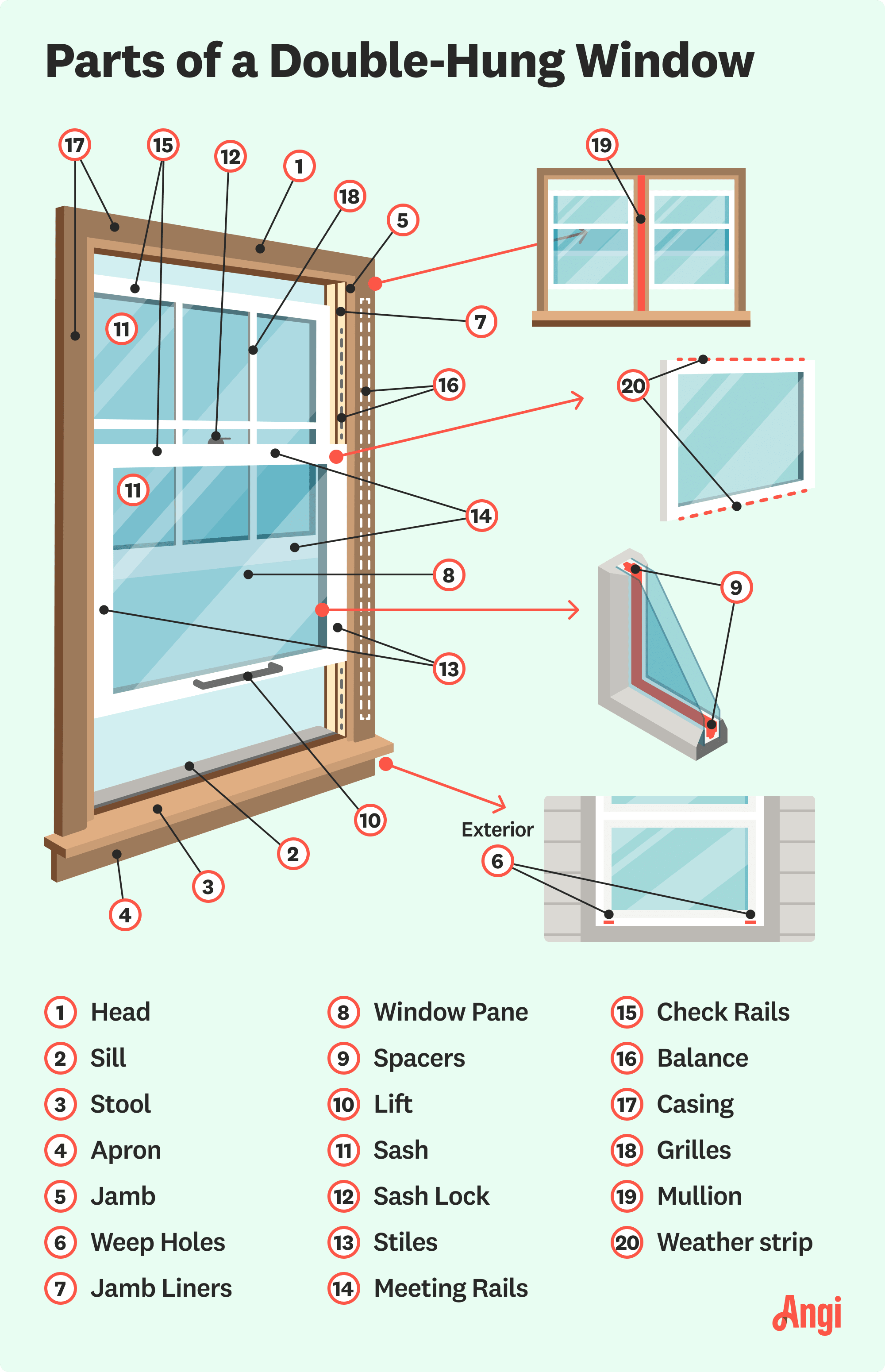
Different windows use different locks. Double-hung, sliding, and casement styles each respond to specific techniques. Misidentifying the type leads to wasted effort and potential damage.
Check for Sash Locks on Double-Hung Windows
Sash locks secure the meeting rail, which is the point where top and bottom panels meet. If the window slides vertically and has a small latch in the center, it’s likely a sash lock. These often fail not from being locked, but from paint sealing or friction. Test movement gently before assuming it’s locked.
Locate Sliding Window Latches
Horizontal sliders usually have a pin or lever lock near the center. Look for a small metal tab that drops into a hole when closed. These are vulnerable to card-sliding techniques if there’s a gap between the sashes.
Inspect Casement and Awning Locks
Side-hinged or top-hinged casement windows often use crank handles or keyed mechanisms. If there’s a keyhole or rotating lock, non-destructive entry becomes harder. However, if the handle is missing, the internal spline may be reachable with a compatible tool.
Gather Essential Unlocking Tools
Preparation increases success and reduces damage risk. Most tools are common household items.
Use Plastic Cards for Latch Access
A stiff but flexible card, like an old credit card or gift card, is ideal for sliding windows. Insert it into the gap and push the latch back. Avoid using your only ID or bank card. Older, expired cards work best.
Prepare Wire Tools from Paperclips
Straighten a paperclip, leaving a small hook at one end. This makeshift tool can pull internal latches or manipulate simple tumblers through keyholes or vents. Wire coat hangers can be modified the same way for larger reaches.
Equip Yourself with Suction Cups
For double-hung windows that won’t budge, a plunger or glass-handling suction cup provides grip. Wet the rim and press firmly onto the glass. Pull upward while applying pressure with a paint stirrer at the frame edge.
Don’t Forget Safety Gear
Wear gloves to protect against sharp edges and safety goggles in case of debris. Climbing on ladders or unstable surfaces increases fall risk, especially on upper floors. If balance is questionable, stop and call a professional.
Apply Non-Destructive Unlocking Methods
Now that you’ve identified the lock and gathered tools, try these proven techniques.
Slide a Card to Bypass a Latch
Best for: Sliding windows with accessible spring latches. Time: 5–10 minutes.
- Insert the card into the gap between the moving sash and the frame, near the lock.
- Angle the card toward the latch and push inward while wiggling slightly.
- Once behind the latch, slide it back into the sash to disengage.
- Pull the window open while maintaining pressure.
Pro Tip: If the seal is tight, warm the card slightly with your hands to make it more flexible.
Hook the Lock with a Wire Tool
Best for: Casement windows with accessible latches or simple keyholes. Time: 10–15 minutes.
- Unfold a paperclip and bend a small hook at the end.
- Insert it through a ventilation gap or keyhole.
- Feel for the internal latch or pins.
- For latches, hook and pull sideways. For simple locks, apply upward pressure while turning the wire like a key.
Warning: Complex keyed locks require professional lock-picking skills. Don’t force it, as the risk of jamming is high.
Loop a String Around the Handle
Best for: Upper-floor windows with visible interior handles. Time: 5–10 minutes.
- Tie a slipknot or small loop at the end of a shoelace or thin rope.
- Lower the string through a vent, screen gap, or partially open section.
- Wiggle the loop until it catches the handle or latch.
- Pull or twist the string to turn or lift the mechanism.
Expert Note: Attach a paperclip to the end to help guide the loop. Test on the ground first for practice.
Lift a Stuck Sash with Suction
Best for: Double-hung windows that won’t move due to friction. Time: 5–10 minutes.
- Press a wet plunger or suction cup firmly onto the center of the lower glass pane.
- Use a flat paint stirrer to push up on the bottom rail while pulling on the plunger.
- Apply steady upward force. Don’t yank.
- Once lifted slightly, slide or continue opening.
Why it works: Older “bronzed” windows often stick from paint or compression. This method avoids prying that could crack glass.
Create a Duct Tape Grip
Best for: Smooth glass with no handle access. Time: Under 5 minutes.
- Fold duct tape into a strong tab with the sticky side out.
- Press firmly onto the glass near the edge.
- Pull upward or sideways to slide the window.
Limitation: Provides minimal leverage. Use only on lightweight or partially open windows.
Troubleshoot Failed Attempts

Even with the right method, obstacles can block success.
Break a Paint Seal Safely
Older windows often fuse shut with layers of paint. Run a utility knife along the sash edges to cut the seal before applying force. Do this gently to avoid scratching frames.
Handle a Damaged Lock
If the lock spins freely or feels loose, internal components may be broken. Further DIY attempts could worsen the issue. Stop and call a locksmith immediately.
Work Around Tight Gaps
Modern windows have tighter seals, blocking card or wire access. Forcing tools can damage weatherstripping. If no gap exists, abandon the card method and try string or suction instead.
Avoid Upper-Floor Risks
Never climb onto roofs, gutters, or unstable ladders to reach second-story windows. The fall risk outweighs the benefit. Use the string method from the ground or call emergency services.
Know When to Call a Professional

Some situations demand expert help.
Signs You Need a Locksmith
- Multiple methods have failed.
- The lock is visibly damaged or broken.
- You’re on an upper floor with no safe access.
- The window has a high-security or smart lock.
Professionals have specialized tools and training to open windows without damage.
Compare Emergency Service Costs
- Lockout call-out: $50–$150
- Lock repair: $100–$300
- New lock installation: $150–$500
While not free, professional help is often cheaper than replacing a shattered pane or repairing a warped frame from forced entry.
Choose the Right Service
Look for locksmiths with window-specific experience. Read reviews and get a quote upfront. Avoid unlicensed providers who may charge hidden fees.
Prevent Future Lockouts

Avoid repeating the same mistake with smart upgrades and habits.
Install Keyless or Smart Locks
Upgrade to keyless sliding locks or smart window sensors. Some models let you unlock remotely via smartphone, which is ideal for forgetful moments. Ensure compatibility with your window type before purchasing.
Hide a Spare Key Securely
Use a magnetic key holder under a deck or behind a fixture. Never use the doormat. Fake rocks or ventilation grilles also work if placed discreetly.
Give Keys to Trusted Contacts
Leave a spare with a neighbor or family member. In emergencies, they can let you in fast with no tools needed.
Maintain Windows for Smooth Operation
Prevention beats repair every time.
Lubricate Locks Regularly
Apply graphite powder or silicone spray to moving parts twice a year. Avoid WD-40, as it attracts dust and gums up over time.
Clean Tracks and Check Seals
Remove dirt and debris from sliding tracks monthly. Inspect weatherstripping for wear. Replace it if cracked or loose.
Test Locks Frequently
Open and close each window lock monthly to ensure smooth function. Catch sticking early before it leads to a full lockout.
Cut Paint Seals Proactively
For painted wood windows, run a knife around the sash every few months. This prevents accidental sealing during seasonal changes.
Frequently Asked Questions About Unlocking a Window from Outside
Can I really unlock a window from outside without breaking it?
Yes, non-destructive methods like card sliding, wire hooks, and string loops work on many common window types. Success depends on your lock style and whether the window has accessible gaps. Always prioritize gentle techniques over force.
What is the easiest window type to unlock from outside?
Sliding windows with simple spring latches are typically the easiest. The gap between the sash and frame allows a plastic card to reach and depress the latch. Double-hung windows with stuck sashes also respond well to suction cup methods.
Is it legal to unlock my own window from outside?
Yes, as long as you are the legal owner or tenant of the property. Attempting to unlock a window that does not belong to you constitutes unauthorized entry, which can result in trespassing or breaking and entering charges. When in doubt, contact a professional.
When should I stop trying DIY methods and call a locksmith?
Stop if the lock is visibly damaged, if multiple methods have failed, or if the window is on an upper floor with no safe ground access. Professionals have specialized tools to open windows without causing costly damage to frames or glass.
How much does it cost to hire a professional for a window lockout?
Emergency lockout service typically costs between $50 and $150. Lock repair ranges from $100 to $300, while new lock installation can cost $150 to $500. These costs are often lower than replacing a broken window pane.
How can I prevent getting locked out through a window again?
Install keyless or smart locks, hide a spare key in a secure location, and give a trusted neighbor a copy. Regular lubrication and testing of locks also prevents sticking and seizing.
Key Takeaways for Unlocking a Window from Outside
Knowing how to unlock a window from outside empowers you to handle common lockouts safely and effectively. Start by identifying your window type, then use gentle methods like the card slide, wire hook, or suction lift before considering forceful approaches. Always prioritize safety, both legal and physical, and don’t hesitate to call a locksmith if methods fail or risks seem high. With the right tools and preventative habits like spare key management and regular maintenance, you’ll never be stranded outside again.