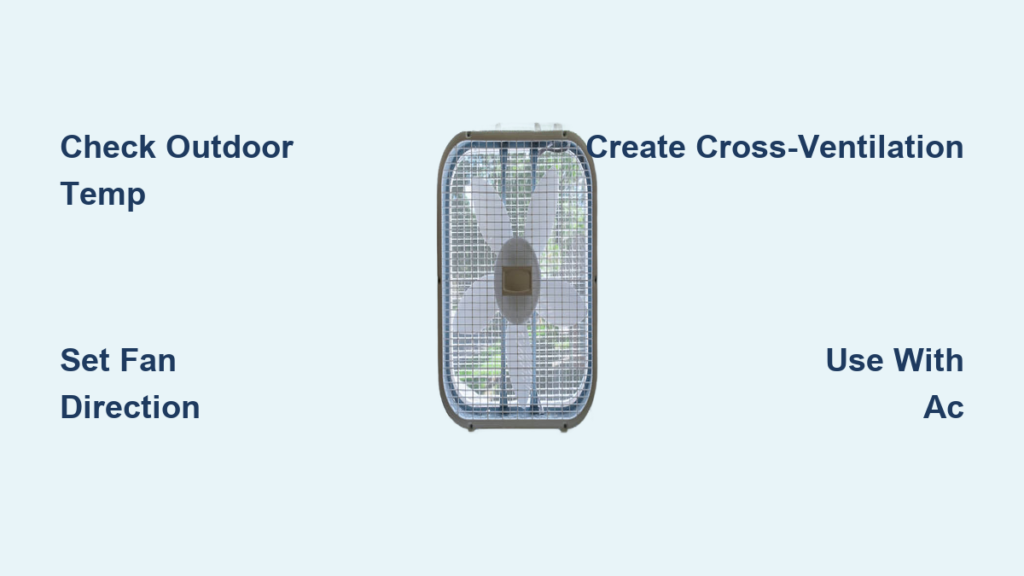
Summer heat can turn your living space into an uncomfortable retreat, but running the air conditioner around the clock drains your wallet and strains the power grid. A window fan offers a smarter, energy-efficient alternative that pulls in cooler outdoor air and flushes out trapped heat. The secret lies in timing, placement, and understanding how airflow actually works in your home. This guide walks you through exactly how to use a window fan for optimal results, including temperature thresholds, direction settings, and strategies for combining it with your existing cooling systems.
Know the Right Temperature to Run Your Window Fan
Follow the 90°F Rule
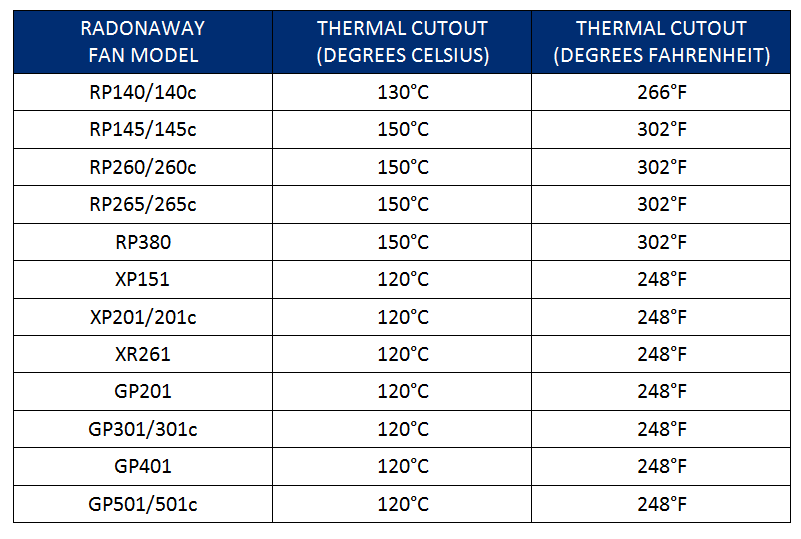
The effectiveness of a window fan depends entirely on the temperature difference between indoor and outdoor air. Run your fan only when outside air is cooler than inside air, which typically happens overnight and in the early morning hours. The EPA recommends turning off fans when outdoor temperatures hit 90°F. Above this threshold, fans circulate hot air instead of cooling it, wasting energy and potentially raising indoor temperatures.
Adjust for Personal Health Factors
The WHO sets a slightly higher cutoff at 95°F, but experts recommend personalizing this threshold. Healthy adults can safely use fans up to 102°F, while older individuals or those with chronic conditions should stop at 98°F. Beyond these limits, your body cannot cool itself through evaporation, and fan use may worsen dehydration and heat stress.
Avoid Daytime Heat Traps
Between 10 a.m. and 5 p.m., close windows and draw curtains on sun-facing walls. This traps cooler indoor air and prevents your fan from pulling in hot midday air that would defeat its purpose. Sealing your home during peak heat hours is just as important as opening it during cool hours.
Set Your Fan Direction for Maximum Airflow

Use Exhaust Mode to Remove Hot Air
Set your window fan to blow outward in upstairs rooms or areas that trap heat. Exhaust mode creates negative pressure that pulls cooler air in through other open windows or doors. The best locations for exhaust fans include upper floors, hallways, and rooms that receive direct afternoon sunlight.
Switch to Intake for Cool Air Entry
Use intake mode (blowing inward) on the shadiest side of your home or on lower floors where air naturally stays cooler. This positive-pressure setup pushes fresh air into your living spaces. North-facing windows, basement-level exits, and areas shaded by trees make ideal intake locations.
Take Advantage of Reversible Models
Many modern fans, like the Holmes® Electronically Reversible Twin Window Fan, let you switch directions quickly. Start with intake on the cool side at dusk, then switch to exhaust later in the evening to vent rising heat. Remote controls make adjustments easy without disrupting your airflow setup.
Create Cross-Ventilation Throughout Your Home

Place Fans on Opposite Sides
For whole-home cooling, install one window fan on the cool shaded side set to intake and another on the warm side set to exhaust. This creates a cross-breeze that sweeps through your house, flushing out heat and replacing it with cooler outside air. Open interior doors to reduce resistance and keep air moving freely.
Avoid Pressure Conflicts
Never run two intake fans on opposite walls because they increase indoor pressure and reduce efficiency. Similarly, two exhaust fans without adequate intake openings will starve the system of airflow. Balance between intake and exhaust is essential for performance.
Optimize a Single-Fan Setup
With only one fan available, prioritize exhaust mode. Place it in the hottest room blowing outward, then open a window on the cooler side of your house to allow replacement air to enter naturally. This simple approach mimics cross-ventilation and still delivers meaningful cooling.
Adapt Your Setup to Your Home’s Layout

Cool Multi-Story Homes with the Stack Effect
Heat rises, so use this physics principle to your advantage in two-story homes. Install an exhaust fan on the upper floor blowing outward and an intake fan on the lower floor blowing inward. Add a floor fan pointing upward to push cool air toward the upper exhaust point. Keep upstairs windows slightly open and all interior doors open for unobstructed airflow.
Optimize Apartments and Single-Story Homes
Focus on high-heat zones like kitchens, where you can use a window fan in exhaust mode to remove cooking heat and odors. For bedrooms, run intake mode at night through a shaded window. Place a bowl of ice in front of the fan for a quick-cooling hack that chills air as it enters the room.
Build a Cooler Intake Zone
If the air outside your intake window feels warm, create a microclimate around it. Plant shade trees, install trellises with climbing vines, or place a fountain or misting fan outside the window. These additions pre-cool the air before it enters your home, boosting comfort significantly.
Combine Your Window Fan with Air Conditioning
Raise the Thermostat Without Losing Comfort
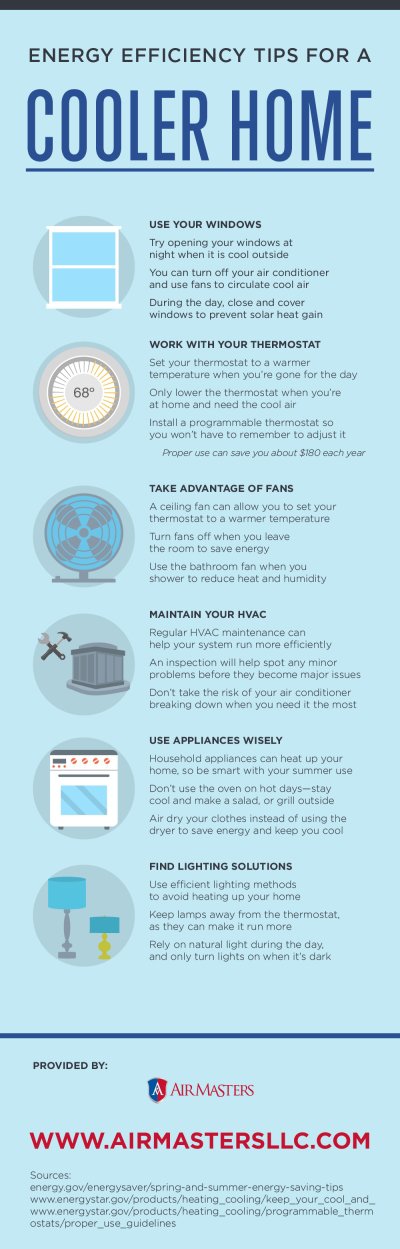
Pairing a window fan with AC lets you raise the thermostat by 4°F without feeling warmer. Research shows that an 80°F room with active fan cooling feels like a 72°F room with AC alone. This adjustment cuts cooling costs by up to 12%, since you save roughly 3% for every degree you raise the thermostat.
Switch Between Systems Strategically
At night and early morning, turn off the AC and rely solely on your window fan. Once outdoor temperatures rise, switch to closed-house mode: close windows, draw shades, turn on the AC, and use ceiling fans to circulate air. This approach maximizes efficiency throughout the day.
Reduce Strain on the Power Grid
Running fans instead of AC during peak heat lowers demand on the power grid, helping prevent blackouts and reducing emissions from fossil-fuel plants. Your cooling choices have an environmental impact beyond your utility bill.
Sync Your Window Fan with Ceiling Fans
Set the Correct Rotation Direction
In summer, ceiling fans should spin counterclockwise to push air straight down, creating a direct breeze on your skin. This enhances the wind-chill effect from your window fan and improves overall comfort.
Turn Off Ceiling Fans When You Leave
Ceiling fans cool people, not rooms. Always switch them off when you exit a space. Unlike window fans that exchange air, ceiling fans waste energy if left running in empty rooms.
Choose the Right Features When Buying a Window Fan

Pick DC Motor Models for Efficiency
Fans with DC motors use up to 60% less energy than traditional AC models and run more quietly. They cost more upfront but deliver meaningful savings over time through lower electricity bills.
Look for Built-In Thermostats
Models with thermostats automatically shut off when outdoor temperatures exceed your set point. This feature ensures you follow the 90°F rule without having to monitor conditions manually.
Consider Twin-Fan Designs
Reversible twin fans allow simultaneous intake and exhaust in a single window. This simplifies cross-ventilation in rooms with only one operable window and maximizes airflow efficiency.
Seal Gaps with Expandable Panels
Most window fans include accordion-style side panels. Adjust these to seal gaps in your window frame so all airflow passes through the fan rather than leaking around the edges.
Install Your Window Fan Safely and Securely
Check Window Compatibility First
Standard double-hung and sliding windows work best for window fan installation. Measure your window opening before purchasing, since some twin fans won’t fit deep sills or narrow frames. Ensure your window lock still functions properly or add security bars to maintain safety.
Avoid Electrical Hazards
Plug your fan directly into a wall outlet rather than a power strip or extension cord, which can overheat under sustained use. Keep cords away from water, foot traffic, and moving window parts to prevent accidents.
Never Operate in Rain
Moisture can damage the motor and create serious electrical risks. Don’t run a window fan during rain unless it’s installed under a covered patio or features weather-resistant construction.
Monitor Air Quality and Protect Your Health
Check AQI Before Using Intake Mode
Don’t draw in outdoor air during high pollution, wildfire smoke, or peak pollen times. Check air quality apps before activating intake mode, and use indoor air purifiers when outdoor conditions are poor.
Protect Vulnerable Household Members
Infants, elderly individuals, pregnant people, and those with heart or respiratory conditions are more sensitive to heat. Above 95°F, fans offer little protection. In extreme heat, seek air-conditioned spaces or visit designated cooling centers.
Stay Hydrated
Fan use increases evaporation from your skin, so drink more water when running a window fan, especially during warm nights when you might not feel thirsty.
Maintain Your Fan for Peak Performance
Clean Blades and Grilles Monthly
Dust buildup can reduce airflow by up to 30%. Wipe blades and grilles with a damp cloth every few weeks, and always unplug the fan before cleaning.
Replace or Clean Filters Regularly
If your model includes a filter, inspect it monthly. Wash reusable filters or replace disposable ones according to the manufacturer’s instructions. Clogged filters strain the motor and degrade indoor air quality.
Inspect for Wear Before Summer
Test fan operation, check for wobbling, and verify that all mounting hardware is secure before peak cooling season. Replace worn units to avoid mid-summer failures.
Minimize Noise Where You Sleep
Choose Quiet Models for Bedrooms
High-CFM fans generate more noise, which can disrupt light sleepers. For bedrooms, select low-decibel models or units with multiple speed settings. Some people find the white noise soothing, but others need quieter operation.
Place Loud Units in Common Areas
High-power fans work better in living rooms, kitchens, or hallways where noise is less disruptive. Reserve your quietest window fan for sleeping spaces.
Frequently Asked Questions About Window Fans
What temperature should I stop using a window fan?
The EPA recommends turning off your window fan when outdoor temperatures reach 90°F. Above this point, fans circulate hot air instead of cooling your home. For vulnerable individuals, the safe cutoff may be even lower.
Should my window fan blow in or out?
It depends on the room and your goal. Use exhaust mode (blowing out) on upper floors or in hot rooms to remove trapped heat. Use intake mode (blowing in) on shaded lower floors to bring in cool air. For whole-home cooling, combine both on opposite sides of the house.
Can I use a window fan with air conditioning?
Yes, combining a window fan with AC is highly effective. You can raise your thermostat by 4°F without losing comfort, which cuts cooling costs by up to 12%. Use the fan for wind-chill and the AC for temperature control during extreme heat.
Do window fans work in humid climates?
Window fans work best in dry conditions because they rely on air exchange rather than dehumidification. In humid climates, their effectiveness decreases since sweat evaporation is already limited. Pair them with a dehumidifier for better results.
How much can a window fan save on energy bills?
Pairing a window fan with your AC and raising the thermostat by 4°F can save up to 12% on cooling costs. Running the fan alone instead of AC during cool hours can save even more, since fans use far less electricity than air conditioners.
Are window fans safe to leave on overnight?
Modern window fans with thermal overload protection are generally safe for overnight use. However, always ensure proper installation, secure cords, and avoid running them in rain or during extreme heat when they become ineffective.
Key Takeaways for Using a Window Fan Effectively
A window fan is one of the most cost-effective cooling tools available, but only when used with the right strategy. Always check outdoor temperatures before running your fan, and stop when conditions exceed 90°F to 95°F depending on your health. Set the correct direction based on your room’s location, and combine intake and exhaust fans on opposite sides of your home for powerful cross-ventilation. Pair your fan with air conditioning to raise your thermostat and cut energy costs, and maintain the unit regularly for peak performance. Start tonight by checking your local temperature, identifying your home’s coolest and warmest sides, and positioning your fan accordingly to feel the difference immediately.