
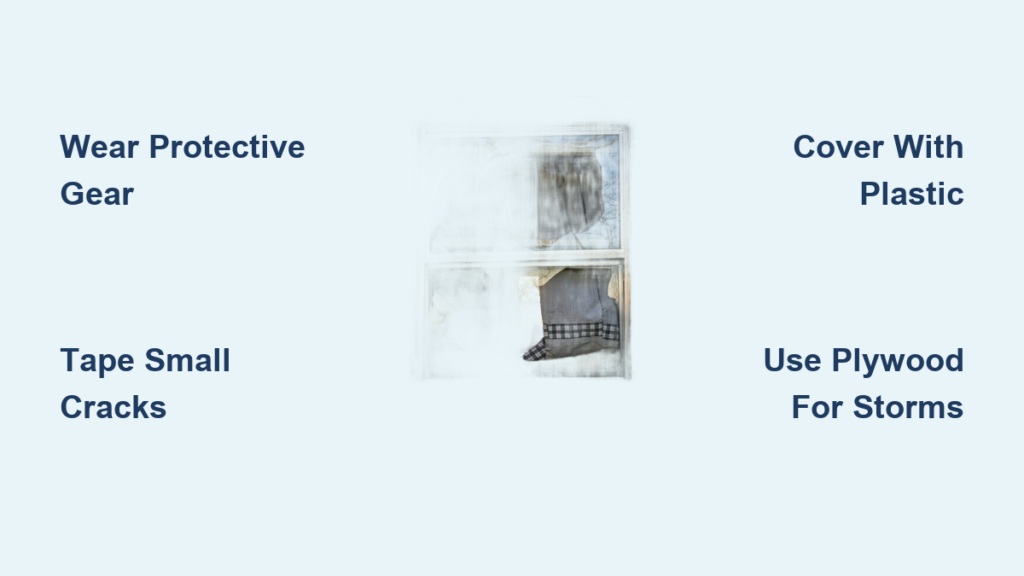
A broken house window can happen without warning, leaving your home exposed to weather, intruders, and energy loss. Whether the glass cracked during a storm, shattered from impact, or failed unexpectedly while closing, quick action protects both your property and your family. Knowing how to fix broken house window damage properly saves you money on emergency repairs and prevents secondary issues like water damage or heat loss.
This guide covers every step from immediate safety response to long-term repair decisions. You will learn which temporary materials work best for different damage levels, how to secure openings against storms, and when to call a professional. Whether you own a modern home or a historic property with original wood windows, this resource gives you practical solutions you can apply today.
Secure the Area Immediately
Before choosing any repair method, your first priority is preventing injury and containing the damage. Broken glass creates sharp hazards and leaves your home vulnerable to the elements.
Put On Protective Gear Before Anything Else
Always wear heavy-duty gloves and safety goggles before approaching broken glass. Even tiny, invisible shards can cause deep cuts or serious eye injuries. Never attempt cleanup with bare hands or without proper eye protection.
Remove Loose Glass Carefully
Clear all fragments from the floor, windowsill, and frame using a broom and dustpan. Follow up with damp paper towels to pick up small shards. Avoid using a standard vacuum, which can blow fine particles into the air. A HEPA-filter vacuum is the only safe option if you prefer vacuuming.
Stabilize Glass Still Hanging in the Frame
Large pieces often cling to the frame due to tension or remaining putty. Gently remove them with pliers while wearing gloves, or tape a sheet of cardboard over the opening first to catch falling pieces during removal.
Tape Small Cracks and Chips for Quick Stabilization

Minor damage like hairline cracks or small chips does not always require full covering. Strategic taping can hold the glass together temporarily and slow further spreading.
Apply Clear Packing Tape on Both Sides
Use clear packing tape over the damaged area on both the interior and exterior surfaces. This holds small cracks together and blocks moisture from seeping into the break. For best adhesion:
– Clean the surface with rubbing alcohol first.
– Apply tape smoothly without bubbles.
– Overlap multiple strips for stronger reinforcement.
Shrink the Tape with Gentle Heat
After taping, warm the surface with a hairdryer on low heat. The tape shrinks slightly and tightens its grip on the glass. Keep the dryer moving to avoid overheating, which can weaken the adhesive or damage the frame.
Cover the Opening with Plastic Sheeting
Plastic sheeting is one of the fastest, most affordable ways to block rain, wind, and cold air. It also maintains visibility through the opening.
Cut and Secure the Plastic Properly
Measure the window frame and add at least four inches on every side before cutting. Use heavy-duty plastic sheeting that is six-mil thickness or greater. Center the plastic over the opening and seal all edges completely with duct tape or packing tape. Any gaps will allow drafts and water to enter.
Shrink the Plastic for a Drum-Tight Seal
Run a hairdryer over the plastic in slow, even passes. As the material warms, it shrinks and pulls tight against the frame, forming a smooth barrier. This reduces wind noise and improves insulation significantly. Keep the dryer moving to prevent melting.
Mount Plywood for Storm-Grade Protection
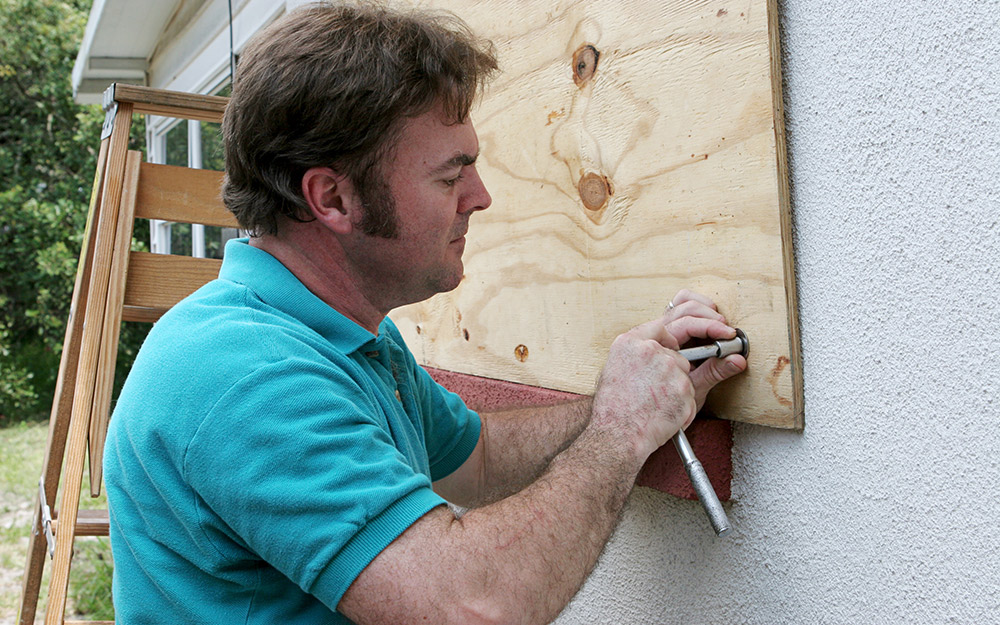
For large breaks, missing panes, or upcoming storms, rigid plywood offers the strongest temporary barrier available.
Cut the Plywood to Match the Opening
Measure the exterior window opening precisely and cut half-inch plywood to fit snugly. A tight fit prevents flapping and improves wind resistance during storms.
Screw the Board from the Inside
Always install plywood from the interior side using screws or nails driven into the frame. Interior mounting ensures the board resists being blown inward by strong winds. Never rely on tape alone for large openings, since tape fails under high wind pressure.
Seal All Edges for Weatherproofing
Apply caulk or foam weatherstripping tape around the perimeter where the plywood meets the frame. This blocks drafts, prevents water infiltration, and improves thermal performance until permanent repairs are made.
Use Cardboard or Foam Board When Plywood Is Unavailable
When plywood is not accessible, rigid alternatives can serve as short-term solutions for smaller breaks.
Tape Foam Board Securely in Place
Cut rigid foam board to fit the opening and secure it with duct tape. For added durability:
– Use multiple layers for thicker insulation.
– Reinforce all corners with extra tape.
– Cover the interior side with plastic sheeting to block moisture.
Reinforce Cardboard with a Plastic Layer
Cardboard absorbs moisture quickly and degrades in wet conditions. To improve its performance, cover one side with plastic sheeting before installation and tape all edges thoroughly. Replace cardboard within 48 hours if exposed to rain or high humidity.
Drape Heavy Fabric as a Last-Resort Barrier
When no other materials are available, heavy fabric can reduce drafts and provide basic privacy during an overnight emergency.
Hang a Thick Blanket Over the Opening
Drape a thick blanket or heavy curtain across the broken window. Secure the edges with tape, clamps, or nearby furniture to prevent it from falling. This works best when waiting for materials to arrive or dealing with a short-term crisis.
Understand the Limitations
Fabric offers minimal insulation, no weather resistance, and very little security. Use this method only when no tools, fasteners, or rigid materials are accessible.
Install a Commercial Temporary Window Kit

Pre-made kits offer faster installation and better performance than improvised DIY methods.
Choose a Kit with the Right Components
Look for kits that include a rigid acrylic or polycarbonate panel, an adhesive frame or mounting clips, and weather-resistant sealant. These kits work well for storm preparation or rental properties where permanent modifications are restricted.
Follow the Manufacturer Instructions Carefully
Most kits require cleaning the frame, attaching a perimeter track, and sliding the rigid panel into place. Installation typically takes under 15 minutes and delivers better insulation than plastic or cardboard alone.
Assess Your Window’s Age and Frame Condition
For older homes, especially those built in the 1950s or earlier, repair decisions require extra thought. Balancing safety, efficiency, and historical value affects every choice you make.
Identify Your Window Type
Most mid-century homes feature wood-framed double-hung sash windows with single-pane glass. These windows often fail unexpectedly during normal operation due to aged glazing, weakened putty, or stress fractures in the glass.
Check the Frame for Structural Integrity
If the wooden frame remains solid and free of rot, restoration may be possible. Look for firm wood that does not crumble, no signs of mold or insect damage, and stable operation of the sashes if they are still intact.
Choose Between Repair, Reglazing, or Full Replacement

Three main paths exist after stabilizing the damage. The right choice depends on the extent of breakage, your budget, and your home’s value.
Restore the Original Frame When Possible
If the frame is structurally sound, focus on repairing or replacing damaged components rather than removing the entire unit. This preserves historical character and avoids costly framing modifications.
Replace the Glass Only Through Reglazing
For isolated glass breakage where the frame remains intact, reglazing is often the best solution. The process involves removing old putty, cleaning the rabbet, installing new single-pane glass with glazing points, and sealing with linseed oil-based putty before repainting.
Some homeowners choose to install double-pane insulated glass in the original frame for better efficiency. Before choosing this upgrade, verify that:
– The frame can support the added weight.
– The sash pocket is deep enough.
– The window still operates smoothly after installation.
Install a Full Replacement Unit for Maximum Efficiency
When the frame is damaged or energy efficiency is a top priority, full window replacement delivers the best long-term results. Many manufacturers offer historic-style replacement windows that mimic original double-hung profiles while providing modern performance features like double glazing, low-E coatings, and improved weatherstripping.
Balance Historic Character with Energy Efficiency
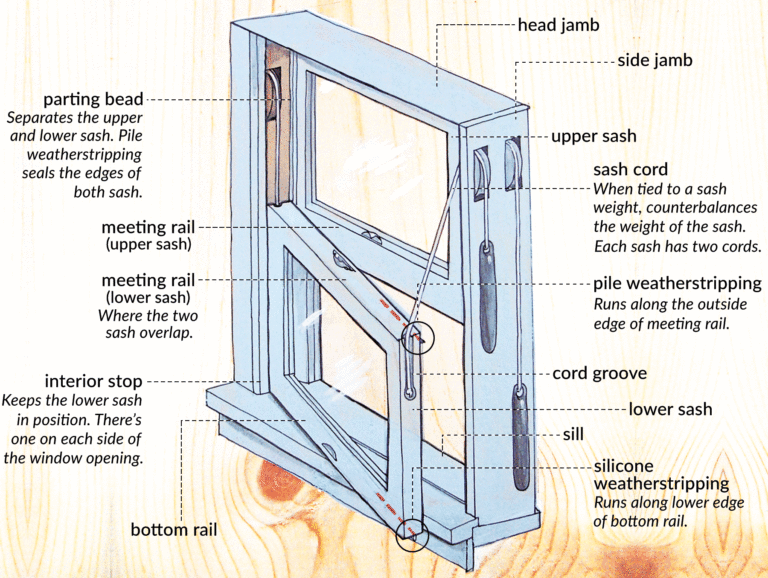
Owners of older properties often face a difficult choice between preserving authenticity and improving performance.
Keep Single-Pane Glass for Historical Accuracy
Some historic districts require original-style single-pane glass to maintain compliance. While less efficient, this option preserves original sightlines, vintage hardware, and architectural integrity.
Upgrade Thoughtfully Without Compromising Style
If upgrades are permitted, consider options that improve efficiency without altering the exterior. Interior storm windows add insulation while leaving the original glass untouched. Weatherstripping kits reduce drafts while keeping original operation intact. Replacement windows with matching profiles blend modern performance with classic design.
Monitor Your Temporary Fix Against Weather
Temporary repairs require ongoing attention to remain effective. Weather changes can quickly undermine even well-installed barriers.
Watch for Wind and Rain Warnings
Strong winds can tear loose plastic or dislodge poorly secured boards. When a storm is forecast, reinforce your fix with additional screws or tape, upgrade from cardboard to plywood if possible, or consider professional boarding if you will be away from home.
Inspect the Repair Daily
Check for peeling tape, water stains on the sill, and any drafts or whistling sounds around the edges. Address any failures immediately to prevent interior damage and keep your home protected.
Know When to Call a Professional
While temporary fixes are manageable for most homeowners, permanent repairs often require expert skills and specialized tools.
Hire a Glazier for Reglazing Work
A professional glazier can cut glass to exact size, properly bed and seal panes, and match historic putty and finishes. This ensures a watertight, long-lasting repair that preserves the window’s appearance.
Consult a Window Specialist for Full Replacements
For full-unit replacements or double-pane retrofits, a qualified contractor ensures proper flashing and waterproofing, level and square installation, and warranty coverage on materials and labor.
Prepare the Frame Before Permanent Repair
Before installing new glass or a replacement unit, proper site preparation ensures a successful long-term result.
Clean the Frame Thoroughly
Remove all old putty, paint chips, and debris from the glass bed. A clean surface ensures a watertight seal and proper adhesion for new glazing materials.
Prime Any Exposed Wood
If the frame shows bare wood after cleanup, apply oil-based primer to prevent moisture absorption and rot. This step extends the life of your repair significantly.
Measure Carefully Before Ordering Materials
For replacement glass or full units, precise measurements are critical. Measure the width and height at three points and use the smallest dimension to ensure a proper fit.
Frequently Asked Questions About Fixing a Broken House Window
What should I do first when a window breaks?
Put on heavy-duty gloves and safety goggles immediately, then remove loose glass from the floor, sill, and frame. Tape a sheet of cardboard over the opening to contain any pieces still clinging to the frame before attempting further cleanup.
Can I use tape alone to cover a broken window?
Tape works for small cracks and chips, but never use tape alone on large openings. Tape lacks the structural strength to resist wind pressure and can fail quickly, allowing the barrier to blow inward during storms.
How long can a temporary window fix last?
Plastic sheeting and cardboard typically last a few days to a week under mild conditions. Plywood secured with screws and sealed edges can last several weeks or even months if monitored regularly and protected from prolonged weather exposure.
Is it worth replacing glass in old wood windows?
Yes, if the frame remains solid and free of rot. Reglazing preserves the historical character of original windows while restoring function. Many old wood frames outlast modern replacements when properly maintained.
Can I install double-pane glass in an old window frame?
Sometimes, but you must verify that the frame can support the added weight and thickness. The sash pocket must be deep enough, and the window must still operate smoothly after installation. A professional can assess whether your specific frame is suitable.
When should I call a professional instead of DIY?
Call a professional for full window replacements, double-pane retrofits, or any repair involving structural frame damage. Professionals also handle precise glass cutting for unusual sizes and ensure proper waterproofing that prevents future problems.
Key Takeaways for Fixing a Broken House Window
Responding quickly and safely to broken house window damage protects your home from weather, intruders, and energy loss. Always start with protective gear and thorough glass removal before applying any temporary fix. Match your repair method to the damage level: tape for small cracks, plastic sheeting for moderate breaks, and plywood for large openings or storm conditions.
For older homes, evaluate the frame’s condition before deciding between reglazing and full replacement. Solid wood frames often deserve restoration, while damaged frames benefit from modern replicas that maintain historic style. Monitor your temporary fix daily and upgrade materials when severe weather approaches.
Your next step is to assess the damage today and gather the right materials before the next emergency. Keep heavy-duty gloves, duct tape, plastic sheeting, and a hairdryer in an accessible kit so you can respond within minutes when a window breaks.