

A cold breeze slipping past your closed window can turn any room into an uncomfortable space and send your energy bills climbing. Drafty windows remain one of the leading causes of heat loss in residential buildings, forcing heating systems to work harder and driving up utility costs. The encouraging reality is that most window drafts respond well to simple, affordable repairs that require no professional help. This guide on how to fix a window draft walks you through proven detection techniques and targeted solutions, from quick weatherstripping fixes to longer-term upgrades like storm windows or full replacements.
You’ll discover exactly where to look for leaks, which materials work best for each type of gap, and when it makes sense to invest in new windows. Whether you face a minor chill near the frame or a serious wind tunnel effect, the right approach can restore comfort and efficiency to your living space.
Pinpoint the Source of the Draft

Before grabbing any sealant, you need to identify exactly where air is entering. Random repairs waste time and money. A few reliable methods help you locate leaks with precision.
Feel for Air Movement with Your Hand
On a breezy day, slowly run your hand along the window frame, focusing on corners and seams. Even subtle drafts feel cooler because moving air carries heat away from your skin. Pay special attention to the top and sides of double-hung windows and the meeting rail where two sashes overlap.
Use Smoke or a Flame for Visual Confirmation
Light a candle or incense stick and move it slowly along the seams between the sash and frame. A flickering flame or wavering smoke trail reveals an active air leak. This method works especially well in areas where your hand cannot easily reach, such as tight corners or along the exterior perimeter.
Look for Visible Signs of Wear
Inspect the window for clear indicators of failure:
– Cracked, peeling, or missing caulk on interior or exterior surfaces
– Compressed, torn, or absent weatherstripping
– Gaps between the window frame and surrounding wall
– Warped wood or sashes that fail to close flush
These problems frequently appear at the top edge and side channels of older windows.
Choose and Install the Right Weatherstripping
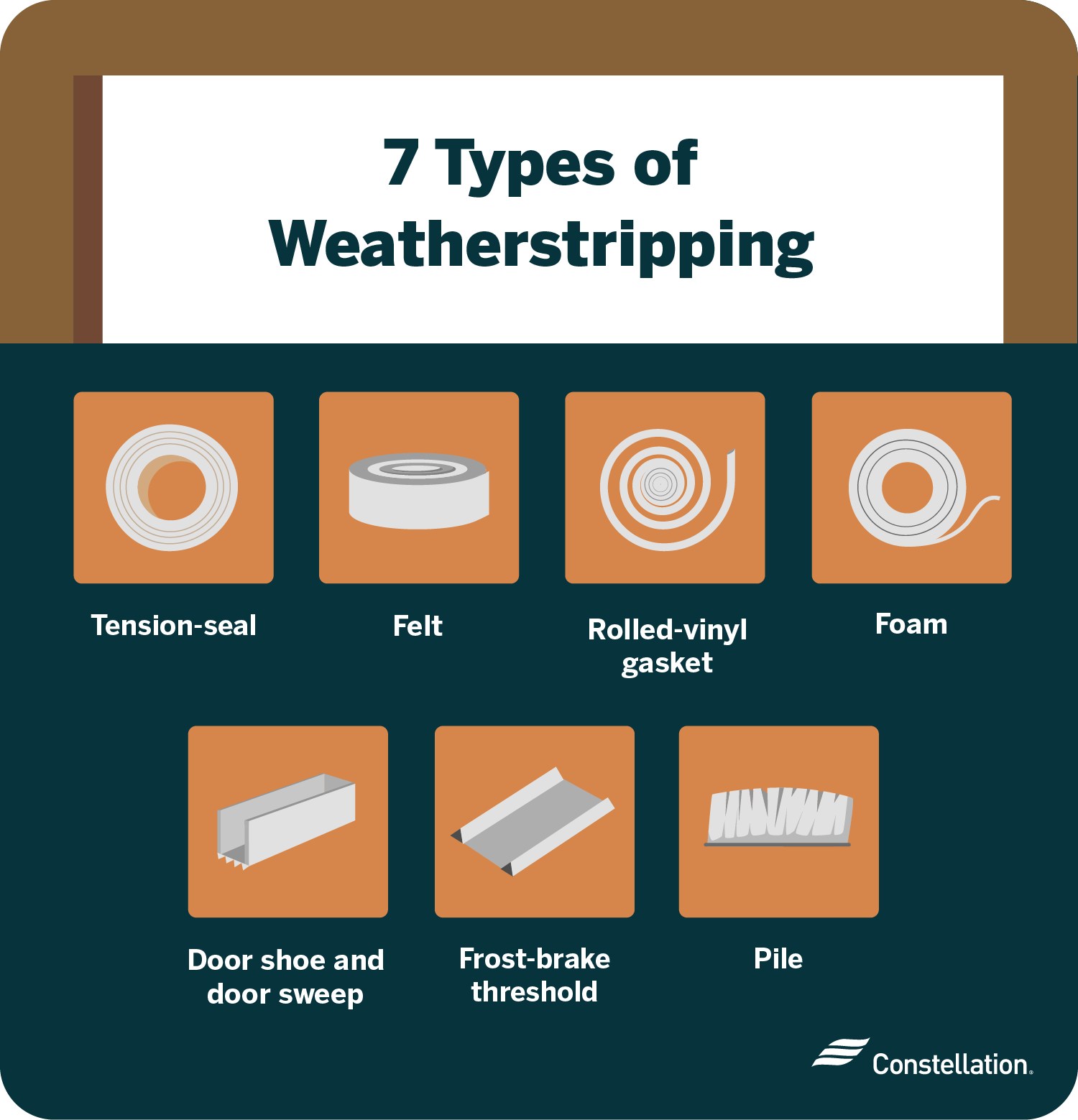
Weatherstripping forms a flexible seal around moving window components. Selecting the correct type and applying it properly ensures smooth operation and lasting protection against drafts.
Match the Material to Your Window Type
Different gaps and window styles call for different weatherstripping products. Using the wrong type can cause binding or rapid wear.
Felt Strips for Uneven Gaps
Felt weather stripping compresses easily and adapts well to irregular gaps, such as a frame that is slightly wider at the bottom. Install it on the frame directly opposite any existing wool pile to create a soft, friction-friendly seal. Self-adhesive versions require no special tools and go on in minutes.
Foam Tape for Small Static Leaks
Adhesive-backed foam tape offers an affordable solution for minor, non-moving gaps. It applies quickly but tends to degrade faster than other materials. Reserve it for low-traffic windows or temporary fixes, and avoid placing it in direct sunlight where it breaks down quickly.
V-Strip for Spring-Loaded Seals
V-strip weatherstripping, also called tension seal, suits vertical sliders and double-hung windows. Made from vinyl or metal, it springs open to fill the gap as the window closes. This durable option handles varying gap widths and lasts for years.
Brush Strips Along the Bottom
Brush strips allow the window to slide freely while blocking airflow at the sill or track. Rigid materials would interfere with operation in this area, making brush designs essential for sealing the bottom edge.
Replace Worn Weatherstripping Annually
Inspect your seals every year, especially before winter. Replace any strips that appear flattened, cracked, or no longer spring back. Clean the surface thoroughly with rubbing alcohol before applying new adhesive strips, and only install on dry, debris-free surfaces for proper adhesion.
Seal Frame Gaps with Quality Caulk
Caulking addresses static leaks where the window frame meets the wall or where fixed components have pulled apart. This step matters most for exterior-facing joints exposed to wind and rain.
Remove Old Caulk Completely
Use a utility knife or caulk removal tool to cut out all deteriorated material. Pulling away failing sealant exposes a clean groove and prevents new caulk from bonding to a weak surface. Skipping this step leads to premature failure of the new seal.
Apply New Sealant Properly
Wipe the area with a dry cloth to remove dust and moisture. Select the right caulk for the location:
– Silicone works best for exteriors due to its flexibility and water resistance
– Acrylic-latex suits interior trim and accepts paint easily
Cut the nozzle at a 45-degree angle and apply a steady, unbroken bead into the gap. Avoid stretching the caulk during application, as this weakens the bond and causes early cracking.
Smooth and Cure the Bead
Run a wet finger or caulking tool along the bead to press it firmly into both surfaces and create a clean finish. Allow the caulk to cure fully, typically 24 hours, before exposing it to rain or applying paint over the surface.
Add Window Insulation Film for Seasonal Protection
Single-pane windows and seasonal drafts benefit from insulation film, which creates a thermal barrier that reduces heat loss and blocks air infiltration.
Apply Double-Sided Tape Around the Frame
Clean the window frame thoroughly before starting. Apply double-sided tape around the entire perimeter, pressing firmly at every point to ensure strong adhesion. This tape holds the film in place while the heat-shrinking process tightens the seal.
Attach and Shrink the Plastic Film
Peel the backing from the tape and press the clear plastic sheet onto the frame. Use a hairdryer to apply heat slowly, starting from one corner and working outward. As the plastic warms, it shrinks taut, eliminating wrinkles and forming an airtight seal that traps a layer of insulating dead air.
This seasonal solution works best during winter months and should be removed in spring when temperatures rise.
Install Storm Windows for Long-Term Improvement
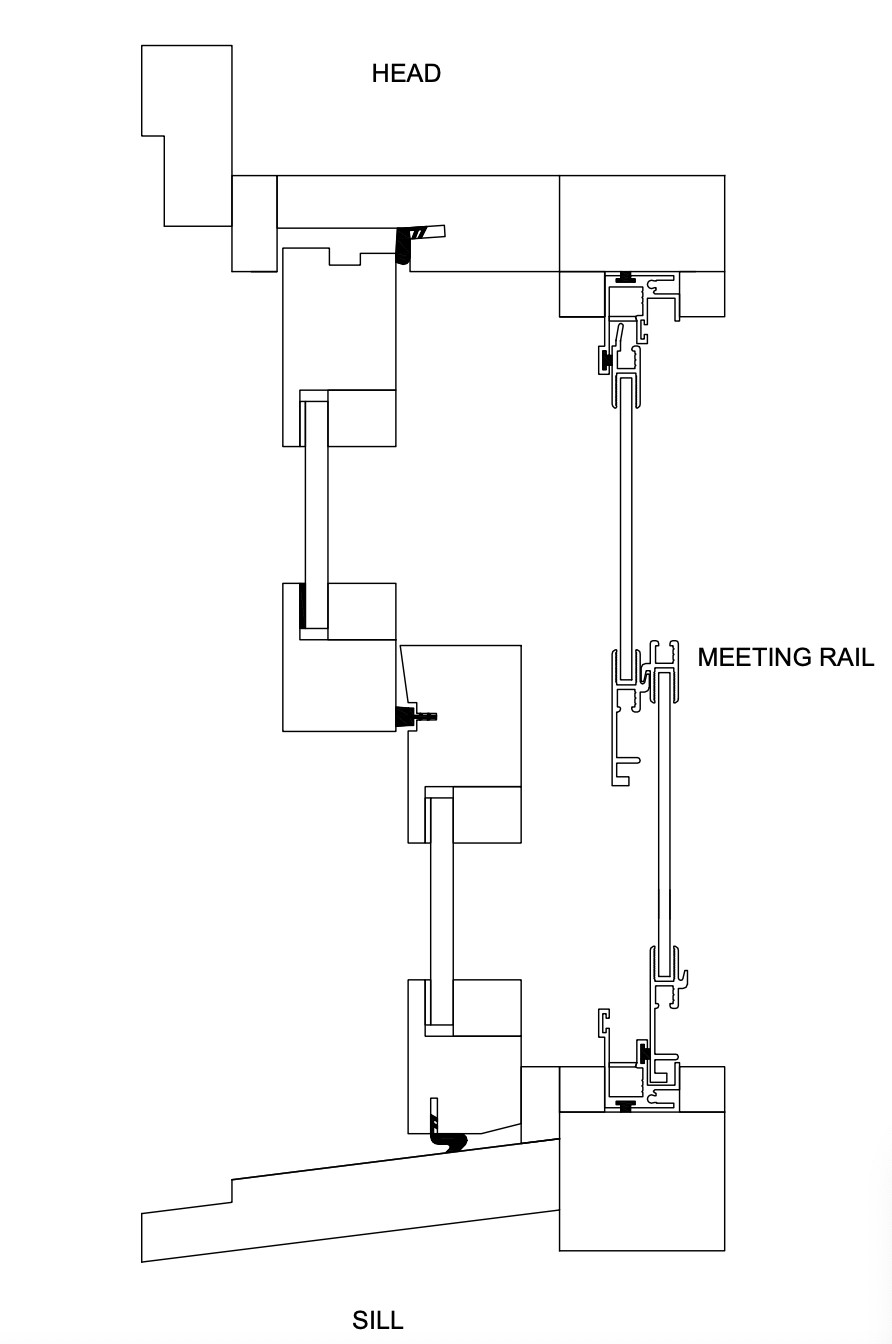
Storm windows add measurable insulation, reduce outside noise, and protect your primary windows from weather damage. They serve as a permanent or semi-permanent upgrade for older homes.
Choose Temporary Panels for Seasonal Use
Magnetic or clip-on acrylic panels install easily over existing windows and provide solid draft protection without permanent modification. These work well for homeowners who want flexibility or live in moderate climates.
Invest in Permanent Storm Window Units
Exterior or interior-mounted storm windows offer year-round benefits. Properly sealed units can cut heat loss by up to 50 percent and suit homes in cold climates with single-pane originals. Unlike films, storm windows preserve the appearance of your existing windows and require no annual removal.
Correct Structural Problems Before Sealing
When standard sealing fails, deeper issues like warped frames or misaligned sashes may be the root cause. These problems require correction before any sealant will perform reliably.
Address Non-Square Frames
If gaps widen toward the bottom, the frame may be out of plumb. Flexible felt weatherstripping compresses to fit uneven spaces, but rigid foam or thick caulk will bind the window and prevent proper closure. For lasting results, verify that the window sits square within its opening.
Adjust or Repair the Sash
If the window sticks or fails to close flush, check the alignment. On double-hung units, adjust the balance system or lubricate the tracks. Sand minor warps on wood windows to restore a tight fit. Severe warping or rot calls for professional repair or full replacement.
Avoid forcing misaligned parts or over-tightening screws, as these actions worsen the gap and damage the frame.
Upgrade to Energy-Efficient Replacement Windows
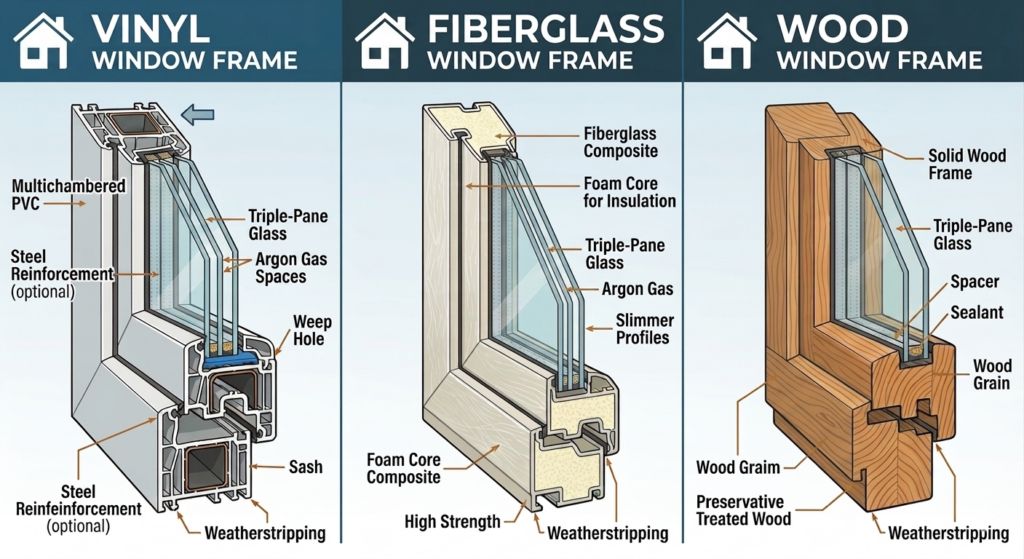
When windows are old, drafty, and beyond reasonable repair, replacement offers the best long-term value. Modern units dramatically improve comfort and reduce energy costs.
Choose ENERGY STAR-Rated Models
Select windows with features that maximize efficiency:
– Double or triple glazing for superior insulation
– Low-E coatings that reflect heat back into the room
– Gas fills such as argon or krypton between panes for better thermal performance
Select the Right Frame Material
Different frame materials offer distinct advantages:
– Vinyl delivers low maintenance, solid insulation, and budget-friendly pricing
– Fiberglass provides exceptional strength and stability in extreme temperatures
– Wood offers beautiful aesthetics and excellent insulation but requires regular painting and sealing
Ensure Professional Installation
Even the highest-quality window fails when installed poorly. Hire a qualified installer to verify proper flashing, square mounting, and complete sealing around the frame. A correct installation eliminates drafts permanently and protects against water intrusion.
Maintain Draft-Free Windows Year After Year
Prevention is far easier than repair. Regular care keeps your windows performing their best and catches small problems before they become major drafts.
Inspect Every Window Annually
Check all windows each fall before heating season begins. Use the hand or incense test to identify new leaks. Look for worn weatherstripping, cracked caulk, and drafts at sash edges or frame joints. Early detection saves money on both repairs and energy bills.
Clean and Lubricate Moving Parts
Dirt and debris prevent tight seals and smooth operation. Vacuum the tracks and wipe them with a damp cloth. Apply silicone spray to lubricate moving components. Avoid oil-based lubricants, which attract dust and gum up the mechanism.
Add Thermal Window Treatments
Heavy curtains or cellular shades provide an extra insulation layer. Close them at night to trap heat near the window, and make sure they extend beyond the frame to prevent air from bypassing the fabric. These treatments work alongside other draft fixes to maximize comfort.
Frequently Asked Questions About Window Drafts
What is the cheapest way to fix a window draft?
Weatherstripping and caulk offer the most affordable solutions for most drafts. A basic kit costs only a few dollars and addresses the majority of common leaks. Window insulation film provides another low-cost option for seasonal protection on single-pane windows.
How do I know if my window needs replacement instead of repair?
Consider replacement when windows show severe warping, extensive rot, or persistent drafts despite multiple repair attempts. Single-pane glass in cold climates also justifies replacement, as modern double or triple-pane units dramatically outperform older designs.
Can I fix a window draft in winter?
Yes, most weatherstripping and caulking products cure properly at moderate winter temperatures. Window insulation film works especially well in cold months. Avoid applying caulk below the manufacturer’s recommended temperature, typically around 40 degrees Fahrenheit.
How much money do drafty windows really cost?
Energy loss through drafty windows can increase heating and cooling costs by 10 to 25 percent, depending on severity and climate. Sealing drafts typically pays for itself within one heating season through reduced utility bills.
Do magnetic or clip-on storm windows actually work?
Yes, properly installed temporary storm panels significantly reduce drafts and heat loss. They create an insulating air pocket similar to permanent units and work well for seasonal use in moderate climates.
How often should I replace weatherstripping?
Inspect weatherstripping annually and replace it when it appears compressed, cracked, or no longer springs back. Foam varieties typically need replacement every one to two years, while felt and metal options last much longer with proper care.
Key Takeaways for Fixing Window Drafts Successfully
Learning how to fix a window draft starts with accurate detection and matching the right solution to each type of leak. Weatherstripping handles moving parts and irregular gaps, while caulk seals static joints between the frame and wall. Insulation film and storm windows add extra thermal barriers for older or single-pane units, and full replacement becomes the smart choice when windows are beyond repair.
Begin with a thorough inspection using the hand and incense tests to identify every leak. Apply weatherstripping to moving parts, caulk to stationary gaps, and consider film or storm windows for added insulation. For severe cases or aging windows, invest in ENERGY STAR-rated replacements installed by a qualified professional.
Your next step is simple: pick a windy day, test your windows, and start with the most affordable fixes. Most homeowners see immediate comfort improvements and notice lower energy bills within the first month. A draft-free home is well within reach, and the savings continue year after year.