
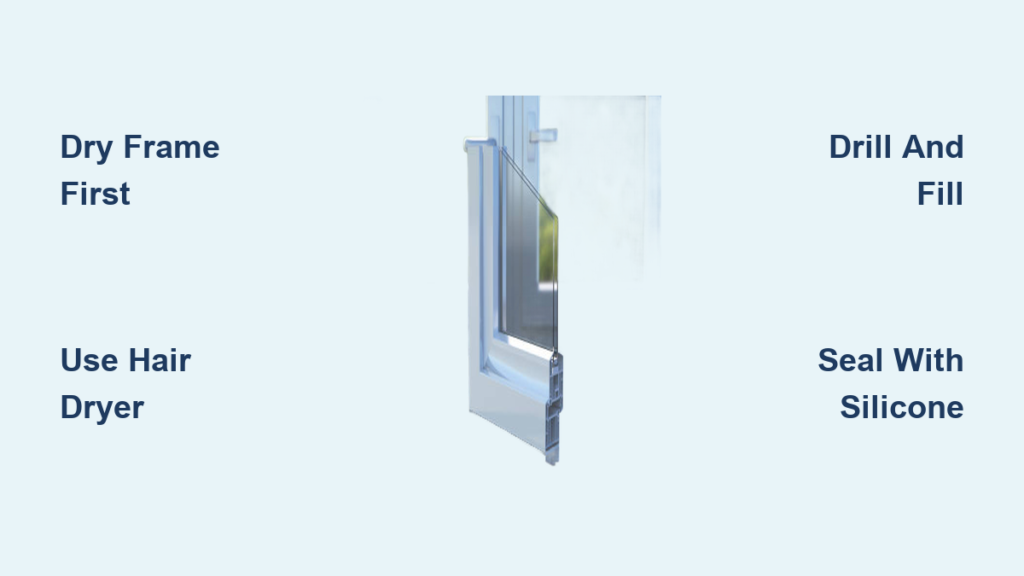
Foggy double pane windows are more than an eyesore. They signal failed insulation and rising energy costs. When moisture becomes trapped between the glass layers, the window’s seal has broken, allowing humid air to seep inside. As temperatures shift, that moisture condenses and evaporates repeatedly, leaving behind stubborn mineral streaks and permanent haze. While many homeowners assume full window replacement is the only fix, you can actually get moisture out of double pane windows using targeted DIY methods or professional repair services.
This guide breaks down every effective solution, from quick drying techniques to long-term defogging systems. You will learn how to identify the moisture source, dry out internal condensation safely, seal leaks permanently, and restore clarity without replacing the entire unit. Whether you are dealing with minor fogging or years of built-up residue, there is a method that fits your situation and budget.
Pinpoint Where the Moisture Is Coming From
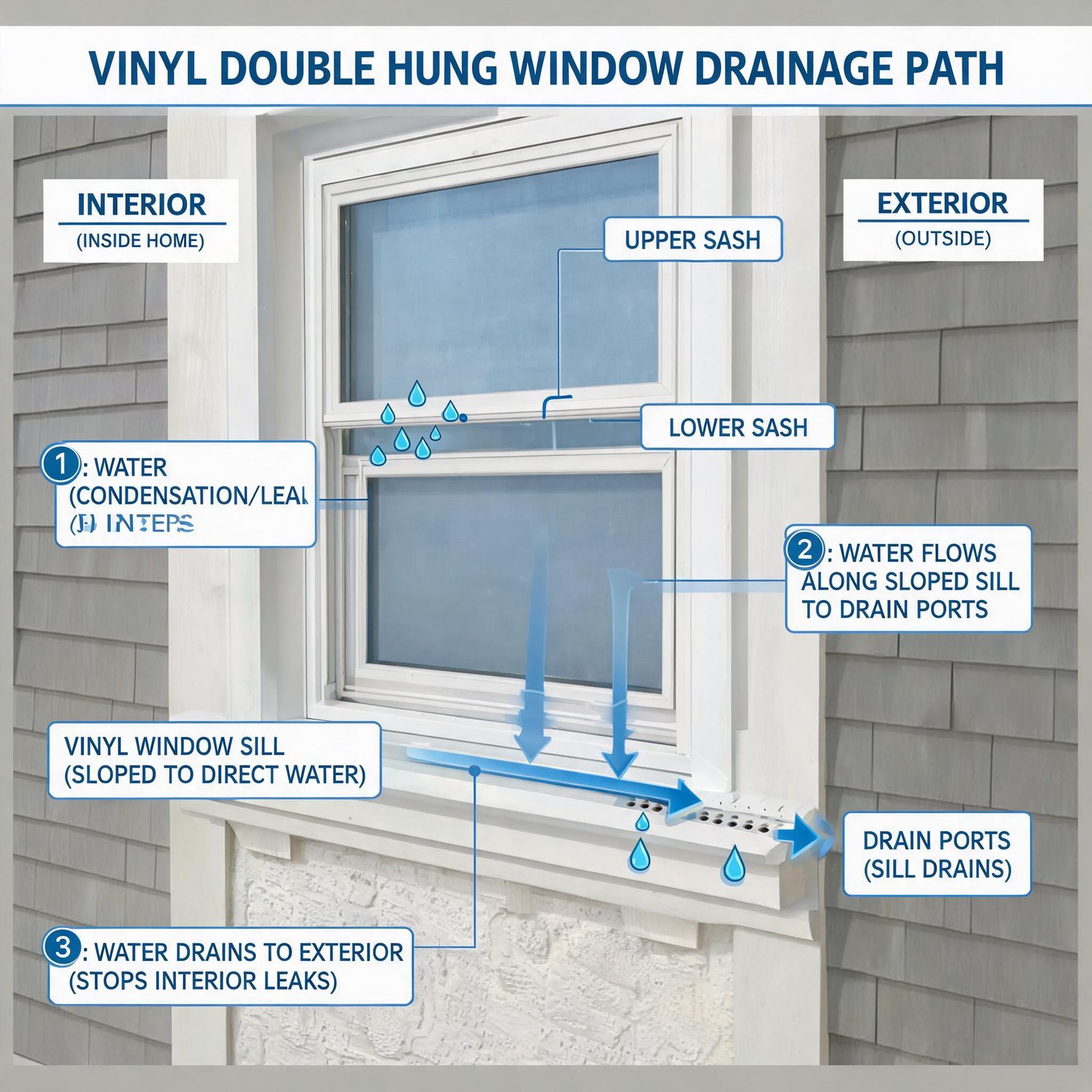
Before attempting any drying or repair, you need to determine where the moisture originates. Not all fogging stems from a failed glass seal. Sometimes water enters through the window frame itself.
Test for Frame Water Intrusion
Press firmly on the bottom of the exterior window frame. If bubbles appear in the foggy area or you see moisture moving between the panes, water has likely pooled inside the frame cavity. This is common in builder-grade vinyl windows where drainage paths are blocked or seals degrade over time.
Why it matters: Drying the glass without fixing the frame leak is pointless. Rain will simply refill the cavity and re-fog the window within days.
Distinguish Between Seal Failure Types
- Edge seal failure: Fogging spreads across the entire gap, worst at the edges. This is the classic sign of a broken factory seal.
- Desiccant exhaustion: The internal drying agent has become saturated, and moisture builds slowly over years.
- Frame-based intrusion: Fog appears after rainstorms and clears when dry, pointing to external leaks.
Fixing the real source prevents wasted effort and ensures lasting results.
Dry the Exterior Frame Before Anything Else
If water has entered the frame, you must remove it before addressing the glass.
Use High-Velocity Air Instead of Heat
A hair dryer lacks the airflow needed to clear trapped water from deep frame channels. A leaf blower delivers the volume required to force moisture out effectively.
Step-by-Step Procedure:
- Position the blower nozzle at the gap between the frame and siding.
- Blow air upward along the bottom rail and vertical jambs.
- Continue for 10 to 15 minutes until no more water drains from weep holes.
- Let the frame sit in direct sunlight for several hours to ensure full drying.
Pro tip: Perform this on a warm, dry day to maximize evaporation and speed up the process.
Evaporate Moisture Trapped Between the Panes

Once the frame is dry, target the moisture sealed inside the glass unit.
Apply Heat from Bottom to Top
Use a hair dryer on high heat to evaporate condensation inside the sealed unit.
Step-by-Step Procedure:
- Start at the bottom edge, where water naturally pools.
- Slowly move upward as vapor rises.
- Focus on corners and edges where moisture lingers longest.
- Continue for 30 to 60 minutes, depending on window size.
- Climb a ladder to inspect the top; any remaining haze means incomplete drying.
Warning: Do not overheat one spot. Glass can crack under thermal stress. Keep the dryer moving constantly.
Recognize When Heat Alone Will Not Work
If the window has been foggy for over a year, mineral deposits from evaporated water form permanent stains. Heat will not remove these. You will need chemical cleaning through professional defogging.
Seal the Window to Prevent Future Moisture Entry
After drying, block future water intrusion with a durable exterior seal.
Choose 100% Waterproof Silicone
Standard caulk fails under UV exposure and temperature swings. You need UV-resistant, mold-proof silicone designed for outdoor use.
Application Steps:
- Clean the frame-to-wall joint with isopropyl alcohol.
- Cut a small tip on the caulk tube for precision.
- Apply a thin, continuous bead along the seam between the window frame and siding.
- Extend a second bead 2 to 3 inches up the side jambs to block runoff.
- Avoid touching the sealant. It dries clear and nearly invisible on its own.
Maintenance: Inspect annually and reapply if cracks or peeling appear.
Hire a Professional for Drill-and-Fill Defogging
For long-term fogging with mineral stains, a technician can perform professional defogging without replacing the glass.
How the Drill-and-Fill Process Works
This specialized procedure cleans the interior space and installs a permanent ventilation system.
Step 1: Drill Access Holes
Two small 3/8-inch holes are drilled into the glass unit. One hole goes near the bottom corner, and the second goes near the top corner. Holes are placed in the spacer bar edge to minimize visibility. For tempered glass, technicians verify tempering marks before drilling.
Step 2: Clean Interior Surfaces
A micro-spray system injects multiple solutions through the holes:
- Wash solution to loosen grime
- Cleaning agent to dissolve organic residue
- Demineralizer to break down hard water stains and silica deposits
- Rinse solution to flush out contaminants
- Drying agent to prepare for vacuum extraction
Step 3: Vacuum Out All Contaminants
A mini vacuum pulls out fluids, debris, and moisture, leaving the cavity completely clean and dry.
Step 4: Install a One-Way Vent
A defogger device is inserted into the lower hole. This one-way valve allows trapped vapor to escape during temperature shifts while blocking liquid water and dust from entering.
Result: Clear glass and restored insulation value, often lasting 10 or more years.
Replace Just the Sash When the Frame Is Still Good
If the glass unit is beyond repair but the frame remains intact, consider replacing only the sash.
Best Candidates for Sash Replacement
- Non-opening windows such as picture, transom, or sidelight styles
- Frames in good condition with no rot or warping
Cost and Process Overview
- Price: Approximately 50% of full window replacement
- Steps: Remove the old sash, install a new double-pane unit, then re-seal and test
Where to source: Contact the original manufacturer first. If the model is discontinued, local glass shops can custom-build matching sashes.
Check Your Manufacturer Warranty First
Many window brands offer 10 to 20 year warranties against seal failure and fogging.
Action Steps to Take:
- Locate the manufacturer label, usually printed on the spacer bar
- Visit the brand website or call customer service
- Submit a claim even for older or discontinued models
Some companies cover full replacement at little or no cost. Never pay for repairs before checking your eligibility.
Compare All Repair Options Side by Side

| Solution | Cost | Longevity | Best For |
|---|---|---|---|
| DIY Drying and Sealing | Under $20 | 3 to 5 years | Recent fog and minor leaks |
| Professional Defogging | 10 to 50% of replacement | 10+ years | Stained glass and long-term fog |
| Sash Replacement | About 50% of full cost | Permanent | Fixed windows with good frames |
| Full Window Replacement | 100% | Permanent | Broken glass and rotted frames |
Bottom line: Defogging offers the best value for pure moisture removal. DIY works well as a temporary fix.
Avoid These Common Mistakes
Do Not Use Latex or Acrylic Caulk
These degrade quickly outdoors. Only 100% silicone provides lasting waterproofing for window seals.
Do Not Skip Frame Drying
Sealing a wet frame traps moisture inside and causes immediate re-fogging.
Do Not Attempt DIY Drilling
Drilling into double-pane glass requires precision tools. One wrong move can shatter tempered glass or create bigger leaks.
Do Not Trust Magnetic Cleaners
Marketed for aquariums, these do not work on sealed windows and can scratch Low-E coatings.
Maintain Your Repairs for Maximum Lifespan
For DIY Seals:
- Inspect the silicone bead annually
- Reapply if cracked or peeling
- Keep gutters clean to reduce water exposure near windows
For Defogged Windows:
- No active maintenance needed for the vent
- Avoid pressure washing near the drilled holes
- Watch for recurring fog, which may indicate vent failure
Know When Replacement Is the Only Option
Some damage cannot be repaired. Replace the window if:
- Glass is cracked or warped
- Frame is rotted or loose
- Sealant fails repeatedly
- Defogging does not clear the haze, which means coating damage
In these cases, sash replacement or full window installation is the only permanent solution.
Frequently Asked Questions About Double Pane Window Moisture
Can moisture in double pane windows go away on its own?
No. Once the seal fails and moisture enters the space between panes, it will not evaporate naturally. The sealed environment traps humidity inside, and temperature cycles cause ongoing condensation and mineral buildup.
How long does professional defogging last?
Professional defogging typically lasts 10 years or more when properly performed. The one-way vent regulates pressure and allows vapor to escape while blocking liquid water, preventing future fogging in most cases.
Is it worth repairing a foggy double pane window?
Yes, in many cases. Professional defogging costs 10 to 50% of full replacement while restoring clarity and insulation value. DIY sealing extends window life by 3 to 5 years for minimal cost. Both options beat the expense of full replacement when the frame is still sound.
Will a hair dryer really remove moisture from double pane windows?
A hair dryer can evaporate minor moisture in recently fogged windows. However, it works only for light condensation without mineral deposits. Long-term fogging requires professional chemical cleaning because heat alone cannot dissolve hardened mineral stains.
Does homeowners insurance cover foggy windows?
Most policies do not cover seal failure because it is considered gradual wear and tear. Coverage may apply if window damage resulted from a covered event like a storm or accident. Check your specific policy terms for details.
Can you drill holes in tempered glass to defog a window?
Yes, but only by trained professionals. Tempered glass can be drilled at the edges where the seal is accessible. Technicians check for tempering marks before proceeding to avoid shattering the glass.
Key Takeaways for Removing Moisture from Double Pane Windows

Getting moisture out of double pane windows is achievable without full replacement. For recent fog and minor leaks, dry the frame with a leaf blower, heat the glass with a hair dryer, and seal with 100% silicone for a 3 to 5 year fix. For stubborn haze and mineral stains, professional defogging restores clarity and insulation at a fraction of replacement cost.
Always check your warranty before spending money on repairs. Identify the moisture source first, because sealing over an active leak guarantees failure. With the right approach matched to your window’s condition, clear, efficient windows are within reach without the cost of complete replacement.