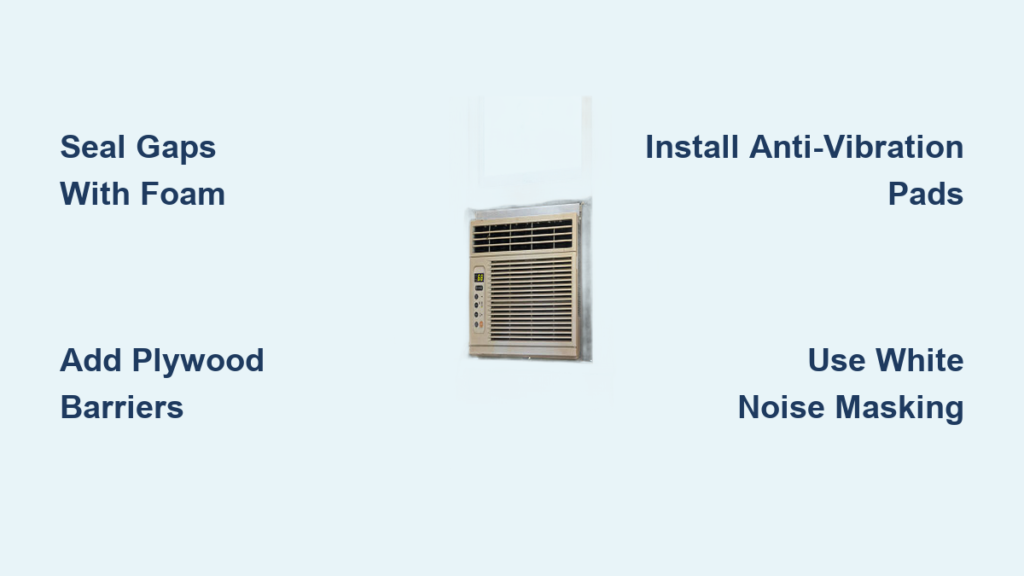
If you’ve ever tried to fall asleep with a window air conditioner humming, buzzing, or rattling outside your bedroom, you know how disruptive that noise can be. Even modern units produce 50 to 70 decibels of sound, similar to a busy office or a running dishwasher. The good news is you don’t need to replace your AC to quiet it down.
This guide reveals proven strategies for making a window AC quieter using simple, cost-effective methods that work for renters and homeowners alike. You will learn how to seal every air path, choose the right materials, and apply solutions tailored to your living situation. Whether your unit rattles from loose parts or lets in street noise, these fixes will help you reclaim peace and quiet.
Seal All Gaps Around the Unit

Sound travels through air like water through cracks. Even tiny openings around your window AC can let in a surprising amount of noise. Sealing these gaps is the most effective first step when learning how to make window AC quieter.
Use Foam Weatherstripping for Small Gaps
Self-adhesive foam strips offer an easy, removable way to seal the edges where the AC meets the window frame. These compress slightly when the window closes, creating a tight seal that blocks both noise and drafts.
- Apply foam weatherstripping to the top, sides, and bottom of the window frame before inserting the unit
- Choose high-density acoustic foam for better sound absorption
- Select removable foam if you rent to avoid damage on move-out
This fix takes under 10 minutes and can reduce high-frequency noise like whistling or hissing caused by airflow.
Install High-Density Foam Boards
For larger gaps, especially between the window sill and the bottom of the unit, standard foam won’t cut it. Use rigid pink or blue insulation foam boards that are 1 to 2 inches thick to create a solid barrier.
- Measure the gap between the window sash and the AC chassis
- Cut foam pieces slightly larger than the opening for a snug friction fit
- Slide the foam into place from the inside, pressing firmly until it seals the space
- Cover the accordion-style side panels completely with foam to stop sound leakage
This method works well for urban apartments where traffic noise sneaks in around the unit. It also stays renter-friendly since the foam removes cleanly.
Add Mass to Block Sound Transmission

More mass between you and the AC means less noise gets through. Lightweight plastic side panels do little to block sound. Replacing or reinforcing them with denser materials dramatically improves sound insulation.
Upgrade to Rigid Plywood Barriers
Plywood at ½ inch or thicker acts as a sound-blocking wall. Unlike flimsy plastic, it doesn’t vibrate when sound hits it, which means less noise transmission.
Full Replacement Method for Homeowners
If you can safely remove the AC, follow these steps:
- Take the unit out and clear away old side panels
- Cut plywood to fit each side of the window opening
- Seal the edges with caulk or foam tape to eliminate air paths
- Reinstall the AC into the new rigid frame
This creates a near-airtight, soundproof enclosure. You will notice a major drop in outdoor noise.
Overlay Method for Renters
If removing the unit isn’t safe or allowed, try this approach:
- Cut plywood slightly larger than the side opening
- Attach it over the existing accordion panels on the interior or exterior
- Seal all edges with removable foam tape to prevent gaps
While not as effective as full replacement, this still adds significant mass and blocks much more sound than plastic alone.
Use Soundproof Window Blankets
A heavy, quilted window blanket hung over the entire AC and window frame can absorb sound and add another layer of insulation.
- Choose blankets with built-in foam or mass-loaded vinyl layers
- Hang from a tension rod or track system for tool-free installation
- Ensure the blanket covers the whole unit, including side fillers
These also improve energy efficiency by reducing heat transfer, which helps your AC run quieter and more efficiently.
Stop Vibration and Rattling Noise
Mechanical noise like buzzing, shaking, or rattling often comes from vibration transferring from the AC to the window frame or wall. Fixing this reduces noise and can extend your unit’s life.
Level the Air Conditioner
An unlevel unit vibrates more and drains improperly. It should tilt slightly backward, about ¼ inch, so condensation flows outside.
- Use a small level to check alignment
- Adjust the front feet or add shims under the unit if needed
- Recheck after installing any barriers, as foam or plywood can shift the position
Proper leveling reduces strain on internal components and eliminates many common rattles.
Install Anti-Vibration Pads
Rubber pads placed under the unit’s feet absorb mechanical vibrations before they transfer to the structure.
- Buy rubber isolation pads from a hardware store designed for appliances
- Place one under each foot of the AC
- Ensure the unit remains stable and doesn’t wobble
This affordable fix can silence low-frequency humming and shaking, especially effective in older buildings with thin walls.
Block Outdoor Noise When AC Is Off
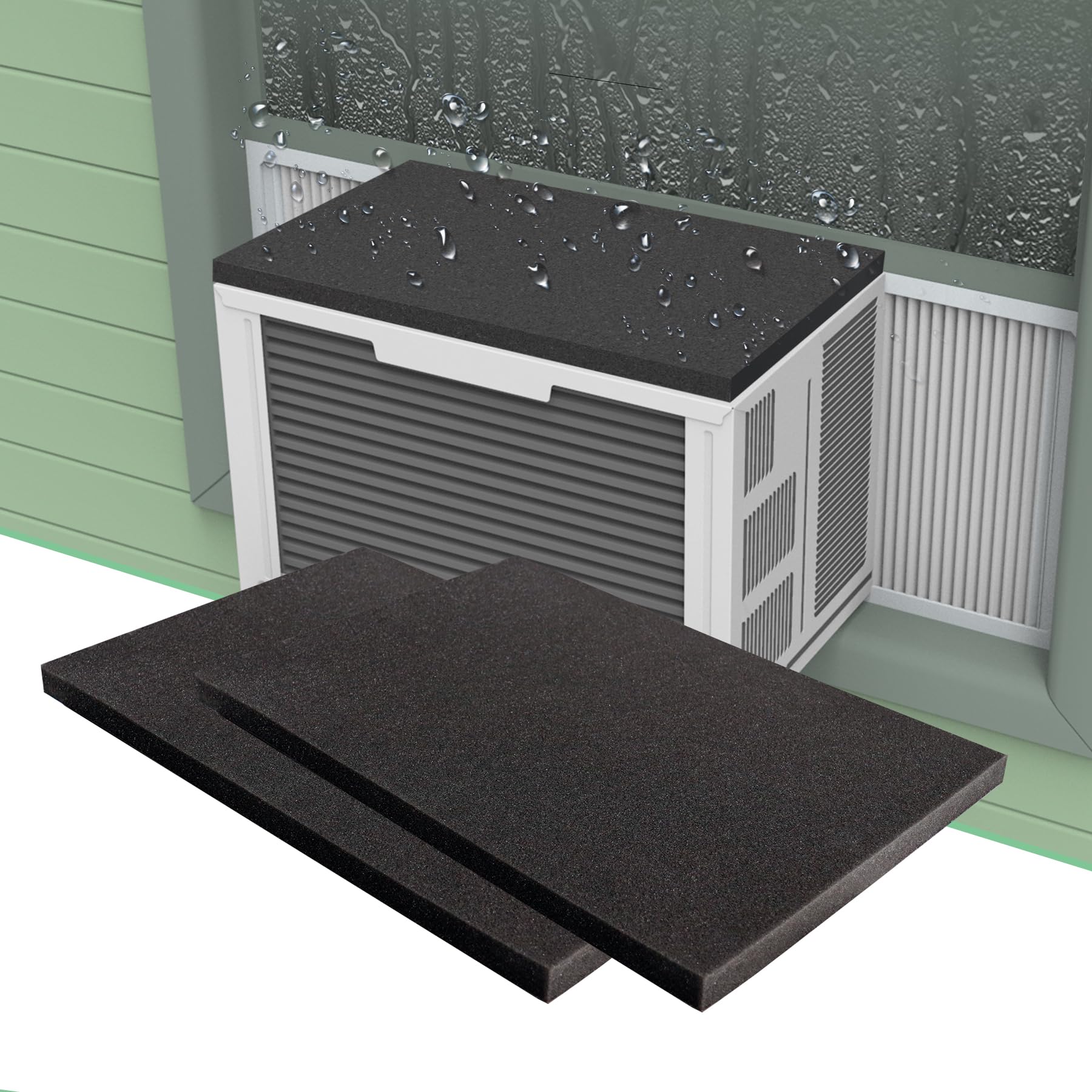
Even when turned off, a window AC acts like an open window, letting in street noise, voices, and traffic. A temporary cover solves this without removing the unit.
Create a Removable Foam Front Cover
Cut a piece of 2-inch rigid foam board to fit the outdoor-facing side of the unit.
- Slide it into the window track from the inside when the AC is off
- Use clips or Velcro to hold it in place if needed
- Remove before turning the AC back on
This blocks sound entry during cooler nights or off-seasons. Store it flat and dry to prevent warping.
Use Sound Masking for Better Sleep
Sometimes, eliminating all noise isn’t possible. In those cases, making the noise less noticeable is the next best thing.
Run a White Noise Machine or Fan
A steady background sound masks the irregular hums, clicks, and cycles of an AC.
- Place a white noise machine or box fan near your bed
- Use smartphone apps with nature sounds or pink noise
- Set volume just loud enough to cover the AC’s tonal frequencies
This doesn’t reduce actual noise levels but makes it easier to fall and stay asleep, which is ideal for light sleepers.
Follow Core Soundproofing Principles

To get lasting results, apply these foundational rules of noise control. They explain why some fixes work better than others.
Block Every Air Path
If light can shine through, sound can travel through. Even a 1/8-inch gap can undermine your entire effort.
- Shine a flashlight from the outside at night to find leaks
- Seal every seam with foam tape, caulk, or friction-fit boards
- Don’t forget the top and bottom of the unit
Complete sealing not only quiets the AC but improves cooling efficiency by stopping hot air infiltration.
Prioritize Rigidity Over Flexibility
Flimsy plastic side panels vibrate like drum skins when sound hits them. Rigid materials like plywood or thick foam don’t resonate, so they block sound better.
- Replace accordion panels with solid barriers
- Avoid fabric-only covers unless layered with mass
- Use stiff materials that hold their shape under pressure
Rigidity is key to stopping both airborne and structure-borne noise.
Treat the AC as a Noise Amplifier
Your window AC isn’t just a source of mechanical noise. It can amplify outdoor sounds if gaps exist. A poorly sealed unit turns the chassis into a sound conduit.
- Fix gaps to prevent resonance
- Add mass to dampen vibrations
- Keep the unit clean and well-maintained to avoid internal rattling
A tightly sealed, stabilized unit will always run quieter.
Choose the Right Fix for Your Situation

Not every solution fits every home. Match your method to your living conditions and noise problem.
Renter-Friendly Quiet Fixes
If you can’t make permanent changes, try these reversible options:
- Use removable foam boards and window blankets
- Apply self-adhesive weatherstripping
- Add anti-vibration pads and rearrange furniture
- Use white noise for sleep
All these leave no trace and protect your security deposit.
Homeowner-Grade Soundproofing
For maximum noise reduction, consider these permanent upgrades:
- Install ½-inch plywood barriers with caulked edges
- Use permanent foam sealing and drainage-safe fits
- Consider a quieter AC model if your current unit is over 10 years old
These upgrades pay off in comfort and energy savings.
Quick Fixes for Rentals or Vacations
No tools? No problem. Try these simple solutions:
- Level the unit by adjusting feet
- Place a bookshelf in front of the AC
- Run a fan or phone app for sound masking
- Hang thick curtains over the window
Even small changes can make a noticeable difference.
Maintain Your Quiet Setup
A well-sealed AC stays quiet longer, but only if maintained.
Check for Gaps Yearly
Foam can compress, and seals can degrade. Inspect your setup each spring:
- Look for light leaks or loose edges
- Replace worn foam or reapply tape
- Re-level the unit if it has shifted
Avoid Blocking Drainage
Never cover or obstruct the AC’s drainage path:
- Keep the backward tilt of ¼ inch intact
- Don’t block drain holes with foam or plywood
- Watch for water pooling inside or outside
Proper drainage prevents mold, corrosion, and noise from water sloshing.
Store Off-Season Covers Properly
If you use removable foam fronts or blankets:
- Clean and dry them before storage
- Keep flat in a cool, dry place
- Avoid folding or stacking heavy items on them
This prevents warping and extends their life.
Frequently Asked Questions About Window AC Noise
What is the quietest way to run a window air conditioner?
Set the fan speed to low and use the “dry” or “fan only” mode when full cooling isn’t needed. Keeping the unit level and well-sealed with foam weatherstripping also reduces operational noise significantly.
Can you soundproof a window AC unit?
Yes. Sealing all gaps with high-density foam boards, adding rigid plywood barriers, and installing anti-vibration pads can dramatically reduce noise. White noise machines can mask any remaining sound for sleep.
How do I stop my window AC from rattling?
Check that the unit is level with a slight backward tilt. Place rubber anti-vibration pads under each foot. Tighten any loose screws on the chassis and ensure the side panels fit snugly without gaps.
Are soundproof curtains effective for window AC noise?
They help moderately. Heavy quilted blankets with foam layers absorb sound and add mass. They work best when combined with foam sealing around the unit’s edges.
Is it cheaper to repair a noisy AC or buy a new one?
Repairing with foam, plywood, and anti-vibration pads costs between $20 and $100. A new quiet unit costs $300 or more. Soundproofing is usually the better value unless your AC is over 10 years old and inefficient.
Will sealing my window AC make it less efficient?
No. Proper sealing actually improves efficiency by preventing hot air infiltration. Just ensure you don’t block drainage holes and maintain the slight backward tilt for condensation to flow outside.
Key Takeaways for a Quieter Window AC
You don’t need a new air conditioner to enjoy a quieter home. By sealing gaps, adding mass, stopping vibrations, and using smart masking, you can cut window AC noise by 50% or more.
Start with foam sealing and leveling. These are simple, cheap, and effective first steps. Then layer on more advanced solutions like plywood barriers or sound blankets if needed. Whether you’re in a noisy city apartment or a suburban home, these proven methods will help you sleep better and stay cool in peace.
Your next step: grab a flashlight tonight, inspect your window AC for light leaks, and seal the first gap you find. You will likely notice quieter operation within minutes.