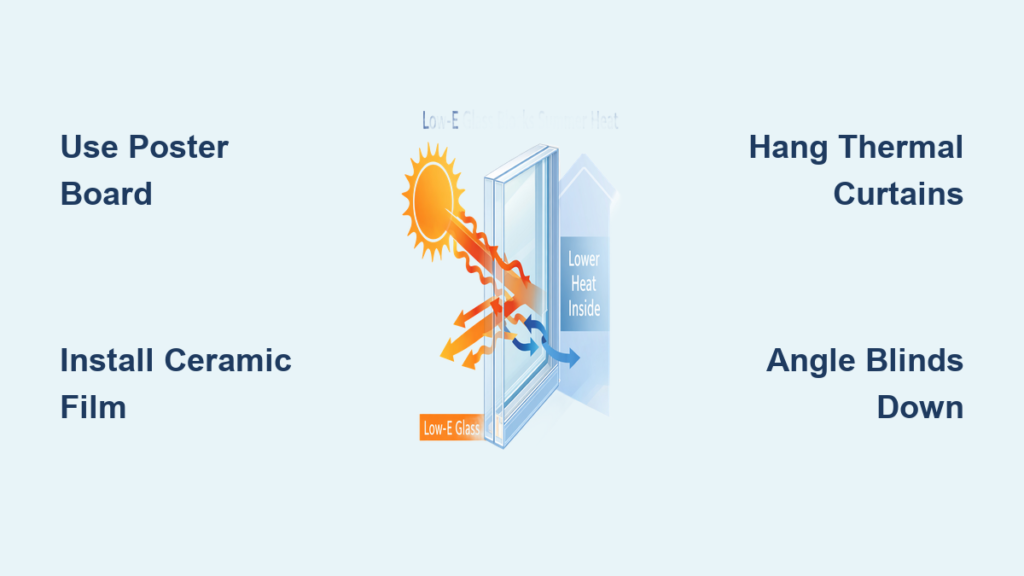
Summer sun pouring through your windows can turn any room into a greenhouse. Unshielded glass lets in 300 to 320 BTUs of heat per square foot on a sunny day, forcing your AC to work overtime and driving up energy bills. The good news? You don’t need a full renovation to fight back. From a $1 DIY poster board trick to advanced ceramic window films, real-world testing shows some methods can slash indoor heat by up to 13°C (23°F). This guide reveals the most effective, science-backed ways to block solar heat, ranked by performance, cost, and ease.
Block Heat with White Poster Board
One of the most effective DIY heat blockers isn’t high-tech. It’s a standard white poster board. When placed against a sunny window, it reflects solar radiation and insulates the glass. This method delivers the highest temperature reduction among low-cost options.
Install White Panels Fast
Cut the board to fit your window frame exactly. Use one panel at the top and one at the bottom. Add more if gaps remain. Secure with removable clips or low-residue tape. No tools or permanent changes needed. Installation takes under 30 seconds, and removal is instant when you want light or airflow.
See the Temperature Drop
Thermal imaging shows bare glass hits 41.7°C (107°F) in direct sun. With a poster board in place, surface temperature drops to 28.7°C (84°F). That’s a 13°C (23°F) reduction, the highest among low-cost methods. The white board blends in from outside, maintaining curb appeal while blocking the bulk of solar energy.
Use During Peak Sun Hours
For best results, apply the board between 10:00 AM and 4:00 PM, when solar intensity peaks. Remove it in the evening to allow ventilation. Each panel costs about $1, making full-window coverage as cheap as $2 to $4. Ideal for renters or anyone avoiding permanent modifications.
Pro Tip: Store panels flat when not in use to prevent warping. Reuse them season after season.
Apply Ceramic Window Film
Modern ceramic window films are a game-changer for permanent heat control. Unlike old, bubbly films from the 90s, today’s versions block heat without darkening your view.
Choose Clear or Tinted Options
Clear ceramic film cuts solar heat transmission by nearly 50%, halving the BTU load. Darker or reflective films can block up to 75% of heat, depending on the shade. Both types offer 99% UV protection, shielding furniture, flooring, and artwork from fading.
Maintain Visibility and Clarity
You won’t even notice clear film is there. It reduces glare, perfect for home offices or living rooms with TVs, while keeping your outdoor views intact. Unlike dyed films that fade, ceramic technology resists discoloration and lasts for years. Many brands offer lifetime warranties, making them a durable investment.
Install Without Professional Help
DIY installation is straightforward. Follow these steps:
- Clean the glass thoroughly with isopropyl alcohol to prevent bubbles.
- Spray the window with soapy water.
- Peel the film backing and apply slowly using a squeegee to remove air and moisture.
- Trim edges with a utility knife.
No special tools required. Once on, clean like regular glass.
Warning: Avoid ammonia-based cleaners. They can damage the film over time.
Hang Thermal Blackout Curtains
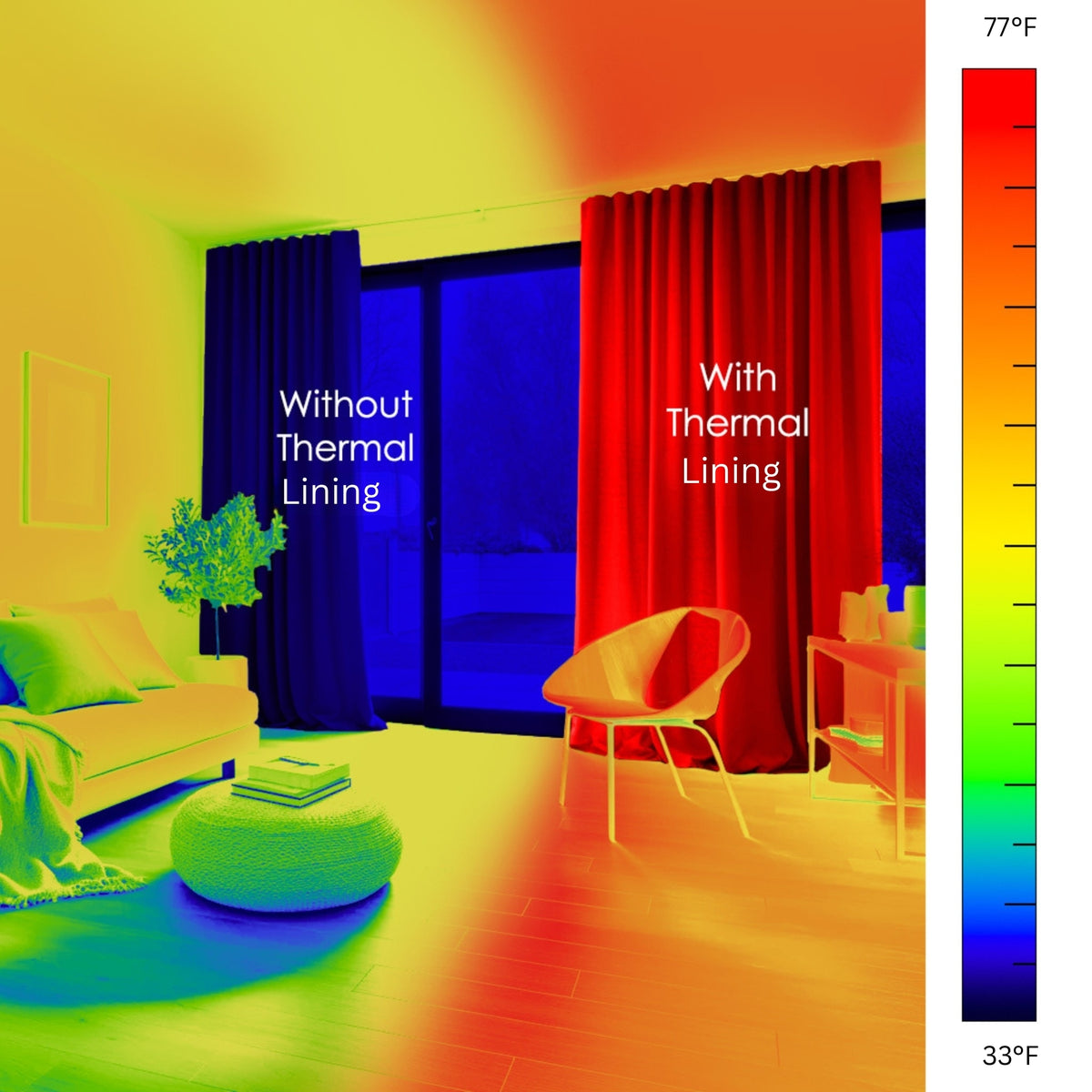
Not all blackout curtains reduce heat. Look for ones with thermal liners. These layered fabrics create an insulating barrier that stops heat transfer.
Pick Curtains with Liners
When closed, thermal-lined curtains keep cool air inside and hot air outside. They’re especially effective on south- and west-facing windows that get afternoon sun. The liner is what makes the difference between decorative curtains and true heat blockers.
Achieve 5°C Indoor Cooling
Thermal imaging confirms a 5°C (9°F) drop near treated windows compared to bare glass. That’s less than poster board but still significant for comfort and AC efficiency. Unlike films, curtains block all light, ideal for bedrooms, media rooms, or shift workers needing daytime sleep.
Maximize the Seal
For best results, mount the curtain rod 6 inches beyond the window frame on each side. Let the fabric touch the sill or floor to form a sealed pocket. This prevents hot air from sneaking around the edges. Use magnetic or Velcro tabs to keep panels closed tightly.
Seasonal Hack: Open curtains on sunny winter days to let warmth in. Close them at night to trap heat.
Use Blinds Smartly
Horizontal blinds can help, but only if set correctly. When louvers are open or angled upward, sunlight pours in.
Angle Louvers Downward
Angle them downward to reflect sunlight back outside. This setup blocks direct rays and reduces indoor heat by a few degrees. It’s not a complete solution, but it’s better than nothing.
Avoid the “Up” Angle Myth
Some believe angling blinds up reflects heat off the ceiling. Testing shows no meaningful difference in thermal performance between up and down positions. Downward angles are more effective at shielding occupants from glare and radiant heat.
Clean for Better Reflectivity
Dust dulls the reflective surface of blinds. Wipe them monthly with a microfiber cloth or use a vacuum brush attachment. Clean blinds reflect more light and heat, boosting their modest cooling power.
Skip Ineffective Solutions
Some popular window treatments simply don’t work for heat reduction. Knowing what to avoid saves you money and frustration.
Lightweight Curtains Don’t Cool
Sheer or gauzy curtains add privacy and soften light, but they do not reduce heat. Thermal scans show only minor temperature variations matching fabric patterns. The cooling effect is 1 to 2°C at best. Relying on them in hot climates is a mistake.
Remove Old Window Film
Window film from the 1990s or early 2000s often bubbles, peels, and fails. Thermal imaging reveals hotspots where the film has degraded, allowing uneven heat entry. These films look outdated and perform poorly. Peel them off and replace with modern ceramic film, or start fresh.
Red Flags: Bubbling, purple tinting, or sticky residue mean it’s time for removal.
Match Solutions to Room Types
Different rooms need different approaches. Matching the right method to each space maximizes comfort and efficiency.
Cool Living Rooms Without Darkening
Living rooms need light and views. Clear ceramic film is ideal. It blocks heat and glare while preserving daylight. Pair with downward-angled blinds for extra control. Avoid blackout curtains unless the room doubles as a home theater.
Optimize Bedrooms for Sleep
Use thermal blackout curtains in bedrooms. The 5°C drop improves sleep quality, and total darkness helps regulate melatonin. Close them by morning and keep them shut until evening.
Target South and West Windows
South- and west-facing windows get the most intense sun. Apply poster boards during peak hours or install darker tinted films if permanent shading is acceptable. These zones offer the highest return on heat-blocking efforts.
Rent-Friendly Tactics
Renters can’t modify windows permanently. Poster boards and blackout curtains are perfect. No landlord approval needed. Both are removable and leave no trace.
Follow Seasonal Strategies
Your window heat strategy should change with the seasons. A year-round approach maximizes both comfort and savings.
Summer: Block Heat All Day
From spring to fall, keep heat out. Apply films, boards, or closed curtains during daylight hours. Focus on sun-exposed windows. Keep your AC running efficiently by reducing its workload.
Winter: Let Sun In, Trap Heat Out
Flip the script in cold months. Open curtains on south-facing windows during the day. Sunlight acts as free heating. Close thermal curtains at night to prevent heat loss. Remove temporary barriers like poster boards.
Energy Bonus: This seasonal switch can cut both cooling and heating bills.
Compare Costs and Results
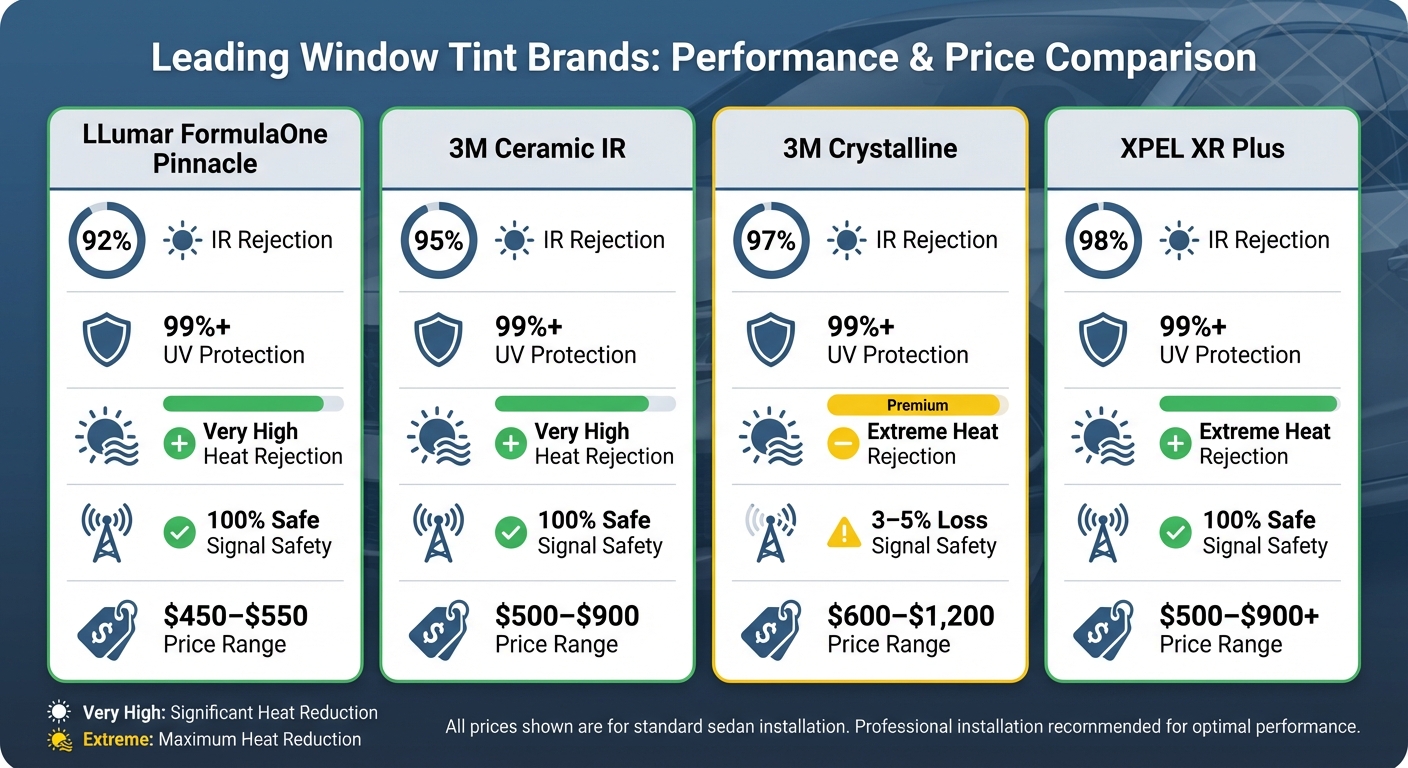
| Solution | Heat Blocked | Temp Drop | Cost | Light Preserved |
|---|---|---|---|---|
| Poster Board | Up to 75% | 13°C (23°F) | $1–$4 | Partial |
| Ceramic Film | 50–75% | High | $$ (one-time) | High |
| Blackout Curtains | ~60% | 5°C (9°F) | $–$$ | None (when closed) |
| Blinds | 20–30% | 2–3°C | $$ | Adjustable |
| Sheer Curtains | <10% | ~1–2°C | $ | High |
| Old Film | Failed | Hotspots | Removal needed | Variable |
Key Insight: Poster board wins for immediate, budget cooling. Ceramic film wins for long-term, invisible protection.
Maintain and Upgrade
Proper maintenance keeps your heat-blocking solutions performing at their best. A little care extends the life of your investment.
Clean Films and Glass
Dust and grime reduce film efficiency. Wipe treated windows with a soft cloth and mild soap. Avoid abrasive pads or ammonia-based cleaners that degrade coatings.
Replace Worn Materials
Check blackout curtains for fraying or thinning fabric. Replace every 3 to 5 years for peak performance. Inspect poster boards for warping. Store flat when not in use.
Upgrade Legacy Films
If your windows have old, peeling film, remove it completely. Use a steamer or heat gun to loosen adhesive, then scrape gently with a razor blade. Clean residue with alcohol before applying new film.
Pro Move: Upgrade to ceramic film. It pays for itself in energy savings over time.
Frequently Asked Questions About Reducing Window Heat
What is the cheapest way to reduce window heat?
White poster board is the cheapest effective method. At about $1 per panel, it can cut surface temperatures by 13°C (23°F). Simply cut to fit your window and secure with removable clips or tape during peak sun hours (10 AM to 4 PM).
Do blackout curtains really block heat?
Only thermal-lined blackout curtains block heat effectively. Standard decorative curtains offer minimal cooling. Thermal-lined versions create an insulating barrier that drops indoor temperatures by about 5°C (9°F) near treated windows.
Is ceramic window film worth the cost?
Yes, for long-term heat reduction. Clear ceramic film blocks nearly 50% of solar heat, while darker versions block up to 75%. It also blocks 99% of UV rays, protecting furniture and flooring. Many films come with lifetime warranties.
Can I install window film myself?
Absolutely. Clean the glass with isopropyl alcohol, spray with soapy water, apply the film, and use a squeegee to remove bubbles. Trim edges with a utility knife. The process takes minutes per window with no special tools.
Do horizontal blinds help with heat?
Blinds offer modest heat reduction when louvers angle downward. Expect a drop of 2 to 3°C. They’re better than nothing but far less effective than poster board, ceramic film, or thermal curtains.
Should I remove old window film?
Yes, if it’s from the 1990s or 2000s. Aging film often bubbles and creates hotspots that let heat through unevenly. Remove it with a steamer or heat gun, then consider upgrading to modern ceramic film.
Key Takeaways for Reducing Window Heat
Cutting window heat doesn’t require magic. Just the right strategy. For instant, cheap relief, poster board slashes heat by 13°C. For lasting, invisible protection, ceramic film blocks up to 75% of solar energy. Pair these with thermal curtains in bedrooms and smart blind angles elsewhere.
Avoid ineffective sheers and ditch failing old films. By matching the solution to your room and lifestyle, you’ll stay cooler, save on AC costs, and protect your home, all without sacrificing light or views. Start with one sunny window today and feel the difference immediately.