A sudden crack in your window can feel like a crisis, especially when you want to avoid the cost and hassle of full replacement. Good news: in many cases, you can repair a cracked window without replacing it, particularly when the damage is minor or the glass holds historic value. This guide walks you through practical, proven methods to stabilize, seal, and restore cracked glass using non-invasive techniques.
Whether you are dealing with a hairline fracture from thermal stress or an aging pane in a historic home, you will learn how to stop cracks from spreading, maintain energy efficiency, and preserve original materials. From emergency taping to resin injection and clear overlays, we cover step-by-step repairs, material recommendations, and critical decision points so you know exactly when repair is possible.
Assess the Crack Type Before Attempting Repair
Before applying any fix, identify the crack’s severity to determine if repair is viable.
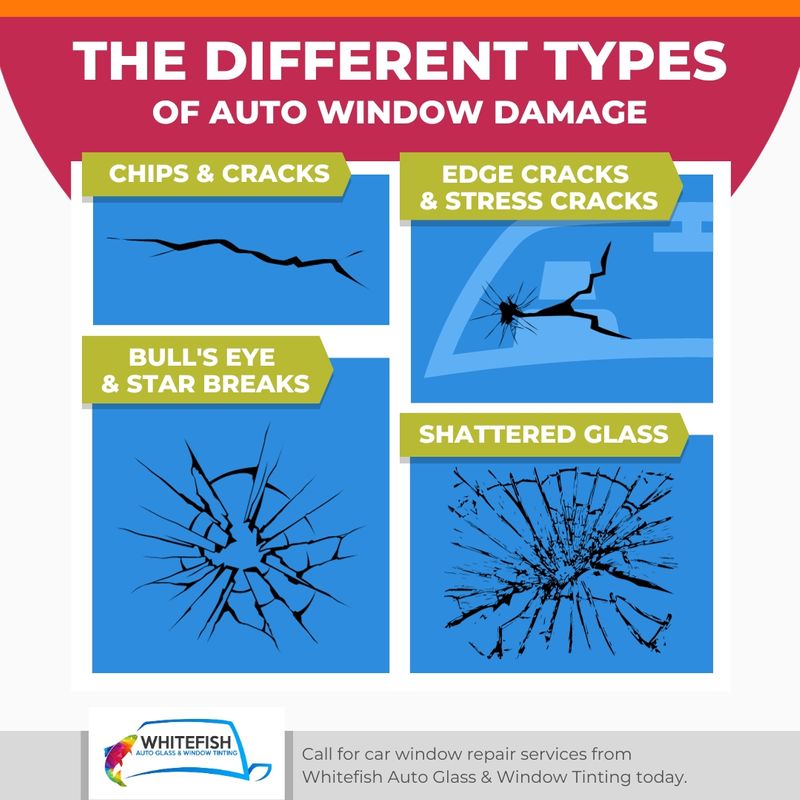
Identify Hairline vs. Structural Cracks
Hairline cracks are thin, spider-web-like fractures that have not spread to the edge of the glass. These are ideal for resin repair because they often result from minor impacts or temperature changes and have not compromised the pane’s structural strength.
Extensive cracks, especially those reaching the window’s edge or forming a web across multiple points, mean the glass is failing. These usually require replacement, not repair. If the crack vibrates, makes noise, or spreads when touched, it is actively propagating and unsafe to leave unattended.
Check for Active Crack Spread
Place a small piece of tape over each end of the crack and mark the tip with a permanent marker. Recheck after 24 to 48 hours. If the crack has grown past the mark, it is still spreading and needs immediate stabilization before any repair.
Interior-facing cracks may be less urgent, but exterior cracks expose the pane to moisture and pressure, accelerating failure. Act quickly when the damage is on the outside.
Stabilize the Crack Immediately With Tape
Stop the crack from spreading before attempting any permanent fix.
Apply Clear Packing Tape on Interior Cracks
For hairline cracks inside the home, follow these steps:
- Clean the area with glass cleaner and dry thoroughly.
- Cut a strip of clear packing tape slightly longer than the crack.
- Press it firmly over the crack, covering both ends.
- Smooth out air bubbles with a credit card.
This seals the fracture, prevents air leakage, and reduces vibration-induced spread. It is invisible and ideal for short-term stabilization or minor cosmetic fixes.
Pro Tip: Apply tape on both sides if accessible. This sandwiches the crack and adds rigidity.
Use the Duct Tape Crisscross Method for Broken Glass
If the glass is partially shattered, follow these steps:
- Cut several strips of duct tape or heavy-duty packing tape.
- Apply them in a crisscross (X-shaped) pattern over the damaged area.
- Extend the tape beyond the crack edges by at least 2 inches.
This holds loose shards in place, preventing injury and further breakage from wind or pressure. It is not weatherproof but buys time for permanent action.
Seal Gaps and Drafts Fast
Even small cracks let in cold air, moisture, and pests. Seal them now to protect your home.
Weatherproof With Plastic Sheeting
For larger damage or temporary insulation, follow these steps:
- Cut a heavy-duty plastic sheet (like shrink wrap or thick trash bag) 4 to 6 inches larger than the window frame.
- Tape the sheet tightly to the interior frame using painter’s tape or duct tape on all sides.
- For better insulation, use a hairdryer to shrink-wrap the plastic if using heat-shrink film.
This creates an airtight barrier, reducing heat loss significantly. It is clear, inexpensive, and lasts weeks.
Caulk Frame Gaps for Draft Control
Cracks often form due to frame movement or poor sealing. To address this:
- Inspect the window frame for gaps where the sash meets the jamb.
- Clean and dry the area.
- Apply silicone-based caulk or weatherproof sealant with a caulking gun.
- Smooth with a wet finger and let cure 24 hours.
This stops drafts caused by structural shifts, improving comfort and reducing stress on the pane.
Install a Temporary Plywood Cover
For broken or unsafe panes, plywood is the strongest short-term solution.
Cut and Secure Plywood Correctly
- Measure the window opening inside the frame.
- Cut ½-inch exterior-grade plywood to match.
- Sand sharp edges.
- Position the board on the outside or inside of the window.
- Secure with screws or heavy-duty tape at all corners and edges.
Safety Note: If installing from outside, ensure ladder stability and wear gloves and eye protection.
Upgrade With a Plastic Layer
For insulation and moisture protection, tape a plastic sheet over the plywood exterior and seal edges with outdoor-rated tape. This combo blocks wind, rain, and cold while protecting the window until permanent repair or replacement.
Repair Hairline Cracks With Resin
This is the only method that permanently bonds glass without replacement.
Gather Repair Supplies
You will need:
- UV-resistant clear epoxy resin (glass-specific)
- Syringe or precision applicator
- Glass cleaner
- Fine-grit sandpaper (400 to 600 grit)
- Glass polishing compound
- UV lamp or direct sunlight
Avoid hardware store epoxies because they yellow and weaken over time.
Inject Resin Step by Step
- Clean the crack: Spray glass cleaner, wipe with a lint-free cloth, and let dry completely.
- Apply resin: Use the syringe to slowly inject resin into the crack from one end to the other. Capillary action will pull it in. Overfill slightly.
- Remove bubbles: Gently tap the glass or use a needle to release trapped air.
- Cure the resin: Place in direct sunlight for 15 to 30 minutes or use a UV lamp. Follow product instructions.
- Sand and polish: Once cured, lightly sand the surface until flush. Apply polishing compound with a soft cloth to restore clarity.
Result: The crack stops spreading, and light transmission improves, though a faint line may remain.
When Resin Won’t Work
Resin fails if the crack reaches the edge of the pane, the glass is laminated or double-paned, the crack is wider than 1/16 inch, or moisture is trapped inside (foggy between panes). In these cases, replacement is required.
Preserve Historic Glass With an Acrylic Overlay

For old or wavy glass in historic homes, preservation is key.
Why Use an Overlay
Original glass in pre-1940s homes often has unique texture, thickness, or imperfections that modern glass cannot match. Removing it can reduce property value or violate preservation rules.
An acrylic overlay stabilizes the crack without touching the original pane.
Install a Clear Acrylic Shield
- Measure the glass pane precisely.
- Cut a ¼-inch clear acrylic sheet to size using a fine-tooth blade.
- Attach using small metal clips screwed into the window frame or double-sided VHB tape (high-bond adhesive).
- Position the acrylic directly over the cracked glass.
This adds strength, prevents further cracking, and is removable without damage, making it ideal for listed buildings.
Pro Tip: For outward-opening casement windows, use clips to avoid pressure on the adhesive.
Know When Replacement Is Necessary
Not all cracks can be saved. Replace the glass if:
- The crack runs edge to edge
- The pane is shattered or bowed
- It is a double-pane window with fogging (seal failure)
- The frame is rotted or warped
- Safety is compromised (near a door or at child height)
Replace Just the Glass, Not the Frame
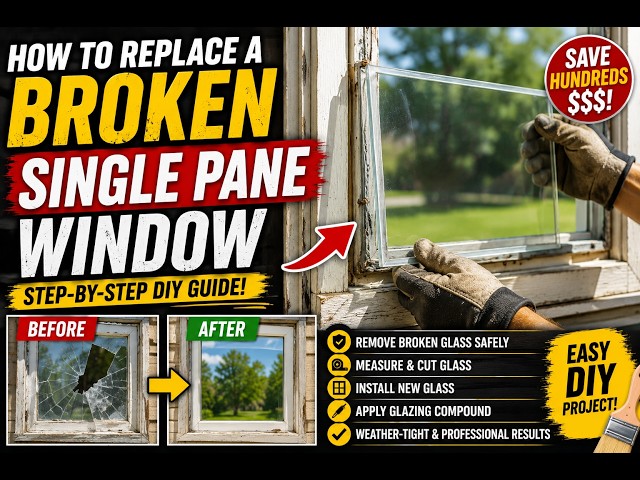
If the sash is intact, you can replace only the pane:
- Remove the sash carefully.
- Measure glass thickness (usually 1/8 inch, 3/16 inch, or 1/4 inch).
- Order a new pane from a glass shop and upgrade to tempered or laminated glass for safety.
- Reinstall using glazing compound or glazing tape.
This saves significantly compared to full window replacement.
Prevent Future Cracks
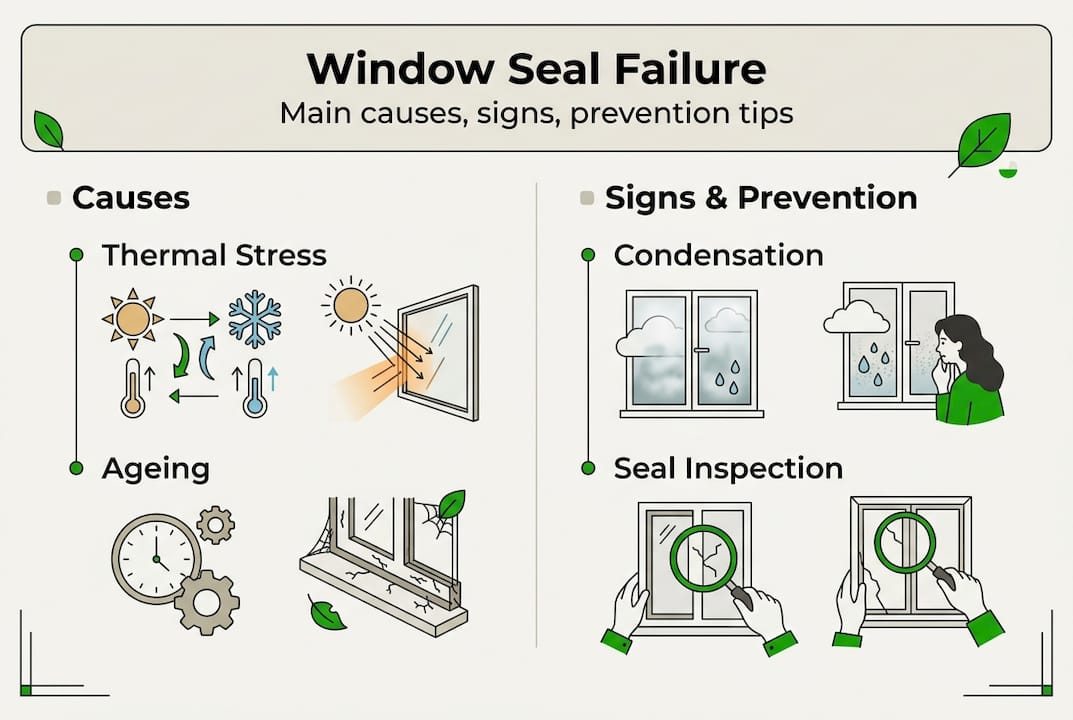
Stop cracks before they start with these habits.
Avoid Thermal Shock
Never pour hot water on a frozen window, use a heat gun directly on cold glass, or place space heaters too close to windows. Sudden temperature changes cause thermal stress cracks, one of the top causes of spontaneous breakage.
Maintain Frame Integrity
Check frames annually for warping, rot (in wood frames), and loose stops or glazing beads. A misaligned frame puts pressure on glass, leading to stress fractures. Re-secure or replace damaged components promptly.
Upgrade to Safety Glass
When replacing glass, choose tempered glass (shatters into small, dull pieces, ideal for doors and low windows) or laminated glass (holds together when broken, used in storm-prone areas). Both add security and reduce injury risk.
Frequently Asked Questions About Repairing a Cracked Window Without Replacement
Can a cracked window be repaired without replacing the entire pane?
Yes, if the crack is a hairline fracture that has not reached the edge of the glass, you can repair it using UV-resistant resin injection. The resin fills the crack, bonds the glass, and stops further spreading. Extensive cracks or those reaching the frame edge require replacement.
What is the best temporary fix for a cracked window?
For hairline cracks, clear packing tape applied to both sides stabilizes the pane and prevents spreading. For broken or shattered glass, a crisscross pattern of duct tape holds shards in place. For severe damage, plywood cut to frame size and secured with screws offers the strongest temporary protection.
How long does window resin repair last?
When applied correctly to a clean, dry, non-spreading crack, UV-resistant epoxy resin creates a permanent bond that halts propagation. The repair can last for years, though a faint visual line may remain. Resin is not a solution for cracks that continue to grow or reach the pane edge.
Is it safe to leave a cracked window unrepaired?
Leaving a cracked window unrepaired is risky. Cracks can spread suddenly due to temperature changes, wind pressure, or vibration, causing complete shattering. Even small cracks allow moisture, drafts, and pests into your home, reducing energy efficiency and potentially damaging surrounding frames or walls.
Can you repair a double-pane window if one side is cracked?
No. Double-pane windows have a sealed gas layer between two panes. If one side cracks, the seal is compromised, causing fogging and insulation loss. Resin cannot fix this because moisture is trapped inside. The entire glass unit must be replaced, though the frame can often be retained.
Should historic window glass be repaired or replaced?
Historic glass should always be preserved when possible. Original wavy or hand-blown glass adds architectural value that modern replacements cannot match. An acrylic overlay attached with clips or high-bond tape stabilizes the crack while keeping the original pane intact, which is often required for listed or historic properties.
Key Takeaways for Repairing a Cracked Window Without Replacement
You can successfully repair a cracked window without replacing it when the damage is minor and caught early. Tape stabilizes active cracks, resin seals hairline fractures permanently, and acrylic overlays preserve historic glass while adding strength. Start by assessing the crack type, then choose the method that matches your situation and skill level.
Always know the limits of repair. Extensive cracks, edge-to-edge fractures, double-pane seal failures, and compromised frames require professional glass replacement. Prioritize safety by wearing gloves and eye protection, keeping children and pets away from damaged windows, and avoiding direct pressure on unstable panes.
Take action today. Begin with a thorough inspection of your cracked window, apply temporary tape if the crack is spreading, and gather resin supplies for a permanent hairline fix. Your window can be secure, energy-efficient, and visually clear without the cost of full replacement.