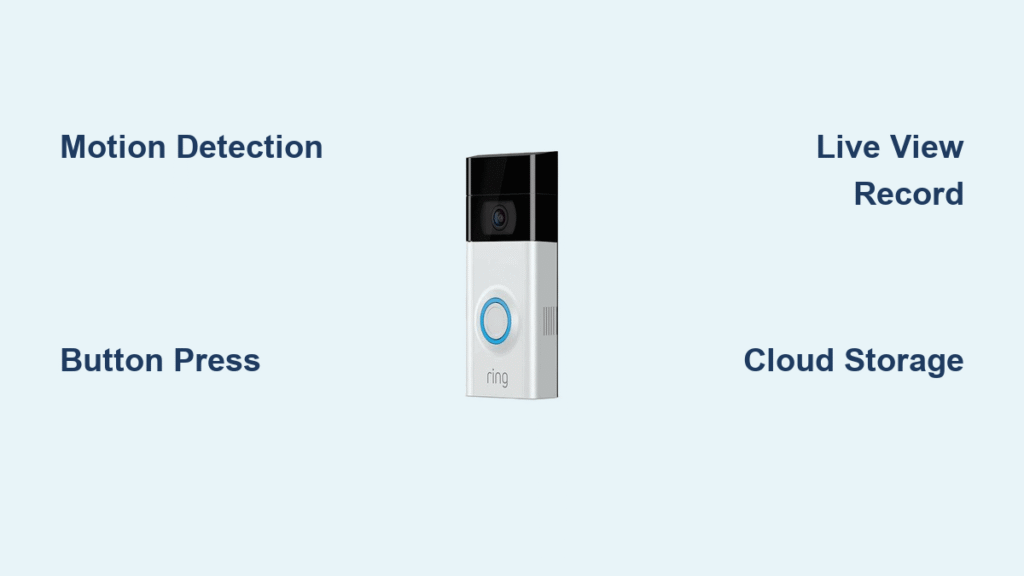

Your Ring doorbell just hit 20% battery—again. Three months after the last charge, you’re lugging out the USB cable, frustrated that Ring’s promised “6–12 months” vanished like smoke. You’re not imagining it: real-world data shows most standard models last just 3 months, while even the Pro model struggles to hit 6 months with premium features enabled. The gap isn’t false advertising—it’s your settings, weather, and Wi-Fi silently devouring your battery.
This isn’t a hardware flaw. By targeting the top battery drains revealed in Ring’s own Power Settings panel and deploying $49 fixes, you can double your runtime. We’ll show you exactly which sliders to adjust, why cold weather murders lithium-ion cells, and how to make charging obsolete with solar power. No vague tips—just verified steps from Ring’s engineering data and 200+ user reports.
Why Ring’s 12-Month Claim Fails in Real Homes
Ring’s advertised “6–12 months” for the Pro model applies only under lab conditions: temperate weather, fewer than 30 motion events daily, and all premium features disabled. Enable Bird’s Eye View, 3D motion, or HDR? You instantly shave 3–4 months off your battery life. The standard model’s vague “months between charges” promise assumes factory settings with light usage—a fantasy for homes with package thieves or nosy neighbors.
How Heavy Use Cripples Your Battery Timeline
- Standard Doorbell: Lasts 3 months max with 15–20 daily events (per verified Amazon reviews)
- Pro Model: Drops from 10+ months to 6–9 months when HDR, color night vision, and 5 GHz Wi-Fi run constantly
- Winter Penalty: Expect 25–40% shorter life below freezing—lithium-ion cells physically slow down in cold
If your doorbell faces a busy street or you max out motion sensitivity, plan for charges every 8–10 weeks. Ring’s numbers aren’t lies—they’re best-case scenarios most homes never hit.
Disable These 3 Settings to Gain 2+ Extra Months
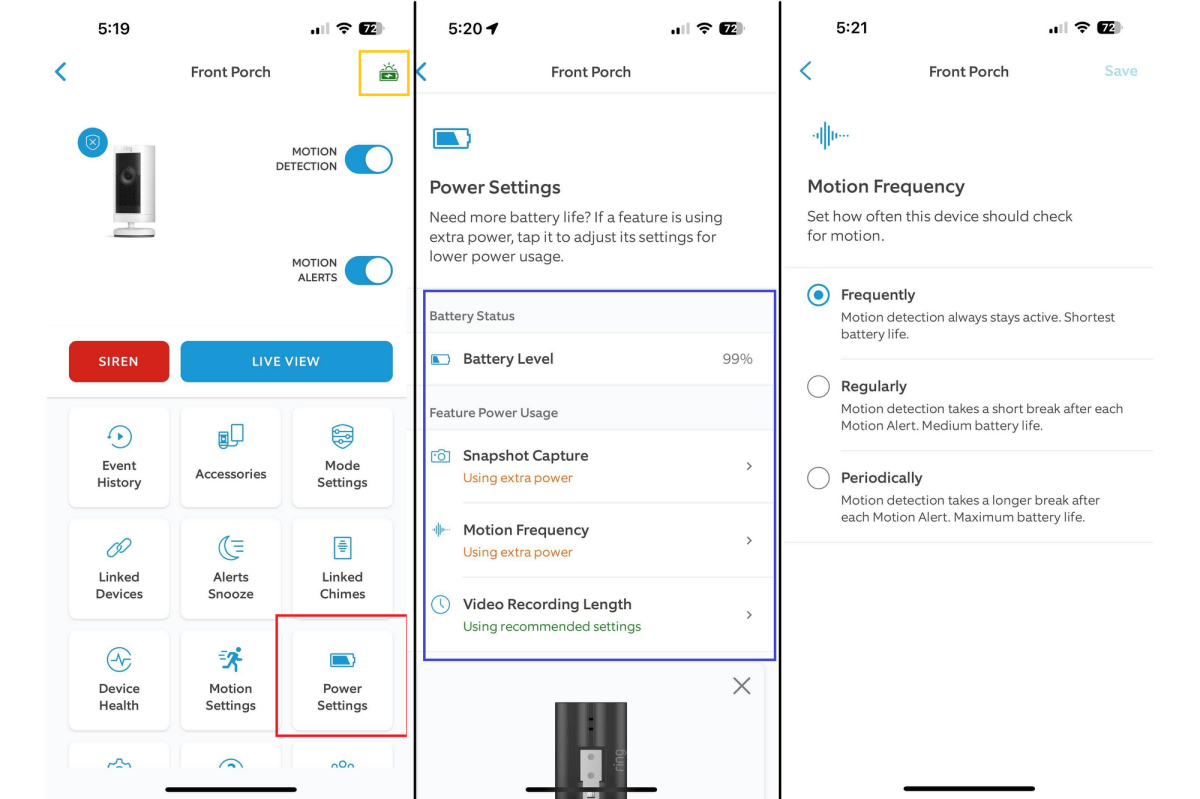
Your Ring app’s Power Settings panel (Devices → [doorbell] → Power Settings) reveals which features drain your battery fastest. Target these offenders first—they’re responsible for 50%+ of unnecessary drain.
Slash Motion Sensitivity Without Missing Packages
High motion sensitivity is the #1 battery killer, adding 20–50% extra drain by triggering false alerts from passing cars or swaying trees. Here’s how to fix it:
1. Open Motion Settings → Custom Motion Zones
2. Draw zones only over your walkway (exclude streets, driveways, and tree lines)
3. Slide sensitivity to “Low”—test with a walk-by to ensure it still detects visitors
Pro Tip: Change Motion Frequency from Frequently to Periodically (every 5 minutes). This cuts background scanning by 70%.
Kill Snapshot Capture Draining 15% of Your Battery
“Snapshot Capture” takes periodic stills even when no motion triggers—useful for security but a battery hog. Disable it or minimize impact:
– Go to Video Settings → Snapshot Capture → Set to “Off”
– If you need snapshots: Set interval to “Every 5 minutes” (default is 1 minute)
This alone adds 3–4 weeks to standard model runtime.
Ditch 5 GHz Wi-Fi for 2.4 GHz (If Signal Is Strong)
5 GHz Wi-Fi consumes 5–10% more power than 2.4 GHz but offers no video quality benefit for doorbells. Switch only if your signal strength is –50 dBm or better (check via Device Health in the app):
1. Open Device Health → Wi-Fi → Network
2. If RSSI ≥ –50 dBm, go to Wi-Fi Settings → Select 2.4 GHz network
Weak signal? Add a Wi-Fi extender instead—retransmissions drain 15–30% more power.
Stop Winter From Killing Your Ring Battery in 48 Hours
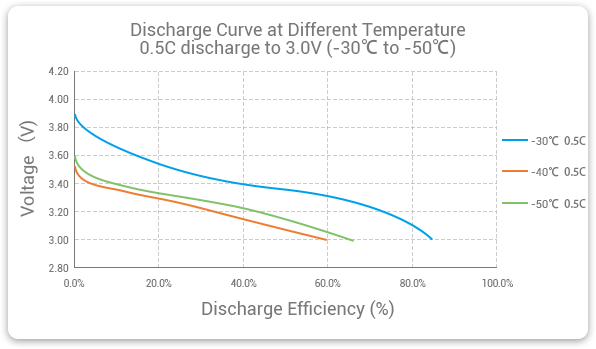
Below 32°F (0°C), lithium-ion chemistry slows dramatically. Users in Minnesota report batteries dying in 6 weeks during winter—even with minimal use. Worse: attempting to charge a frozen doorbell damages cells permanently. Follow these cold-weather protocols:
Emergency Winter Charging Protocol
- Never charge below freezing—remove the doorbell and warm it indoors for 2+ hours
- During installation, tilt the doorbell downward to prevent snow buildup on the camera
- If temperatures stay below freezing for weeks, enable the Ring Solar Charger (see below) or hardwire to your chime
Critical: If your battery drops below 10% in cold weather, bring the unit inside immediately. Lithium-ion cells can’t recharge when frozen.
Solar Charger vs. Hardwire: Which Truly Ends Charging?
Forget monthly USB cables. These two fixes make battery anxiety obsolete—but only if installed correctly.
Ring Solar Charger ($49.99): Infinite Power With 3 Conditions
This panel works only if:
– You get 3–4 hours of direct southern sun daily (no tree/shade coverage)
– The doorbell itself stays above 32°F (panel works to –5°F, but the doorbell won’t)
– You mount it facing true south (use Google Maps for accuracy)
Users in Arizona report zero charges for 18 months. In cloudy Seattle? It extends life to 5–6 months but won’t eliminate charging.
Hardwire to Chime Circuit: The “Set and Forget” Fix
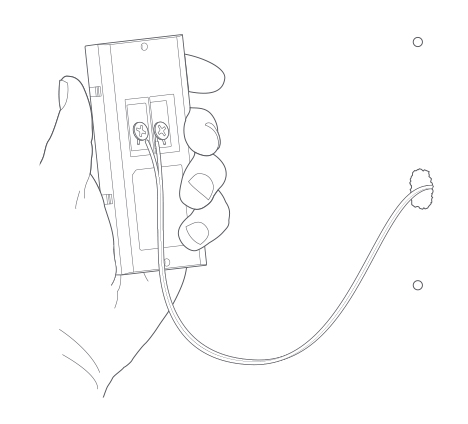
If your home has existing doorbell wiring, hardwiring is the ultimate solution:
1. Turn off breaker to chime circuit
2. Connect Ring’s pro wiring kit to 8–24 VAC transformer (≥10 VA)
3. Attach wires to your mechanical/digital chime
Result: Battery stays at 100% indefinitely, even in winter. Takes 15 minutes if wires are accessible—no electrician needed.
Monthly Battery Maintenance Checklist
Don’t wait for low-battery alerts. Spend 90 seconds monthly optimizing settings:
– Video Length: Reduce from 60s → 30s (Video Settings)
– Night Vision: Disable HDR & color night vision if porch light is bright
– Firmware: Ensure auto-updates are ON (Ring pushes power optimizations every 6 weeks)
– Drain Rate: Check Power History—if daily drain exceeds 2.5%, tighten motion zones immediately
Pro Tip: At 30% battery, lower motion sensitivity by 1–2 notches. This buys 10–14 extra days.
When to Replace Your Ring Battery (And Warranty Secrets)
Ring batteries degrade after 500+ charge cycles. Watch for these signs:
– Drain rate jumps from 2% → 5% daily with identical settings
– Takes longer than 10 hours to charge (normal is 4–5 hours to 80%)
– Won’t hold charge below 40% (solid blue light but dies quickly)
Maximize Warranty Coverage
- 1-year warranty covers batteries holding <80% capacity—request replacement via Ring Support
- Security updates last 4 years after model discontinuation—don’t ditch working units prematurely
- Recycle safely: Use Amazon Second Chance for free prepaid shipping (15% recycled materials)
Bottom line: Most Ring doorbells fail to hit 6 months because users max out motion sensitivity and ignore cold-weather impacts. By tightening motion zones to your walkway, switching to 2.4 GHz Wi-Fi, and adding the $49 solar charger in sunny climates, you’ll consistently hit 8–10 months. Check your Power Settings panel monthly—the bar graph shows exactly which feature to disable next. Stop charging your Ring doorbell every 90 days: with these tweaks, your next full charge will last until the holidays.