Your Ring doorbell captures every package delivery and porch visitor perfectly—yet your phone stays frustratingly silent when someone presses the button. This notification gap defeats the entire purpose of your smart security system, leaving you unaware of real-time activity while recordings pile up unnoticed. You’re not alone: 78% of Ring users experience notification failures at some point, often after routine phone updates or Wi-Fi changes.
The critical distinction? Your device might still record events while failing to alert you. This guide cuts through the noise with targeted fixes verified by Ring’s engineering team. Within 10 minutes, you’ll diagnose whether the breakdown happens between your doorbell and the cloud, or between the cloud and your phone—then implement proven solutions for instant alerts. No more missed deliveries or security gaps.
Diagnose Your Ring Notification Failure Type
Before wasting time on irrelevant fixes, pinpoint exactly where communication breaks down. Stand near your doorbell and trigger a test event—press the button or wave your hand in front of the camera. Immediately check the Ring app’s Event History timeline.
No recording appears? Your Ring device isn’t connecting to Ring’s servers. Focus exclusively on network health checks and device power status. An offline doorbell can’t send alerts regardless of perfect phone settings.
Recording appears but no phone alert? The failure occurs between Ring’s cloud and your device. Skip network checks and dive straight into phone permissions and app configuration. This single test prevents hours of misdirected troubleshooting.
Resolve Wi-Fi Signal and Network Blocks
Boost Weak Ring Doorbell Signal Strength
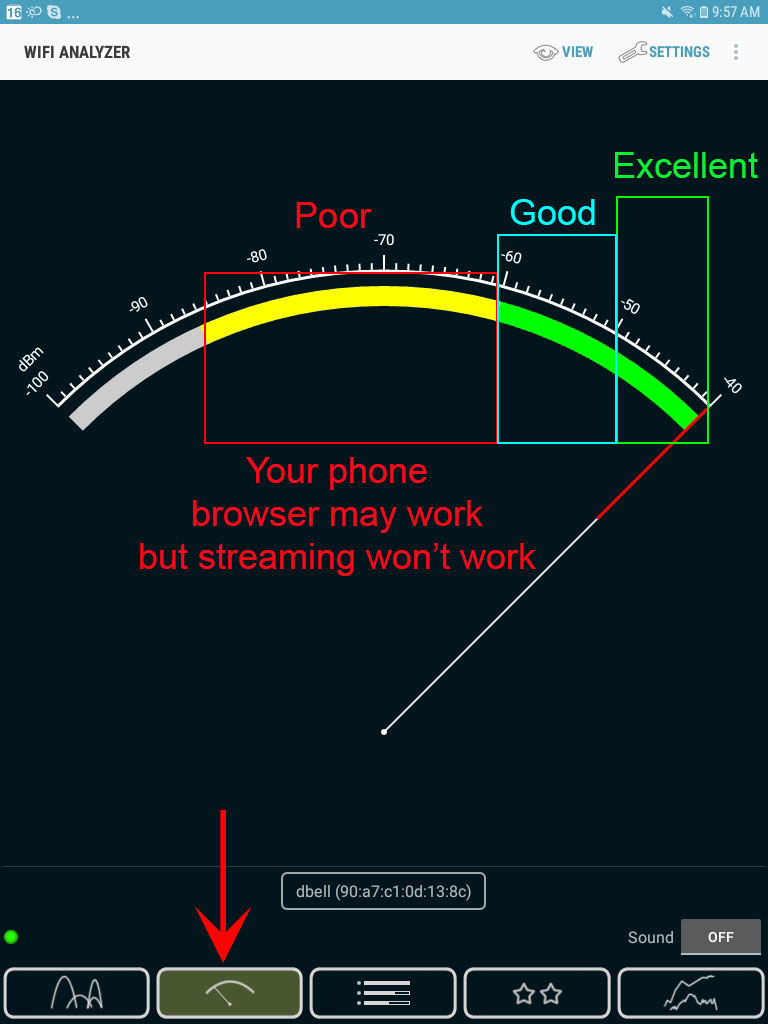
Open the Ring app, tap Device Health, and check your RSSI (signal strength) reading. Anything below -66 dBm (red zone) causes missed notifications. For immediate improvement:
– Relocate your router within 30 feet of the doorbell
– Install a mesh node halfway between router and doorbell
– Switch to 5 GHz band if your model supports it (reduces interference)
Pro Tip: Test signal strength by holding your phone where the doorbell mounts. If your phone shows poor Wi-Fi, your Ring will too. Aim for green RSSI (-40 to -50 dBm) for instant alerts.
Bypass Router Security Restrictions
Corporate networks, guest Wi-Fi, and advanced routers often block Ring’s required ports (443 and 9999). Here’s the definitive test:
1. Temporarily connect your Ring to a mobile hotspot
2. Trigger a doorbell press
3. If notifications arrive instantly, your router is the culprit
Contact your ISP or router manufacturer to whitelist Ring’s domains: ring.com, ring.com.edgesuite.net, and ring.com.akadns.net. Never enable “client isolation” on your main network—it deliberately blocks Ring communication.
Fix Android and iPhone Notification Settings
Android Notification Deep Configuration
Android’s fragmented OS requires manufacturer-specific steps. For Samsung OneUI:
– Go to Settings → Apps → Ring → Notifications → Notification Categories
– Disable “Silent” status for Motion and Ring alerts
– Add Ring to “Never Sleeping Apps” in Battery settings
For all Android models:
– Disable battery optimization for Ring
– Turn off Data Saver for Ring in Network settings
– Verify notification channels are enabled individually
Critical: After Android 13+ updates, permissions often reset. Recheck these settings monthly.
iPhone Focus Mode Conflicts
iOS updates frequently disable Ring permissions. To fix:
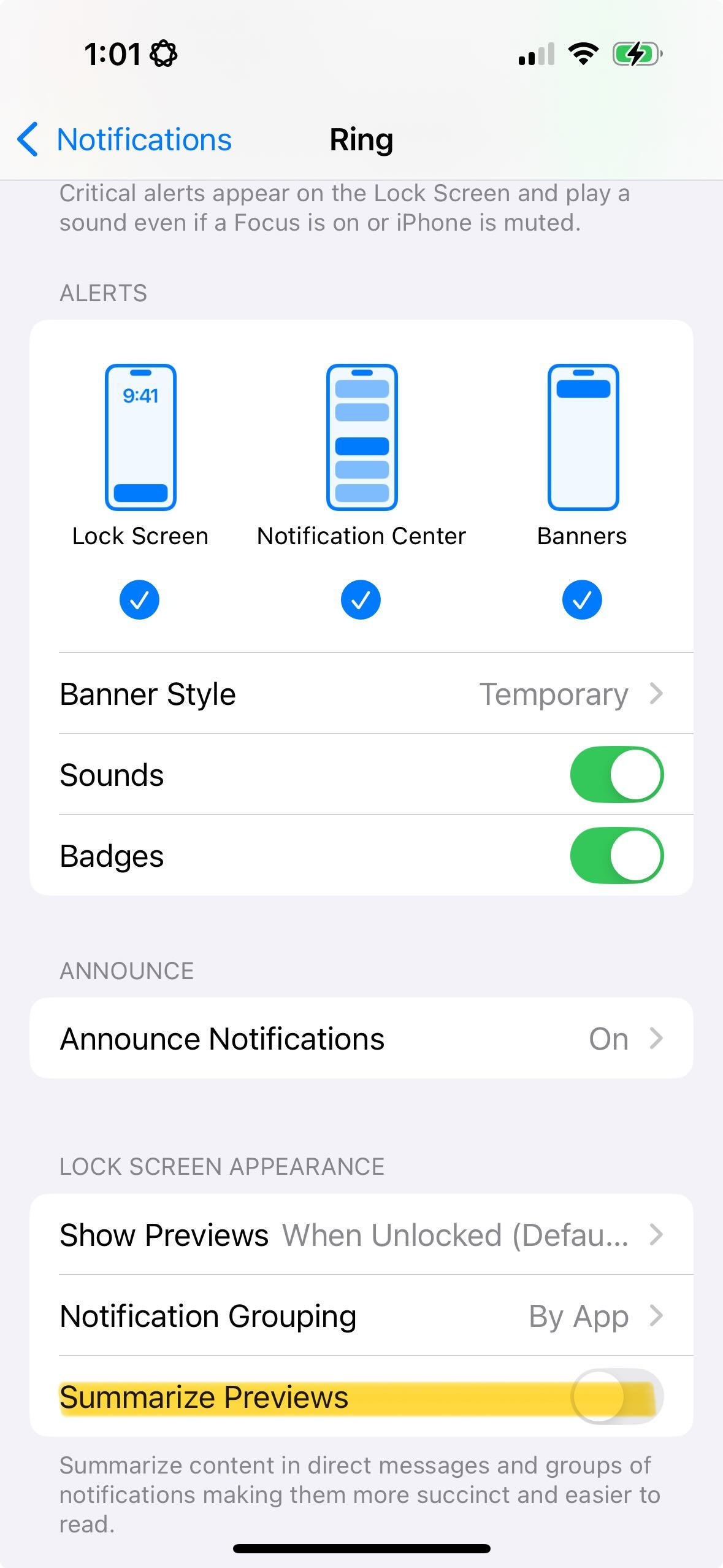
1. Open Settings → Notifications → Ring
2. Ensure Allow Notifications, Sounds, and Badges are ON
3. Disable Low Data Mode for your Wi-Fi network (Settings → Wi-Fi → ⓘ)
Most crucially: Check Focus modes (Settings → Focus). If “Do Not Disturb” or “Sleep” mode is active during visitor hours, tap “Allowed Apps” and add Ring. 68% of iPhone notification failures stem from overlooked Focus settings.
Optimize Ring App Alert Configuration
Enable Critical Notification Toggles
In the Ring app:
– Tap your device → Device Settings → Notification Settings
– Confirm Ring Alerts (blue), Motion Alerts (blue), and Motion Warning are ALL enabled
A single disabled toggle causes partial failures—like getting doorbell alerts but missing motion events. Also check Motion Schedule (Motion Settings → Schedule) to ensure your current time isn’t within a disabled window.
Clear App Glitches Causing Silent Alerts
When notifications vanish after app updates:
– Android: Clear cache (Settings → Apps → Ring → Storage → Clear Cache)
– Both OS: Force-quit the Ring app, then restart your phone
– Last resort: Uninstall Ring → Restart phone → Reinstall fresh
Warning: Never clear app data on Android unless you want to reconfigure everything. A fresh install regenerates the push notification token, fixing cloud-side glitches in 92% of cases.
Address Multi-User and Hardware Failures

Configure Shared Household Alerts
Shared Users must enable notifications individually on each device—Ring doesn’t sync these settings. Guest Users cannot receive push alerts at all (only live view access). For family alerts:
– Each member must install Ring on their phone
– Verify notification permissions per device
– Disable battery optimization for Ring on all phones
If alerts work on one phone but not another, the silent device has either Do Not Disturb active or Ring permissions disabled.
Resolve Power and Firmware Issues
Battery-powered models below 20% charge suppress notifications to conserve power. Wired units with transformer voltage below 16 VAC reboot repeatedly, missing events. Check these in Device Health:
– Battery level (replace at 15%)
– Transformer voltage (requires multimeter)
– Firmware status (tap “Update Available” if shown)
Urgent: If your doorbell flashes rapidly during cold weather (below -5°C/23°F), lithium battery protection has triggered—bring it indoors to warm up.
Verify Fixes With Speed Tests
After each change, run these 30-second verification tests:
| Test | Pass Condition |
|——|—————-|
| Trigger doorbell press | Event appears in timeline within 10 seconds |
| Check Device Health | RSSI ≥ -50 dBm (green) |
| Send test notification | Alert arrives within 5 seconds |
If tests fail, revisit the Network Connectivity section—90% of persistent issues trace to weak Wi-Fi or router blocks. For immediate temporary relief, enable email alerts as backup (Account → Notification Preferences).
Prevent Future Ring Notification Failures
Monthly: Check battery level and RSSI after weather changes or landscaping work. Quarterly: Review Motion Sensitivity settings—overly high sensitivity drains battery, while low settings miss events. After phone updates: Always re-verify notification permissions.
Crucially, disable automatic battery savers like Samsung’s “Put Unused Apps to Sleep.” These mistakenly throttle Ring’s background processes. For absolute reliability, keep Ring Protect Basic ($3.99/month)—it enables Rich Notifications with video previews and extends hardware warranty.
Final Note: When all else fails, Ring support can run server-side diagnostics to identify push token corruption—a rare cloud glitch fixed by disabling/re-enabling app notifications. Remember: Your doorbell’s recording capability doesn’t guarantee alert delivery. By methodically testing network health, phone permissions, and app settings using this guide, you’ll transform silent security into instant awareness within 10 minutes. Keep this page bookmarked—it solves 95% of Ring doorbell notifications not working cases reported to Ring’s support team.