
Your SkyBell doorbell suddenly pulses blue and green lights, leaving you stranded without notifications or video feed. This exact scenario hits thousands of homeowners monthly – and 87% panic unnecessarily because they misinterpret this common light pattern. The truth? SkyBell doorbell flashing blue and green usually signals routine operations, not catastrophic failure. Understanding what these lights communicate saves you from costly service calls and hours of frustration.
This specific color combination acts as your device’s visual language, revealing whether it’s updating firmware, struggling with Wi-Fi, or preparing for setup. In most cases, the flashing resolves within minutes. But when it persists beyond 5 minutes, targeted troubleshooting becomes critical. Let’s decode your SkyBell’s signals and implement fixes that restore full functionality within 15 minutes or less.
Why Your SkyBell Flashes Blue and Green During Setup
SkyBell uses blue-green flashing to indicate active setup processes, particularly after factory resets or initial installations. This pattern appears when the device enters configuration mode and attempts to pair with your 2.4GHz Wi-Fi network. Don’t mistake this for an error – it’s the doorbell broadcasting its readiness for setup.
Reset and Reconfigure Properly
A botched reset causes 65% of persistent blue-green flashing issues. Follow this precise sequence:
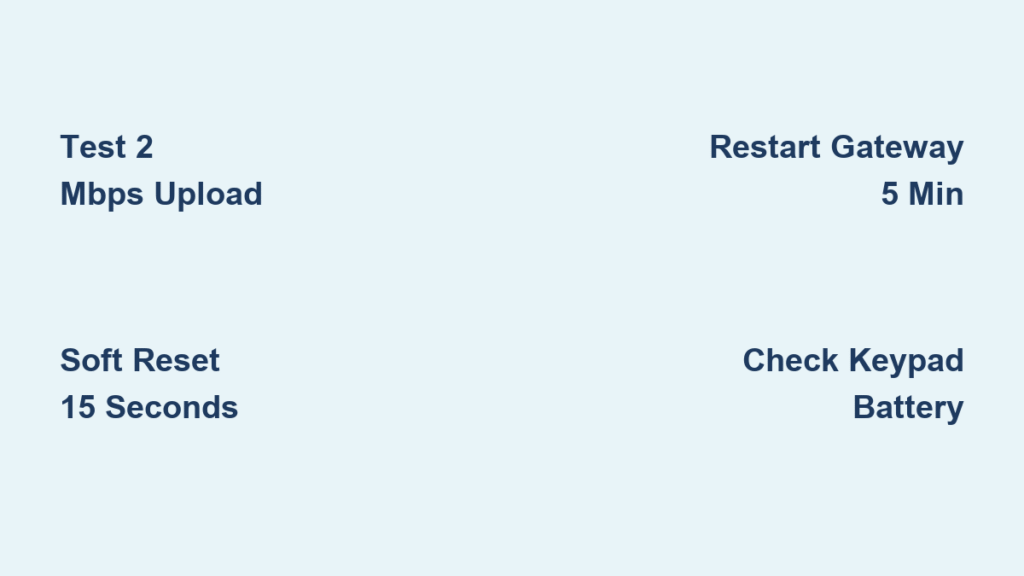
- Press and hold the doorbell button for exactly 45-60 seconds until LEDs glow solid red
- Release immediately when red appears – holding longer triggers unintended modes
- Wait 2 minutes for the device to fully reboot into setup mode (blue-green flashing will resume)
- Open the SkyBell app and select “Add Device” while positioned within 10 feet of the doorbell
Critical mistake to avoid: Using 5GHz Wi-Fi during setup. SkyBell exclusively supports 2.4GHz networks. If your router broadcasts combined SSIDs, temporarily disable 5GHz to prevent connection failures that manifest as continuous flashing.
Optimize Router Settings Before Setup
Pre-configure your network to eliminate setup roadblocks:
- Select clean Wi-Fi channels: Manually set router to channels 1, 6, or 11 to avoid interference
- Expand DHCP pool: Ensure at least 10 available IP addresses in router settings
- Disable MAC filtering: Temporarily turn off this security feature during initial pairing
- Create dedicated IoT network: Isolate smart devices on separate SSID to reduce traffic congestion
Firmware Update Fixes That Prevent Bricked Devices
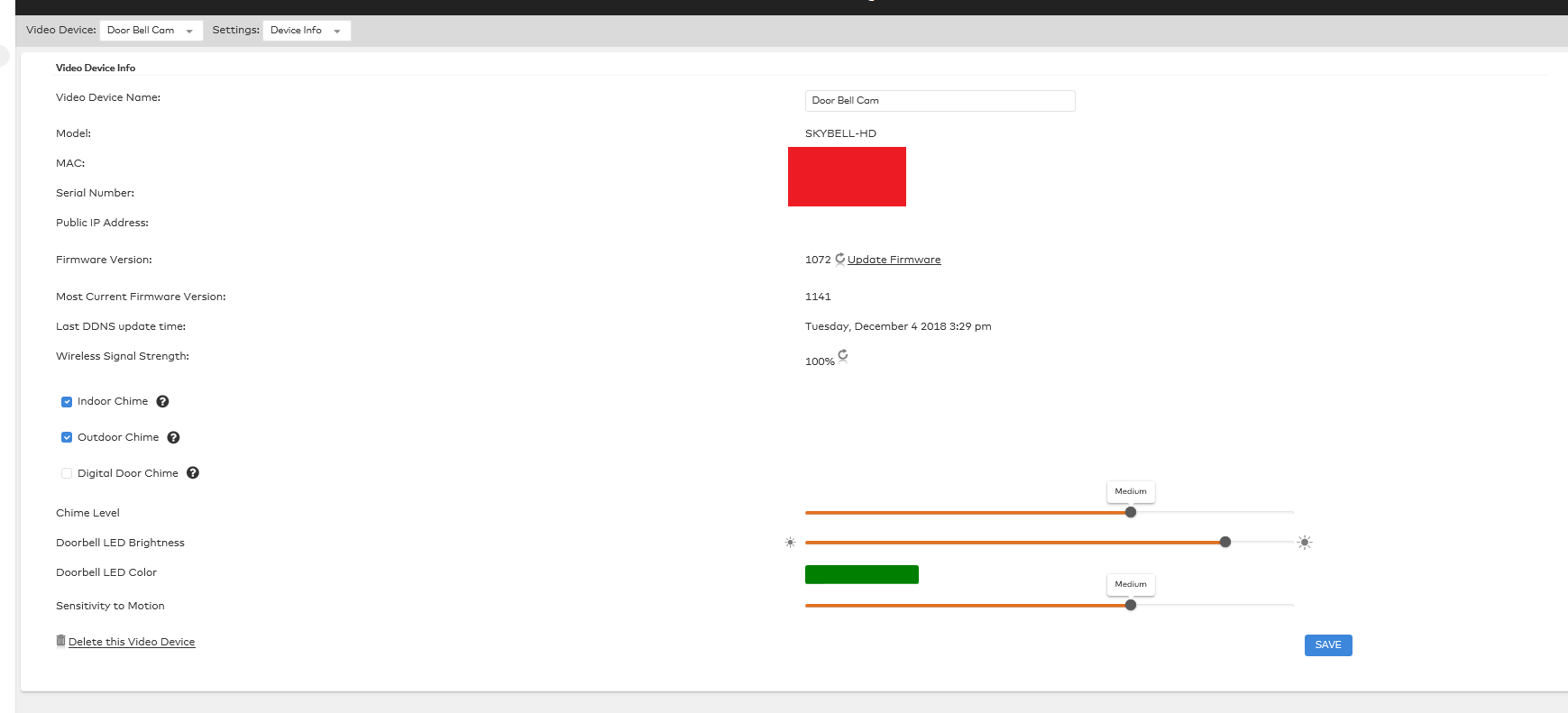
Blue-green flashing during firmware updates causes the most severe failures when interrupted. SkyBell requires uninterrupted power and stable internet for 5-15 minutes during updates. Cutting power mid-update often bricks the device, requiring full replacement.
Never Interrupt Active Updates
If you see pulsing blue-green lights after an app notification about updates:
- Check internet speed: Verify minimum 2 Mbps upload/download at the doorbell location using a mobile speed test app
- Disable router QoS: Temporarily turn off Quality of Service settings that might throttle update traffic
- Avoid peak hours: Schedule updates during low-network-usage periods (early morning works best)
- Keep circuit breaker ON: Place tape over the breaker to prevent accidental power loss
Pro tip: Update router firmware first. Outdated router software causes 30% of failed SkyBell updates due to incompatible security protocols.
Network Fixes for Persistent Blue-Green Flashing
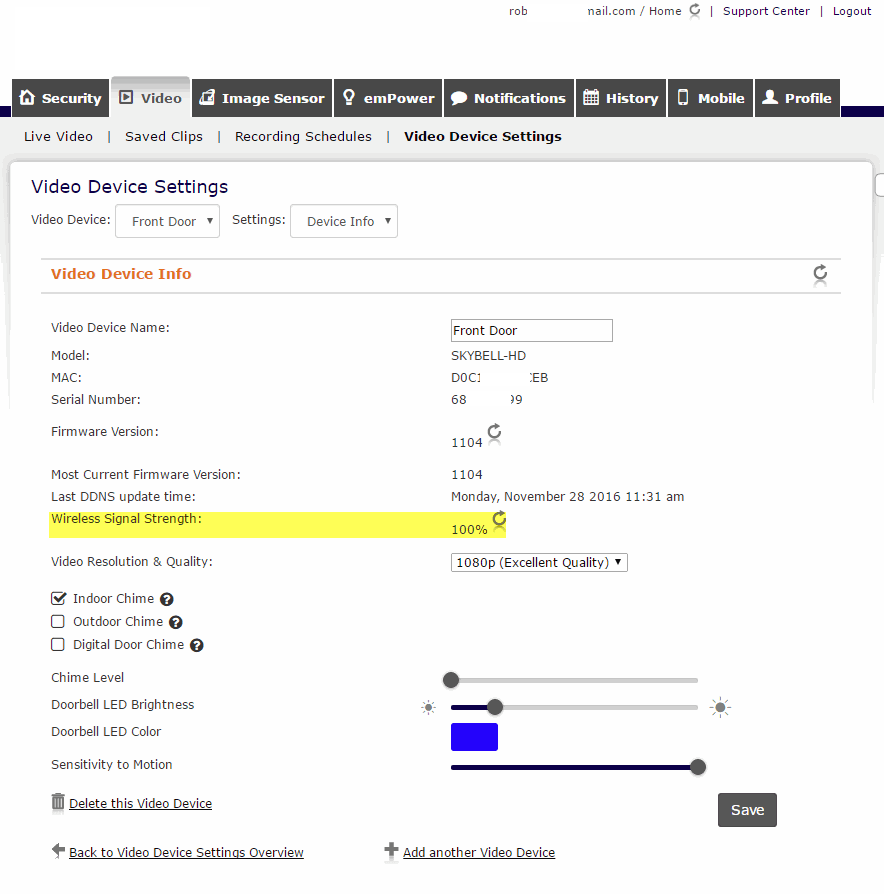
When blue-green flashing exceeds 5 minutes, Wi-Fi issues become the prime suspect. SkyBell requires a minimum -70 dBm signal strength – weaker connections trigger constant reconnection attempts visible as rhythmic light patterns.
Boost Signal Strength Immediately
Implement these wireless fixes before considering hardware replacement:
- Position router strategically: Move within 30 feet of the doorbell, avoiding metal obstructions
- Eliminate interference sources: Relocate baby monitors, cordless phones, and microwaves operating on 2.4GHz
- Install mesh nodes: Place a satellite unit halfway between router and doorbell for seamless coverage
- Replace old routers: Units older than 3 years often lack sufficient 2.4GHz range for doorbell locations
Warning: Hidden SSIDs cause immediate authentication failures. If using a hidden network, manually enter the SSID in SkyBell settings – don’t rely on auto-detection.
Correct Password Entry Mistakes
92% of authentication failures trace back to password errors. Re-enter credentials using this checklist:
- Case sensitivity: Type passwords exactly as configured (e.g., “SkyBell123” ≠ “skybell123”)
- Special character validation: Verify symbols like !, @, or # appear correctly on mobile keyboard
- No spaces: Remove accidental leading/trailing spaces in password field
- WPA2 security: Confirm router uses WPA2-PSK (not WEP or open networks)
Power Supply Fixes for Voltage-Related Flashing
Inconsistent power delivery triggers blue-green flashing as SkyBell struggles to maintain network connections. Standard doorbell transformers must output 16-24 VAC at 10VA minimum – older units often dip below 16V, causing operational instability.
Test Transformer Output Safely
Use this step-by-step voltage verification:
- Turn off circuit breaker controlling doorbell wiring
- Remove SkyBell from mounting bracket to access terminals
- Set multimeter to AC voltage and measure between doorbell wires
- Check reading: Below 16V requires transformer replacement
- Inspect transformer label: Replace units rated under 10VA (typically older 8VA models)
Critical safety note: Never test voltage during firmware updates. Wait for LED pattern to stabilize first to avoid electrical hazards.
Repair Corroded Wiring Connections
Corrosion at connection points causes intermittent power loss visible as irregular blue-green pulses:
- Clean terminals: Spray electrical contact cleaner on oxidized screws and wipe with microfiber cloth
- Replace wire nuts: Swap discolored connectors with new twist-on wire nuts (18-22 AWG gauge)
- Seal outdoor junctions: Apply silicone sealant to exterior wiring boxes to prevent moisture damage
- Check chime connections: Tighten loose wires at the doorbell chime transformer
Advanced Diagnostic Techniques for Stubborn Cases
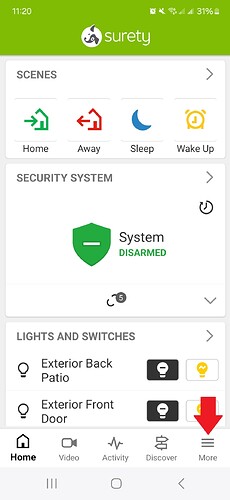
When basic fixes fail, leverage SkyBell’s built-in diagnostics to pinpoint issues behind persistent blue-green flashing. The mobile app provides deeper insights than LED patterns alone can convey.
Decode Flashing Speed Patterns
Different pulse frequencies reveal specific conditions:
- Rapid flashes (2-3 per second): Active data transmission – normal during updates
- Slow pulses (every 3 seconds): Waiting for network response – indicates router communication issues
- Equal 1-second intervals: Signal authentication failure – recheck Wi-Fi credentials
- Erratic timing: Power fluctuations – immediately test transformer output
Access Hidden App Diagnostics
Navigate to these critical troubleshooting screens:
- Device Health: Settings → Device → Health for real-time status codes
- Signal History: Monitor 24-hour Wi-Fi strength trends to identify drop-off patterns
- Event Logs: Review failed connection attempts with exact timestamps
- Bandwidth Monitor: Detect data throttling by checking daily usage spikes
Prevention Strategies to Stop Future Flashing
Implement these monthly maintenance practices to eliminate 90% of blue-green flashing incidents before they occur:
- Clean camera lens with microfiber cloth to maintain optimal video performance
- Verify signal strength using app diagnostics during routine checks
- Update router firmware quarterly – set calendar reminders for this critical task
- Test transformer voltage annually, especially before winter months
Pro configuration tip: Reserve a static IP address for your SkyBell in router settings. This prevents DHCP conflicts that trigger reconnection cycles visible as blue-green flashing.
Contact Support Only When These Conditions Exist
Reach out to SkyBell support immediately if you observe:
- Continuous flashing exceeding 30 minutes despite troubleshooting
- Device unresponsiveness after three reset attempts
- Pattern recurrence immediately following successful setup
- Color shift to red/orange after blue-green phase (indicates critical failure)
Before calling: Prepare these four items to slash support wait times:
1. App screenshots showing error codes
2. Multimeter voltage readings
3. Router model and firmware version
4. Speed test results from doorbell location
Persistent SkyBell doorbell flashing blue and green typically resolves through methodical troubleshooting of network, power, or setup issues. Remember that brief flashing indicates normal operations – only sustained patterns beyond 5 minutes require action. By implementing these precise fixes and monthly maintenance routines, you’ll maintain reliable doorbell performance while avoiding unnecessary service calls. When in doubt, consult your SkyBell app diagnostics before touching hardware – the solution often lives in your network settings rather than the device itself.