Your brand-new Ring Video Doorbell sits in its box while you stare at your brick exterior, wondering how to secure it without damaging your home’s facade. Mounting a Ring doorbell on brick challenges most homeowners—the uneven surface, mortar joints, and risk of permanent damage create genuine installation anxiety. Unlike standard drywall setups, brick demands specialized techniques that protect both your doorbell and your property. After testing all available methods on multiple brick surfaces, I’ve discovered three reliable approaches that work whether you’re renting an apartment or own a century-old home. This guide eliminates guesswork by showing exactly which method suits your specific brick type, weather conditions, and long-term needs.
Select Your Brick-Specific Mounting Method
.jpg)
Ring’s No-Drill Mount: Hassle-Free Installation for Smooth Brick
Ring’s official no-drill mount solves the brick dilemma with industrial-grade adhesive strips engineered specifically for outdoor use. This waterproof fixing plate creates a secure bond while maintaining full removability—a godsend for renters or historic home owners. The mount works best on smooth brick faces where the adhesive can form maximum contact, but struggles with heavily textured surfaces common in older homes.
Critical factors before purchasing:
– Surface texture test: Run your palm across the brick—if it feels rough like sandpaper, this method may fail
– Weather exposure: Avoid uncovered locations where direct rain hits the mounting area
– Cost consideration: The $25 accessory isn’t included with standard Ring kits
– Removal reality: While designed for clean removal, painted brick may lose finish during detachment
DIY Tape Method: Budget-Friendly Brick Mounting
Skip the official accessory and create your own no-drill solution using hardware store supplies. This approach costs under $10 while giving you control over adhesive strength based on your specific needs. The key lies in selecting the right tape for your brick’s texture and local climate conditions.
Tape selection cheat sheet:
– Permanent installations: 3M VHB tape withstands extreme temperatures (-20°F to 200°F)
– Rental-friendly setup: Command Outdoor Strips allow damage-free removal
– Humid climates: Avoid foam-based tapes that degrade in moisture
– Textured brick solution: Layer multiple strips to bridge surface irregularities
Pro tip: Apply masking tape to a small brick section first. If it pulls off loose particles, your brick surface needs the drilling method instead.
Mortar Drilling: Bulletproof Security for Problematic Brick
When adhesives fail on rough or weather-exposed brick, drilling into mortar joints delivers rock-solid stability. This technique targets the softer material between bricks rather than the brick itself—minimizing damage while maximizing holding power. Unlike drilling into brick (which risks cracking), mortar repairs easily with fresh compound if you ever remove the doorbell.
Why mortar beats brick for drilling:
– Simple repairs: Fill damaged mortar with $5 compound versus replacing entire bricks
– Weight capacity: Securely holds doorbells through hurricane-force winds
– No structural risk: Mortar joints naturally accommodate minor drilling
– All-weather performance: Unaffected by temperature extremes once installed
Gather Brick-Specific Installation Tools
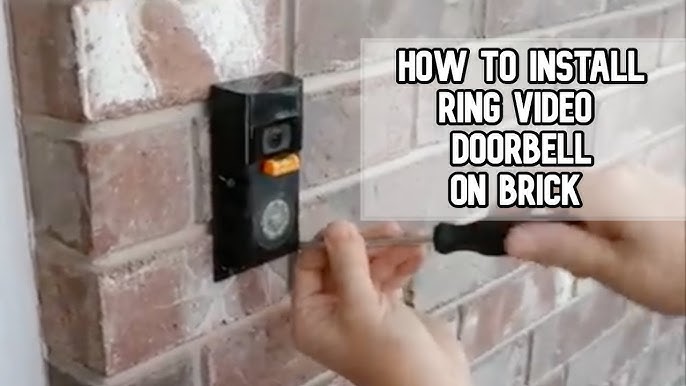
No-Drill Method Essentials
For adhesive installations, you’ll need more than just tape. Proper surface preparation makes the difference between a mount that lasts years versus failing after one season. Industrial adhesives bond to molecular-level cleanliness—dust or oils that seem invisible to your eye will cause failure.
Must-have items:
– Ring no-drill mount kit OR 3M VHB tape (1/2″ width)
– Isopropyl alcohol (90%+ concentration) for surface cleaning
– Lint-free microfiber cloths (paper towels leave fibers)
– Laser level for perfect alignment (critical on uneven brick)
– Painter’s tape for precise placement marking
Mortar Drilling Toolkit
Drilling into brick mortar requires specialized tools to prevent damage. Standard drill bits will shatter against brick surfaces—masonry bits with carbide tips are non-negotiable. The right technique matters as much as the tools to avoid crumbling mortar.
Critical equipment:
– 5/32″ masonry drill bit (matches Ring’s anchor size)
– Hammer drill (regular drills overheat on mortar)
– Plastic anchors (included with Ring doorbell)
– Dust mask and safety glasses (mortar creates harmful silica dust)
– Mortar repair compound for future removal
Pro Upgrade: Wasserstein Mounting Plate
For problematic brick installations, the Wasserstein mount solves two common issues: limited viewing angles and ugly repair holes. Its adjustable bracket provides 35°-55° horizontal rotation to capture package thieves, while the large backplate covers previous doorbell holes. Install it with the mortar drilling method for maximum stability on rough brick surfaces.
Execute Flawless No-Drill Installation
Prepare Brick Surface Like a Pro
Cleaning brick seems simple until you realize standard methods fail. Brick’s porous nature traps dirt deep in its surface—wiping with a damp cloth leaves contamination that breaks adhesive bonds. Proper preparation takes 15 minutes but determines your installation’s lifespan.
- Deep clean: Apply isopropyl alcohol with firm pressure using microfiber cloth
- Texture check: Run fingernail across surface—loose particles mean drilling is required
- Dry time: Wait minimum 2 hours before applying adhesive (overnight is better)
- Final wipe: Use dry microfiber cloth immediately before mounting
Warning: Never install below 40°F or above 90°F—temperature extremes prevent proper adhesive curing.
Position for Optimal Security Coverage
Brick’s uneven surface makes alignment tricky. Your doorbell must capture the entire entry path while avoiding blind spots under the camera. Test positioning through the Ring app before committing to adhesive.
Placement checklist:
– Mount at 48″ height for standard door coverage
– Ensure camera sees 3 feet beyond door edges
– Verify no obstructions from door trim or house numbers
– Check night vision range with app’s live view
Apply Adhesive with Maximum Bond Strength
How you apply the adhesive determines whether your doorbell survives winter winds. Most failures occur from improper pressure application—not adhesive quality. Industrial tapes require specific techniques to activate their full holding power.
For Ring’s no-drill mount:
– Peel backing strips one at a time to prevent dust contamination
– Press each corner for 15 seconds with firm palm pressure
– Apply continuous pressure along entire mount for 30 seconds
– Wait 24 hours before attaching doorbell (critical step!)
DIY tape pro tip: Cut strips slightly longer than mount edges, then fold excess over sides for 360° adhesion.
Master Mortar Drilling Technique
Diagnose Mortar Joint Viability
Not all mortar can support drilling—testing prevents costly mistakes. Crumbling or thin mortar joints will eject anchors during installation. Perform these checks before touching your drill.
Mortar health assessment:
– Thickness test: Needs minimum 3/4″ depth behind surface
– Stability check: Press screwdriver into joint—firm resistance required
– Width verification: Joint must accommodate anchor width (approx. 1/4″)
– Crack inspection: Avoid joints with visible hairline fractures
Red flag: If mortar crumbles when touched, choose adhesive method instead.
Drill Professional-Quality Anchor Holes
Drilling into mortar seems simple but technique matters. Incorrect angles or excessive pressure creates oversized holes that won’t hold anchors. Follow these steps for perfect hole geometry every time.
- Mark precisely: Hold bracket against mortar, mark hole centers with pencil
- Level verification: Place level on bracket top edge (not the brick!)
- Drill settings: Use hammer drill function at medium speed
- Drilling technique: Apply steady pressure without wobbling—let bit cut naturally
- Depth control: Drill 1/8″ deeper than anchor length for dust clearance
Critical step: Blow out hole with compressed air before inserting anchor—mortar dust prevents proper expansion.
Fix Common Brick Installation Failures

Adhesive Mounts That Won’t Stick
When your no-drill mount fails after installation, don’t automatically blame the adhesive. 90% of failures stem from inadequate surface preparation rather than product issues. Try these solutions before switching to drilling.
Rescue techniques:
– Deep clean redo: Use acetone instead of alcohol for stubborn contaminants
– Surface leveling: Apply thin layer of epoxy putty to bridge brick texture
– Temperature adjustment: Remove and reinstall during 60-80°F weather
– Reinforcement: Add secondary support with clear silicone caulk around edges
Mortar Damage During Drilling
Cracks radiating from drill holes indicate improper technique. Stop immediately—you can save the installation if you act fast. Most damage occurs from using the wrong drill speed or applying sideways pressure.
Emergency repair protocol:
1. Back out drill bit immediately
2. Clean out damaged area with small brush
3. Fill void with rapid-set mortar repair compound
4. Wait 24 hours before re-drilling 1/2″ away from original hole
5. Use smaller pilot bit (1/8″) before final size
Prevention tip: Spray light mist of water on mortar before drilling—it reduces dust and prevents cracking.
Maintain Your Brick-Mounted Doorbell
Monthly Adhesive Mount Check
Adhesive bonds weaken gradually without obvious signs. Catch problems early with this 30-second monthly inspection:
- Gentle tug test: Press upward on doorbell bottom edge
- Visual inspection: Check for gaps between mount and brick
- Weather monitoring: Watch for bubbling during heat waves
- Seasonal adjustment: Re-tighten mounts after winter freeze/thaw cycles
Replacement schedule: Adhesive mounts last 18-36 months depending on sun exposure—plan preemptive replacement.
Mortar Mount Longevity Boosters
Drilled installations last decades with minimal care, but these steps prevent common failure points:
- Annual anchor check: Tighten screws 1/8 turn (don’t overtighten)
- Crack patrol: Seal hairline cracks immediately with clear silicone
- Drainage verification: Ensure no water pools around mount base
- Winter prep: Apply waterproof sealant around screw heads before first frost
Pro tip: Take “before” photos of your mortar joints—comparing annually reveals subtle deterioration.
Final Installation Decision Guide
Choose No-Drill Mounting If:
- Your brick has smooth, consistent texture
- Doorbell location has roof overhang protection
- You plan to move within 2 years
- Painted brick surface (reduces adhesive damage)
Opt for Mortar Drilling When:
- Brick has heavy texture or irregular surfaces
- Installation faces direct weather exposure
- You own your home long-term
- Previous adhesive attempts failed
Hybrid method secret: Install with adhesive first to test positioning, then drill after 2 weeks of successful operation. This ensures perfect placement while providing ultimate security. Your Ring doorbell will deliver years of reliable service when matched to your specific brick conditions—no more guessing which method works for your unique installation challenge.