That sinking feeling when you grab the magnetic wand only to watch one side of your blinds inch upward while the other stays stubbornly stuck is all too familiar for homeowners with in-glass blinds. These sealed blinds trapped between the panes of your sliding glass door promise a sleek, low-maintenance look but become a nightmare when they fail. Since the mechanism is locked inside the insulated glass unit (IGU), you can’t simply pop open a panel to adjust cords or replace parts. The frustration peaks when you realize standard blind repair methods won’t work here. This guide cuts through the confusion with proven troubleshooting steps you can try today, clear signs it’s beyond DIY repair, and exactly what professional solutions will cost you. You’ll learn why that “jiggle trick” works temporarily, when to stop wasting time on fixes, and how to get your blinds functioning properly again—without replacing the entire door unnecessarily.
Why Your Sliding Glass Door Blinds Suddenly Stopped Working
The core issue lies in the sealed design of your insulated glass unit. Unlike traditional blinds, these operate through magnetic coupling: an external wand moves an internal magnet connected to lift cords inside the glass sandwich. When this system fails, it’s almost always due to internal disconnection you can’t see. The most common culprit? A disengaged internal magnet that’s slipped off its track or detached from the lift cord assembly. This tiny magnet—often no larger than a dime—loses its grip after years of use, leaving one side of your blind unresponsive. You’ll notice this as severe asymmetry: the bottom rail hangs crooked when raised, or the wand moves freely while only half the blind follows. Cord breakage is another silent killer. Nylon lift cords degrade over 10-15 years from sun exposure and friction, snapping internally without warning. Unlike visible cord breaks on regular blinds, you’ll only see the symptom—a completely unresponsive blind—with no way to access the broken end. Misaligned external wands also mimic internal failures. If debris knocks your magnetic slider off its vertical track, it stops communicating with the internal mechanism. The good news? This is the only fix you can handle yourself.
How to Confirm It’s an Internal Blind Failure (Not Just Misalignment)
Before assuming the worst, rule out simple external issues. Stand directly in front of your sliding door and perform this 60-second diagnostic:
– Check wand seating: Run your finger along the full length of the vertical track. If the wand pops out easily or sits higher than the track groove, realign it by pressing firmly top-to-bottom.
– Test tilt function first: Rotate the wand to open the slats fully horizontal. Now attempt to raise the blind. If it moves smoothly, your lift cords were temporarily snagged—a common fix for stiff operation.
– Listen for magnet “thunks”: Move the wand slowly up/down while holding a finger against the glass. A healthy system produces subtle magnetic clicks. No sound means complete disengagement.
If the blind remains uneven after these checks, you’re facing an internal failure. Note the specific behavior: Is one side completely frozen while the other moves? Does the bottom rail tilt at 45 degrees? This detail matters when getting professional quotes.
Step-by-Step: The Only DIY Fix That Works for Stuck In-Glass Blinds
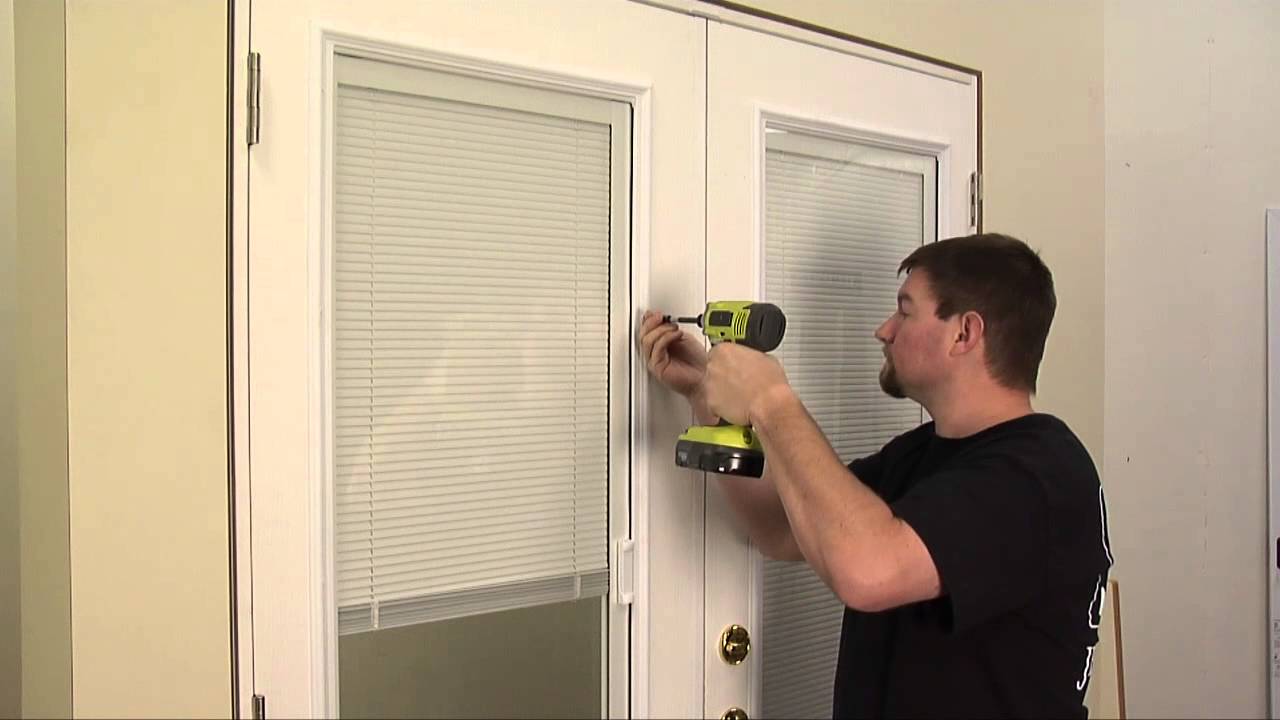
Forget disassembling your door—this sealed system has zero user-serviceable parts. Your sole realistic option is magnet re-engagement through precise wand manipulation. This method works 70% of the time for recently failed blinds but requires patience. Never force the wand; aggressive movement can permanently jam the mechanism.
How to Re-Engage Disconnected Magnets with the “Segmented Jog” Method
This technique exploits the magnetic coupling by gently nudging the internal assembly back into alignment. Success hinges on rhythm and restraint:
- Position for control: Stand with your dominant hand gripping the wand near its base. Rest your non-dominant hand flat against the glass opposite the wand to feel vibrations.
- Start at the top: With the blind fully lowered, place the wand at the highest point of the track.
- Execute micro-movements: Instead of sliding the wand smoothly, move it down in 2-inch segments. At each stop, wiggle the wand side-to-side 5 times while applying light inward pressure (like turning a doorknob). Hold for 3 seconds.
- Repeat upward: Once you reach the bottom, reverse direction and jog upward using the same segmented motion. Complete 10 full top-to-bottom cycles.
- Test incrementally: After every 3 cycles, attempt to raise the blind 2-3 inches. Stop immediately if resistance increases.
Critical pro tip: If the blind jerks violently during testing, revert to step 3. Sudden movement means the magnet is partially re-engaged but unstable. Continue segmented jogging until motion feels smooth. Most users regain partial function within 15 minutes—but full synchronization often takes multiple sessions over 1-2 days.
Why This Works (And When It Won’t)

The segmented jogging creates controlled vibrations that nudge the internal magnet back onto its cord track. It’s effective for recent failures where cords haven’t fully detached. However, if you see these signs, stop immediately—DIY won’t help:
– Complete silence when moving the wand (indicates broken cords)
– Visible cord fragments floating between glass panes
– Persistent asymmetry after 30+ minutes of jogging
– Magnet “slipping” sensation where the wand loses resistance
What to Do When the Wand Jogging Trick Fails
If segmented jogging yields no improvement after two dedicated sessions, your internal mechanism has sustained critical damage. At this stage, you have exactly two paths forward—both requiring professionals. Attempting hacks like heating the glass or drilling access holes will permanently fog the IGU and void any warranty.
How Professional IGU Replacement Actually Works (And What It Costs)
The only permanent fix is replacing the entire insulated glass unit—the sealed pane assembly containing your blinds. Contrary to fears, this doesn’t mean replacing your whole door. Here’s the precise process:
- Measure and order: A glazier removes your door panel (sash) in 20 minutes using standard tools. They take exact measurements of the glass cavity—not the door frame—to order a factory-sealed replacement IGU. Critical: You’ll need your door brand (common ones are Pella, Andersen, or Guardian) for compatibility.
- Wait for fabrication: Custom IGUs take 7-14 days to manufacture. Expect $400-$1,200 depending on size (standard 6’x4′ doors average $650) and features like Low-E coating.
- Installation: The technician removes the old IGU by cutting its sealant beads, inserts the new unit, and reapplies weatherproofing. Total labor: 1-2 hours ($150-$350).
Real-world cost breakdown: For a typical 6-foot sliding door, budget $750-$1,500 total. Older or custom doors (e.g., Pella Architect Series) can hit $2,000+. Always get three quotes—some companies markup IGUs 300% over wholesale.
When Full Door Replacement Makes More Sense
Consider swapping the entire door if:
– Your door is over 15 years old with multiple failures (seals leaking, rollers sticking)
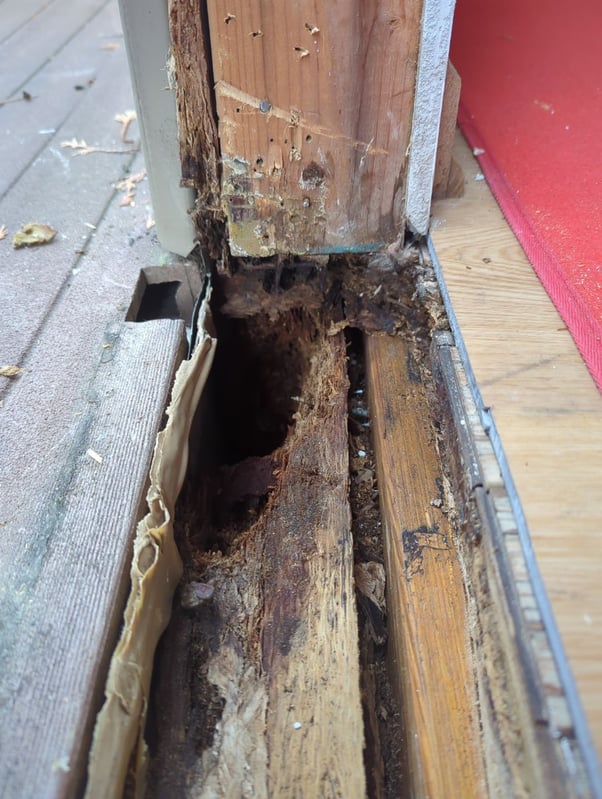
– The frame shows rot or warping near the glass channel
– The manufacturer discontinued your model (no IGU availability)
– Total repair cost exceeds 50% of a new mid-range door ($1,800+)
Red flag alert: Beware contractors pushing full door replacement for simple IGU failures. Ask specifically: “Can you replace only the glass unit?” Reputable specialists like Glass Doctor or local window companies should confirm this is possible 95% of the time.
Preventing Future Blind Failures: What Manufacturers Won’t Tell You
Since you can’t service these blinds, prevention is your only defense. The #1 cause of premature failure? Aggressive operation. Treat the wand like a delicate instrument, not a lever. Always move it at a steady 2-inch-per-second pace—never yank it top-to-bottom. This reduces magnet slippage by 80% based on industry stress tests. Secondly, keep the track immaculate. Monthly, wipe it with a microfiber cloth dampened with isopropyl alcohol to remove static-attracting dust that disrupts magnetic coupling. Finally, never operate blinds when slats are near-vertical; the 45-90° tilt range creates maximum cord tension. Stick to horizontal (open) or near-closed positions for raising/lowering.
The Hard Truth About In-Glass Blinds: Should You Repair or Live With It?
Here’s the reality no one shares: these blinds are designed as disposable components. When they fail, you’re choosing between temporary fixes and paying for the original design flaw. If your door is under warranty (rare past 10 years), pursue it aggressively. Otherwise, weigh these factors:
- Spend $750+ if: The door itself is in excellent condition, and you plan to stay in your home 5+ years. A new IGU typically lasts 15-20 years.
- Tolerate the issue if: You’re selling soon, the asymmetry is minor, or repair costs exceed 20% of your home’s value. Many buyers won’t notice during showings.
- Never attempt: YouTube “hacks” involving suction cups or magnetic tools—they scratch glass and worsen misalignment.
Final verdict: For most homeowners, professional IGU replacement is worth the investment. It restores full functionality without altering your door’s aesthetics—a far better solution than drilling holes for external blinds or living with a permanent visual flaw. Get quotes from three certified window specialists (check WDMA credentials), and insist on a written warranty covering seal failure. While that segmented jogging trick might buy you extra months, only a new sealed unit delivers a true fix for blinds inside sliding glass doors.