That frustrating thud when your door won’t latch properly isn’t just annoying—it’s a security risk. When your door handle latch sticks inside the strike plate, your door can’t stay securely closed, leaving your home vulnerable. The good news? This common issue rarely requires part replacement and can usually be fixed in under 15 minutes with basic tools. In this guide, you’ll learn exactly how to diagnose and repair a stuck door handle latch by addressing misalignment, friction points, and binding issues—no locksmith needed for most cases. By the end, you’ll have your door latching smoothly and securely every time.
Spot the Exact Binding Point on Your Door Latch
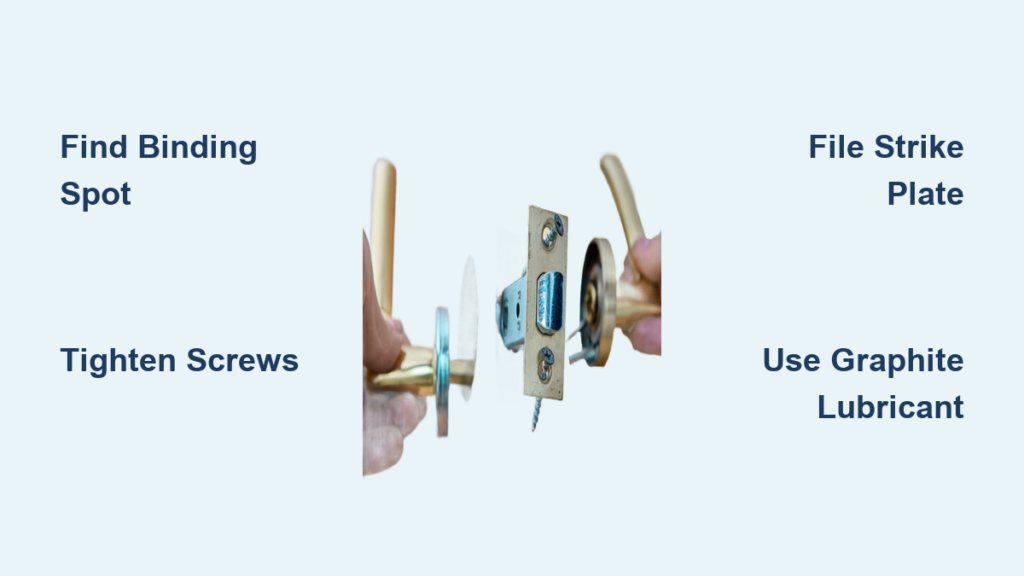
Before grabbing tools, pinpoint where the latch catches. This targeted approach prevents unnecessary filing or adjustments. Misdiagnosis wastes time and risks damaging your hardware.
Identify the Shiny Rub Mark on the Strike Plate
Operate the door handle slowly while watching the latch meet the strike plate. Look for fresh, shiny scrapes on the metal—these “witness marks” reveal exactly where the latch binds. Most commonly, you’ll see wear on the upper left corner of the strike plate hole as the latch catches during extension. If no visible marks appear, close the door partially and listen for scraping sounds as you nudge the latch toward the strike plate.
Test Latch Movement Without the Strike Plate
Remove the two strike plate screws and set the plate aside. Now operate the latch mechanism freely. If it extends smoothly without resistance, the problem is 100% strike plate alignment. If the latch still sticks when moving through its housing in the door edge, you’re dealing with internal friction or spring issues. This critical distinction determines whether you’ll file the strike plate or service the latch assembly itself.
Tighten Loose Hardware Before Filing Anything
Over 60% of “stuck latch” issues stem from loose screws shifting components out of alignment. This quick fix takes 60 seconds and should always be your first step—no tools beyond a screwdriver needed.
Secure the Strike Plate and Latch Assembly
Check all four critical connection points with a Phillips screwdriver:
– Door handle mounting screws (inside and outside)
– Latch plate screws (on the door edge)
– Strike plate screws (on the door jamb)
– Hinge screws (especially the top hinge)
Snug them firmly but avoid overtightening, which can warp metal plates. If screws spin freely in stripped holes, remove them and fill the holes with toothpicks dipped in wood glue. Reinsert screws once the glue dries for a rock-solid hold.
File the Strike Plate Hole to Clear the Binding

When tightening screws doesn’t solve the issue, strategic filing of the strike plate is your most effective solution. This precise adjustment creates just enough clearance for smooth operation—no guesswork required.
File Only the Inside Edge of the Strike Plate Hole
Never file the front beveled edge—this angled surface guides the latch inward. Instead, focus exclusively on the inner edge where the witness mark appears:
1. Mark the binding spot with chalk while the strike plate is mounted
2. Insert a small flat file or round chainsaw file into the hole
3. File only the top edge if the latch catches high, or the left side if catching on the corner
4. Use 5-10 light strokes max, then test the latch
Work slowly—removing 0.5mm of metal often solves the problem. After each filing session, reinstall the plate to test. The latch should glide in with no resistance but maintain firm contact when closed.
Avoid This Critical Filing Mistake
Many DIYers ruin strike plates by filing the wrong area. If your latch now feels loose or the door rattles when closed, you’ve filed the front bevel. Replace the strike plate immediately—this component cannot be repaired once the guiding bevel is damaged. Always file toward the jamb interior, not toward the door’s closing path.
Smooth the Latch Bolt Itself for Better Operation
When the strike plate isn’t the culprit, rough spots on the latch bolt cause binding. This internal fix requires removing the latch assembly but solves stubborn sticking issues.
Remove and Inspect the Latch Mechanism
- Unscrew both door handles and pull them off
- Remove the two long screws securing the latch assembly in the door edge
- Slide the entire mechanism out carefully
Examine the cylindrical latch bolt for burrs, rust spots, or uneven wear—especially on the leading edge. Run your fingernail along the surface; any snag indicates a friction point needing attention.
Deburr the Latch with Precision
Use a fine metal file or 120-grit sandpaper to smooth problem areas:
– Focus on the top 3mm of the bolt where it catches high
– Round sharp corners slightly with circular filing motions
– Remove only visible metal burrs—never reshape the entire bolt
– Wipe away metal shavings with a cloth before reinstallation
Reassemble and test. If filing the latch alone solves the issue, you’ve avoided modifying the strike plate entirely—a cleaner, more reversible fix.
Apply the Right Lubricant for Long-Term Smooth Function

Lubrication is critical, but 90% of homeowners use the wrong products. What seems like a quick fix often creates a gummy mess within weeks.
Choose Dry Lubricants Only—Never Oil
Graphite powder is the gold standard for latches:
– Blow powder directly into the latch housing through the edge bore
– Work the handle 10 times to distribute it internally
– Wipe excess from visible surfaces
As an alternative, use dry Teflon spray sparingly on the latch bolt face. Hold the can 12 inches away for a 1-second burst. Both options repel dust while reducing friction—unlike WD-40, which initially frees sticky parts but eventually attracts grime that worsens binding.
Lubrication Frequency That Actually Works
Apply dry lubricant:
– Immediately after any filing or adjustment
– Every 6 months for exterior doors
– Annually for interior doors
– After any exposure to moisture or dust
Over-lubrication causes buildup. If you see black residue around the latch, clean it with isopropyl alcohol before reapplying.
Check Door Alignment to Prevent Future Sticking
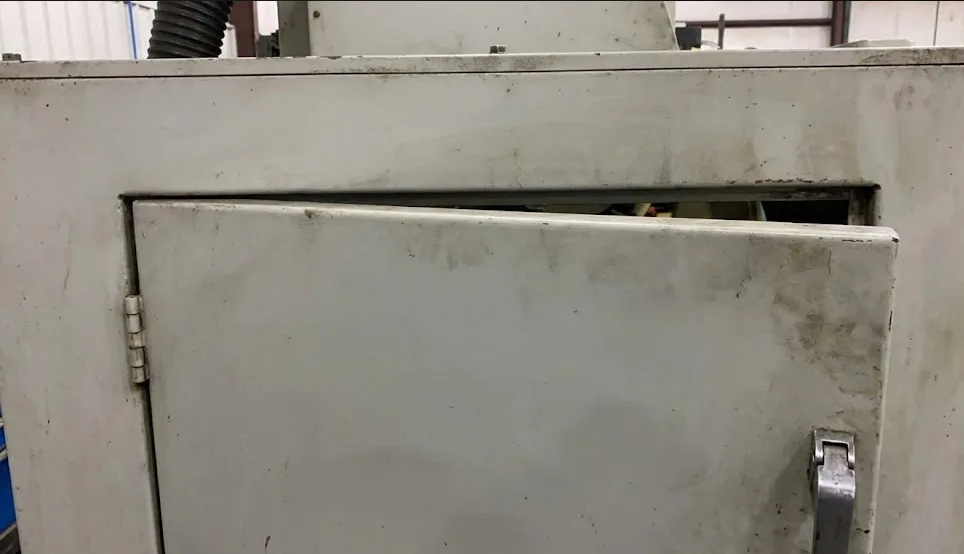
A sagging door shifts the latch position over time, causing recurring issues. Fixing this prevents future repairs.
Diagnose Sag with the Gap Test
Close the door and check clearance around the frame:
– Top gap should match bottom gap (typically 1/8″)
– Side gaps should be even from top to bottom
– If the top gap is smaller, the door has sagged
For minor sag, tighten the top hinge screws in the door jamb. For significant misalignment, place a thin cardboard shim behind the bottom hinge in the jamb. This lifts the door’s latch edge into proper alignment with the strike plate.
3 Costly Errors When Repairing a Door Handle Latch
Avoid these common pitfalls that turn a 10-minute fix into a hardware replacement job.
Using WD-40 as “Lubricant”
This petroleum-based solvent strips factory lubricants and attracts dust. Within weeks, you’ll have a gummy latch worse than the original problem. If you’ve already used WD-40, flush the mechanism with isopropyl alcohol before applying graphite.
Removing Too Much Metal from Strike Plate
File incrementally—5 strokes max between tests. Removing over 1mm creates excessive play, causing the door to rattle when closed. If you’ve over-filed, replace the strike plate ($3 at hardware stores).
Ignoring Spring Tension Issues
A weak return spring causes incomplete latch extension. If filing doesn’t help and the latch feels sluggish, replace the entire assembly. Springs wear out after 10+ years of use and can’t be repaired.
When a Broken Latch Requires a Locksmith
While most issues are DIY-fixable, certain failures demand professional help.
Replace the Entire Assembly If:
- The latch bolt wobbles noticeably in its housing
- Visible cracks appear in the latch body
- The spring is broken (latch won’t retract or extend fully)
- Rust has compromised metal integrity
Measure your existing latch plate (width, backset, bore size) before buying replacements. Most standard latches cost $8-$15 and install in 10 minutes. For antique or commercial hardware, consult a locksmith to match specifications.
Prevent Future Stuck Latches with Simple Maintenance
Annual care prevents 95% of latch issues before they start.
The 5-Minute Quarterly Check
Every three months:
1. Tighten all handle and strike plate screws
2. Wipe latch bolt with dry cloth to remove grime
3. Apply 2 pinches of graphite powder
4. Operate handle 20 times to work in lubricant
Immediate Action After Weather Events
After heavy rain or humidity spikes:
– Dry strike plate with microfiber cloth
– Apply lubricant immediately
– Check for wood swelling in the jamb
This routine keeps latches functioning smoothly for 15+ years. For exterior doors in coastal climates, double the lubrication frequency due to salt exposure.
A stuck door handle latch is rarely a permanent failure—just a mechanical hiccup needing precise attention. By targeting the exact binding point, filing strategically, and using dry lubricants, you’ll restore secure operation in minutes. Remember: tighten screws first, file minimally, and never use oil-based products. These simple steps transform a frustrating security risk into reliable daily function. When you hear that crisp click of a properly latched door, you’ll know your quick repair made your home safer tonight. For persistent issues after these fixes, replace the $10 latch assembly—your last step before calling a professional.