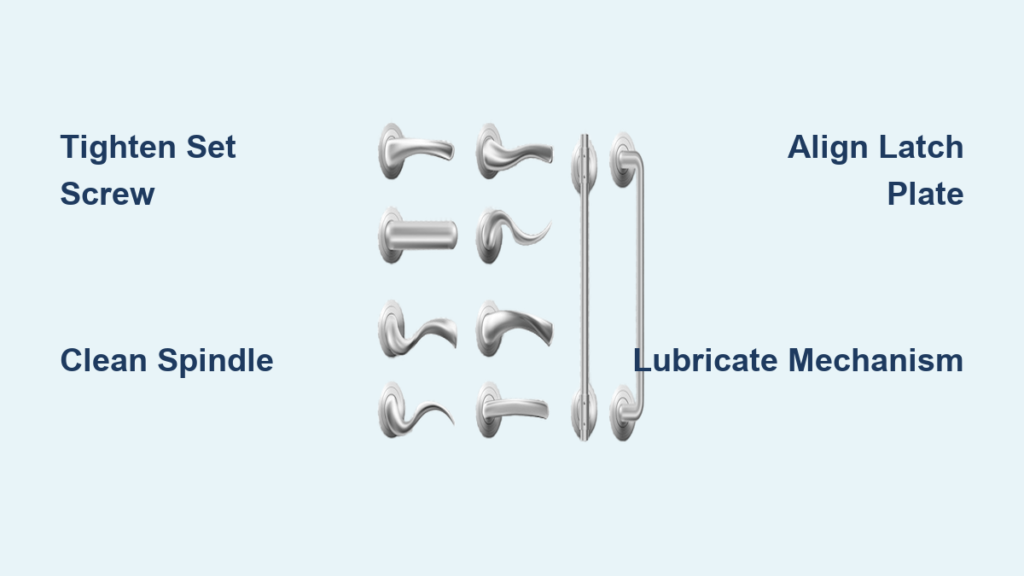
That annoying wobble in your front door handle or the frustrating resistance when turning your bedroom door knob isn’t just an inconvenience—it’s a warning sign. A malfunctioning metal door handle compromises both security and daily functionality, potentially leaving you stranded outside your own home or dealing with a door that won’t stay closed. The good news is that most metal door handle issues can be resolved in under 30 minutes with basic tools you likely already own. Whether you’re dealing with a loose exterior handle, a sticking interior knob, or a latch that won’t catch properly, this guide will show you exactly how to fix metal door handle problems without calling a locksmith.
Unlike cheap plastic handles that break beyond repair, quality metal door hardware can last decades with proper maintenance and simple fixes. By addressing minor issues promptly, you’ll extend the life of your door hardware and maintain your home’s security. Throughout this guide, you’ll learn not only how to fix metal door handle problems but also how to prevent them from recurring—saving you time, money, and frustration.
Essential Tools for Metal Door Handle Repair
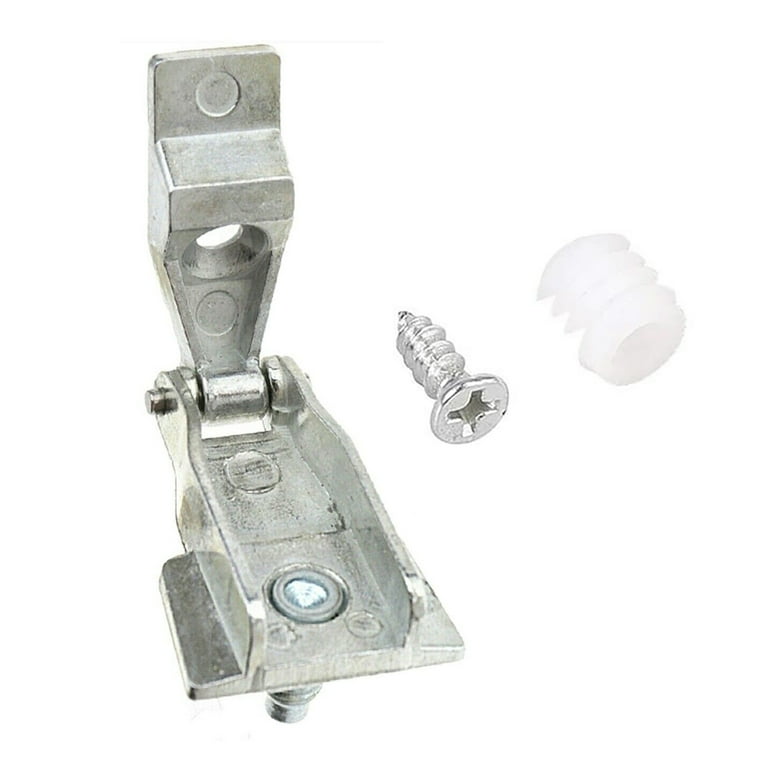
Before you begin any repair, gather these specific tools to avoid mid-project frustration. Having everything ready ensures a smooth repair process and prevents damage to your metal hardware.
Must-Have Screwdrivers and Hex Keys for Handle Fixes
Most metal door handles use specialized fasteners that require precise tools. You’ll need a complete set of Phillips screwdrivers (#0, #1, and #2 sizes) plus a standard metric hex key set (2mm, 2.5mm, 3mm, and 4mm). Many modern handles conceal set screws under decorative caps, requiring these specific sizes for access. Pro Tip: Keep a small magnet nearby to catch tiny screws—metal handles often use miniature fasteners that easily disappear into door crevices.
Proper Lubricants to Prevent Future Sticking
Never use WD-40 or oil-based lubricants on metal door handles—they attract dust and eventually create a sticky paste that worsens the problem. Instead, keep powdered graphite or a dry Teflon spray lubricant specifically designed for locks. These dry lubricants reduce metal-on-metal friction without collecting debris. For exterior doors exposed to moisture, a silicone-based lubricant provides additional water resistance while maintaining smooth operation.
Diagnosing Your Metal Door Handle Problem Correctly

Identifying the exact issue saves time and prevents unnecessary disassembly. Metal door handles typically fail in predictable ways, each requiring a specific solution.
Is Your Handle Loose or Wobbly? Here’s What’s Wrong
A handle that wobbles or spins loosely on its spindle almost always indicates a loose set screw—the #1 problem with metal door handles. This tiny fastener secures the handle to the square spindle rod inside the door. Over time, vibration and regular use cause it to loosen, creating that annoying play. Check for metal shavings around the base of the handle, which signals that the set screw has been slipping against the spindle, wearing down both components.
Why Your Metal Door Handle Sticks and Won’t Turn Smoothly
Stiff operation usually stems from dried lubricant, debris accumulation, or misalignment. Metal handles, particularly aluminum or stainless steel models, develop increased friction when the original lubricant dries out or collects dust. If your handle sticks at a specific point in its rotation, examine the latch plate on the door edge—misalignment causes the latch to bind against the strike plate. Listen for grinding sounds during operation, which indicate metal components rubbing where they shouldn’t.
Fixing a Loose Metal Door Handle in 3 Simple Steps
Tightening a wobbly metal door handle is the most common repair you’ll perform and can usually be completed in under 10 minutes.
Locating and Tightening the Hidden Set Screw
Most handles conceal the set screw under a small decorative cap on the handle base or at the neck of the knob. Carefully pry off this cap with a flathead screwdriver or utility knife. Insert the correct hex key or screwdriver and tighten the set screw firmly—typically requiring 20-30 inch-pounds of torque. Warning: Over-tightening can strip the threads or damage the spindle, so stop when resistance increases significantly. Apply a tiny drop of blue thread locker for a permanent solution that prevents future loosening.
Adding Spacers When Your Handle Still Wobbles
If tightening the set screw doesn’t eliminate play, your handle likely needs spacer adjustment. Metal handles require proper spacing between the handle base and door surface to prevent rubbing and ensure smooth operation. Remove the handle and inspect for missing or worn spacers—small metal or plastic collars that slide onto the spindle. Replace any damaged spacers with identical ones, ensuring the handle sits flush against the door without binding. Reassemble and test before replacing decorative caps.
Solving Stiff or Sticking Metal Door Handles
A handle that resists turning not only frustrates daily use but can eventually fail completely, trapping you inside or outside your home.
Cleaning and Lubricating Your Handle Mechanism
Disassemble the handle by removing set screws and pulling the handles off the spindle. Wipe away old lubricant and debris from the spindle and handle bore using a clean cloth and isopropyl alcohol. Apply a small amount of powdered graphite or dry Teflon lubricant to the spindle and inside the handle mechanism. Reassemble and test—most sticking problems resolve with proper lubrication. Expert Note: Aluminum handles often develop oxidation that causes binding; gently polish the spindle with fine steel wool before re-lubricating.
Aligning the Latch Plate to Eliminate Binding
Close your door slowly and watch how the latch enters the strike plate. If it scrapes or requires force to engage, the alignment is off. Loosen the two screws holding the strike plate and adjust its position up, down, or sideways until the latch slides in smoothly. For minor misalignment, use a metal file to slightly enlarge the strike plate opening. Test repeatedly until the door latches with minimal resistance—proper alignment prevents unnecessary wear on your metal hardware.
Replacing a Broken Metal Door Latch Mechanism
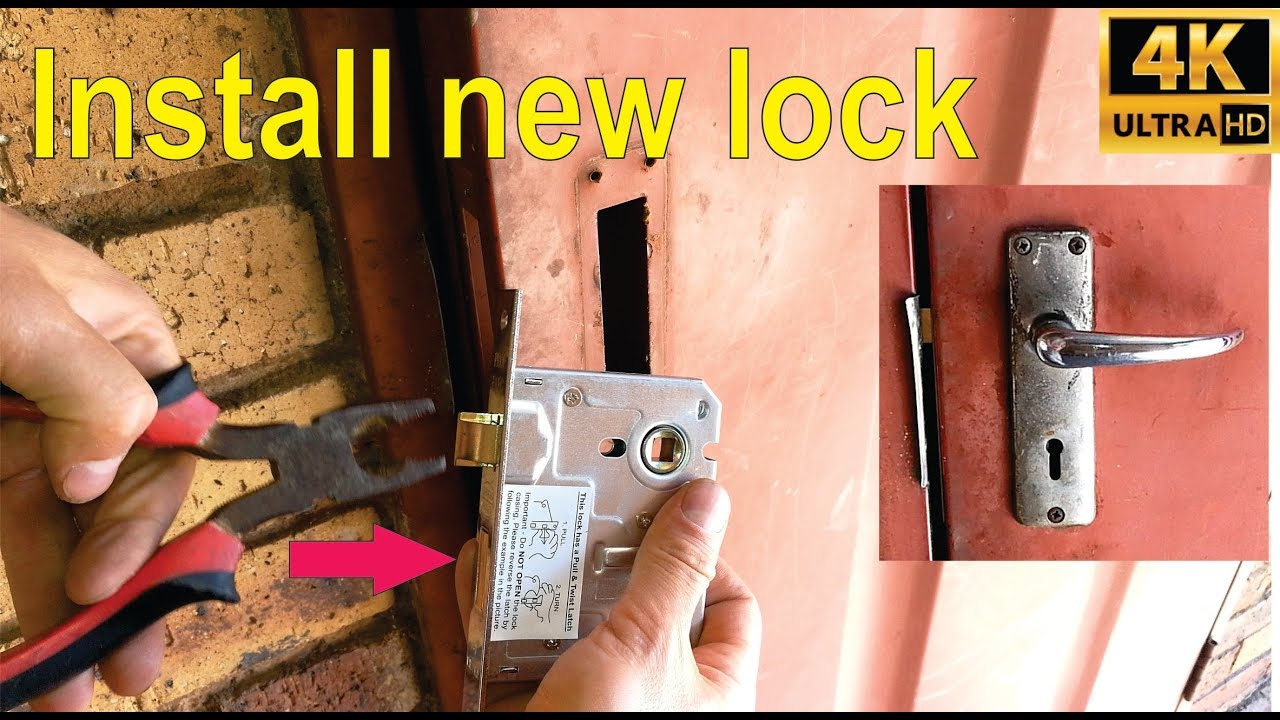
When your latch fails to extend or retract fully, replacement becomes necessary—this repair maintains your door’s security and functionality.
How to Remove the Old Latch Without Damaging Your Door
Remove the two screws securing the latch plate on the door edge, then pull the entire latch mechanism straight out of the bored hole. If it’s stuck, tap gently around the edges with a hammer and flathead screwdriver to break it loose. Take the old latch to a hardware store to ensure an exact match—measure the backset (distance from door edge to center of handle hole) and cross-bore diameter before purchasing replacement.
Choosing the Exact Replacement Latch for Your Handle
Not all latches are interchangeable, even among metal handles. Match the latch type (spring-loaded deadbolt, privacy, passage), backset (typically 2-3/8″ or 2-3/4″), and faceplate dimensions. For exterior doors, select a Grade 2 or higher latch for security. When reinstalling, ensure the beveled side of the latch faces the direction the door closes, and verify smooth operation before tightening all screws completely.
Preventing Future Metal Door Handle Problems
Regular maintenance extends the life of your metal door hardware significantly and prevents most common issues from developing.
The Right Way to Lubricate Metal Handles for Long Life
Apply lubricant sparingly—excess attracts dirt. Once yearly, remove handle decorative caps and apply a small amount of dry lubricant to the spindle where it enters the latch mechanism. Operate the handle repeatedly to work the lubricant into all moving parts. For exterior doors exposed to weather elements, use a silicone-based lubricant that repels moisture while reducing friction.
Monthly Checks to Catch Problems Early
Perform this quick inspection monthly: Operate the handle through its full range while checking for resistance points. Push and pull on the handle to test for play—more than 2mm of movement indicates loosening. Listen for unusual sounds during operation. Catching minor issues early prevents complete failure and maintains your home’s security. Pro Tip: Keep spare set screws and spacers stored with your hardware tools for quick fixes.
Knowing When to Call a Professional Locksmith
While most metal door handle repairs are DIY-friendly, certain situations warrant professional help to maintain security and avoid costly mistakes.
DIY vs. Professional Repair: Cost and Security Considerations
If you notice structural damage to your door frame, have a high-security lock system, or own antique or custom hardware, consult a professional. Attempting complex repairs on these systems can compromise security or damage irreplaceable components. For standard residential handles, DIY repair costs $20-50 in tools and parts versus $150-400 for professional service. However, if your exterior door handle fails unexpectedly, a professional’s immediate service might be worth the cost for security reasons.
By following these steps, you’ll confidently handle most metal door handle issues that arise. Regular maintenance and prompt attention to minor problems will keep your doors operating smoothly for years to come, maintaining both convenience and security throughout your home. Remember that properly functioning door hardware serves as your first line of defense—taking time to fix metal door handle problems correctly protects more than just your daily convenience.