Your sliding glass door should invite light and views—not create privacy nightmares. When curtains snag on handles, pool awkwardly on the floor, or fail to block streetlights, it’s usually a mounting mistake. The right approach transforms your door into a stylish focal point while solving real problems: stopping prying eyes, muffling street noise, and preventing pets from scratching delicate fabrics. This guide cuts through generic advice to deliver a drill-free, pet-safe curtain installation that works for renters and homeowners alike. You’ll learn exactly where to position rods for smooth operation, which hardware prevents sagging, and how to choose sound-absorbing fabrics that actually work.
Measuring Your Sliding Glass Door for Zero Clearance Errors
Forget standard “measure twice” advice—sliding doors demand precision for clearance. Mismeasure by even 1 inch, and curtains will jam the track or block your door handle. Start by measuring width at three points: top, middle, and bottom of the frame. Sliding doors often warp, so use the narrowest measurement. Add 10 inches total (5 inches per side) for full stackback—this ensures curtains clear the glass when open. For height, measure from ceiling to floor if mounting overhead (ideal for soundproofing), or 6 inches above the frame for wall mounts. Crucially, hold your curtain panel against the door: if it’s 100 inches long but your floor-to-ceiling height is 98 inches, you’ll get frustrating puddling. Subtract ½ inch from your height measurement so curtains kiss the floor without dragging.
Why Your Curtains Keep Catching on the Door Handle
Handle interference is the #1 failure point. Test clearance by taping a fabric sample to the door frame. Open the door fully—if the sample brushes the handle, shift your mounting point 2 inches higher. For French doors, extend rods 8 inches beyond each panel’s edge to avoid handle collisions.
Avoiding Sagging Rods on Wide Doors
Standard rods buckle under heavy fabrics on doors wider than 72 inches. Solution: Install a center support bracket even if your hardware kit doesn’t include one. Measure your span—if over 6 feet, add this bracket 1 inch from the midpoint.
Tension Rods vs. Ceiling Tracks: Which Works for Your Door Type
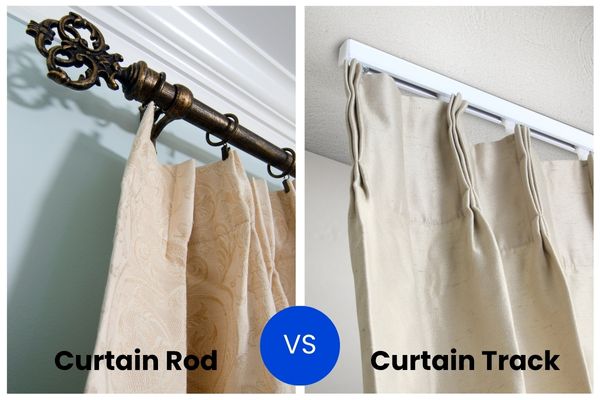
Drilling isn’t the only option. Your door type dictates the hardware:
Sliding Glass Doors: Ceiling-Mounted Tracks for Silent Operation
Forget wall brackets—they limit curtain width and risk drywall damage. Instead, ceiling-mounted tracks (like IKEA IDEALISK) glide effortlessly above the door. Key steps:
1. Locate ceiling joists with a stud finder—never skip this for heavy drapes.
2. Mount the track 3 inches inside the door frame on both sides to avoid glass edges.
3. Use toggle bolts for plaster ceilings; molly bolts for drywall.
Pro Tip: For sound absorption, choose tracks with gliders every 4 inches—fewer gaps mean better noise blocking.
French Doors: Magnetic Rods for Metal Frames
If your door has metal stiles, magnetic rods (like DecoBreeze) eliminate drilling. Clean the frame with rubbing alcohol, then press the rod’s magnets firmly against the metal. Test with 10 lbs of pressure—no sliding allowed. Works best for lightweight linen or sheer curtains under 4 lbs.
Rental-Friendly Tension Rods: The 3-Step Stability Fix
Tension rods fail on glass because smooth surfaces cause slippage. Combat this:
1. Extend the rod 1.5 inches beyond the door frame on each side.
2. Apply rubber shelf liner to contact points (cut 1-inch squares).
3. Twist the rod clockwise while pushing upward—this locks it against the frame’s top lip.
Warning: Never use tension rods for blackout curtains over 5 lbs—they’ll collapse.
Hanging Sound-Absorbing Curtains That Actually Block Noise

Most guides ignore that thin fabrics do nothing for traffic noise. For real sound dampening:
Fabric Selection That Cuts Noise by 50%
Choose velvet or thermal-backed blackout curtains with a minimum weight of 0.4 lbs per square foot. Lighter fabrics (<0.2 lbs) merely diffuse sound. Look for labels like “acoustic-grade” or “NRC 0.35+” (Noise Reduction Coefficient). Install them floor-to-ceiling—even a 6-inch gap at the top reduces effectiveness by 30%.
The Overlap Trick for Complete Coverage
Hang curtains so panels overlap by 6 inches at the door’s center. This seals the gap where noise leaks through. For sliding doors, use two separate rods—one for sheers (daytime privacy), one behind for blackout drapes (nighttime quiet).
Pet-Safe Curtain Installation: Stop Torn Fabrics in 3 Moves
Pets turn curtains into chew toys or climbing ropes. Fix this without sacrificing style:
Breakaway Hardware That Saves Lives
Replace standard finials with magnetic curtain hooks (like SafeRack). When pulled, they detach harmlessly—no strangulation risk. Install rods 8 inches above pet jump height (measure your cat’s leap + 2 inches).
Scratch-Proof Fabrics That Hide Damage
Choose textured microfiber or outdoor-rated polyester—their tight weave resists claws. Avoid smooth silks or thin cottons. For existing scratches, rub rubbing alcohol on a cotton swab; it dissolves pet saliva stains.
Troubleshooting 4 Glass Door Curtain Disasters

Problem: Curtains Won’t Close Fully on Sliding Doors
Cause: Rods mounted too close to the frame.
Fix: Remount rods 4 inches beyond the outer edge of the closed door panel. This gives curtains room to stack without binding.
Problem: Rod Keeps Dropping on French Doors
Cause: Brackets screwed only into drywall (not studs).
Fix: Remove brackets, drill into the stile’s wood frame (use a 1/8-inch pilot hole), and reattach with 3-inch screws.
Problem: Tension Rod Slides Down When Opened
Cause: Insufficient pressure on glass.
Fix: Wrap silicone tape around the rod’s ends—this grips without residue. Test by pulling down firmly; it shouldn’t budge.
Problem: Fabric Puddling Creates Tripping Hazard
Cause: Ignoring the ½-inch floor clearance rule.
Fix: Shorten curtains by sewing a new hem 1 inch above the current bottom. Use a fabric steamer to avoid wrinkles in the fold.
Final Safety Checks Before You Call It Done
Before walking away, perform these critical tests:
– Pull Test: Yank curtains downward firmly—hardware shouldn’t shift.
– Door Swing Test: Open/close the door 5 times; curtains must never touch handles.
– Child Safety Scan: Ensure no cords dangle below 60 inches; use cord cleats if needed.
Hanging curtains on glass doors isn’t about decoration—it’s solving privacy, noise, and safety pain points. By mounting rods at ceiling height for sound absorption, using magnetic or tension solutions for rentals, and selecting weighted fabrics that actually block noise, you’ll create a functional barrier that enhances your space. Remember: the right hardware prevents 90% of installation failures, and pet-proofing takes just 10 minutes but saves ruined curtains. Now your sliding door delivers views when you want them—and quiet, privacy when you don’t.
Pro Maintenance Tip: Every 3 months, tighten ceiling track screws and vacuum curtains with an upholstery attachment—dust buildup adds weight that strains hardware over time.