Your sliding glass door curtains should frame the view like a living painting, not look like an afterthought. But nothing ruins that elegant look faster than curtains that pool awkwardly on the floor or hang too short, creating an unprofessional gap that compromises privacy. Getting precise measurements for sliding glass door curtains is the single most important step to achieving that custom-tailored appearance without costly returns or alterations. Whether you’re installing light-filtering sheers or room-darkening blackout panels, accurate measurements ensure your curtains operate smoothly, provide proper coverage, and enhance your space rather than detract from it. In this guide, you’ll discover the exact method professional interior designers use to measure sliding glass doors for curtains that look custom-made every time.
Before grabbing your tape measure, decide where your curtain rod will sit. Will it be mounted inside the door frame for a clean, minimalist look? Or positioned outside the frame on the wall to maximize light blockage and create the illusion of a larger window? This critical decision impacts every subsequent measurement. For most homeowners, an outside mount provides better light control and a more dramatic aesthetic, but requires careful calculation of extension beyond the door frame. Grab a steel tape measure (not fabric, which stretches), a notepad, and pencil—precision starts with the right tools in hand.
Precise Tools Needed to Measure Sliding Glass Door Curtains Correctly
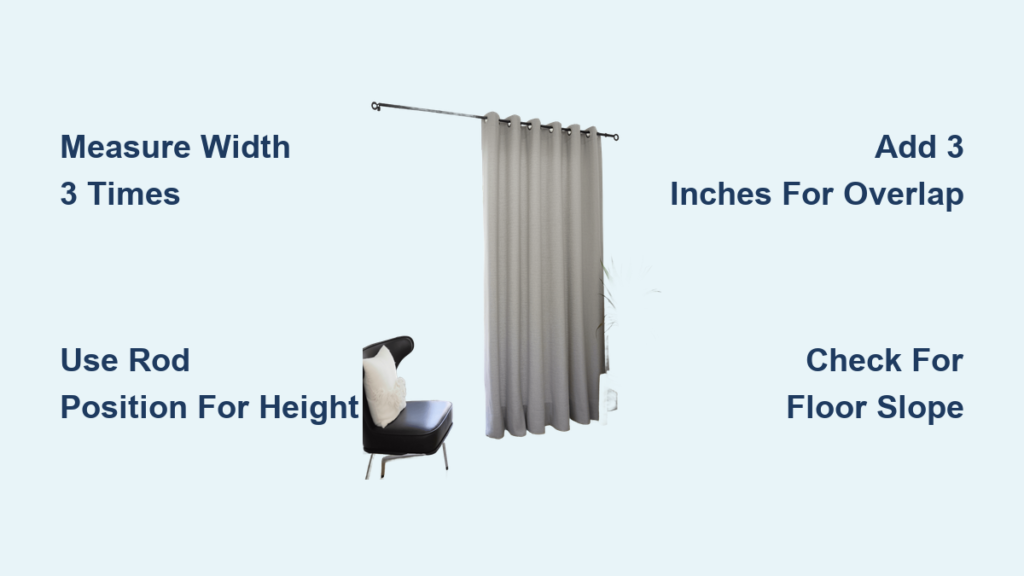
Skipping the proper tools guarantees measurement errors that show up when your curtains arrive. A flexible cloth tape measure stretches and gives inconsistent readings, while a steel tape measure maintains rigidity for exact measurements every time. Always write down each measurement immediately—don’t trust your memory when dealing with fractions of inches. Professional curtain installers measure each dimension at least three times before recording the final number, accounting for any unevenness in your door frame or floor.
Pro Tip: Bring a small level when measuring. Sliding glass doors often settle unevenly over time, and your floor may slope slightly toward the door for drainage. A level helps identify these subtle variations so your curtains hang straight despite architectural imperfections.
Step-by-Step: Measuring Sliding Glass Door Curtain Width and Height

The difference between bargain-store curtains and designer-quality drapes comes down to proper fullness and length calculation. Follow these specific steps to determine your exact requirements.
Why Your Sliding Glass Door Curtain Width Needs 2-3x the Door Measurement
Most homeowners make the critical error of ordering curtains the exact width of their sliding door. This creates a flat, unattractive panel that blocks light poorly and looks cheap when open. For that luxurious, gathered appearance, your curtain width must be 1.5 to 3 times the width you’re covering:
- Inside Mount Measurement: Measure the exact interior width of your door frame at three points (top, middle, bottom). Use the smallest measurement to ensure the curtain fits within the frame.
- Outside Mount Measurement: Determine how far beyond the door frame you want coverage (typically 6-12 inches total). Measure from left mounting point to right mounting point—this is your rod length and curtain width requirement.
Critical Detail: If measuring for two panels (standard for sliding doors), divide your total width by two, then multiply by 2.5 for proper fullness. A 72-inch wide door needs 180 inches of total fabric (90 inches per panel) for ideal gathering.
Measuring Sliding Glass Door Curtain Height Without Floor Puddling
Too-short curtains scream “DIY disaster,” while excessive floor pooling creates tripping hazards and dirt traps. Get this measurement perfect with these steps:
- Mark your intended rod position with a pencil—typically 4-6 inches above the door frame for outside mounts
- Measure vertically from rod position to floor at three points (left, center, right)
- Use the longest measurement to ensure consistent floor contact
- Subtract ½ inch if you want curtains to “kiss” the floor, or add 1-2 inches for intentional puddling
Warning: Never measure from the top of the door frame—always from your actual rod position. Floors slope, and your curtain length depends on where the rod sits, not the door’s dimensions.
Accounting for Curtain Hardware in Your Measurements
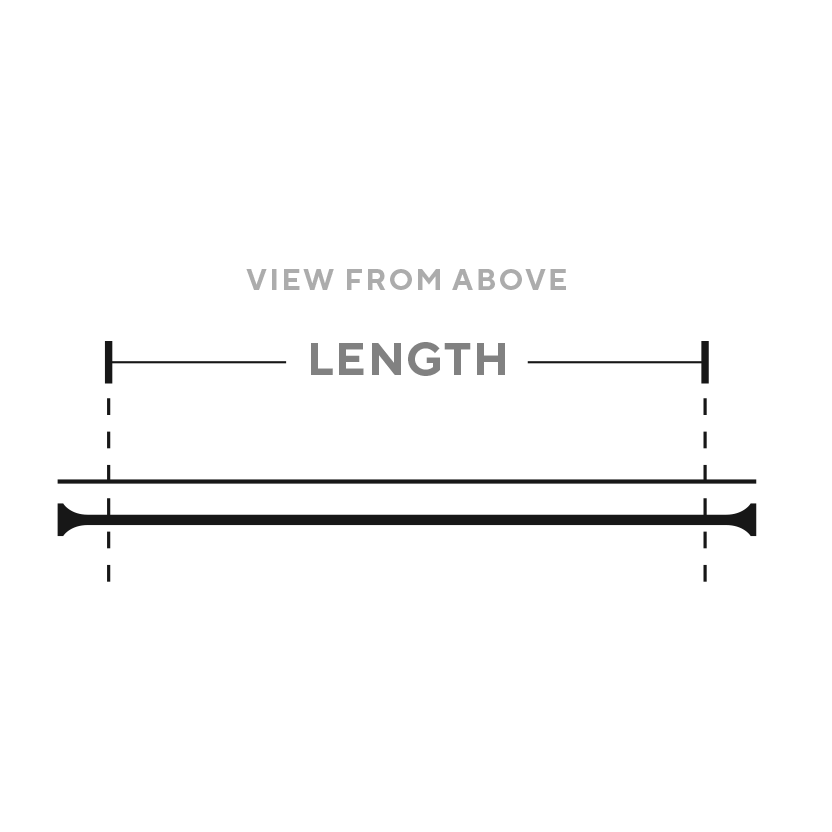
Your curtain rod and hardware add significant length that beginners often overlook. A standard rod with rings adds 1.5-2 inches between the rod and the top of your curtain fabric. When measuring height, include this gap in your calculation or your curtains will hang too high. For width, remember that traverse rods (essential for sliding glass doors) require extra length for the pull mechanism—add 4-6 inches total to your rod measurement beyond the door frame.
Selecting Curtain Rods That Match Your Sliding Glass Door Measurements
The right rod transforms functional window treatment into design statement. For doors wider than 6 feet, a double rod system accommodates both sheer and blackout panels without visual clutter. Heavy blackout curtains demand reinforced brackets spaced every 30 inches—standard spacing allows sagging over time. Measure your door’s weight capacity before selecting hardware; many sliding doors can’t support heavy decorative rods without reinforcement.
Pro Tip: Install ceiling-mounted tracks for the cleanest look on wide sliding doors. These eliminate visible hardware and allow curtains to disappear completely when open, maximizing your view.
Measuring Blackout Curtains for Total Light Blockage on Sliding Doors
Standard curtain measurements fail with blackout panels, which require precise overlaps to prevent light leakage. For true darkness:
- Add 3 inches to each side measurement for full coverage beyond the glass
- Extend height measurement by 2 inches above the door frame
- Ensure bottom hem reaches ½ inch below threshold for complete floor seal
Critical Detail: Measure when the door is both open and closed positions. Many homeowners forget that sliding doors create gaps at the meeting rail where light seeps through without proper curtain overlap.
7 Costly Mistakes When Measuring Sliding Glass Door Curtains (And How to Avoid Them)

Even experienced DIYers fall prey to these common measurement errors that result in ill-fitting curtains:
Mistake #1: Measuring only once—floors and frames are rarely perfectly level. Always measure width at three points and height at multiple spots along the frame.
Mistake #2: Ignoring stackback requirements—wide sliding doors need longer rods to accommodate fabric when curtains are open. Calculate stackback as 25% of your total curtain width.
Mistake #3: Forgetting to account for door handle clearance—measure around protruding handles that could interfere with curtain movement.
Mistake #4: Using door width instead of glass width—measure the actual glass area, not the entire door frame, for proper coverage.
Mistake #5: Overlooking ceiling height limitations—tall ceilings create proportion challenges; curtains should break at natural sightlines, not necessarily the floor.
Mistake #6: Assuming standard panel sizes fit—most sliding doors require custom widths; off-the-rack panels rarely provide proper fullness.
Mistake #7: Measuring in poor lighting—take measurements during daylight hours to see subtle frame irregularities.
Fixing Incorrect Sliding Glass Door Curtain Measurements Before Installation
Caught a measurement error before installing your curtains? You still have options. For curtains that are 1-2 inches too short, add decorative trim or fabric extensions to the hem. Width issues are trickier—panels that are too narrow require additional fabric inserts, while overly wide panels can be pleated more tightly (though this compromises the intended fullness). The most professional solution? Return for corrections before installation—most custom curtain companies allow one free remeasure if you catch errors early.
Warning: Never attempt to cut curtain length without professional guidance. The wrong cut destroys header tape, lining, and hem integrity, creating an irreversible mistake.
Double-Checking Your Sliding Glass Door Measurements Before Ordering
Before clicking “purchase,” verify your numbers with this professional checklist:
– Width measurements taken at three points with smallest number recorded
– Height measurements include rod position and hardware drop
– Total fabric width is 2.5x the door width for proper gathering
– Outside mount extends 3-6 inches beyond door frame on each side
– Blackout curtains include 3-inch side and top overlaps
– All measurements written down and verified twice
Order fabric swatches before committing to full panels—colors and textures look dramatically different in your actual space than on-screen. For doors wider than 96 inches, consider motorized systems that maintain precise measurements while adding convenience.
Final Pro Tip: Take a full-size cardboard template of your measurements to the store. Cut a piece of cardboard to your exact dimensions and hold it against your door—this visual check catches errors your numbers might miss. Perfect curtain measurements transform your sliding glass door from a functional element into a stunning focal point that enhances both aesthetics and functionality in your living space.