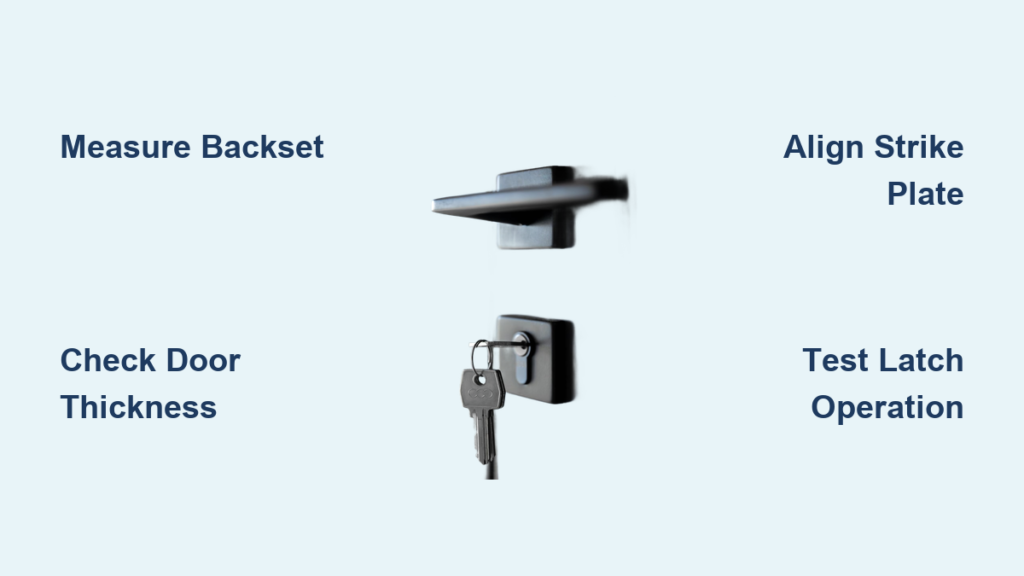
Your front door handle suddenly won’t turn, or maybe you’re tired of juggling keys every time you enter your home. Whatever the reason, knowing how to replace door handle with lock is a valuable DIY skill that boosts both security and convenience. Modern options like smart locks and lever handles can transform how you interact with your home while addressing accessibility needs. This guide cuts through the confusion with precise measurements, installation techniques, and troubleshooting tips to ensure your new lock functions flawlessly from day one.
Replacing a basic doorknob with a lock mechanism typically takes 30-60 minutes with the right tools and preparation. The key to success lies in understanding your door’s specific dimensions and selecting hardware that matches your security needs and physical capabilities. Whether you’re upgrading to a keyless smart lock for convenience or installing a lever handle for better accessibility, this guide will help you complete the project with professional results.
Measuring Your Door for Perfect Lock Compatibility

Skipping precise measurements is the #1 reason DIYers end up with mismatched hardware that won’t install properly. Before purchasing any new lock, you must verify three critical dimensions on your existing door to ensure compatibility.
Determining Your Door’s Backset Measurement
The backset—the distance from your door’s edge to the center of the handle hole—determines which lock models will fit your door. Standard backsets measure either 2-3/8 inches or 2-3/4 inches. To measure accurately:
- Close your door and locate the center of the large bore hole where your current handle sits
- Measure from this center point to the edge of the door where the latch mechanism extends
- Record this measurement precisely—using the wrong backset will prevent proper latch alignment
Most interior doors use the 2-3/8 inch backset, while exterior doors typically require the longer 2-3/4 inch measurement. If your measurement falls between standard sizes, you’ll need specialty hardware or adapter plates.
Checking Door Thickness and Bore Hole Size
Your door’s thickness directly impacts which locks will fit properly. Interior doors usually measure 1-3/8 inches thick, while exterior doors are typically 1-3/4 inches. Measure across the edge of your door with a tape measure to confirm.
The bore hole—the large circular opening where your handle assembly sits—should measure exactly 2-1/8 inches in diameter for standard hardware. Use a ruler to verify this measurement before purchasing new hardware. If your hole is larger or smaller, you’ll need to either patch and redrill or select specialty hardware designed for non-standard doors.
Choosing Between Smart Locks and Traditional Lever Handles

Your hardware selection should match both your security needs and physical capabilities. Understanding the differences between modern options prevents costly mistakes and ensures your new lock serves you well for years.
Smart Locks for Keyless Convenience
If you frequently forget keys or need to grant temporary access to guests, smart locks like the Kwikset SmartCode 916 offer touchscreen keypads with app connectivity. These systems eliminate physical keys entirely—you can enter using PIN codes, smartphone apps, or voice commands with compatible smart home systems.
Critical smart lock considerations:
– Ensure your door’s backset and thickness match the lock’s requirements
– Verify Wi-Fi signal strength at your door location for reliable connectivity
– Check battery life specifications (most last 6-12 months on standard AA batteries)
– Confirm the lock includes physical key backup for emergencies
Lever Handles for Accessibility and Ease of Use
Replacing a traditional doorknob with a lever handle dramatically improves accessibility, especially if you have limited hand strength or dexterity issues. Lever handles require only a closed fist, elbow, or hip to operate—making them ideal for carrying groceries or for individuals with arthritis.
Key lever handle benefits:
– Complies with ADA standards requiring no more than 5 pounds of force to operate
– Works seamlessly with most standard lock mechanisms
– Available in various finishes to match your home’s decor
– Requires no special wiring or technical knowledge to install
Essential Tools for Door Handle Replacement

Gathering the right tools before starting prevents mid-project frustrations and ensures a clean installation. You’ll need these specific items:
- Phillips and flathead screwdrivers (magnetic tips help)
- Tape measure with fine increments
- 2-1/8 inch hole saw (if modifying door)
- Chisel and mallet for strike plate adjustments
- Utility knife for marking
- Painter’s tape to prevent wood splintering
- Cordless drill with driver bits
- Wood glue and dowels for filling old holes
Pro Tip: Place painter’s tape around existing holes before drilling to minimize wood splintering. This simple step creates cleaner edges and a more professional finish.
Removing Your Old Door Knob Without Damaging the Door
The removal process varies slightly depending on your existing hardware type, but the fundamental approach remains consistent across most standard door handles.
Locating and Removing Set Screws
Most modern door handles conceal set screws beneath small decorative caps on the interior side of the knob or lever. Carefully pry off these caps with a utility knife tip to reveal the screws beneath. Use the appropriate screwdriver to loosen these screws completely—don’t force them, as stripped screws complicate removal.
Some handles use Allen wrench set screws instead of standard screws. Check for a small hexagonal hole on the handle neck that requires an Allen key. If you can’t locate visible screws, your handle likely has an internal release mechanism—consult manufacturer instructions for specific removal techniques.
Extracting the Latch Mechanism
After removing the interior and exterior handles, you’ll see two screws securing the latch plate along the door’s edge. Remove these screws and gently pull the entire latch mechanism straight out of the door. If it resists, tap it lightly with a hammer to loosen it from the wood.
Warning: Don’t force the latch mechanism out, as this can splinter your door’s edge. If stuck, use a flathead screwdriver as a gentle pry bar between the latch plate and door edge.
Installing the New Latch Mechanism Correctly
Proper latch installation ensures smooth operation and prevents premature wear. This step requires careful attention to detail for optimal performance.
Positioning the Latch with Correct Orientation
Insert the new latch into the edge of your door with the angled side of the latch bolt facing the direction the door closes. Most latches feature a curved faceplate that must sit perfectly flush with the door’s edge. If it protrudes, use a chisel to carefully deepen the recess—remove wood in small increments to avoid over-cutting.
Test the latch movement by pressing the bolt in and out with your finger. It should retract smoothly without sticking. If resistance occurs, check for wood debris in the mechanism or slight misalignment in the recess.
Mounting Your Smart Lock or Lever Handle Assembly
With the latch securely installed, it’s time to attach your new handle assembly. The process differs slightly between traditional mechanical locks and smart lock systems.
Connecting the Exterior and Interior Components
For traditional lever handles, insert the exterior handle’s spindle through the main bore hole first. Then position the interior mounting plate and align the interior lever onto the spindle. Secure everything with the provided connecting bolts, tightening them evenly to prevent binding.
Smart locks require additional steps—first install the exterior keypad or touchscreen unit, then connect any wiring to the interior battery compartment before securing the interior assembly. Follow manufacturer diagrams precisely for wiring connections to avoid damaging electronic components.
Aligning the Strike Plate for Smooth Operation
A misaligned strike plate causes the most common post-installation issues. Proper alignment ensures your door latches smoothly every time.
Creating the Perfect Strike Plate Recess
Apply a small dot of lipstick or marker to the end of your latch bolt, then close the door to transfer the mark onto the strike plate location. This reveals exactly where the strike plate needs to sit for perfect alignment.
Use a chisel to carefully carve a recess for the strike plate that’s slightly deeper than the plate’s thickness. This ensures the plate sits flush with the door jamb surface. For maximum security, replace standard strike plates with reinforced versions secured by 3-inch screws that anchor into the wall studs.
Troubleshooting Common Door Handle Installation Issues
Even with careful installation, you might encounter minor issues that require adjustment. These solutions fix the most frequent problems DIYers face.
Fixing a Sticking Latch Mechanism
If your new handle feels stiff when operating, the latch mechanism may be slightly misaligned. Loosen the handle mounting screws by half a turn and adjust the position while testing the operation. Often, a fraction of an inch makes the difference between smooth and sticky operation.
Pro Tip: Apply a small amount of graphite lubricant (not oil) to the latch mechanism if it continues to stick after alignment. Oil attracts dust and can gum up the mechanism over time.
Solving Smart Lock Connectivity Problems
When your smart lock won’t connect to your home network, first verify adequate Wi-Fi signal strength at your door location. Move your router closer temporarily to test connectivity. Reset the lock to factory settings using the manufacturer’s procedure, then attempt reconnection.
If connectivity issues persist, check for firmware updates through the manufacturer’s app—outdated firmware causes many connectivity problems with smart home devices.
Maintenance Tips to Extend Your New Lock’s Lifespan
Proper maintenance prevents future problems and ensures reliable operation for years. Incorporate these simple habits into your home care routine.
Monthly Smart Lock Checks
Test all electronic functions of your smart lock monthly—keypad entry, app control, and voice commands if applicable. Check battery levels through the app or by pressing the status button on the lock. Most smart locks provide low-battery warnings, but proactive replacement prevents lockouts.
For mechanical components, operate the handle through its full range of motion to ensure smooth operation. Apply graphite lubricant to the latch mechanism annually to prevent sticking.
Annual Hardware Tightening
Over time, normal use causes handle screws to loosen. Every 12 months, check and tighten all visible screws on both interior and exterior components. Pay special attention to the mounting plate screws inside the door edge—they’re critical for maintaining proper latch alignment.
Warning: Don’t overtighten screws, as this can strip the threads in the wood. Tighten until snug, then give a quarter-turn more for security.
Replacing a door handle with a lock transforms both your home’s security and daily convenience when done correctly. By carefully measuring your door, selecting appropriate hardware, and following these precise installation steps, you’ll enjoy reliable operation for years. Remember to perform simple maintenance checks regularly—these small efforts prevent major headaches down the road. Whether you’ve installed a traditional lever handle for better accessibility or a smart lock for modern convenience, your newly upgraded entry point now serves you better while keeping your home secure.