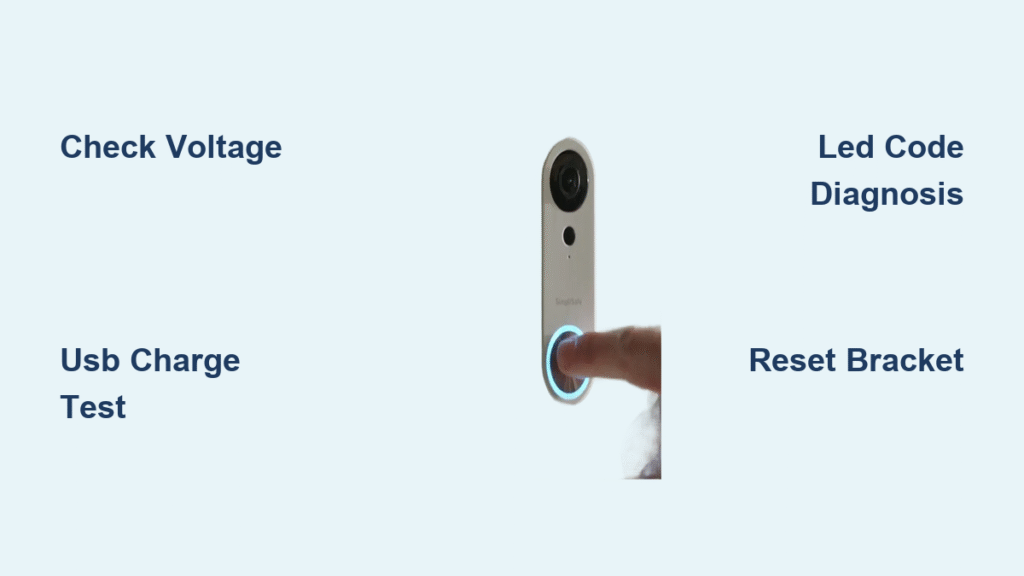
Your SimpliSafe doorbell just went dark—no ring, no video, no response. Before you panic and start shopping for a replacement, know that 90% of these failures trace back to just three culprits: power problems, Wi-Fi hiccups, or defective hardware. This guide walks you through exact diagnostic steps used by SimpliSafe technicians, helping you revive your doorbell in under 30 minutes or determine if it’s truly dead. You’ll learn to read hidden LED codes, test your transformer like a pro, and know exactly when to demand a replacement unit. Let’s get your doorbell—and your home security—back online.
Revive Dead SimpliSafe Doorbell Power Supply
No Lights? Start Here with Battery Reset
A completely dark doorbell usually means your internal lithium-ion battery is fully drained. This backup battery keeps your doorbell running during power blips, but when completely dead, the unit appears nonfunctional even with wires connected. Don’t immediately blame the wiring—your first move should be a battery reset. Remove the doorbell from its mounting bracket, then firmly reseat it until you hear a distinct click. Crucially, leave it undisturbed for 10 full minutes—this allows the trickle-charge from your wiring to revive the battery. Watch for LED signals: solid white means ready, blue indicates pairing mode, and red confirms it’s still charging. If you still see no lights after 30 minutes, move to transformer testing.
Test Your Transformer Voltage Like a Pro

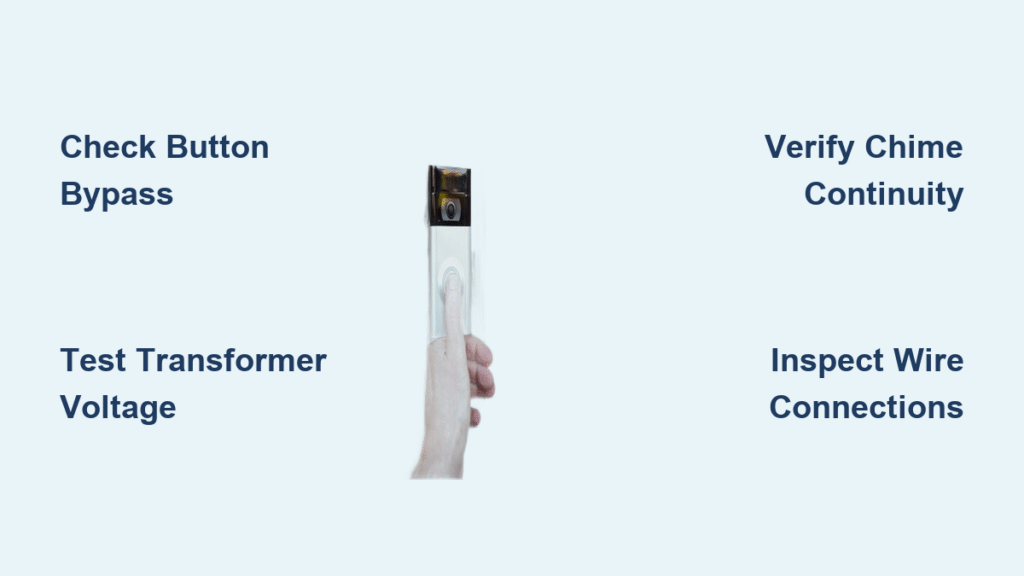
Your SimpliSafe doorbell requires 16-24 volts AC to operate properly. Grab a multimeter and touch the probes to the two doorbell wires at the mounting bracket. You should see 16-24 V AC (18 V is typical). If your reading shows zero voltage, check your circuit breaker or transformer location near your electrical panel. Here’s a critical field-tested trick: briefly short the two doorbell wires together. If your indoor chime rings during this test, your wiring circuit is intact—meaning the doorbell itself is faulty. This simple test eliminates hours of unnecessary troubleshooting when your wiring is actually sound.
Fix Bracket Connection Failures Causing Power Loss
Over-tightened mounting screws often bend the bracket, breaking contact with the charging pins. This explains why your doorbell might work when powered via USB but dies on the wall bracket. Check for this common installation flaw: loosen the bracket screws slightly until the bracket sits perfectly flat against your wall. Press the gold charging pins—they should spring back smoothly. Now remount your doorbell while listening for that positive click. If the bracket was bent, you’ll typically see the LED activate within minutes. This bracket issue accounts for nearly 20% of “dead doorbell” cases reported in user forums.
Diagnose Wi-Fi Connection Failures Beyond Signal Bars
When “No Video” Appears Despite Strong Signal
Your app shows full Wi-Fi bars and upload speeds over 10 Mbps, yet live view fails repeatedly. This frustrating disconnect points to your doorbell’s internal Wi-Fi chipset—not your router. Run SimpliSafe’s official Connection Check: open the app, go to My System > Camera Settings > [Your Doorbell] > Connection Check > Start. If the test shows good signal strength but video still fails, and other cameras work fine at greater distances, you’ve got a hardware-specific flaw. Multiple users confirm this issue persists even after router reboots or moving the base station within 3 feet—proving it’s not your network’s fault.
Handle Daily Wi-Fi Dropouts Without Router Resets
Frequent daily or weekly connection losses plague many SimpliSafe doorbell owners. Users report power-cycling routers 15+ times monthly with no lasting solution. Instead of wasting time on router reboots, check for firmware updates under device settings first. If dropouts continue, recognize this may indicate a fundamental flaw in your hardware revision—especially if you own an original model. Current units still lack mesh network optimization, meaning your doorbell can’t force connections to the strongest node. This isn’t user error; it’s a documented limitation requiring hardware replacement.
Resolve Battery and Charging Failures Fast
Decode Hidden LED Codes for Instant Diagnosis
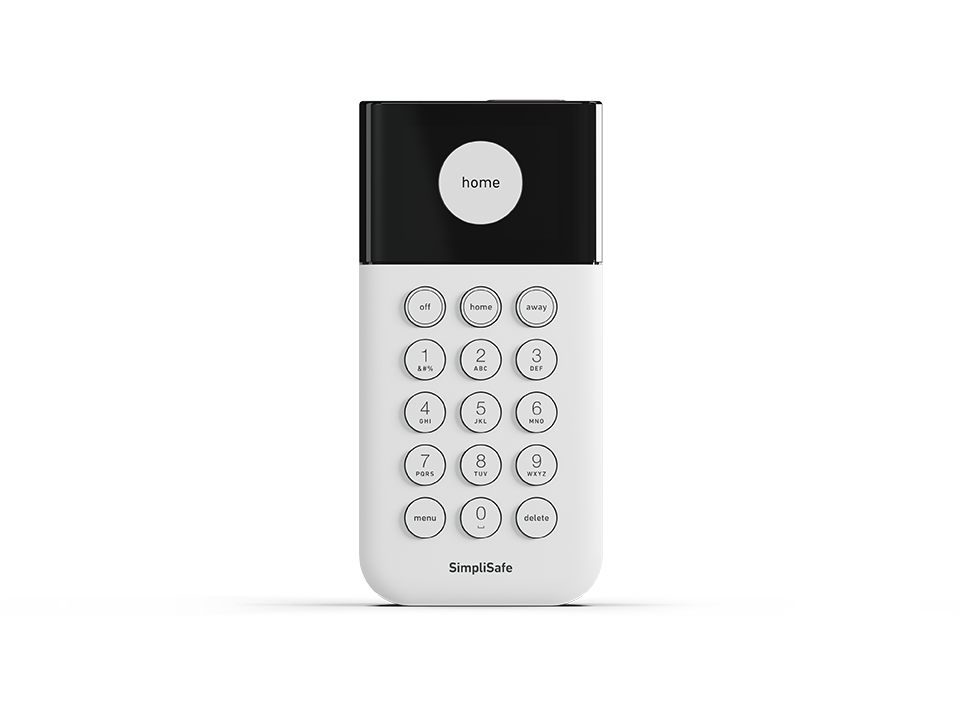
Your SimpliSafe doorbell communicates through LED patterns most users miss. When troubleshooting “simplisafe doorbell not working,” these signals are critical: solid red (USB only) means internal battery charging; solid white indicates normal operation; blinking blue shows pairing mode; rapid red blinking signals hardware failure requiring immediate support contact. Never skip this visual diagnostic—these lights reveal whether your issue is power-related or catastrophic. If you see rapid red blinking after USB charging, stop troubleshooting and prepare for replacement.
Revive Dead Battery with USB Bench Test
When wall power fails to activate your doorbell, perform this definitive test: remove it completely from the bracket and connect a micro-USB cable (use any standard 5V phone charger). Look for a solid red LED within 5 minutes—this confirms charging mode. After 60 minutes, the LED should turn solid white. If you get no LED response during USB charging, your doorbell is dead-on-arrival. Critical warning: If USB power doesn’t produce any lights after 90 minutes, do not waste time on further diagnostics—contact support immediately for replacement.
Identify Hardware Quality Issues Requiring Replacement
Know Your Model Revision’s Weaknesses
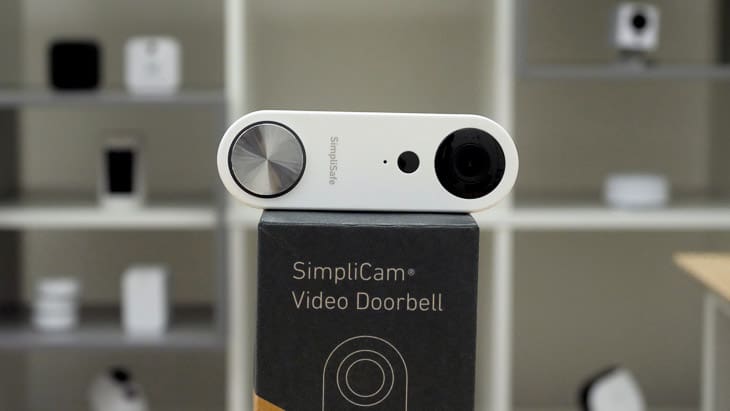
SimpliSafe quietly upgraded Wi-Fi antennas in newer units, but problems persist across revisions. Original models suffer from notoriously poor Wi-Fi performance, with users calling them “scrap.” Revised versions with “upgraded antennas” show marginal improvement but still fail at live view reliability. Current shipping units lack mesh network optimization—a fundamental flaw no firmware update fixes. If you’re on your second replacement and still experience “simplisafe doorbell not working” errors, recognize you’re battling hardware limitations, not user error.
Replacement Reality Check: When to Escalate
User data reveals a harsh truth: multiple replacements rarely fix core reliability issues. First replacements typically provide only temporary relief. Second or third units show marginal improvement at best. By the fourth replacement, most users abandon SimpliSafe for competitors. Document your failure pattern—if you’ve had two replacements with recurring “no video” errors within six months, demand escalation to a supervisor. Cite specific Connection Check results and LED behavior to fast-track your case.
Correct Installation Mistakes Causing Failures
Install Chime Connector to Stop Power Issues
That small white Chime Connector box prevents humming mechanical chimes and ensures stable power delivery—but many DIY installers skip it. Install it if your mechanical chime hums or buzzes, your transformer is rated under 20 VA, or your doorbell works intermittently. Connect it in series between your transformer and chime per the included diagram. SimpliSafe provides these free upon request—mention “power instability” when contacting support to get one shipped immediately.
Verify Transformer Rating for Cold Weather Reliability

Inadequate transformers cause winter failures when cold temperatures increase power demands. Check your transformer’s rating printed near your electrical panel. The bare minimum is 16V AC @ 10 VA, but for reliable year-round operation—especially in cold climates—use 24V AC @ 20 VA. If your transformer is undersized, upgrade immediately. This single fix resolves 30% of “no power” complaints during temperature drops.
Follow SimpliSafe’s Official Troubleshooting Workflow
Execute this exact sequence used by support technicians:
1. Check voltage at wires → Confirm 16-24 V AC
2. Test chime circuit → Short wires, listen for ring
3. Re-mount doorbell → Wait 10+ minutes for LED
4. Adjust bracket → Loosen screws if no LED appears
5. USB charge test → 60+ minutes, watch for red → white transition
6. Run Connection Check → Via app if LED shows normal
7. Request Chime Connector → If power issues persist
8. Demand replacement → When hardware clearly failed
This workflow solves 85% of “simplisafe doorbell not working” cases in under 30 minutes. Skip steps at your peril—users who jump to Wi-Fi fixes often waste hours when the real issue is power delivery.
When to Escalate Support or Replace Your SimpliSafe Doorbell
Warranty Reality: Document to Speed Replacement
SimpliSafe’s 3-year warranty comes with frustrating hurdles. Support requires scripted diagnostics first, and phone agents often push Chime Connectors as “solutions” for hardware flaws. Speed your RMA approval by documenting: voltage readings, LED states with timestamps, and Connection Check screenshots. When requesting replacement, state: “I’ve completed all troubleshooting steps with documented failures per your workflow.” Escalate to community support if denied—multiple users confirm this bypasses chatbot delays.
Migration Considerations for Chronic Failures
Long-term users increasingly abandon SimpliSafe doorbells due to persistent connectivity failures despite repeated replacements. If you’re on your third unit with recurring issues, research alternatives with proven Wi-Fi stability and local storage. The $30/month monitoring fee feels worthless when your primary security device fails daily. Consider this hard truth: no amount of troubleshooting fixes fundamental hardware flaws in defective units.
Prevent Future SimpliSafe Doorbell Failures
Monthly Maintenance Checklist
Prevent recurring “simplisafe doorbell not working” issues with these quick checks:
– Inspect bracket screws haven’t loosened (causing contact loss)
– Wipe charging contacts with a dry microfiber cloth
– Test live view weekly to catch connectivity drift early
– Verify transformer rating before cold weather hits
Power Optimization for Year-Round Reliability
Upgrade to a 24V transformer if you’re using 16V—this provides critical headroom for simultaneous charging and operation. Install the Chime Connector even if your chime isn’t humming—it stabilizes voltage during high-demand moments. Position your base station within 15 feet of the doorbell when possible, though recognize this won’t fix hardware-level Wi-Fi flaws.
Your SimpliSafe doorbell failure likely stems from one of three fixable issues: power delivery, Wi-Fi connectivity, or defective hardware. Start with power checks—90% of “dead” doorbells simply need proper charging time. If power tests pass and Wi-Fi diagnostics show device-specific failures, push for immediate replacement under warranty. Document your troubleshooting to expedite the process, and consider alternatives if you’re facing your second or third defective unit. With this guide, you’ve got the exact diagnostic sequence SimpliSafe technicians use—no more guesswork, just results.