
A door latch that will not catch the strike plate is more than an annoyance. It creates a genuine security risk because the door can be pushed open even when it appears closed. This problem happens when the latch sits too high or too low relative to the strike plate opening, or when the door has sagged over time due to loose hinges. The good news is that most cases can be fixed in under an hour using basic tools and simple techniques.
This guide walks you through the exact steps to diagnose the cause, apply the right repair, and keep the problem from returning. Whether your door needs hinge tightening, strike plate modification, or a hardware upgrade, you will find a practical solution here.
Diagnose Why Your Door Latch Will Not Catch
Before grabbing tools, you need to understand what is actually happening with your door. A correct diagnosis saves time and prevents you from trying fixes that will not address the root problem.
Check the Door Gap Between Door and Frame
Close the door naturally without lifting or forcing it. Stand back and look at the gap along the latch side.
If the gap is wider at the top near the hinges, the door is sagging downward. If the gap is uneven or the latch scrapes against the top or bottom of the strike plate, you have vertical misalignment. A latch that barely reaches the strike plate hole indicates the gap between the door and jamb is too large.
Test How the Latch Behaves
Close the door normally and watch what happens to the latch. Does it rest on the face of the strike plate instead of entering the hole? Push the door firmly closed. Do you hear a click, but someone can still open it from the other side without turning the knob?
Now try lifting the door handle slightly as you close it. If lifting helps the latch engage, the door has sagged and the latch is sitting too low.
Inspect All Three Hinges
Check every hinge on the door. Are the screws loose? Do they spin without tightening? Look for gaps between the hinge leaves and the wood. Slide a credit card behind any hinge. If it slides in easily, that hinge has pulled away from the frame.
Loose hinges are the number one cause of latch misalignment, so always check them first.
Secure Hinge Screws to Stop Door Sag
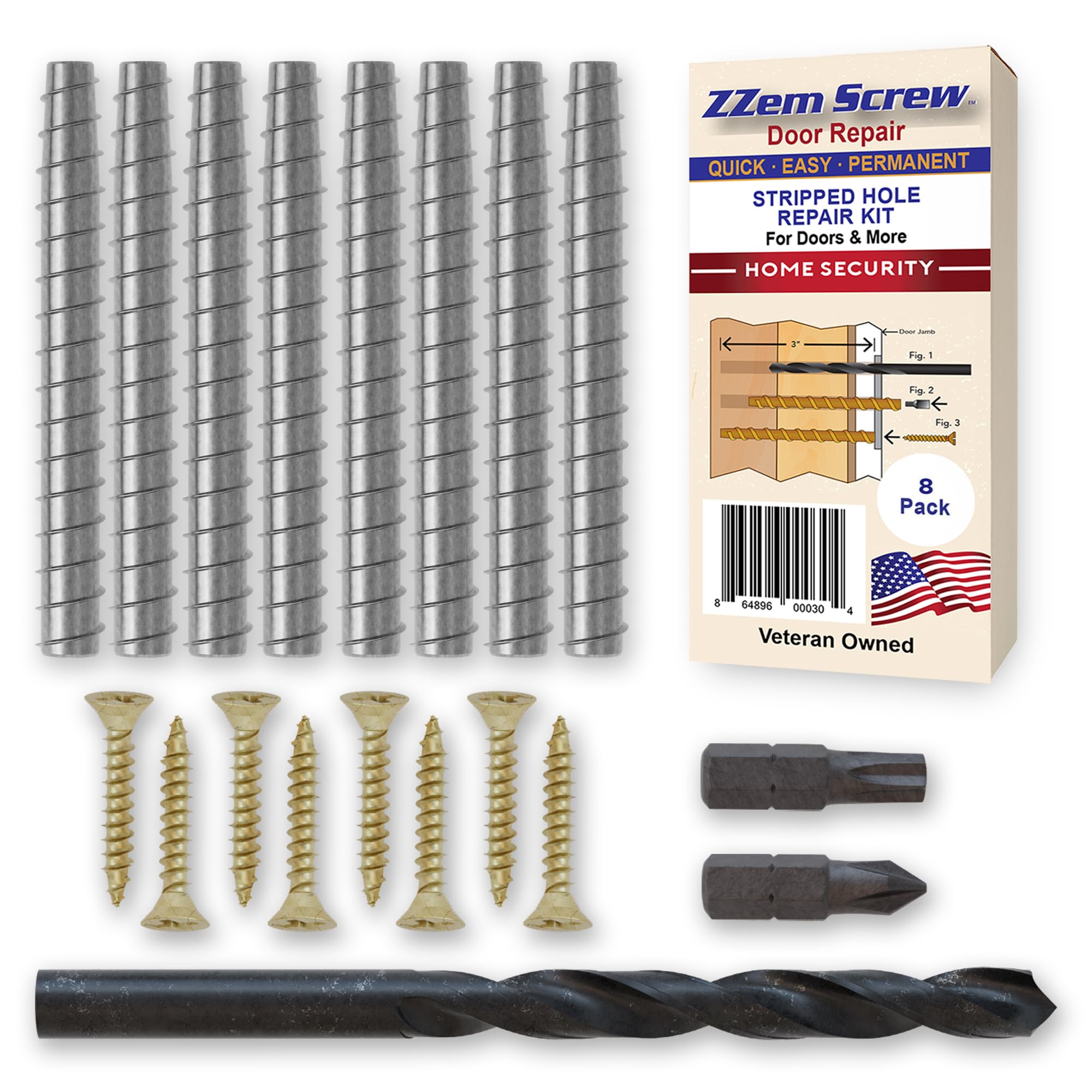
Tightening or upgrading hinge screws is the fastest way to fix most door latch problems. This approach addresses the root cause rather than masking the symptoms.
Replace Top Hinge Screws with Longer Structural Screws
Remove the two screws from the jamb side of the top hinge. These screws hold the door frame to the wall, and the originals are usually too short.
Drive in 3-inch or 4-inch structural screws instead. These reach into the wall stud and pull the door upward, correcting sag in a single step. Drill a small pilot hole first to avoid splitting the jamb wood.
This fix works only if a wall stud sits directly behind the jamb. In older homes, studs may be set back behind drywall, so the longer screws may not reach solid wood.
Tighten All Hinge Screws Systematically
Do not focus only on the top hinge. The middle and bottom hinges also contribute to alignment. Use a power drill with a screwdriver bit to fully tighten every hinge screw on both the door side and the jamb side.
If any screw spins freely, stop and repair the stripped hole before reinserting the screw.
Repair Stripped Screw Holes in Hinges
When screws will not hold, the wood is stripped. You need to rebuild the hole before the hinge can be secured properly.
Fill Holes with Toothpicks and Wood Glue
Squeeze wood glue into the stripped hole. Pack in wooden toothpicks until the hole is completely full. Snap them off flush with the surface and let the glue dry overnight. Drill a small pilot hole and reinstall the screw.
This method works well for interior doors and takes about five minutes per hole.
Use Dowels or Golf Tees for Stronger Repairs
For exterior doors or heavier doors, use a quarter-inch hardwood dowel instead. Drill out the hole to match the dowel diameter, coat the dowel in wood glue, tap it in, and cut it flush with a saw.
Golf tees work as an alternative. Glue the tee into the hole, snap off the head, and drill a new pilot hole. Both methods create solid anchoring that lasts for years.
Shim Bottom Hinge to Raise Latch Position
If the latch sits too low, raising the door slightly at the bottom hinge can realign it with the strike plate. This is a subtle adjustment that does not change the door appearance.
Use Cardboard Shims Behind the Bottom Hinge
Remove the bottom hinge from the door and jamb. Cut a piece of cardboard from a cereal box to match the hinge shape. Place the cardboard between the hinge and the jamb, then reinstall the hinge.
Each layer of cardboard lifts the door by a tiny amount. Test the latch after adding each shim to avoid lifting it too far.
Try Washers or Zip Ties for Finer Control
For more precise adjustments, wrap zip ties around the hinge barrel before reinstalling. Cut off the excess length after closing the door. The zip ties bend the hinge slightly, raising the latch side.
Alternatively, place small washers between the hinge knuckles. When you close the door, the hinge bends just enough to lift the latch into the strike plate.
Modify Strike Plate for Better Latch Alignment

When hinge adjustments do not fully solve the problem, modifying the strike plate itself is often the cleanest fix.
File the Strike Plate Opening Downward
Remove the strike plate from the jamb. Use a metal file or a Dremel tool with a grinding bit to extend the bottom of the hole by one-eighth to one-fourth of an inch. Reinstall the plate and test the latch.
This takes only a few minutes and leaves no visible change when the door is closed. The latch now has a lower target to engage.
Move the Strike Plate Up or Down
If filing is not enough, relocate the strike plate entirely. Remove the plate and fill the old screw holes with toothpicks and glue or dowel pieces. Mark the new position based on where the latch actually hits the jamb. Drill fresh pilot holes and attach the plate in its new position.
Even a one-eighth-inch shift can restore proper latching on doors with significant misalignment.
Enlarge Jamb Mortise for Latch Entry
If the latch does not reach the strike plate hole at all, the mortise recess in the jamb may need deepening or repositioning.
Chisel Out the Jamb Mortise
Remove the strike plate. Use a sharp chisel to carve out more wood where the latch enters the jamb. Work slowly and test fit the plate frequently. Focus on the bottom edge if the latch is sitting too low.
Look for latch marks on the jamb. They show exactly where the metal is hitting and where you need to remove material.
Reinstall the Strike Plate After Adjusting
Once the mortise is enlarged, position the strike plate so the latch enters cleanly. Secure it with fresh screws in new pilot holes. This approach is more permanent than filing the plate and works well for doors with significant misalignment.
Use Elongated Strike Plate for Long-Term Solution
For doors that shift seasonally or sag repeatedly, upgrading the hardware provides a lasting fix.
Install a Vertical-Adjustment Strike Plate
Replace the standard strike plate with an elongated model, sometimes called a storm door or security strike plate. These have a longer vertical opening that accepts the latch even when misalignment reaches one inch.
These plates are available at hardware stores and online. Many users report that this single upgrade solved recurring latch problems that other fixes could not address.
Choose Reinforced Plates for Exterior Doors
For front doors and back doors, use heavy-duty steel strike plates with three-inch screws. Some models include security brackets that anchor into the wall stud, preventing kick-in attacks while also solving alignment issues.
Add Shims Behind Strike Plate to Close the Gap
When the door does not close flush against the frame, the latch may retract before it fully engages. Adding space behind the strike plate brings the plate closer to the door.
Place Spacers Between Plate and Jamb
Remove the strike plate. Place cardboard, washers, or thin metal shims against the jamb where the plate will reinstall. Reattach the plate over the shims.
This moves the strike plate toward the door, allowing the latch to fully extend into the hole. This method works best when the gap at the latch side exceeds one-eighth of an inch.
Know When to Replace Door Hardware
Some doors need better parts rather than more adjustments. If repairs keep failing, consider hardware upgrades.
Install an Adjustable Strike Plate
These plates have elongated screw holes that let you fine-tune position during installation. Simply slide the plate up, down, in, or out to match the latch exactly, then tighten the screws. No chiseling, filing, or hole-filling required.
Add a Secondary Strike Plate for Non-Security Doors
For closets, pantries, or utility doors where full security is not required, install a mending plate just ahead of the existing hole. This gives the latch a new target point and costs only a few dollars.
Skip These Risky Door Repair Methods
Some online tips do more harm than good. Avoid approaches that can damage your door or hinges.
Do Not Bend Hinge Pins to Adjust Alignment
Removing hinge pins and bending them with a vise or hammer weakens the metal. This can cause uneven door swing, hinge failure, or damage to the door frame. If all other methods fail, replace the hinges entirely rather than trying to bend them.
Avoid the Hammer and Nail Hinge Pin Trick
Jamming a nail or punch into the hinge barrel to force a bend risks damaging the hinge or jamb. Results are unpredictable and short-lived. Stick with shims, longer screws, or strike plate adjustments instead.
Prevent Door Latch Problems Returning
Once your door latches properly, keep it that way with minimal maintenance.
Check Hinge Screws Every Six Months
Loose screws are the main cause of door sag. Check and tighten all hinge screws twice a year, especially in homes with wooden doors that expand and contract with humidity.
Look for paint cracks around hinges or strike plates. These often signal the beginning of movement that will eventually cause misalignment.
Use Coarse-Thread Screws for Wood Frames
Coarse-thread screws grip wood better than fine-thread screws. They are less likely to strip out over time and provide more secure holding power.
Account for Seasonal Wood Movement
In dry climates, wood shrinks and gaps can appear. In humid areas, wood swells and doors may bind. Install adjustable strike plates or keep shims handy so you can make small corrections as the seasons change.
Get Professional Help for Severe Misalignment
Some situations require a professional rather than a DIY approach.
Call a Locksmith or Handyman When Frame is Damaged
If the door frame is cracked or splintered, if multiple doors in your home are misaligned, or if an exterior door will not latch securely, call a professional. These indicate structural issues that simple hinge adjustments cannot fix.
Benefits of Professional Service
Professionals use laser levels and specialized tools for precise alignment. They can reinforce frames with steel plates, fill holes with epoxy, and install high-grade hardware that lasts longer than standard parts. They can also diagnose underlying problems like foundation settling that may be causing recurring door issues.
Door Latch Repair Checklist
Follow this order for the best results with the least effort.
Tighten all hinge screws first. Install three-inch structural screws in the top hinge to stop sag. Shim the bottom hinge with cardboard to lift the latch. File the strike plate opening downward for a quick fix. Install an elongated strike plate for long-term reliability. Move the strike plate after filling old holes if needed. Chisel the jamb mortise for larger adjustments. Shim behind the strike plate to close gap issues.
Most doors respond to one or two of these steps. Only move to more involved repairs if simpler fixes do not work.
Tools Required for Door Latch Repair
Screwdriver or power drill with screwdriver bit. Three-inch structural screws for reaching wall studs. Metal file or Dremel tool for modifying strike plates. Sharp chisel and hammer for enlarging jamb mortises. Wood glue for securing hole fillers. Toothpicks, dowels, or golf tees for filling stripped holes. Cardboard, washers, or zip ties for hinge shimming. Measuring tape for checking alignment. Wood filler and paint for finishing repairs.
Frequently Asked Questions About Door Latch Not Catching Strike Plate
Why does my door latch not catch the strike plate anymore?
The most common cause is door sag from loose hinges. Over time, gravity pulls the door downward, moving the latch out of alignment with the strike plate. Seasonal humidity changes, settling foundations, and worn screw holes can also shift the door position.
Can I fix a door latch alignment problem myself?
Yes. Most homeowners can fix this issue in under an hour using basic tools. Start by tightening hinge screws and shimming the bottom hinge. If those do not work, modify the strike plate by filing it or moving it. Only advanced cases require professional help.
How do I know if the problem is the hinges or the strike plate?
Close the door and watch the latch. If lifting the handle helps it catch, the door has sagged and hinges are the issue. If the latch clearly hits the wrong part of the strike plate, the strike plate position is the problem.
What is the fastest fix for a door latch that will not catch?
Tightening all hinge screws takes only two minutes and solves many cases. If screws are loose, this restores alignment immediately. For sagging doors, replacing the top hinge screws with three-inch structural screws provides a permanent fix in under ten minutes.
Should I replace the door or just repair the latch issue?
Replace the door only if it is damaged, warped, or otherwise unsound. In most cases, the door itself is fine. The misalignment is a hardware or frame issue that can be corrected with hinges, strike plates, or shims at a fraction of the cost of a new door.
Key Takeaways for Fixing Door Latch Not Catching Strike Plate
A door latch that will not catch the strike plate is almost always caused by hinge loosening or door sag. Start with the simplest fixes: tighten all hinge screws and replace the top hinge screws with three-inch structural screws. If the latch still sits too low, shim the bottom hinge with cardboard to raise the door slightly.
When hinge adjustments are not enough, modify the strike plate itself. Filing the bottom edge of the opening takes minutes and works for slight misalignment. For recurring problems or seasonal shifting, install an elongated strike plate that accepts the latch even when alignment varies.
Check your hinges twice a year and use coarse-thread screws to prevent the problem from returning. A door that will not latch is a security risk, so address it promptly. With the right approach, you can restore secure, smooth-latching doors in under an hour without calling a professional.