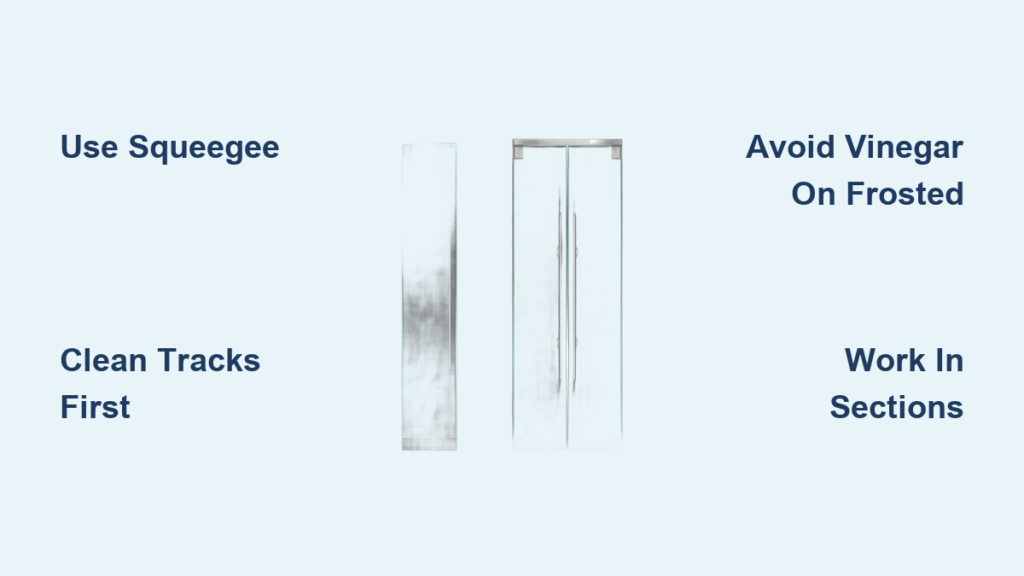
Cleaning a glass door doesn’t have to be frustrating. Whether it’s your sliding patio door, shower enclosure, or interior glass partition, streaks, smudges, and grime can make even a spotless home look messy. The key to a streak-free shine isn’t just the cleaner, it’s the tools, technique, and timing. This guide delivers a step-by-step method used by professionals and real homeowners to achieve flawless results every time. You’ll learn how to clean glass doors inside and out, remove built-up grime, maintain tracks and frames, and prevent streaks without damaging surfaces.
Essential Tools for Glass Door Cleaning
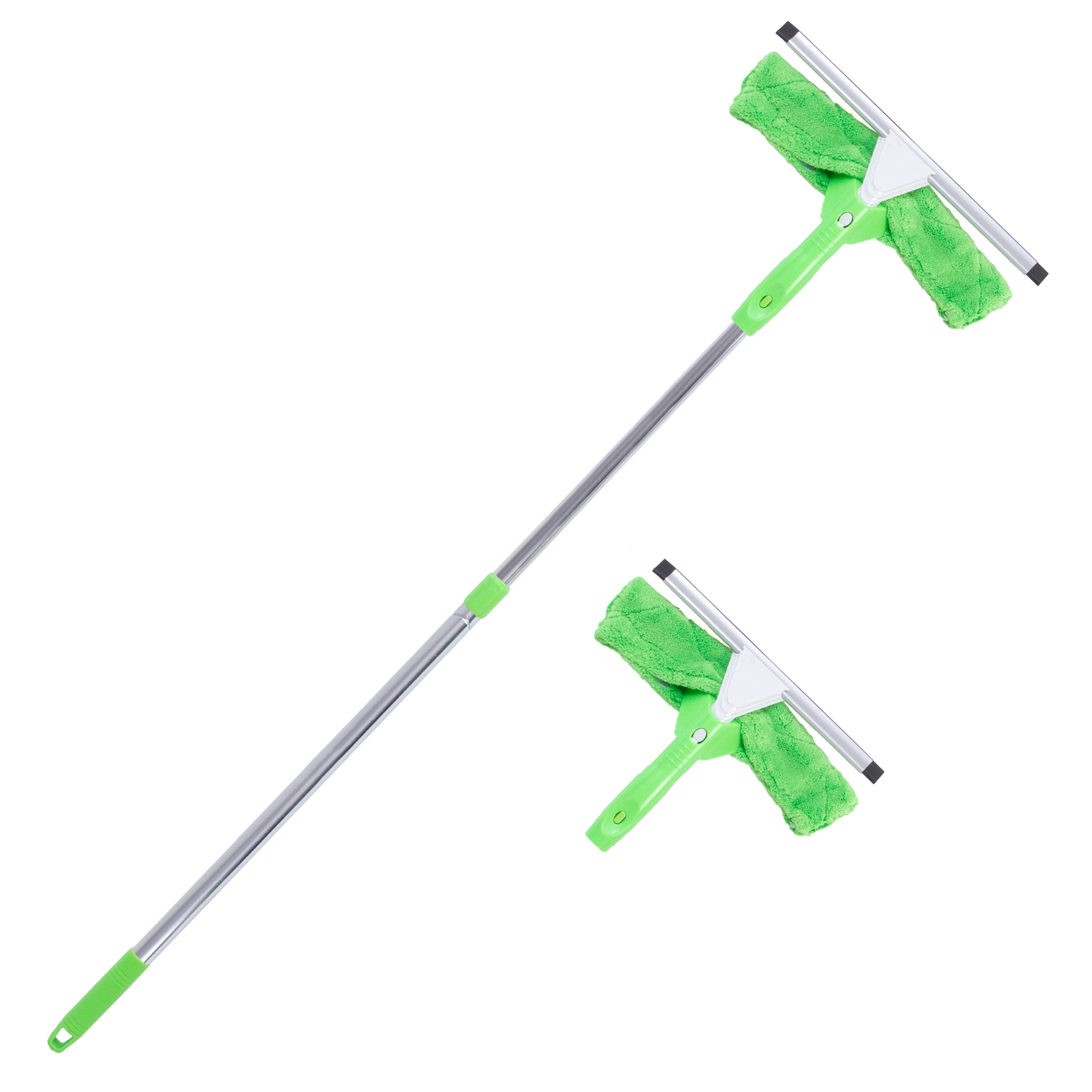
Using the wrong tools leads to lint, streaks, and scratches. Invest in these proven essentials to get the job done right the first time.
Gather the Right Equipment
You need specific equipment to achieve professional results when you clean glass door surfaces. Here’s what works best.
A squeegee removes water and cleaner in one smooth stroke. Use one with a rubber blade and replace it when worn. Microfiber cloths are lint-free and reusable. Keep two to three on hand, one for wiping the squeegee and one for drying edges. A spray bottle ensures even application of homemade or commercial cleaners. A soft sponge or scrubber pad loosens dirt without scratching the glass.
For sliding doors, you’ll also need a vacuum with a crevice tool to clear debris from tracks and corners. An old toothbrush or soft brush scrubs grime from tracks and seals. Cotton swabs reach tight spots around silicone edges. An extension pole attaches to your scrubber or squeegee for cleaning high-reach doors.
Avoid paper towels, which leave lint. Skip abrasive pads that scratch glass. Never use steel wool, which damages frames.
Best Cleaning Solutions for Streak-Free Glass
The solution matters, especially in hard water areas. Here are top-performing formulas that work when you clean glass door surfaces.
Choose or Make the Right Cleaner
You can make effective cleaners at home or choose commercial options. Both work well when used correctly.
For homemade solutions, try the vinegar and water mix. Combine equal parts white vinegar and water. Use distilled water if possible to avoid mineral streaks. Spray, scrub, then squeegee for best results.
The alcohol-vinegar mix provides fast drying and streak prevention. Mix one cup rubbing alcohol, one cup water, and one tablespoon vinegar. This combination disinfects while it cleans.
The dawn and water option offers simplicity. Add one drop of Dawn dish soap to a spray bottle of water. Spray and wipe with a dry microfiber cloth. No rinsing needed.
For heavy-duty cleaning, use an ammonia solution. Mix one ounce ammonia, four ounces alcohol, and three cups water. Use this only in well-ventilated areas and not for daily cleaning.
Commercial options like Windex work fast and effectively for light cleaning. Glass-specific sprays often include streak inhibitors.
Test any cleaner on a small area first, especially near wood or vinyl frames.
Step-by-Step: Clean Glass Door Like a Pro
Follow this professional method to achieve crystal-clear results every time you clean glass door surfaces.
Prep the Area First
Skipping prep leads to mess and damage. Take these preliminary steps first.
Clear the space around the door completely. Protect the sill and floor with old rags or newspapers. Open the door fully to access both sides and tracks. Work on a cloudy day because direct sunlight dries cleaner too fast, causing streaks.
Clean the Frame and Hardware
Dirty frames ruin the look, even if the glass is perfect. Clean these areas first.
Wipe down handles, push bars, metal or vinyl frames, and locks with a damp microfiber cloth soaked in soapy water. Use mild detergent and warm water. For sticky or greasy spots, use a toothbrush dipped in soapy water. Dry thoroughly with a clean cloth. Polish with a dry microfiber for shine.
Optional: Apply a light coat of 3-in-1 oil on metal hardware to prevent corrosion and improve glide.
Clean Sliding Door Tracks
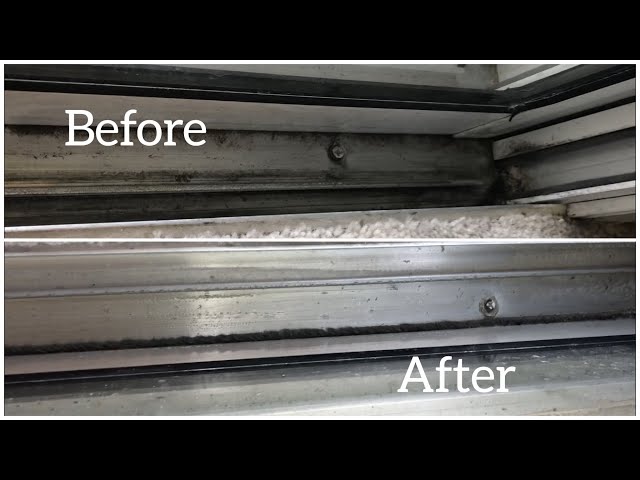
Clogged tracks stop doors from closing smoothly and cause long-term wear.
For top tracks, use compressed air or a vacuum to blow out dust, hair, and debris. Avoid oil because it attracts more dirt.
For bottom tracks, follow this five-step process. First, remove the door if possible or open fully to access the track. Second, vacuum out loose debris. Third, scrub with a soapy rag by wrapping a terrycloth rag around a screwdriver, dipping it in soapy water, and scrubbing the track thoroughly. Fourth, wipe dry with a clean cloth because water left in tracks causes corrosion. Fifth, never lubricate tracks because grease collects grime and reduces performance.
Clean tracks every month, especially in homes with pets or kids.
Clean the Glass Inside and Out
The main event requires attention to technique.
Pre-clean with a dry dust removal step first. Use a dry microfiber cloth or dry sponge to remove loose dust so it won’t turn into mud during wet cleaning.
For the wet cleaning process, spray cleaner generously on the glass. Scrub gently with a soft sponge or applicator pad. Use a squeegee starting at the top corner and pull down in straight, overlapping strokes. Wipe the blade with a clean cloth after each pass. Wipe edges and base with a microfiber cloth to remove leftover water. Buff with a dry microfiber, newspaper, or old cotton t-shirt.
Use two cloths, one for the squeegee and one for drying edges.
Advanced Tips for Flawless Results

Take your glass cleaning to the next level with these professional techniques.
Use an Extension Pole for Tall Doors
For floor-to-ceiling or high glass doors, attach a scrubber pad and squeegee head to a ten-foot extension pole. Dip the scrubber in a bucket of cleaning solution. Scrub, then squeegee from top to bottom. This eliminates the need for ladders.
Work in Sections
Prevent streaks by cleaning in two-foot vertical strips. Spray one section, scrub, squeegee, dry edges, then move to the next. This prevents cleaner from drying too fast and leaving residue.
Avoid Spraying Frames and Wood
Spray glass only, or apply cleaner to a cloth first. Place a protective rag on wood sills to catch drips. This prevents water damage, warping, and staining.
Clean Corners with Cotton Swabs
Use cotton swabs to clean silicone seals, frame joints, and top corners where dust collects. Dip in cleaner for stuck grime. Cardboard stems offer an eco-friendly option.
Special Cases: Frosted or Textured Glass
Frosted closet doors or panels require different care than standard glass.
Do not use squeegees, vinegar, or newspaper on frosted glass. These methods damage the finish over time.
Use a soft, dry microfiber cloth. Lightly dampen if needed but never soak. Dry immediately to prevent water spots. Avoid abrasive cleaners or scrubbing.
Avoid Common Mistakes
These common errors ruin your results. Steer clear of these tools and methods.
Paper towels leave lint and micro-scratches. Steel wool and razors scratch glass and frames. Excess cleaner causes drips that streak and damage wood. Dry wiping only spreads dirt without removing grime. Cleaning in direct sunlight makes the solution dry too fast, causing streaks.
Maintenance Schedule for Long-Term Cleanliness
Keep your glass door looking perfect with regular care.
Clean glass every two to four weeks. Wipe handles and frames weekly. Clean tracks monthly. Inspect seals and corners quarterly. Replace the squeegee blade every six to twelve months.
Clean glass doors after heavy rain or pollen season to prevent mineral buildup.
Key Takeaways for Cleaning Your Glass Door
Perfect glass door cleaning isn’t about magic products. It’s about method, the right tools, and consistent maintenance.
Use a squeegee for every cleaning. It’s the single most important tool for streak-free results. Two microfiber cloths work better than one, with separate cloths for the squeegee and for drying edges.
Choose your cleaner based on your water quality and cleaning needs. Vinegar-water works for most situations. Alcohol-based solutions dry faster. Dish soap and water handles light cleaning with minimal residue.
Never skip the prep work. Clean frames and tracks first. Protect wood surfaces from drips. Work on cloudy days or in shade.
Maintain regularly to avoid heavy buildup. Monthly track cleaning prevents operational problems. Quarterly inspections catch seal issues before they worsen.
With this approach, you’ll achieve a crystal-clear, streak-free finish every time, whether cleaning a patio door, shower screen, or interior glass wall.
Frequently Asked Questions About Cleaning Glass Doors
What is the best homemade solution for cleaning glass doors?
The vinegar and water solution works best for most situations. Mix equal parts white vinegar and distilled water. This breaks down grime effectively without leaving streaks. Add one tablespoon of vinegar per cup of water for extra cleaning power.
How often should I clean my glass door tracks?
Clean sliding door tracks monthly. Homes with pets or high traffic may need cleaning every two weeks. Regular track maintenance prevents operational issues and extends door life.
Why does my glass still streak after cleaning?
Streaks happen when cleaner dries too fast or you skip the squeegee. Work on cloudy days. Use a squeegee with every cleaning. Wipe the blade after each pass. Make sure you’re using a lint-free cloth for drying.
Can I use newspaper to dry glass doors?
Yes, old newspaper provides a streak-free shine. Wear gloves to avoid ink transfer to your hands. The newspaper method works well as an alternative to microfiber cloths.
What should I avoid when cleaning frosted glass?
Avoid squeegees, vinegar, alcohol, and abrasive cleaners on frosted glass. These damage the frosted finish over time. Use only a soft, dry microfiber cloth. Dampen lightly if needed, then dry immediately.