
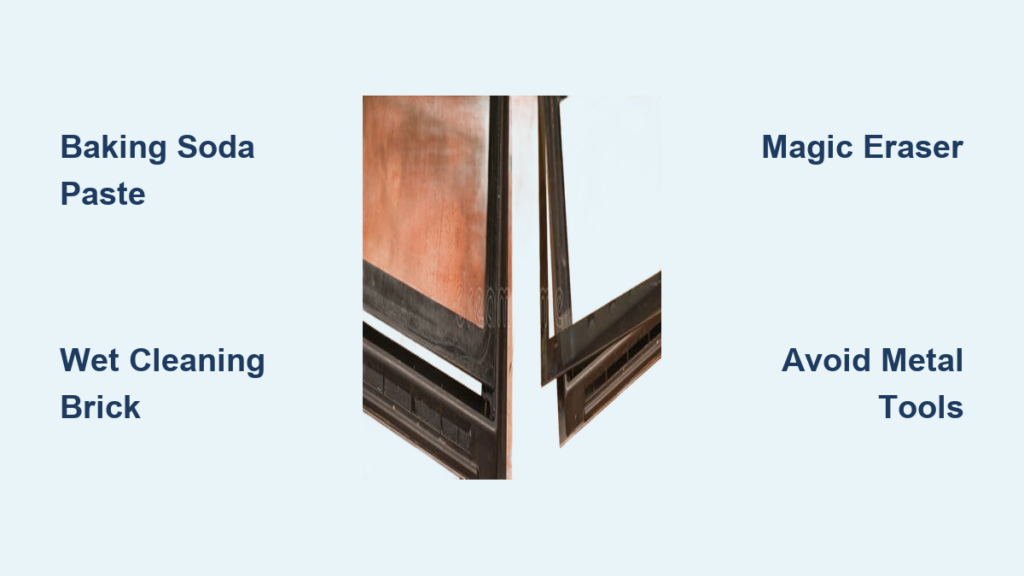
A grimy oven door can turn a spotless kitchen into a frustrating eyesore. Streaks, baked-on grease, and cloudy residue make it hard to monitor your cooking, and no one wants to stare at a dirty window while roasting dinner. The good news: cleaning oven door glass doesn’t require harsh chemicals or professional help in most cases. With the right tools and techniques, you can restore clarity and shine using simple, safe methods that won’t scratch or damage the glass.
This guide walks you through proven, step-by-step solutions for every type of buildup, whether it’s light fingerprints or years of carbonized grime. You’ll learn how to choose the best method based on your oven type, avoid common mistakes, and maintain a streak-free finish. From baking soda pastes to magic erasers and pumice cleaning bricks, we’ll show you exactly what works, how long it takes, and why some tools outperform store-bought sprays.
Baking Soda and Vinegar Method
The most popular and effective natural way to deep-clean oven door glass is with baking soda and vinegar. This combination lifts stubborn grease without toxic fumes or scratches.
Create a Cleaning Paste
Mix half cup of baking soda with three tablespoons of water until it forms a thick, spreadable paste. Baking soda is mildly abrasive and alkaline, making it ideal for breaking down oily residues without harming tempered glass.
Apply and Activate
Use a brush or spatula to spread the paste evenly over the stained areas. For extra power, spray a one-to-one mix of white vinegar and water over the paste. It will foam immediately, and this reaction helps loosen tough grime. Let the mixture sit for at least 20 minutes. For heavy buildup, leave it up to an hour.
Wipe and Rinse
Dampen a microfiber cloth with warm water and wipe the paste away using circular or downward motions. If residue remains, gently scrape it off with a plastic scraper. Never use metal. Finish by spraying diluted vinegar or lemon juice on the glass and wiping with a clean cloth. Buff dry with a second microfiber towel to prevent streaks.
Pro Tip: For brown stains or baked-on spills, reapply the paste and extend dwell time. Avoid using dish soap first unless blotting fresh oil, because soap can trap grease under the paste.
Use a Cleaning Brick for Tough Residue
When baking soda is not enough, a wet cleaning brick, also known as a pumice stone, delivers fast, chemical-free results on carbonized grease and cloudy film.
Wet the Brick First
Dip the cleaning brick in warm water until damp. Never use it dry, because this increases scratch risk. The moisture creates a gentle abrasive slurry that lifts grime safely.
Scrub in Circular Motions
Glide the brick over the glass using overlapping circular strokes. Apply light pressure and let the tool do the work. Most jobs take under five minutes. Focus on edges where grease accumulates.
Wipe and Polish
After scrubbing, remove loosened debris with a damp microfiber cloth. Finish by buffing the surface with a dry cloth for a streak-free shine.
Why It Works: Pumice is harder than grease but softer than tempered glass, making it safe when used correctly. Users consistently report dramatic improvement after one use.
Warning: Test on a small area first. Avoid non-glass surfaces like enamel or stainless steel unless confirmed safe.
Try a Magic Eraser for Surface Stains
For fingerprints, light smudges, or quick touch-ups, a Magic Eraser, also known as melamine foam, works fast.
Activate the Foam
Wet the eraser thoroughly, then squeeze out excess water three to four times. This activates its micro-scrubbing structure without oversaturating the surface.
Wipe Firmly
Swipe across the glass with steady pressure. Watch stains disappear instantly. Once done, rinse the glass with water, especially near food zones, to remove any residue.
Dry Completely
Buff the surface with a dry microfiber cloth to eliminate streaks and moisture marks.
Limitations: Not for dark, polished, or delicate finishes. Never combine with bleach or chemicals. Keep away from children and pets.
Clean Outer vs Inner Glass Differently
Not all oven glass is exposed the same way. Cleaning frequency and method should match the location.
Outer Glass: Weekly Wipe-Downs
This surface collects fingerprints, cooking splatter, and dust. Clean weekly with diluted vinegar spray, a microfiber cloth, and optionally a Magic Eraser for stubborn smudges. Avoid steel wool or abrasive cleaners, because they can dull the finish over time.
Inner Glass: Deep Clean Every 3 Months
Exposed to heat, steam, and food spills, inner glass needs deeper care. Use baking soda paste with a minimum 20-minute dwell, a plastic scraper for residue, and a vinegar rinse followed by buffing. Clean more often if you bake frequently or notice visible buildup.
Never Clean Between Panes Yourself
Double or triple-pane oven doors have sealed layers of glass for insulation. If dirt or fog appears between the panes, do not disassemble the door.
Why It Is Risky
Disassembling the door may void your warranty, can damage seals or hinges, and reassembly often leads to misalignment.
What to Do Instead
Contact a professional technician, or consider full glass replacement if fogging persists, which is a sign of failed seal.
Note: Moisture between panes usually means the thermal seal has broken, and cleaning will not fix it.
Adjust for Self-Cleaning Ovens
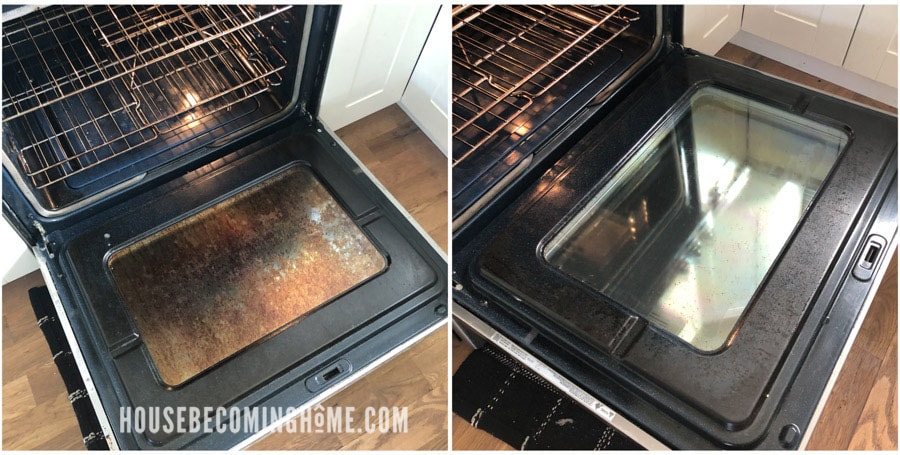
Self-cleaning ovens reach extreme temperatures to burn off residue, but that process can worsen stains on the glass if not pre-cleaned.
Pre-Cycle Glass Care
Before running a self-clean cycle, wipe the glass with vinegar or glass cleaner, gently scrub with 000-grade steel wool, which is fine enough to be safe, and dry completely with microfiber. This prevents burned-on streaks during the high-heat cycle.
What to Avoid
Avoid harsh abrasives, ammonia or chlorine-based cleaners, and any product not recommended in your owner is manual. Always consult your model is guidelines, because some manufacturers prohibit certain tools.
Choose the Right Tools Safely
Using the wrong tool can scratch or etch oven glass permanently. Stick to these safe options.
Approved Tools
Microfiber cloths are essential for wiping and polishing. Plastic scrapers remove residue without scratches. Flexible spatulas or brushes apply paste evenly. Spray bottles control vinegar or lemon juice application. Cleaning bricks, when wet, work best for heavy buildup. Magic Erasers, when damp, handle surface-level stains only.
Tools to Avoid
Never use metal scrapers or razor blades. Avoid steel wool except for 000 grade on self-cleaning models. Skip abrasive powders like Comet or Bar Keepers Friend. Never use chlorine bleach or ammonia sprays.
Safety First: Wear gloves when handling acidic solutions or abrasives. Work in a ventilated area.
Prevent Buildup with Smart Habits
The best cleaning strategy is one you do not have to do often.
Wipe After Each Use
Grab a damp microfiber cloth and wipe the outer glass after cooking. This takes 30 seconds and prevents long-term staining.
Address Spills Early
Once the oven cools, clean inner glass spills before they bake on. Even a quick wipe helps.
Use Splatter Guards
Place oven-safe covers or shields during messy baking like roasting chicken or broiling. This reduces splatter significantly.
Fix Common Cleaning Problems
Even careful cleaners run into issues. Here is how to solve them fast.
Streaks After Cleaning
Cause: Excess liquid or dirty cloth. Solution: Buff with a dry, clean microfiber cloth using circular motions.
Brown or Yellow Stains
Cause: Burned-on sugar or oils. Solution: Reapply baking soda paste, let sit 45 to 60 minutes, then wipe and scrape.
Cloudy or Hazy Glass
Cause: Mineral deposits or micro-scratches. Solution: Try a vinegar rinse or test the cleaning brick, because many users see clarity restored.
Grease Will Not Budge
Cause: Years of buildup. Solution: Combine methods by applying baking soda paste first, then following with a wet cleaning brick.
Compare Cleaning Methods at a Glance

| Method | Best For | Time | Chemical-Free | Scratch Risk |
|---|---|---|---|---|
| Baking Soda + Vinegar | Moderate to heavy buildup | 20 to 60 min | Yes | Low |
| Cleaning Brick | Baked-on, carbonized grease | Under 5 min | Yes | Very low when wet |
| Magic Eraser | Fingerprints, light stains | 2 to 5 min | No | Moderate if misused |
Top Pick: Use the cleaning brick for fastest, safest results on tough jobs. Reserve baking soda for deep cleaning when time allows.
Follow Safety and Warranty Rules
Protect your investment and stay safe.
Never Use These
Never use dry pumice stones, metal tools, bleach or ammonia, or oven cleaners on glass unless specified.
Check Your Warranty
Disassembling the oven door often voids coverage. Always read your owner is manual before attempting internal cleaning. For high-end or built-in ovens, professional service is the safest choice for between-glass cleaning or seal repair.
Maintain Shine Like a Pro
Keep your oven door looking new with these expert-backed habits.
Buff to a Shine
Always finish with a dry microfiber cloth. It removes micro-droplets and enhances clarity.
Test First
Try any new method, especially abrasives, on a small edge or corner first.
Combine Methods When Needed
For extreme buildup, apply baking soda paste with a 30-minute dwell, follow with a wet cleaning brick, then rinse and buff. This two-step approach handles even decade-old grime.
Final Tips for Spotless Results
Always cool the oven before cleaning. Never clean a hot surface. Work top to bottom to catch drips. Replace cloths frequently, because using a dirty one spreads grime. Store cleaning bricks dry to extend life. Prioritize non-toxic methods in homes with kids or pets.
With the right approach, cleaning oven door glass becomes quick, safe, and satisfying. Whether you choose natural pastes, mechanical tools, or a quick wipe with a Magic Eraser, consistency is key. A clear oven window is not just about looks. It improves cooking confidence and keeps your kitchen feeling fresh.
Now that you know the best ways to clean oven door glass, make it part of your routine. Your next roast, bake, or broil will feel better with a crystal-clear view.
Frequently Asked Questions About Cleaning Oven Door Glass
Can I use a razor blade to scrape off baked-on grease from oven glass?
No. Metal scrapers and razor blades risk scratching tempered glass permanently. Use a plastic scraper instead, which safely lifts residue without damaging the surface.
How often should I clean my oven door glass?
Clean outer glass weekly with a quick wipe. Deep clean inner glass every three months, or more often if you bake frequently.
Why does my oven glass look cloudy after cleaning?
Cloudiness often comes from mineral deposits or micro-scratches from abrasive cleaners. Try rinsing with vinegar or use a wet cleaning brick to restore clarity.
Is it safe to use a Magic Eraser on all types of oven glass?
No. Magic Erasers work on standard glass but may damage dark, polished, or delicate finishes. Test on a small area first.
Can I clean between the glass panes of my oven door?
No. Double and triple-pane doors have sealed glass layers. Cleaning between panes yourself risks voiding the warranty and damaging seals. Contact a professional technician instead.
What is the fastest method for cleaning oven door glass?
A damp Magic Eraser provides the quickest results for light stains and fingerprints, taking only two to five minutes. For heavy buildup, a wet cleaning brick works fastest, completing most jobs in under five minutes.
Key Takeaways for Cleaning Oven Door Glass
Cleaning oven door glass does not require harsh chemicals or expensive tools. The baking soda and vinegar method works well for moderate to heavy buildup, while a wet cleaning brick handles baked-on grease in under five minutes. Always use plastic scrapers instead of metal, and avoid abrasive powders that can scratch the glass. For best results, clean outer glass weekly and deep clean inner glass every three months. Prevent buildup by wiping the glass after each use, and never attempt to clean between sealed glass panes yourself.