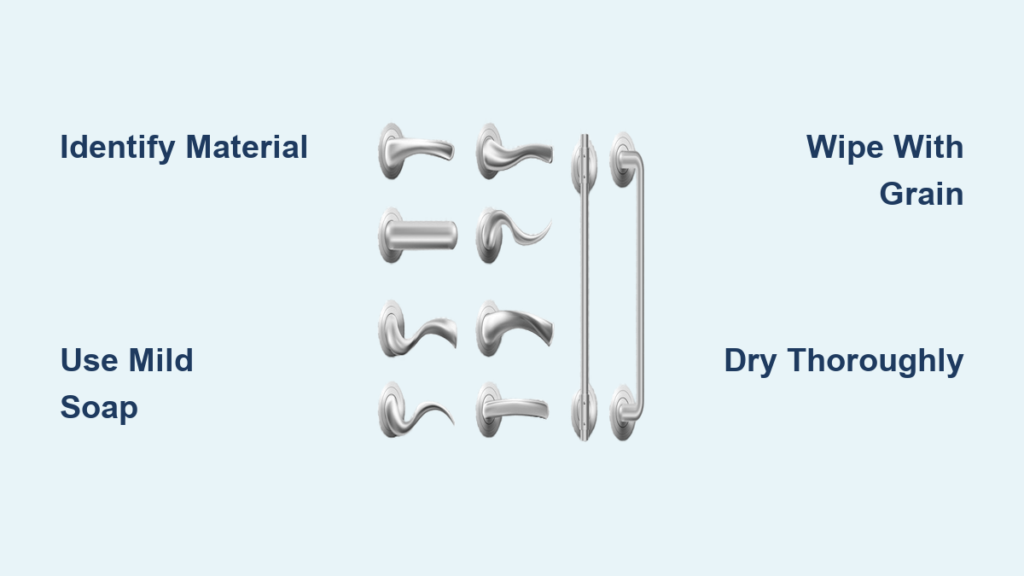
Door handles are among the most frequently touched surfaces in any home or office, accumulating fingerprints, oils, dust, and bacteria daily. Knowing how to clean door handles properly keeps them looking great while also contributing to a healthier environment. Whether you’re maintaining interior knobs or restoring weathered exterior hardware, the right method depends entirely on the material and finish. This guide walks you through safe, effective cleaning techniques for brass, chrome, stainless steel, satin nickel, bronze, and more without causing damage.
Identify Your Door Handle Material First
Before cleaning, determine what your door handle is made of. Using the wrong cleaner can scratch, corrode, or strip finishes entirely. Check for visual clues: shiny gold tone indicates polished brass, bright mirror-like surface suggests chrome, brushed gray with no glare points to satin nickel, dark mottled brown signals oil-rubbed bronze, and dull silver that resists rust is typically stainless steel. If you’re unsure about the material, test any cleaner on a small, hidden area first.
Clean Chrome Door Handles Without Streaks
Chrome is durable but shows water spots and fingerprints easily. Use gentle methods to maintain its shine without causing damage.
Supplies Needed for Chrome Cleaning
You will need mild dish soap, warm water, two microfiber cloths, and optionally some chrome polish for extra shine.
Step-by-Step Chrome Cleaning Process
- Wipe away dust with a dry microfiber cloth first.
- Mix a few drops of dish soap into warm water.
- Dampen one cloth in the solution and wipe handle side-to-side, following the grain if the chrome is brushed.
- Rinse with a clean, damp cloth to remove all soap residue.
- Dry thoroughly with a second soft cloth to prevent water spots.
- Optionally apply chrome polish for additional shine and protection.
Common Chrome Cleaning Mistakes to Avoid
Circular wiping on brushed chrome causes unsightly swirl marks. Never use abrasive pads, as they scratch the surface permanently. Avoid harsh chemicals like bleach, which degrade the plating over time.
Remove Brass Tarnish Safely
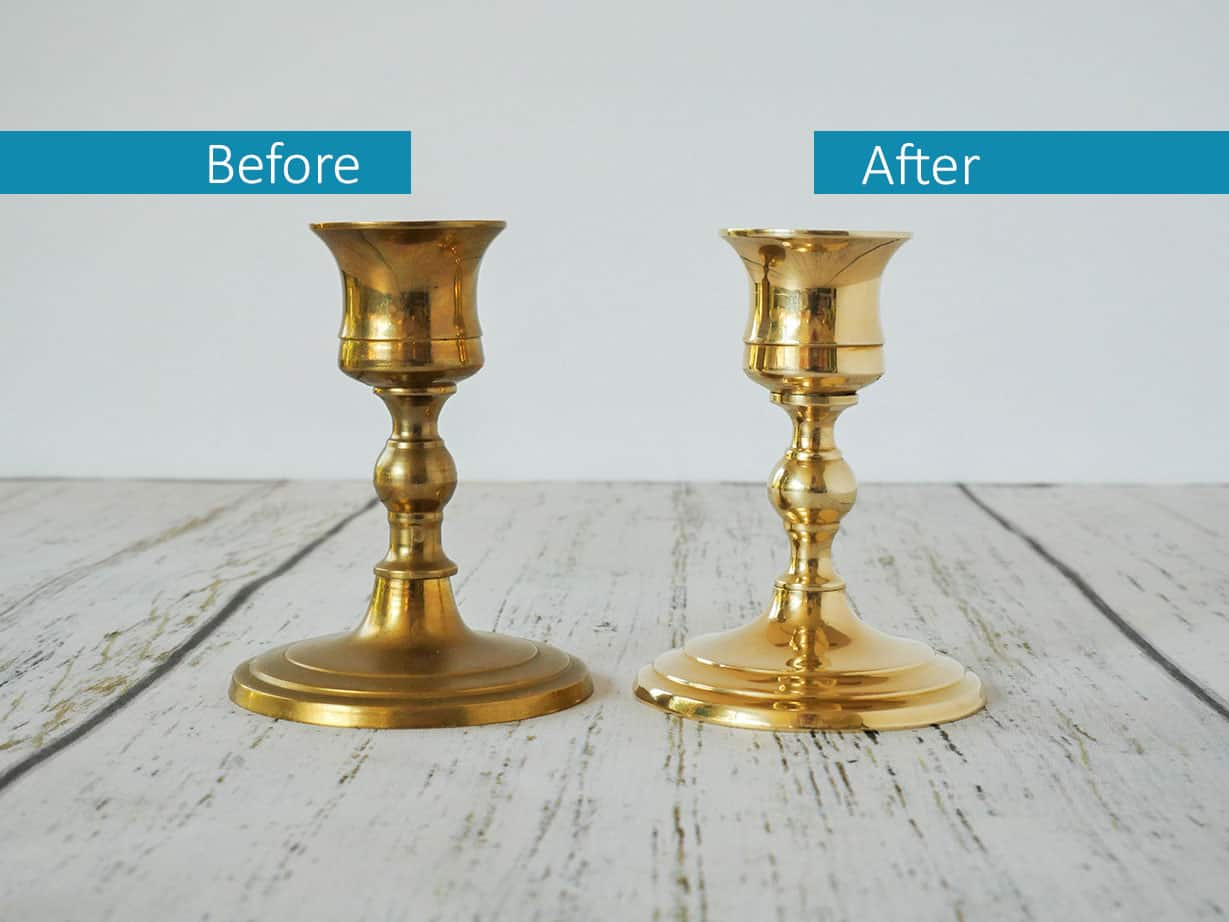
Brass tarnishes over time due to exposure to air and moisture. Your cleaning approach depends on whether the brass is solid, plated, or lacquered.
Natural Brass Cleaning Methods
For uncoated brass, you can use several household items. The vinegar, salt, and flour paste method works well: mix one tablespoon each of salt, flour, and white vinegar into a thick paste, apply with a soft cloth, let sit for two to three minutes, then rinse with hot soapy water and dry thoroughly. Alternatively, combine lemon juice with one teaspoon of baking soda, apply to tarnished areas, wait two to three minutes, then wipe clean, rinse, and dry completely. The ketchup method is surprisingly effective: apply ketchup to the handle, wait five minutes or longer for heavy tarnish, wipe off, rinse, and dry. The acetic acid in tomatoes reacts with copper oxide to dissolve tarnish naturally.
Commercial Brass Polish Option
Brasso works well for heavily tarnished brass. Apply with a soft cloth using circular motions, then buff to a high shine. Use in a ventilated area and wear gloves for protection.
Lacquered Brass Care
Only use warm, soapy water on lacquered brass. Dry immediately after cleaning. Never use acidic cleaners, as they strip the protective coating. Reapply carnauba or beeswax occasionally to maintain protection.
Maintain Stainless Steel Door Handles
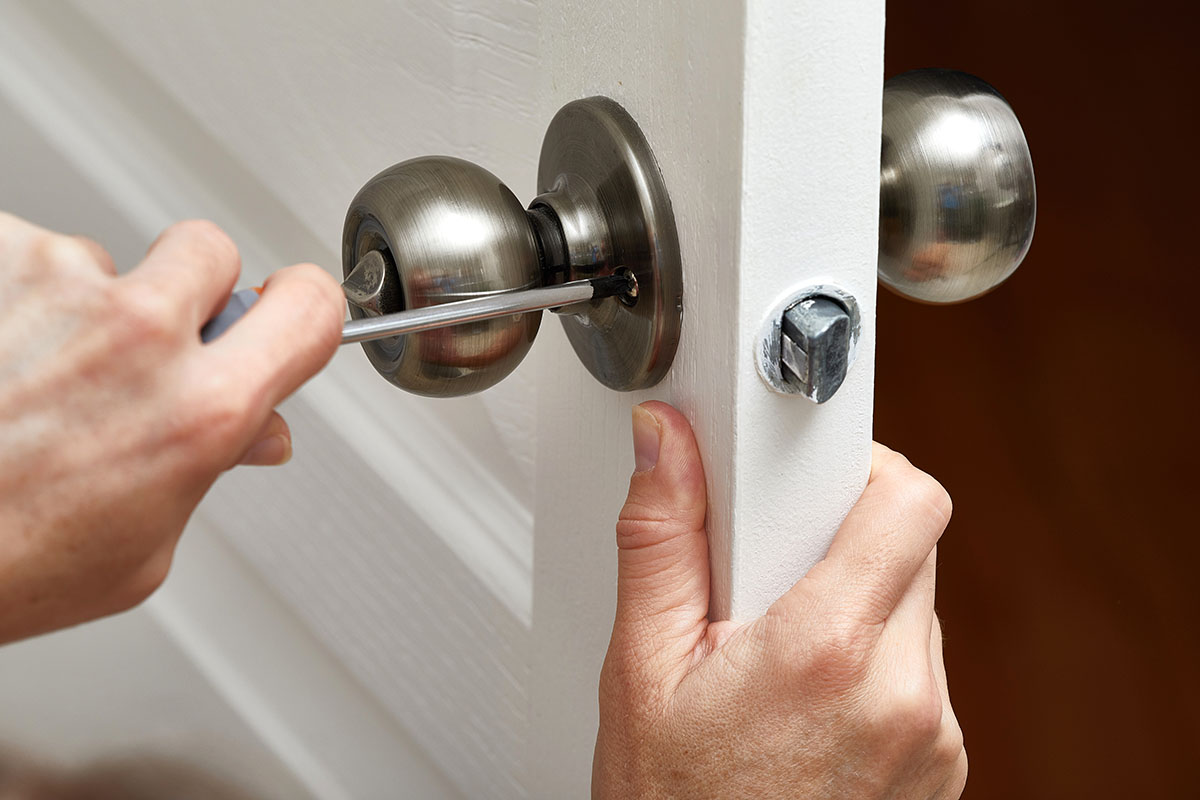
Stainless steel resists rust but can develop spots and light corrosion, especially outdoors in harsh environments.
Cleaning Steps for Stainless Steel
- Wipe with a damp microfiber cloth to remove loose grime.
- For stubborn marks, mix equal parts white vinegar and olive oil.
- Apply with a soft cloth, always wiping in the direction of the grain.
- Buff dry thoroughly to prevent streaks from forming.
Pro Tip for Coastal Areas
In coastal areas or high-salt environments, clean monthly to prevent pitting from chloride exposure. Salt accelerates corrosion even on stainless steel.
Clean Satin Nickel Without Damaging the Finish
Satin nickel hides smudges well but can be ruined by improper cleaning techniques that scratch or alter the brushed texture.
Satin Nickel Cleaning Process
- Dust with a dry microfiber cloth first.
- Dampen one cloth in soapy water and wring well.
- Wipe in the direction of the grain to preserve the brushed texture.
- Dry immediately with a second clean cloth.
- Optionally use a non-abrasive metal polish sparingly to restore luster.
Never Do These Things with Satin Nickel
Never use steel wool or scrubbing pads, as they scratch the finish permanently. Never wipe in circular motions, as this damages the brushed texture irreversibly.
Clean Oil-Rubbed Bronze Without Stripping Character
Oil-rubbed bronze and antique finishes are designed to age gracefully. Over-cleaning removes their unique patina that many homeowners find attractive.
Gentle Cleaning for Bronze
- Mix mild dish soap with warm water.
- Wipe surface with a soft cloth or sponge.
- Use a soft-bristled toothbrush for crevices.
- Rinse with clean water and dry thoroughly.
Remove Light Oxidation
For light oxidation, use Wright’s Copper Cream as a deoxidizer. Apply with a soft cloth, rub gently, then rinse and dry. Finish with a clear paste wax like Trewax to slow future tarnish formation.
Warning for Bronze Care
Do not soak or allow water to pool around joints. Avoid abrasive pads or harsh polishes that strip the aged finish.
Clean PVC and Zinc Handles Safely
PVC and zinc handles are common in budget hardware but degrade under harsh treatment.
Simple Cleaning Process
- Mix mild soap with warm water.
- Wipe with a soft cloth.
- Rinse and dry completely.
What to Avoid
Avoid alcohol-based cleaners, solvents, and prolonged moisture exposure. These cause cracking, discoloration, or corrosion beneath plating.
Deep Clean Heavily Tarnished Exterior Handles
For outdoor handles exposed to rain, snow, or salt, standard cleaning may not suffice. More aggressive methods can restore weathered hardware.
Tools You May Need
Gather 0000-grade steel wool, Brasso or metal polish, WD-40 for surface grime, automotive rubbing compound, and paste wax for protection.
Restoration Step-by-Step Process
- Start with Brasso and 0000 steel wool: apply Brasso to the steel wool, rub gently in the direction of the grain, which removes heavy oxidation without deep scratching.
- For stubborn corrosion, use WD-40: spray or apply with a cloth, wipe clean and dry thoroughly.
- For severely dulled metal, try automotive compounds: use rubbing compound first to remove oxidation, follow with polishing compound for shine, then seal with paste wax for protection.
- Dry thoroughly after every step.
- Apply wax to create a moisture-resistant barrier against future damage.
Lubricate Lock Mechanisms Properly
Never use household oils or WD-40 inside keyholes, as these attract dust and gum up over time.
Use Graphite Instead
Method one involves rubbing pencil lead on the key teeth, then inserting and turning several times. Method two uses a commercial dry graphite spray. Graphite lubricates without attracting dust or causing residue buildup.
Why Avoid WD-40 in Locks
WD-40 dries into a sticky residue that traps debris, leading to lock failure over time. Save it for external cleaning only.
What Not to Do When Cleaning Handles
Avoid these damaging practices to keep your hardware in top condition. Never use bleach or chlorine cleaners, as they cause pitting in stainless steel and brass. Never scrub with steel wool except for 0000-grade, which leaves visible scratches. Never soak handles in water, as this risks internal corrosion. Never use oven cleaner or nail polish remover, which strips finishes and discolors metal. Never over-polish plated finishes, as this wears down thin layers and exposes base metal.
Maintenance Tips for Long-Lasting Shine
Regular care prevents buildup and reduces the need for aggressive cleaning later.
Care Schedule
Dust with a dry microfiber cloth weekly. Wipe down with mild soapy water monthly and dry completely. Polish if needed every three to six months. Apply a thin layer of natural wax like carnauba for protection every few months.
Exterior Handle Care
Clean exterior handles after rain, snow, or high humidity. Inspect for loose screws or corrosion regularly.
Recommended Cleaning Products
Keep these trusted tools on hand for routine maintenance and deep cleans. Brasso works for brass, chrome, and copper polishing. Wright’s Copper Cream deoxidizes without scratching. Trewax or Minwax Paste Wax provides protective sealing. Microfiber cloths enable safe, scratch-free cleaning. Soft-bristled toothbrushes clean crevices and detailed hardware. Graphite lubricant ensures smooth key operation.
When to Replace vs. Restore
Cleaning can work wonders, but some hardware isn’t worth saving.
Replace If
Replace if plating is peeling or flaking, base metal is corroded or pitted, mechanism is loose or damaged, or it’s low-cost hardware likely to tarnish again quickly.
Restore If
Restore if it’s solid brass, bronze, or stainless steel, you’re preparing a home for sale, or the hardware has sentimental or aesthetic value. High-end brands like Baldwin offer lifetime finishes that resist weathering far better than budget options.
Frequently Asked Questions About Cleaning Door Handles
What is the best way to clean door handles at home?
Start with mild dish soap and warm water. Dampen a soft cloth, wipe the handle thoroughly, then rinse with a clean damp cloth and dry completely. This works for most materials and finishes without risk of damage.
Can I use vinegar to clean door handles?
Yes, vinegar works well for stainless steel when mixed with equal parts olive oil. For brass, white vinegar combined with salt and flour makes an effective tarnish-fighting paste. Avoid vinegar on lacquered finishes, as it strips the protective coating.
How do I clean tarnished brass door handles?
For uncoated brass, apply ketchup and let sit for five minutes, then wipe clean. Alternatively, use a paste of lemon juice and baking soda, or apply Brasso with a soft cloth. Always rinse thoroughly and dry completely after cleaning.
How often should I clean door handles?
Interior handles benefit from weekly dusting and monthly wiping with soapy water. Exterior handles need cleaning after rain, snow, or high humidity, typically every few weeks or monthly depending on exposure.
What should I not use on door handles?
Avoid bleach, steel wool (except 0000-grade), oven cleaner, nail polish remover, and prolonged soaking. These damage finishes, scratch surfaces, or cause corrosion. Never use WD-40 inside locks.
How do I protect door handles after cleaning?
Apply a thin layer of carnauba or beeswax every few months to create a protective barrier that repels moisture and slows tarnish. This is especially important for exterior hardware and brass finishes.
Key Takeaways for Cleaning Door Handles

Following these steps ensures you safely restore shine, improve hygiene, and extend the life of your door hardware. Always identify the material and finish before cleaning, then start with mild soap and water before progressing to stronger methods. Follow grain direction when wiping brushed finishes, dry thoroughly after every cleaning, and use graphite rather than WD-40 for lock mechanisms. Apply wax for long-term protection, and avoid soaking, abrasives, and harsh chemicals unless dealing with severe tarnish on solid metal. With the right tools and techniques, learning how to clean door handles becomes a quick, effective task that makes a big difference in appearance and function throughout your home.