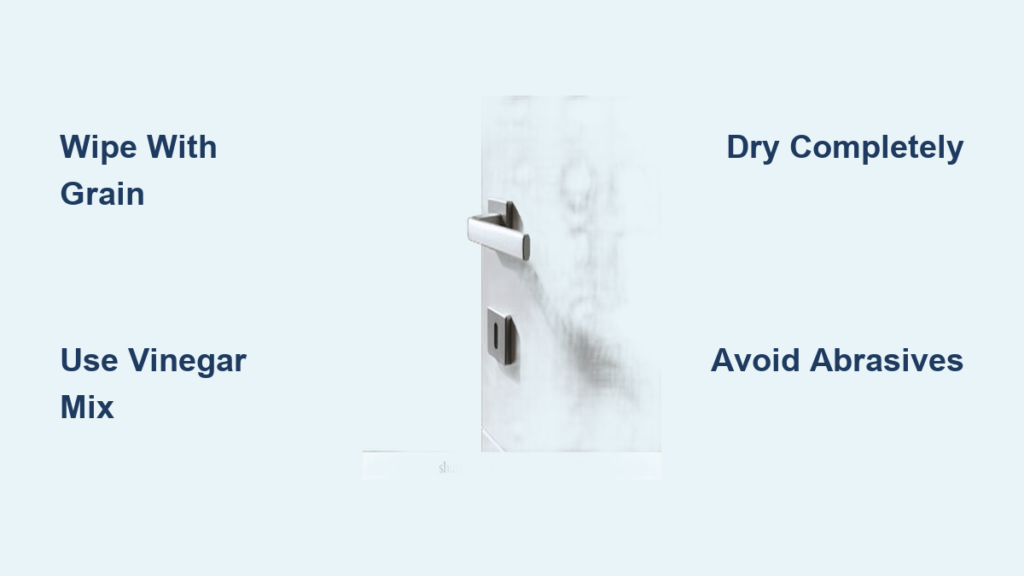
Stainless steel door handles add a sleek, modern touch to any home, but daily handling leaves them covered in fingerprints, oils, and bacteria. In high-traffic areas like kitchens and entryways, these surfaces can become dull and unsanitary if not cleaned properly. This guide provides complete instructions for cleaning stainless steel door handles safely, including the supplies you need, step-by-step methods, and tips for maintaining that just-installed shine.
You will learn how to clean, disinfect, and protect your hardware without causing scratches or damage. The information covers standard handles, specialty inserts like glass or wood, and electronic smart locks. By following these practices, you can keep your stainless steel door handles looking pristine for years to come.
Weekly Cleaning Schedule for Stainless Steel Handles
Most homes benefit from a consistent weekly cleaning routine that prevents buildup and reduces the need for aggressive scrubbing later.
Daily Wipe for Busy Households
Wipe handles with a dry microfiber cloth daily if multiple family members use the same doors or if someone is ill. This quick step removes oils before they bond to the metal surface and creates stubborn smudges that require more effort to remove later.
Full Cleaning Every Seven Days
A thorough weekly clean keeps stainless steel handles hygienic and attractive. Use mild dish soap and warm water applied to a microfiber cloth. Wipe in the direction of the grain, then dry completely with a clean cloth. This routine works well for most residential settings and prevents the accumulation of grime that attracts more dirt.
Essential Supplies for Safe Cleaning
Using the wrong tools can scratch or damage stainless steel permanently. Stock these items for effective cleaning.
• Mild dish soap
• Warm water
• White distilled vinegar
• Microfiber cloths
• Soft sponge
• Olive oil for polishing
Avoid steel wool, bleach, ammonia, and abrasive pads. These substances scratch the surface, remove protective coatings, and can cause pitting or corrosion.
Step-by-Step Cleaning Process
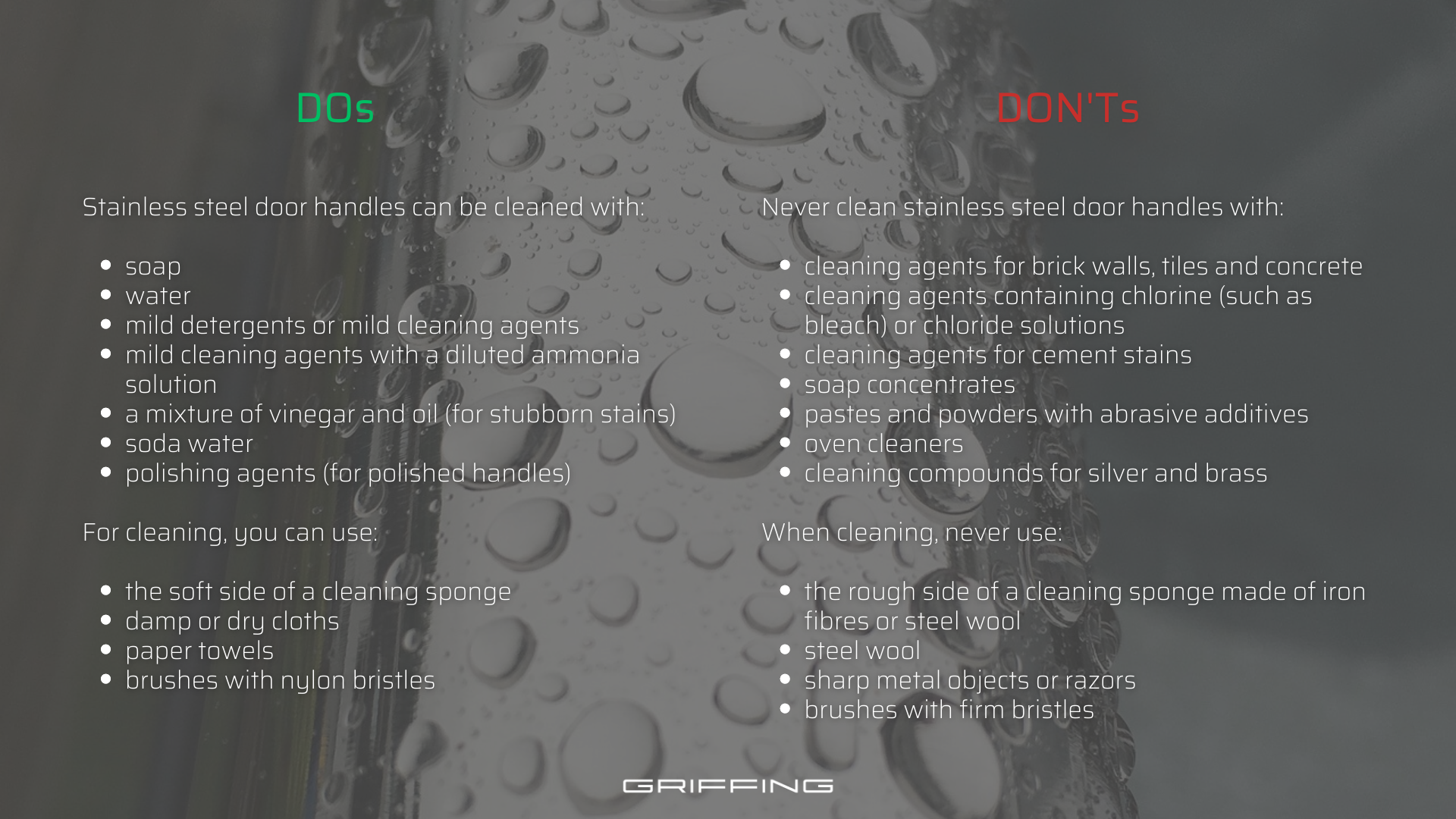
Follow this sequence for streak-free, sanitized results that protect the metal finish.
1. Dry Dust First
Remove loose dust and debris with a dry microfiber cloth. Wipe the lever, base plate, and any crevices where dirt collects. Skipping this step turns small particles into scratching agents during wet cleaning.
2. Prepare Soap Solution
Mix a few drops of mild dish soap with warm water in a bowl. Dampen your cloth with the solution rather than soaking the handle directly. Excess liquid can seep into joints and cause problems over time.
3. Wipe With the Grain
For brushed or satin finishes, always wipe in the direction of the grain. This prevents fine scratches that become visible under light. For polished stainless steel, straight-line wiping still produces the best shine, though circular motions are acceptable.
4. Treat Tough Residue
Mix equal parts white vinegar and water for fingerprints, grease, or hard water marks. Apply to a cloth and let it sit for 30 to 60 seconds before wiping clean. Do not leave vinegar on longer than one minute, as prolonged exposure may etch the surface.
5. Rinse Thoroughly
Use a second cloth dampened with clean water only to remove soap film or vinegar traces. This step prevents streaks and cloudy residue after drying.
6. Dry and Buff Completely
Wipe all surfaces with a dry microfiber cloth immediately. Buff in one direction aligned with the grain to restore luster and reduce future fingerprint visibility. Thorough drying prevents water spots, which is especially important in humid climates.
Disinfecting Without Damaging the Metal
Disinfecting handles during flu season or illness requires caution. Many common products corrode stainless steel and void warranties.
Safe Disinfectant Options
Use 70 percent or higher isopropyl alcohol wipes applied to a cloth rather than directly on the handle. Bleach-free disinfecting sprays work similarly when applied to a microfiber cloth first.
Application Method
Apply disinfectant to your cloth, not the handle itself. Wipe all surfaces thoroughly and allow the surface to remain wet for the contact time specified on the product label, typically 30 seconds to four minutes. Let the handle air dry rather than wiping, as wiping too soon reduces germ-killing effectiveness.
Restoring Shine With DIY Polish
After cleaning, enhance the appearance and protect against future smudges with a simple polish treatment.
Vinegar and Olive Oil Treatment
Mix equal parts white vinegar and olive oil. Apply with a soft cloth, rubbing along the grain. Wait one to two minutes, then buff off excess with a dry cloth. This creates a bright, smudge-resistant finish. Use sparingly, as excess oil attracts dust and dirt.
Commercial Polish for Polished Finishes
For high-gloss stainless steel in prominent locations, use a brand-name stainless steel polish. Apply according to package instructions and buff lightly for maximum shine.
Cleaning Specialty Inserts and Components

Many door handles include non-metal components that require different care techniques.
Glass Inserts
Clean glass inserts with ammonia-free glass cleaner. Spray on a paper towel or cloth, never directly on the glass. Wipe, rinse with a damp cloth, and dry immediately. For stuck residue, use acetone or methylated spirit, then rinse and dry.
Wooden Inserts
Dampen a cloth with mild soapy water and wipe gently. Never soak wood inserts. Rinse with clean water and dry instantly. For stains, rub with a drop of olive oil on a soft sponge. Avoid alcohol, glass cleaner, or solvents that strip protective coatings.
Aluminum Inserts
Use cold water with a pH-neutral cleaner and a soft cloth. Clean at temperatures below 25 degrees Celsius to prevent chemical reactions. For stubborn stains, use non-aromatic hydrocarbon solvents, then rinse and dry immediately.
Maintaining Smart Locks and Fingerprint Scanners
Electronic components require special handling to prevent sensor damage or malfunction.
When and How to Clean
Clean smart locks only when fingerprints interfere with scanning or after visible smudging. Use a dry microfiber cloth or a slightly damp cloth with water only. Gently wipe the scanner surface without scrubbing.
Products to Avoid
Never use disinfectant wipes, alcohol-based cleaners, cleansing milk, polishing pastes, or acids on electronic components. These substances degrade sensors and can cause permanent failure. Never spray liquids directly onto smart locks, as moisture inside electronics causes corrosion.
Common Mistakes That Damage Hardware
Avoid these errors to keep your stainless steel handles in excellent condition.
Using paper towels or rough fabrics causes micro-scratches. Always use microfiber cloths for cleaning and drying.
Spraying liquids directly on handles allows moisture to seep into joints and electronics, leading to damage over time.
Wiping across the grain on brushed finishes creates visible streaks and scratches that detract from the appearance.
Leaving soap or vinegar residue behind attracts dirt and dulls the surface. Always rinse and dry completely.
Using harsh cleaners like bleach, ammonia, or abrasive powders strips protective layers and causes pitting.
Troubleshooting Frequent Problems
Address issues quickly before they worsen and require more intensive treatment.
Streaks appearing after cleaning usually stem from improper drying or using the wrong cloth. Re-clean with fresh microfiber and dry immediately while avoiding direct sunlight.
Water spots that persist are caused by hard water minerals. Wipe with a vinegar-water mix, then rinse and dry thoroughly.
Persistent fingerprints return when oily residue remains or wiping ignores the grain direction. Apply vinegar-oil polish and always wipe with the grain.
Dull handles result from buildup or micro-scratches. Deep clean with vinegar solution and apply polish to restore shine.
Green residue on a handle indicates bronze or copper alloy, not stainless steel. Clean gently with a grey Scotch-Brite pad and avoid vinegar or acid.
Long-Term Maintenance Plan
Establish habits that preserve your hardware investment and minimize intensive cleaning sessions.
Dust handles daily with a dry microfiber cloth and wipe fingerprints in kitchens and bathrooms.
Perform full cleaning weekly with soap and water, disinfecting as needed.
Deep clean monthly with vinegar solution or stainless steel cleaner. Inspect for wear, corrosion, or coating damage during these sessions.
Consider anti-microbial coatings if available, and use handle covers in medical or high-risk settings. Replace covers weekly to maintain hygiene.
Frequently Asked Questions About Cleaning Stainless Steel Door Handles
What is the best way to clean stainless steel door handles daily?
Wipe handles with a dry microfiber cloth daily to remove oils and prevent buildup. For high-traffic areas or during illness, dampen the cloth slightly with water and wipe in the direction of the grain, then dry completely.
Can I use vinegar on stainless steel door handles?
Yes, white vinegar is safe and effective for removing fingerprints and water spots. Mix equal parts vinegar and water, apply to a cloth, and wipe within 30 to 60 seconds. Do not leave vinegar on longer than one minute, as it may etch the surface.
How do I disinfect stainless steel door handles without damaging them?
Use 70 percent or higher isopropyl alcohol wipes applied to a cloth, not directly on the handle. Allow the surface to stay wet for the recommended contact time, then let air dry. Avoid bleach, ammonia, and chlorine-based products.
Why do my stainless steel handles still show fingerprints after cleaning?
Fingerprints return when oily residue remains or when wiping ignores the grain direction. Use a vinegar-oil polish treatment and always wipe with the grain on brushed finishes. Ensure all cleaning residue is removed during rinsing.
How often should I clean stainless steel door handles?
Clean weekly under normal conditions. Increase frequency in high-traffic areas, humid environments, or coastal locations. Clean immediately after illness in the household or following gatherings with many visitors.
Key Takeaways for Maintaining Stainless Steel Door Handles
Proper care keeps stainless steel door handles hygienic, attractive, and functional for decades. Clean weekly using mild soap, water, and microfiber cloths, always wiping in the direction of the grain for brushed finishes. Disinfect safely with alcohol-based products applied to a cloth, never spray directly on handles or smart locks. Dry thoroughly after each cleaning to prevent water spots and corrosion. Avoid harsh chemicals, abrasive tools, and steel wool that damage the surface. Address problems like streaks, water spots, and dullness promptly with targeted treatments. With consistent maintenance, high-quality stainless steel door handles can last over 20 years while retaining their original shine.