Imagine you’re asleep, and someone pries open a ground-floor window. Without a window alarm, they’re already inside before you even stir. But with one installed, a loud siren blares instantly, alerting you, scaring off the intruder, and potentially notifying the police. So how do window alarms work? They’re not magic. They rely on smart, proven technology designed to detect unauthorized entry the moment it begins.
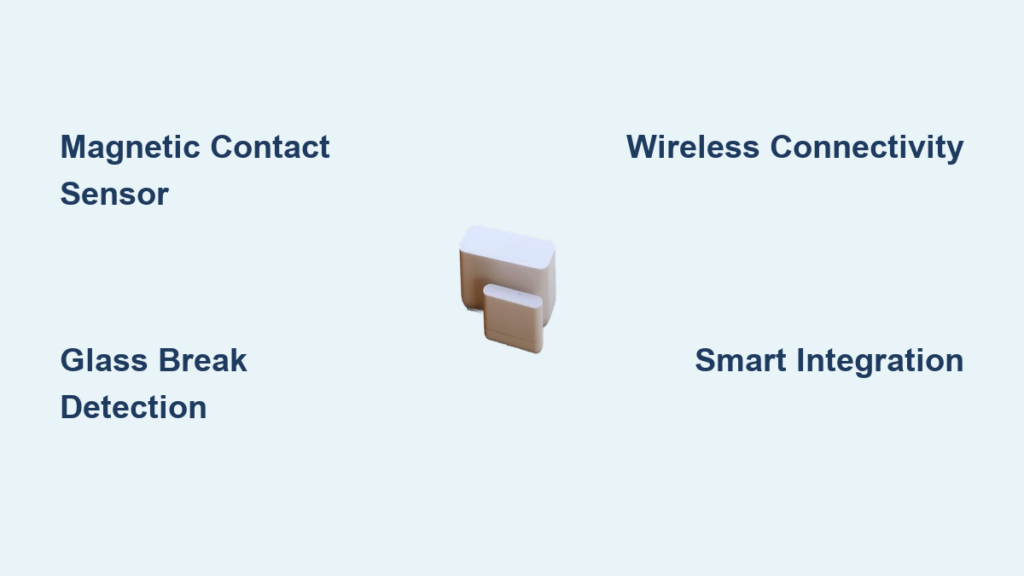
At their core, most window alarms use a simple magnetic contact system that monitors whether a window is open or closed. When that state changes unexpectedly, the alarm triggers. But behind this basic function lies a network of sensors, connectivity options, and smart integrations that turn a single window into a critical part of your home’s security infrastructure. Whether you’re renting, owning, or managing a business, understanding how these systems operate helps you choose the right protection.
In this guide, we’ll break down exactly how window alarms detect breaches, explore different types of sensors, explain installation best practices, and show how modern smart systems turn a basic alarm into a responsive, intelligent shield.
Magnetic Contact Sensors Explained
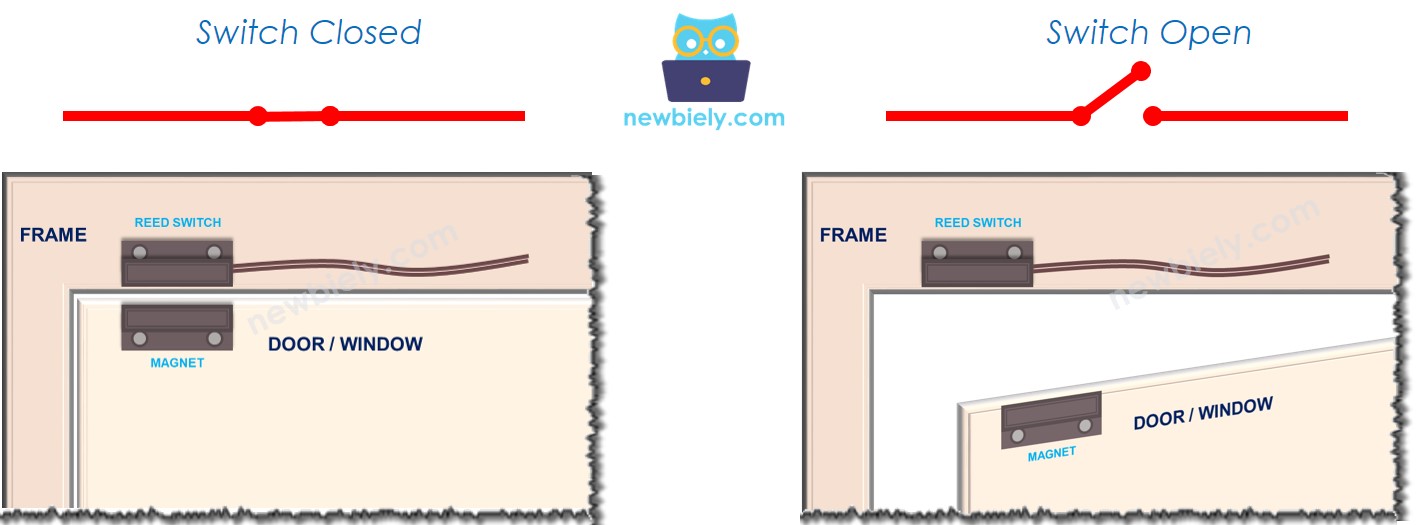
The foundation of most window alarms is the magnetic contact sensor, a two-part device that detects when a window opens. This mechanism is reliable, low-cost, and effective for any operable window.
How the Reed Switch Responds
Inside the sensor unit sits a reed switch, a sealed electrical component that opens or closes based on magnetic influence. When the window is shut, the magnet mounted on the moving sash keeps the reed switch closed, completing an electrical circuit. This “closed” signal tells the alarm system the window is secure.
When the window opens, the magnet moves away, breaking the magnetic field. The reed switch snaps open, interrupting the circuit. That break is detected instantly by the control panel, which treats it as a potential intrusion.
This binary logic, closed equals safe and open equals alarm, is fast and dependable, with response times typically under one second.
Proper Sensor and Magnet Alignment
Even a high-quality sensor fails if installed incorrectly. Alignment matters. Most models require the magnet and sensor to be within a specific distance when the window is closed:
- Blue by ADT: ½ inch max gap
- SimpliSafe: Up to 2 inches
- Ring and Brink’s: Around ¾ inch
Misalignment due to warping frames or poor adhesive can cause false negatives, meaning the window opens but the alarm doesn’t trigger.
Pro tip: Use alignment guides. Many sensors (like Cove and Wink) include visual markers such as lines or dots that must match up when the window is shut. Test the sensor after installation by opening the window while the system is armed.
Mounting: Frame vs. Sash Placement
Correct placement ensures long-term reliability:
- Sensor unit goes on the stationary frame
- Magnet attaches to the moving sash
This setup keeps the electronics stable while allowing the magnet to move freely. Some manufacturers may reverse this, so always check the manual.
Use adhesive strips for renters or DIY setups. Switch to screws for permanent, tamper-resistant installation.
Alternative Detection: Beyond Magnetic Sensors
While magnetic sensors catch open windows, they won’t help if someone breaks the glass without opening the sash. That’s where secondary detection methods come in.
Glass Break Detectors: Acoustic and Shock Sensing
These devices protect fixed or hard-to-sensor windows by listening for the sound and shock of breaking glass.
- Acoustic detection: Uses a microphone tuned to the high-frequency “tink-tink-SHATTER” pattern of breaking glass. It ignores similar sounds like clinking dishes.
- Shockwave detection: Senses the low-frequency pressure wave from impact, useful for double-pane or laminated glass.
One detector can cover up to 20 feet, protecting multiple windows in a room.
Best for: Sliding doors, picture windows, basement windows, or rooms with multiple panes.
Vibration and Shock Sensors
Mounted directly on the window frame or glass, these detect forceful impacts like someone striking the pane with a hammer or trying to pry the frame.
They’re more sensitive than glass break detectors and ideal for high-risk areas like ground-floor windows in isolated homes.
Unlike motion detectors, they don’t care about movement inside the room. They only respond to physical force on the structure.
Motion Detectors as Backup
While not window-specific, PIR (passive infrared) motion sensors add another layer. If an intruder bypasses the window sensor by climbing through silently, the motion detector can still trigger the alarm.
Modern models offer pet immunity, ignoring animals under 40 to 80 lbs, so your dog won’t set it off.
Pro tip: Place motion sensors to cover the interior path from a window. Don’t point them directly at the glass to avoid false triggers from outdoor movement.
Wired vs. Wireless Window Alarms
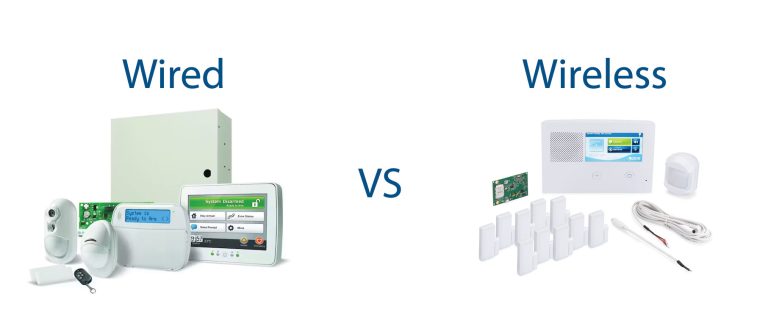
Your home’s layout and tech needs determine whether wired or wireless sensors are better.
Wired Sensors: Maximum Reliability
Wired window alarms connect directly to the control panel via low-voltage cables run through walls or window tracks.
Advantages:
- No batteries to replace
- Immune to Wi-Fi or signal interference
- Harder to disable since cutting wires often triggers a tamper alarm
Drawbacks:
- Installation requires drilling and wall modification
- Best for new construction or major renovations
Ideal for: Permanent homes, high-security environments, or commercial buildings.
Wireless Sensors: DIY-Friendly Flexibility
Battery-powered and connected via Z-Wave, Zigbee, or proprietary RF, wireless sensors are the go-to for most homeowners.
Advantages:
- Peel-and-stick installation with no tools needed
- Portable so you can take them when you move
- Easy to expand by adding more sensors anytime
Limitations:
- Batteries last 2 to 3 years and must be replaced
- Signal can be blocked by thick walls or metal
- Vulnerable to jamming, though encryption reduces this risk
Top brands: SimpliSafe, Ring, ADT Blue. Most offer app-based pairing and status monitoring.
Standalone Alarms: Basic Local Deterrence
These self-contained units emit a loud local siren (85 to 110 dB) when the magnetic contact breaks.
No app, no monitoring, no Wi-Fi. They’re designed to scare off intruders and alert nearby people.
Best for: Budget setups, kids’ rooms, or rental units where permanent installation isn’t allowed.
Smart Integration and Automation Features

Modern window alarms do more than just sound a siren. They talk to your smart home and take automated action.
Real-Time Alerts and Remote Monitoring
Smart sensors connect to a hub that sends instant push notifications to your phone when a window opens.
- Check status anytime with updates like “Kitchen window – closed”
- Get alerts even when you’re traveling
- Receive low-battery warnings before failure
If paired with cameras, you can verify the alert with live video to confirm whether it was an intruder or just the wind.
Automated Responses to Window Triggers
With smart home platforms (Alexa, Google Home, Apple HomeKit), window sensors can trigger automated routines:
- “If front window opens after 10 PM, turn on lights, start recording, send alert”
- “If basement window opens, lock all smart doors”
- “When window closes, turn off AC or heater”
This turns a simple sensor into an active security agent.
Professional Monitoring: 24/7 Backup
With monitored systems (Vivint, ADT, SimpliSafe Pro), a triggered window alarm sends a signal to a central monitoring station.
Operators follow these steps:
- Check for video verification
- Call your emergency contacts
- Dispatch police if confirmed
Even if you’re asleep or unreachable, help is on the way.
Installation Best Practices

Proper setup ensures your window alarms work when needed.
Step-by-Step Installation Guide
- Clean the surface with alcohol to remove dust and grease
- Measure the gap between frame and sash to ensure it’s within sensor tolerance
- Mount the sensor on the stationary frame
- Attach the magnet to the moving sash, aligned with sensor marks
- Secure with adhesive or screws
- Pair with control panel via app or console
- Test the system by opening the window while armed
Time estimate: 5 to 10 minutes per window.
Strategic Placement for Maximum Coverage
Not all windows are equal. Prioritize:
- All ground-floor windows, which are easiest to access
- Basement windows, often hidden and easy targets
- Upper-story windows reachable by trees, roofs, or ladders
- Sliding glass doors, which are large and vulnerable entry points
According to crime data:
- 24% of break-ins occur through back windows
- 8% through front windows
- Homes with alarms are 3x less likely to be targeted
Environmental Considerations
- In extreme heat or cold, use sensors rated for your climate
- In dusty or humid areas, clean sensors annually
- Avoid direct sunlight on adhesive mounts to prevent loosening
Maintenance and Troubleshooting
Even the best system needs care to stay effective.
Common Issues and Fixes
Sensor Not Triggering
- Cause: Misalignment or weak battery
- Fix: Realign using guide marks; replace battery
False Alarms
- Cause: Loose magnet, vibrating frame, or strong wind
- Fix: Tighten mount; ensure gap is within tolerance
Weak Signal (Wireless)
- Cause: Thick walls or interference
- Fix: Add a range extender or relocate the hub
Adhesive Failure
- Cause: Temperature swings or poor surface prep
- Fix: Reapply with new tape or use screws
Monthly Testing Routine
- Arm the system
- Open each window with a sensor
- Confirm alarm sounds and notification arrives
- Check app for correct status update
- Replace batteries when low-battery alert appears
Lifespan: Most sensors last 5 to 7 years with proper care.
Frequently Asked Questions About Window Alarms
Do window alarms detect broken glass?
No. Standard magnetic sensors only detect window opening. To detect glass breakage, you need a dedicated glass break detector.
Are window alarms worth it?
Yes. With over 30% of burglaries involving windows or doors, they close a major security gap. They deter intruders and provide instant alerts.
Can I install them myself?
Absolutely. Most wireless sensors are DIY-friendly. Just peel, stick, pair, and test. No wiring or tools needed.
Do pets trigger window alarms?
No. Magnetic sensors only respond to the separation of magnet and sensor, not movement. Pets walking near the window won’t set them off.
Do I need Wi-Fi?
Not always. Local alarms work without Wi-Fi. But for remote alerts, monitoring, or smart features, your hub needs Wi-Fi (often with cellular backup).
How many sensors do I need?
At minimum, install sensors on all ground-floor and accessible upper-floor windows. Ideally, every operable window and sliding door should have one.
What if the power goes out?
Most wireless sensors run on batteries, so they keep working. Wired systems rely on the control panel’s backup battery, which typically lasts 24+ hours.
Key Takeaways for Choosing Window Alarm Protection
Window alarms are a simple yet powerful defense against break-ins. By using magnetic contact sensors, glass break detectors, and smart integrations, they provide fast, reliable notification the moment a window is compromised. Whether you choose wired for permanence or wireless for flexibility, proper installation and regular testing ensure your system stays effective.
The key takeaway? Don’t leave your windows unprotected. With easy DIY options, smart automation, and professional monitoring available, there’s a window alarm solution for every home and budget. Install them, test them monthly, and rest easier knowing your home is watching back.