If you’re replacing a broken pane or upgrading your home’s energy efficiency, a fixed double glazed window offers a powerful solution. Unlike operable windows, these sealed units don’t open, making them incredibly airtight, low-maintenance, and ideal for maximizing natural light and insulation. Whether installed as a full window system or just the glass unit, fixed double glazing dramatically improves thermal performance, reduces outside noise, and enhances curb appeal. With options ranging from simple rectangles to custom arches and circles, these units are engineered for durability, safety, and long-term savings. In this guide, you’ll learn everything from precise measurements and materials to energy ratings, acoustic performance, and how to order the right unit for your project.
Core Features of Fixed Double Glazed Windows
Fixed double glazed windows are designed to be permanent, sealed units that replace traditional single-pane or damaged glass. Their non-opening design eliminates wear on hinges and locks, boosting lifespan and performance.
Why Choose a Non-Operational Window?
A fixed unit provides the largest possible glass area within a frame, allowing more daylight than any opening window type. Because there are no moving parts, the seal remains intact for years, preventing air leaks and moisture buildup. This makes fixed windows ideal for high-exposure areas like above kitchen sinks, in stairwells, or as expansive picture windows in living rooms. They’re also commonly used in commercial storefronts and modern architectural designs where unobstructed views are key.
How Double Glazing Works
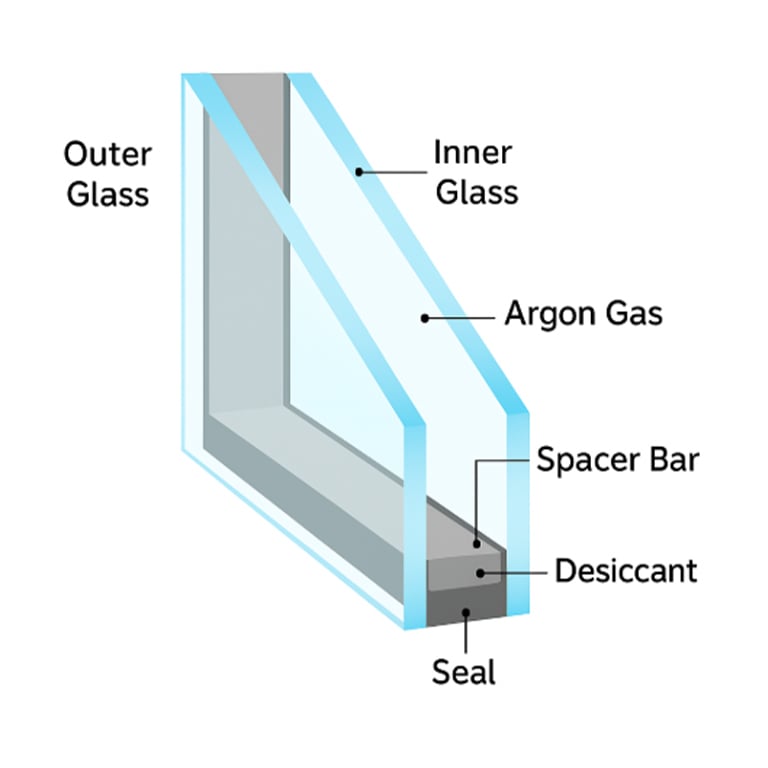
Two panes of glass are separated by a spacer bar and sealed at the edges to trap dry air or inert gas between them. This cavity acts as a thermal and acoustic barrier. The tighter the seal and the more advanced the glass treatments (like Low-E coatings), the better the insulation. These units are known as Insulating Glass Units (IGUs) and can be retrofitted into existing frames or installed as complete new windows.
Measuring for a Perfect Fit
Accurate measurement is critical, especially since fixed double glazed windows are custom-made. Even a small error can result in a unit that won’t fit or compromises performance.
Standard Measurement Protocol
Always take three measurements each for width and height:
– Width: Measure at the top, middle, and bottom of the opening.
– Height: Measure at the left, right, and center.
Use the smallest value from each set. Then subtract 10mm (about 3/8 inch) from both dimensions to allow for installation clearance. For example, if your smallest width is 800mm and height is 1200mm, order an IGU sized 790mm x 1190mm.
⚠️ Pro Tip: Use a steel tape measure and record all values in millimeters for precision. Avoid measuring to the edge of old putty or debris. Measure the actual clear opening.
Replacing Just the Glass Unit
If only the sealed unit is being replaced (not the entire frame), measure the outside dimensions of the existing IGU, not the frame. Check the thickness too. Common sizes are 7/8″, 1″, or 1 3/8″. A mismatched thickness won’t seat properly and may break during installation.
Available Sizes, Shapes, and Configurations
Fixed double glazed windows are highly customizable, fitting nearly any architectural style or retrofit need.
Size Limits and Structural Considerations
- Minimum Size: 4″ x 4″ (100mm x 100mm)
- Maximum Size: Up to 96″ wide x 60″ high (2438mm x 1524mm)
- Larger Units: Require thicker glass (e.g., 6mm instead of 4mm) for wind load resistance and safety compliance.
Custom Shapes for Architectural Appeal
Beyond standard rectangles, common custom shapes include:
– Arched tops, half-circles, ellipses
– Polygons: hexagons, octagons, trapezoids
– Sloped units, quarter rounds, racetrack ovals
– Clipped or rounded corners
For irregular shapes, include a sketch or CAD drawing when ordering to ensure accuracy.
Glass Options and Performance Upgrades

The type of glass used directly affects safety, energy efficiency, and noise control.
Tempered vs Laminated Glass
| Type | Best For | Safety Benefit |
|---|---|---|
| Tempered | Large windows, safety zones | Shatters into small, dull pieces |
| Laminated | Noise reduction, security | Holds together when broken |
Tempered glass is required by building codes in certain locations (e.g., near doors or floor level). Laminated glass includes a plastic interlayer (usually PVB) that dampens sound and blocks forced entry.
Low-E Coatings for Year-Round Efficiency
Low-Emissivity (Low-E) coatings reflect heat while allowing light to pass through:
– Winter: Reflects interior heat back into the room
– Summer: Blocks solar heat and UV rays
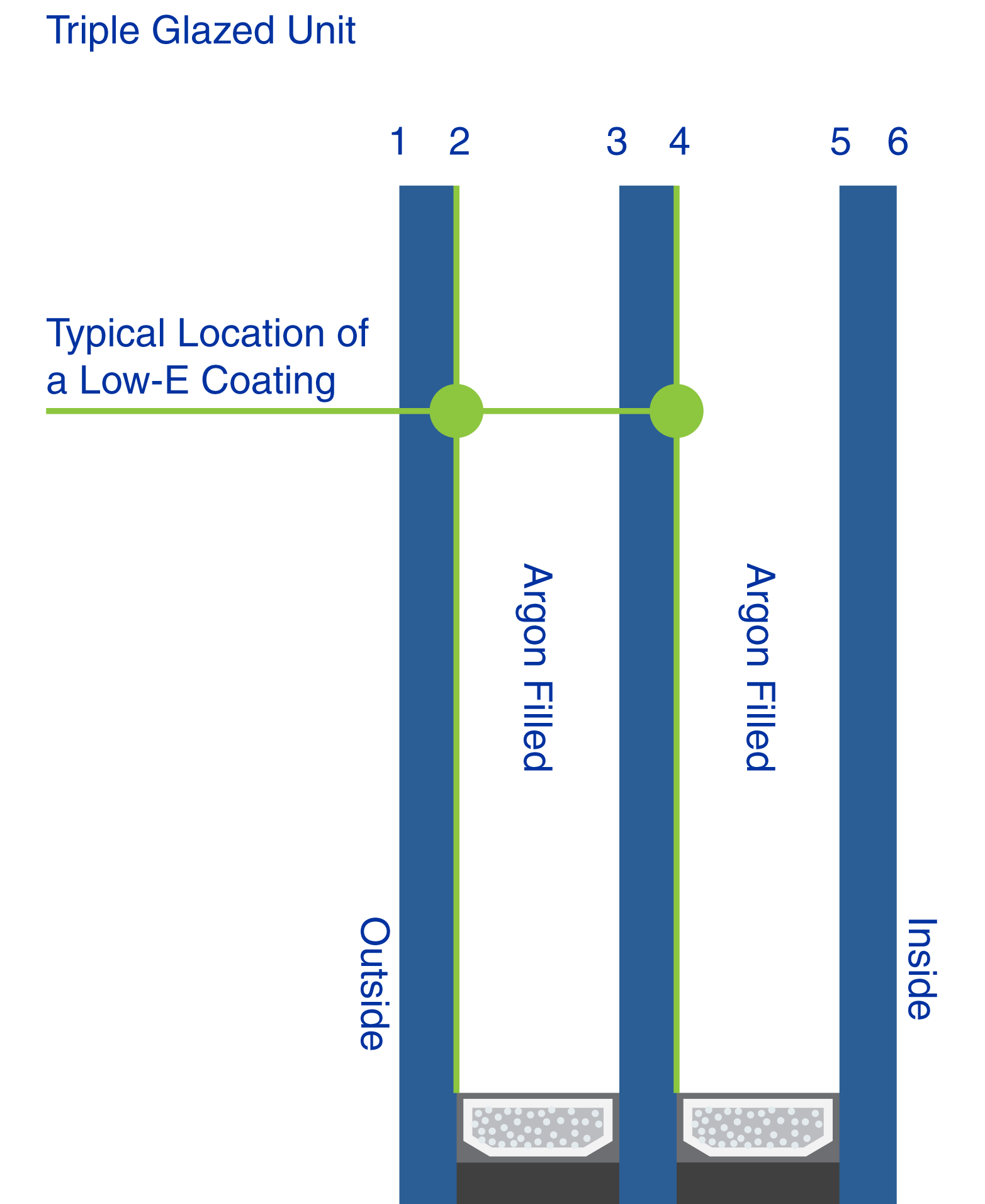
For fixed double glazing, the Low-E layer should face the outside, applied to surface #2 (the inner side of the outer pane).
✅ Expert Note: Pairing Low-E with argon gas can improve U-values by up to 20%, but be aware that argon-filled units may slowly leak over time, reducing long-term performance.
Tints and Finishes for Privacy and Aesthetics
Available combinations include:
– Bronze/Clear, Gray/Low-E, Satin Etch/Clear
– Rain glass for texture and diffusion
– Frosted or sandblasted for bathrooms or street-facing windows
Tints reduce glare and solar gain but may slightly darken interiors.
Thermal Efficiency: U-Values and Gas Fills

A window’s insulation quality is measured by its U-Value. The lower the number, the better the performance.
Understanding U-Value Ratings
- Single Pane: ~5.0 (very poor)
- Standard Double Glazed: 1.3–1.4
- Advanced Triple Glazed: As low as 0.8
This means modern double glazing can cut heat loss by up to 80% compared to old single-pane windows. Since windows account for ~20% of home heat loss, upgrading delivers fast ROI on heating bills.
Gas Fill Options
| Gas | Insulation Level | Lifespan Note |
|---|---|---|
| Air | Standard | Longest seal life |
| Argon | Better | Potential slow leakage |
| Krypton/Blend | Best (especially in narrow gaps) | Higher cost |
While argon improves performance, some manufacturers note that air-filled units may outlast argon due to fewer pressure-related seal failures.
Warm Edge Spacers for Condensation Control
Traditional aluminum spacers conduct cold, increasing condensation risk at the edges. Stainless steel warm edge spacers reduce thermal bridging, improving comfort and preventing fogging. They also enhance overall U-value and are recommended for humid climates.
Noise Reduction: STC Ratings and Acoustic Design

If you live near traffic, airports, or busy urban areas, fixed double glazing can transform your home’s quietness.
What Is STC?
Sound Transmission Class (STC) measures how well a window blocks sound:
– Single Pane: STC 18–20 (minimal blocking)
– Double Glazed: STC 28–32 (significant improvement)
– Laminated + Wide Gap: STC 35+ (excellent)
An STC 30 window reduces perceived noise by about 50% compared to single glazing.
Best Acoustic Configurations
For maximum noise reduction:
– Use laminated glass on the outer pane
– Choose a wider IGU thickness (e.g., 1 1/8″ or 1 3/8″)
– Combine with uPVC frames, which absorb vibrations better than wood or aluminum
This setup is ideal for bedrooms, home offices, or homes within 500 feet of highways.
Frame Materials and System Durability
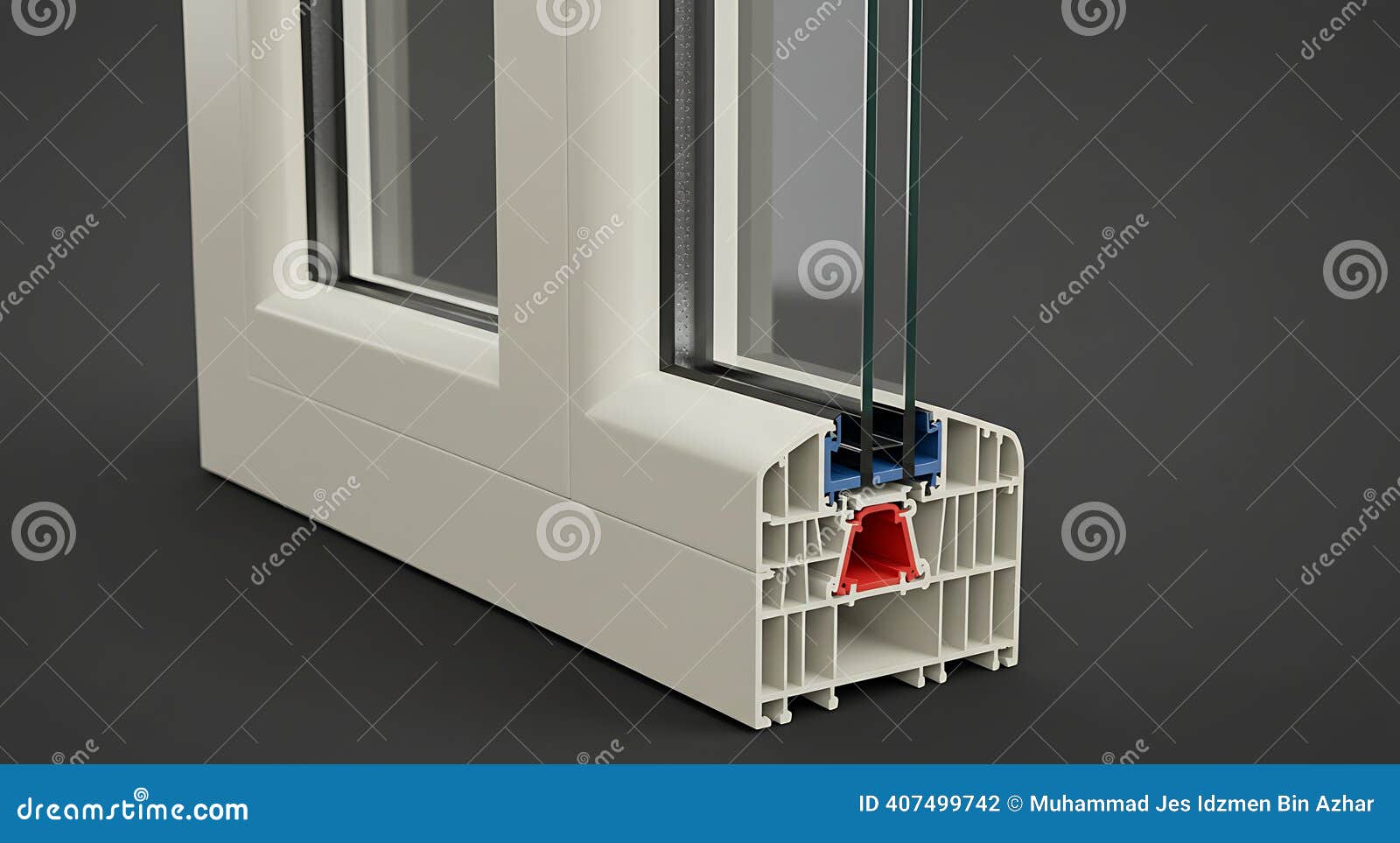
While the glass unit is key, the frame plays a crucial role in longevity and performance.
uPVC (Vinyl) Frame Advantages
- Maintenance-free: No painting or sealing required
- Weather-resistant: Won’t rot, corrode, or warp
- Thermal performance: Multi-chambered design reduces heat transfer
- Fusion-welded corners: Prevent air and water infiltration
Standard frame depths range from 4 5/8″ to 9 7/8″, allowing fit in various wall thicknesses.
Color and Aesthetic Options
Available standard colors:
– White, Taupe, Almond, Grey, Sable, Black, Pebble
Special-order colors available with longer lead times. Frame color should match or complement your home’s exterior for a cohesive look.
Ordering, Lead Times, and Logistics
Getting the right fixed double glazed window starts with a precise order.
Fast Turnaround for Emergencies
- Sealed units only: Ready in 2–5 business days
- Full window systems: 10–15 working days (faster for standard colors)
- Shipping: Often free and fully insured
This speed is crucial for real estate closings or post-break-in repairs.
Step-by-Step Ordering Process
- Choose shape (rectangle, arch, circle, etc.)
- Measure accurately using the 3-point method
- Select specifications:
– Glass type (tempered, laminated, Low-E)
– Spacer color (aluminum, bronze, champagne)
– Grids (if desired)
– Gas fill - Submit sketch for custom shapes
- Receive confirmation and delivery date within 24 hours
❌ Warning: Custom units are non-returnable if dimensions are incorrect. Always double-check before ordering.
Warranty and Long-Term Care
Fixed double glazed windows are built to last, but understanding warranty terms protects your investment.
Standard Warranty Coverage
- uPVC Frame & Sash: 10-year guarantee
- Sealed Glass Unit: 5-year warranty against fogging or seal failure
- Hardware (if any): 12-month coverage
Warranty does not cover:
– Breakage after delivery
– Incorrect customer measurements
– Normal wear and tear
Easy Maintenance Tips
- Clean frames with warm soapy water and soft cloth
- Avoid abrasive cleaners or wire brushes
- Use standard glass cleaner on panes
- Inspect seals annually for cracks or moisture
Because the unit is sealed, there’s no need to replace gaskets or lubricate mechanisms.
Cost and Value Considerations
Fixed double glazed windows offer strong value through energy savings and increased home value.
Price Range Overview
- Basic sealed unit: Starts at $29.95
- Mid-range (Low-E, argon): $80–$150
- High-end (laminated, warm edge, custom shape): $200+
Cost depends on:
– Size and shape complexity
– Glass type and coatings
– Spacer and gas options
Wholesale pricing is available for contractors or multi-unit projects.
Return on Investment
Upgrading to double glazing can:
– Reduce heating/cooling costs by 10–20%
– Increase home resale value
– Improve comfort and indoor air quality
The payback period is typically 5–7 years, after which savings are pure gain.
Aesthetic Enhancements and Design Flexibility
Fixed windows aren’t just functional. They can elevate your home’s design.
Internal Grids (Between-the-Glass Grilles)
Add traditional charm without sacrificing cleanability:
– Flat 5/8″ or sculptured 1″ profiles
– Colors: White, Bronze, Pewter, Brass
– Styles: 2″ MDL, 1¼” SDL, 7/8″ SDL
Since grids are sealed inside the unit, they never collect dust.
Exterior Brickmould Options
For full-frame installations, brickmoulds create a finished look:
– Sizes: 1 1/8″, 5/8″, 1 5/8″, 2″, 3 1/2″
– Matches siding or brick trim
– Available in coordinating colors
When to Repair vs Replace
A foggy or cracked fixed double glazed window usually means the IGU has failed.
Signs of IGU Failure
- Fog or condensation between panes
- Visible seal breakdown
- Cracked or shattered glass
✅ Good News: In most cases, only the glass unit needs replacement, not the entire frame.
Repair Process Summary
- Remove old IGU from the frame
- Clean glazing channels and inspect for damage
- Install new unit with glazing tape and clips
- Reapply exterior sealant
This can often be done in under an hour by a handy homeowner or glazier.
Frequently Asked Questions About Fixed Double Glazed Windows
What is the difference between a fixed double glazed window and a regular double glazed window?
A fixed double glazed window does not open or close, while a regular double glazed window may be operable (such as casement or sliding styles). The fixed design eliminates moving parts, creating a tighter seal, larger glass area, and longer lifespan.
How long do fixed double glazed windows last?
With proper installation and care, fixed double glazed windows typically last 20 years or more. The sealed unit usually carries a 5-year warranty, while uPVC frames often come with a 10-year guarantee against defects.
Can I replace just the glass in my existing fixed window?
Yes. In most cases, you can replace just the Insulating Glass Unit (IGU) without removing the entire frame. Measure the outside dimensions of the existing sealed unit to the nearest 1/16 inch and verify the thickness before ordering a replacement.
Do fixed double glazed windows reduce noise?
Yes. Standard double glazed units achieve an STC rating of 28–32, compared to 18–20 for single pane glass. Adding laminated glass and a wider airspace can push the STC above 35, dramatically reducing traffic and urban noise.
Are fixed double glazed windows energy efficient?
Yes. A standard fixed double glazed unit achieves a U-Value of 1.3–1.4, which can cut heat loss by up to 80% compared to single-pane windows. Adding Low-E coatings and argon gas further improves insulation performance.
Can I customize the shape of a fixed double glazed window?
Yes. Manufacturers offer custom shapes including arches, circles, hexagons, trapezoids, and rounded or clipped corners. For irregular designs, submitting a sketch or CAD drawing ensures accurate production.
Key Takeaways for Choosing a Fixed Double Glazed Window
A fixed double glazed window delivers lasting value through energy savings, noise reduction, and minimal maintenance. Focus on accurate measurements, select the right glass type for your climate, and consider upgrades like Low-E coatings or laminated glass for maximum comfort. When ordering, double-check all specifications since custom units are non-returnable. Start by measuring your opening using the 3-point method, then request a quote based on your preferred glass and frame options.