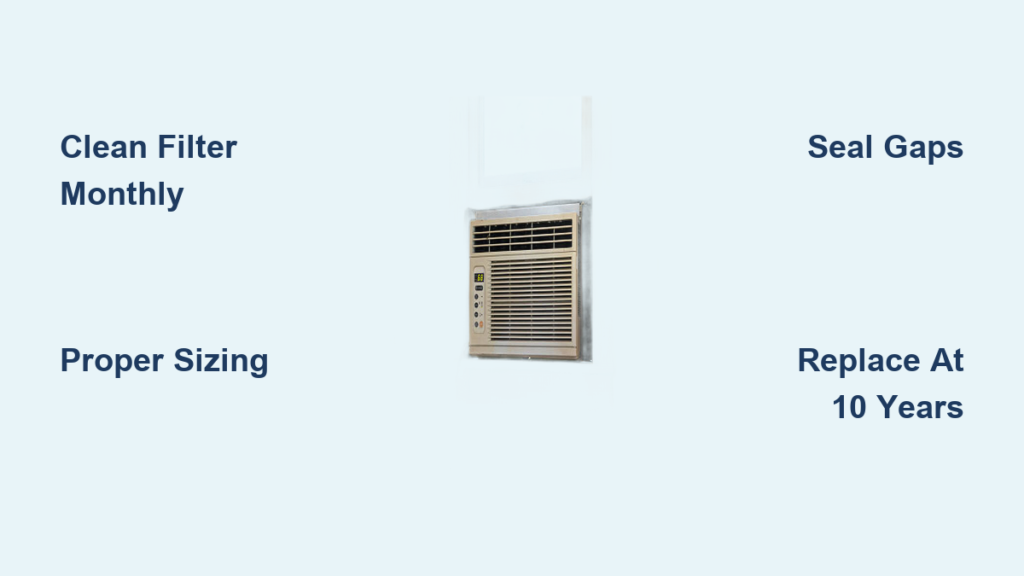
If your window air conditioner has been faithfully cooling your room for years, you might be asking: how long does a window AC unit actually last? Most units run reliably for 10 to 15 years with proper care, though many fail much sooner due to neglect, harsh climates, or incorrect sizing. ENERGY STAR® specifically recommends considering a replacement at the 10-year mark, since efficiency drops significantly after that point.
The truth is, some window AC units die in just 3 to 5 years when run nonstop without cleaning, while others exceed 15 years with smart maintenance. Your unit’s lifespan depends on how you use it, where it sits, and how often you clean it. This guide breaks down the exact factors that shorten or extend life, clear warning signs it’s time to replace, and proven steps to maximize your investment.
Average Lifespan by Usage and Care
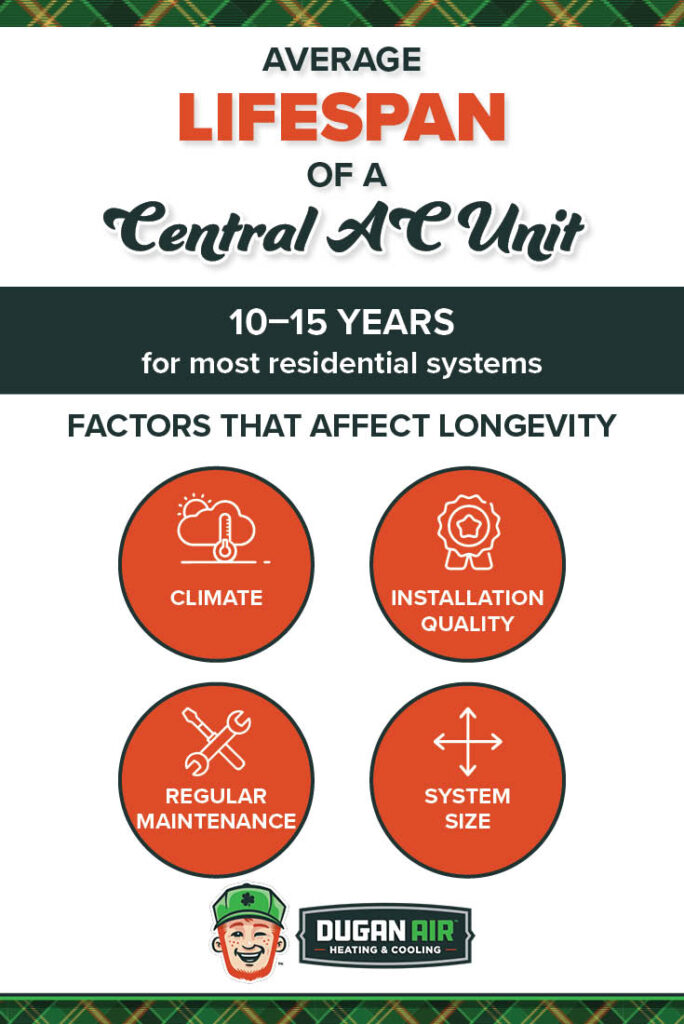
Standard Life: 10 to 15 Years
Under ideal conditions, most window AC units last 10 to 15 years. This benchmark comes from ENERGY STAR® and HVAC professionals. Units in this range typically cool efficiently, hold consistent temperatures, and don’t strain your electrical system.
Traits of a healthy, long-lived unit:
– Runs only when needed, not around the clock
– Has clean filters and coils
– Stays protected from weather in winter
– Matches the room size properly
Reduced Life: 5 to 8 Years
Many units fall short of the 10-year mark due to inconsistent maintenance or poor installation. If filters are rarely cleaned, the unit faces direct sun, or it stays in place through snowy winters, expect 5 to 8 years of service. Efficiency declines faster, noise increases, and cooling weakens.
Common causes of shortened life:
– Clogged filters causing motor strain
– Corrosion from coastal salt air
– Moisture damage from improper drainage
– Overheating due to blocked airflow
Short Life: 3 to 5 Years or Less
Units that run nonstop in extreme heat with zero maintenance often fail within 3 to 5 years. In worst cases, total failure can happen in 1 to 2 years. Continuous compressor operation leads to burnout, refrigerant leaks, and electrical faults.
This lifespan is typical when:
– The unit runs 24/7 during hot seasons
– Filters are never cleaned
– Coils are coated in dust and grime
– Installation gaps allow warm air infiltration
Key Factors That Affect Longevity
:max_bytes(150000):strip_icc()/air-conditioning-chart-1152654_final-02-c37c8b4fdf08432baf378e8f0cb9d8e0.jpg)
Proper Sizing Prevents Premature Wear
An incorrectly sized unit is the leading cause of early failure.
- Undersized unit (too few BTUs): Runs constantly trying to cool the space. This overworks the compressor, leading to burnout.
- Oversized unit (too many BTUs): Cools too quickly and cycles on and off frequently. This reduces dehumidification and stresses electrical components.
Use this quick reference to match BTU to room size:
| Room Size (sq. ft.) | Recommended BTUs |
|---|---|
| 100–250 | 5,000–6,500 |
| 250–350 | 7,000–8,500 |
| 350–550 | 9,800–12,500 |
Always factor in ceiling height, sun exposure, and occupancy when choosing capacity.
Climate and Location Matter
Where you live directly impacts how hard your AC works and how long it lasts.
- Hot, humid climates: Increase strain on the system and promote mold growth inside the unit.
- Coastal areas: Salt air accelerates corrosion of metal coils and electrical parts.
- Direct sunlight on unit: Raises internal temperature, causing the AC to overheat and work harder.
- Under pine trees: Falling needles can enter rear vents and damage fan blades or coils.
Install your unit in a shaded, protected window whenever possible.
Maintenance Is the Lifespan Multiplier
Regular upkeep is the single most effective way to extend life.
Essential maintenance tasks:
– Clean filter monthly during cooling season
– Vacuum interior coils gently with an upholstery brush
– Check drainage path for blockages
– Seal gaps around unit to prevent air leaks
– Inspect for mold or musty smells
A clogged filter forces the motor to work up to 30% harder, drastically reducing efficiency and lifespan.
Signs It’s Time to Replace
Age Over 10 Years
If your unit is more than 10 years old, it’s on borrowed time. Even if it still cools, it’s likely using 20 to 30% more energy than a new model. Newer units have better compressors, improved insulation, and advanced features like programmable timers.
Pro Tip: Replacing a 10-year-old unit can cut cooling costs by up to 40%, paying for itself over time.
Rising Energy Bills
A sudden spike in summer electricity bills, without changes in usage, signals declining efficiency.
- A healthy medium window unit uses about 900 watts per hour.
- If your bill jumps despite the same runtime, internal components are likely failing.
Compare your current usage to past years. A 15 to 20% increase means it’s time to consider replacement.
Warm Air Blowing Out
If the unit runs but blows warm or room-temperature air, the cooling system has failed.
Common causes:
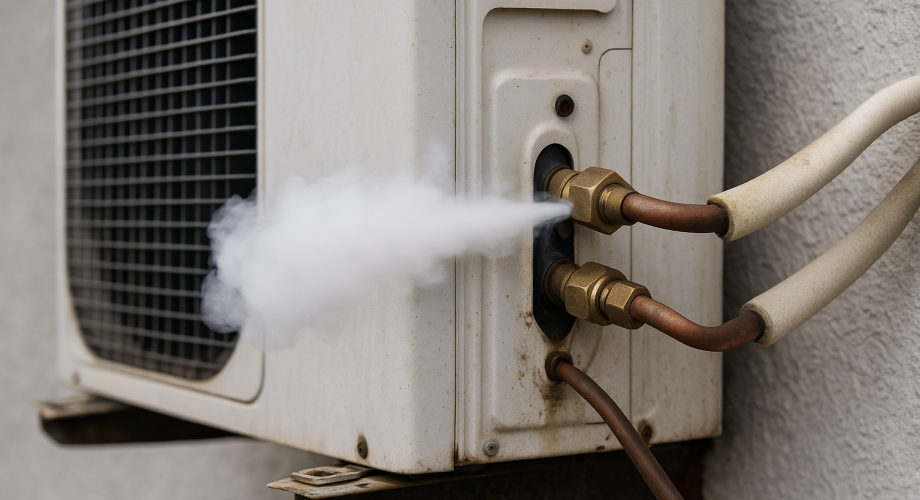
– Refrigerant leak (most common)
– Compressor failure
– Clogged condenser coils
Recharging refrigerant in window units is rarely cost-effective. Once cooling is lost, replacement is usually the best option.
Strange Noises or Smells
Listen and smell for these red flags:
- Grinding or squealing: Worn motor bearings or failing compressor
- Rattling: Loose internal parts or damaged fan
- Musty odor: Mold or mildew buildup, which is a health hazard
- Burning smell: Electrical short or overheating wires, requiring immediate shutdown
Any unusual sound or smell demands inspection. Ignoring them can lead to fire risk or total failure.
Fails Cooling Performance Test
A high-performing unit should drop room temperature by 10°F in under 15 minutes when the space is at 90°F.
To test your unit:
1. Let the room heat up to 85 to 90°F
2. Set AC to lowest temperature and highest fan
3. Time how long to drop 10°F
If it takes longer than 20 minutes, the unit is degraded and nearing end-of-life.
How to Extend Your AC’s Lifespan
Clean Filters Monthly
This is the easiest and most impactful maintenance step.
- Remove filter and rinse with warm, soapy water
- Let dry completely before reinstalling
- Replace if torn or excessively dirty
Warning: If you need to clean the filter every two weeks, there’s likely an air quality or sealing issue.
Seal Gaps Around the Unit
Air leaks force the AC to work harder. Use foam weatherstripping or expandable insulation to seal all gaps around the chassis.
Check for:
– Warm air coming in around the sides
– Whistling sounds in wind
– Visible daylight through the frame
A tight seal improves efficiency by up to 25%.
Winterize or Store Indoors
Leaving your unit in the window all year invites moisture damage.
In cold climates:
– Light snow areas: Use a breathable, sloped cover
– Heavy snow regions: Remove and store indoors in a dry place
Never use plastic wrap, as it traps moisture and promotes rust.
Level the Unit for Drainage
The unit should tilt slightly backward (about 1/4 inch) to allow condensate to drain outside.
If it’s level or tilted forward:
– Water pools inside
– Promotes mold and corrosion
– Can leak into your home
Use shims during installation to ensure proper pitch.
Repair vs. Replace: When to Let Go
Repair Only If:
- Filter or seal issue (easy fix)
- Loose panel or mounting bracket
- Minor electrical connection problem
These are low-cost, high-impact fixes.
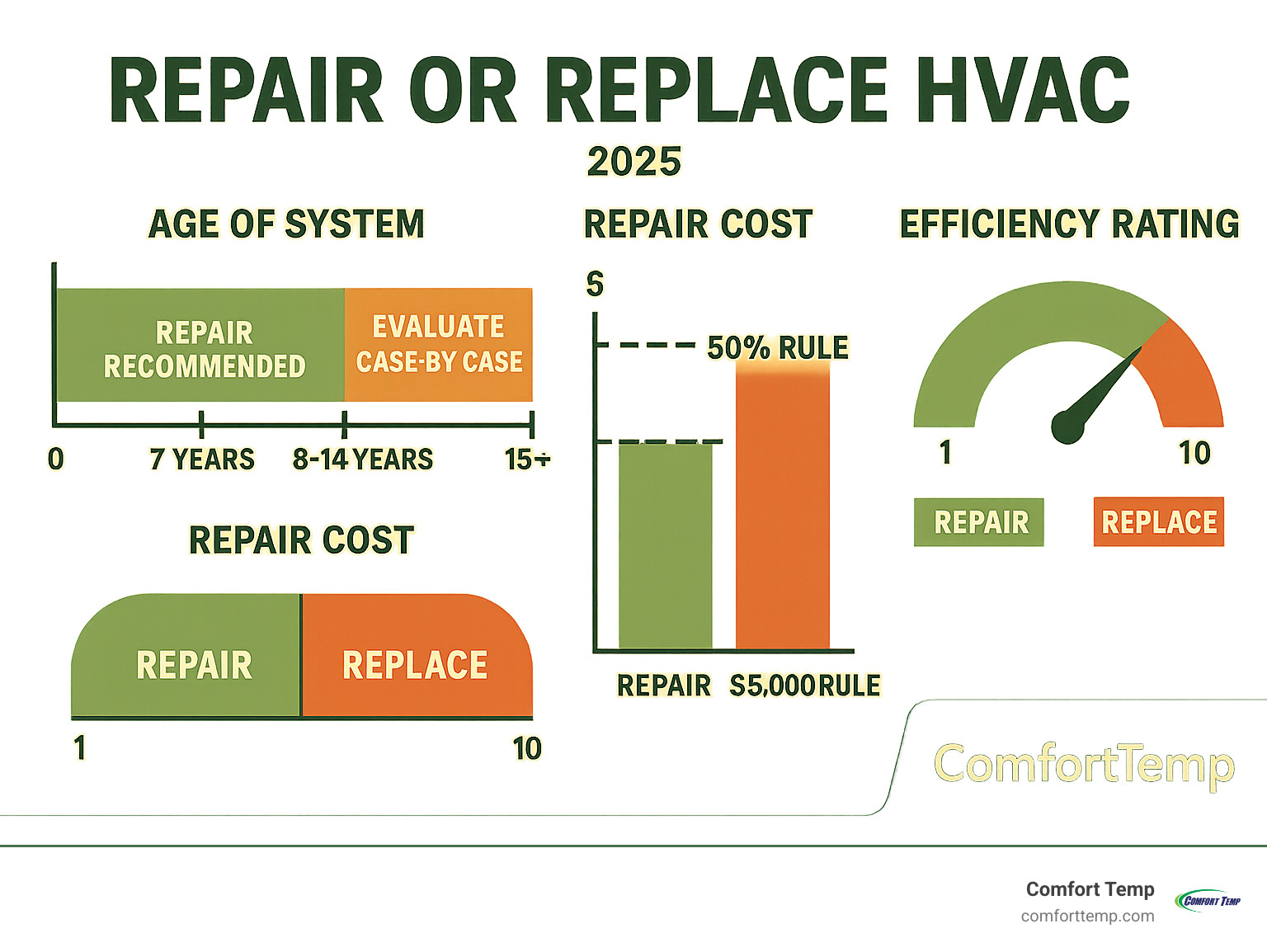
Replace If:
- Compressor is dead
- Refrigerant leak detected
- Unit is over 10 years old
- Repair cost exceeds 50% of new unit price
For example, if a repair quote is $150 and a new comparable unit costs $300, replace it.
New models offer:
– Lower energy bills
– Better dehumidification
– Quieter operation
– Smart features like Wi-Fi and app control
Best Practices for Maximum Longevity
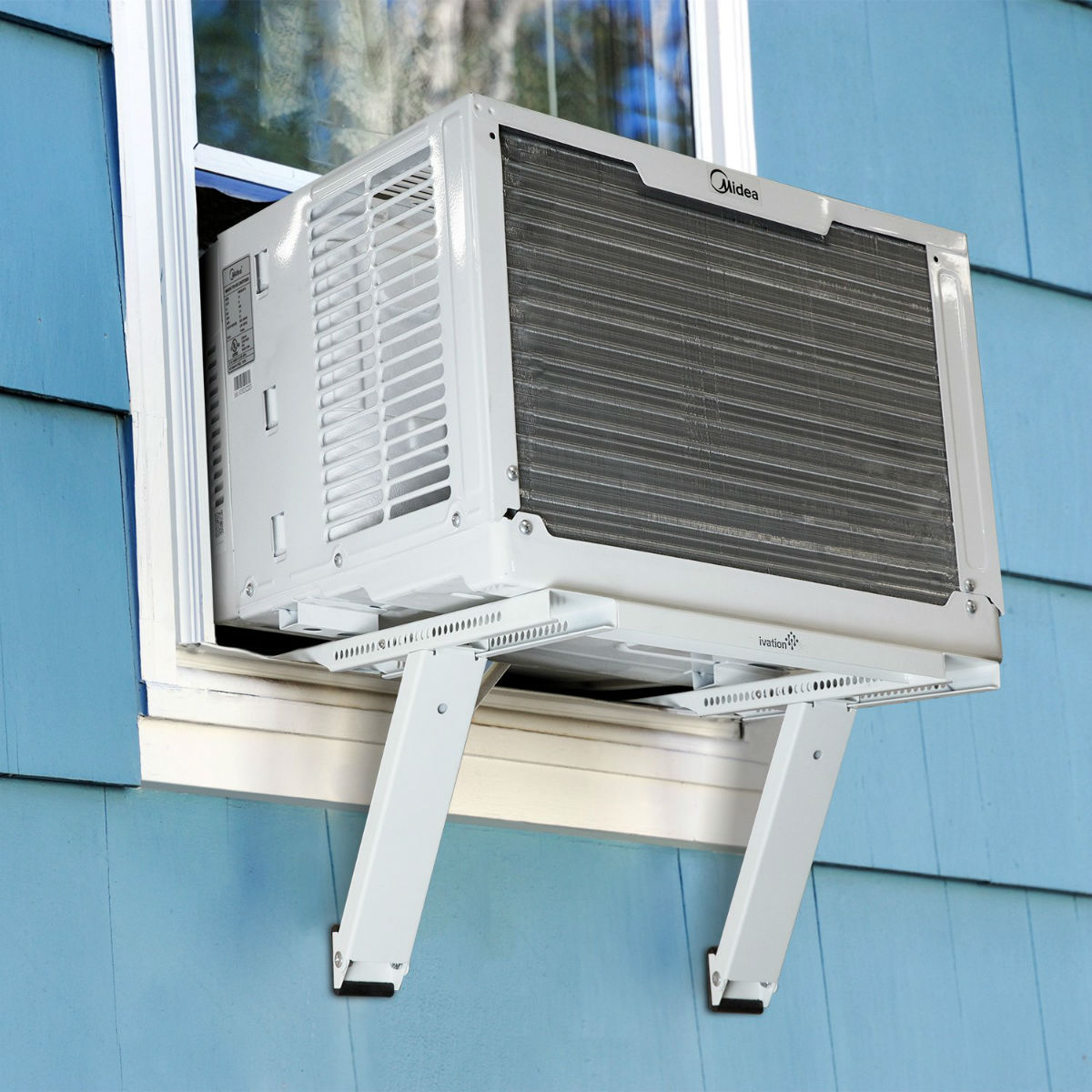
Install in the Right Spot
Avoid:
– South- or west-facing windows with direct afternoon sun
– Windows under pine or needle-bearing trees
– Locations exposed to strong winds or rain
Choose a shaded, sheltered window for longest life.
Use a Surge Protector
Power surges from storms can fry circuit boards. Plug your AC into a heavy-duty surge protector rated for 15+ amps.
This small step can prevent sudden, catastrophic failure.
Run Efficiently, Not Constantly
Set the thermostat to 78°F when home and 85°F when away. Use a timer to turn off when not needed.
Avoid running 24/7 and give the compressor rest periods to cool down.
Frequently Asked Questions About Window AC Lifespan
How long does a window AC unit typically last?
Most window AC units last 10 to 15 years with proper maintenance. However, units that run continuously without filter cleaning may fail in just 3 to 5 years.
When should I replace my window AC unit?
Replace your unit if it’s over 10 years old, shows rising energy bills, blows warm air, or requires repairs exceeding 50% of the cost of a new unit.
Does running a window AC all the time shorten its life?
Yes. Continuous operation without rest cycles causes compressor burnout and significantly reduces lifespan. Running the AC only when needed helps extend its life.
How often should I clean my window AC filter?
Clean the filter at least once per month during the cooling season. If it clogs faster than that, check for air quality issues or gaps around the unit.
Is it worth repairing a 10-year-old window AC?
Usually not. If repair costs approach 50% of a new unit’s price, replacement is more economical. Newer models are more energy-efficient and reliable.
What is the biggest factor in how long a window AC lasts?
Proper sizing and regular maintenance are the two biggest factors. An incorrectly sized unit strains the compressor, while clogged filters force the motor to work harder, both leading to early failure.
Final Thoughts on Window AC Lifespan
So, how long does a window AC unit last? With proper sizing, regular maintenance, and seasonal protection, you can expect 10 to 15 years of reliable cooling. Skip cleaning, run it nonstop, or leave it exposed to the elements, and it may fail in just 3 to 5 years.
Your actions determine its lifespan. Clean the filter monthly, seal the gaps, store it indoors during winter, and replace it at the 10-year mark even if it still works. You’ll save money on energy bills, avoid sudden breakdowns, and enjoy better comfort.
When the time comes, upgrading to a new ENERGY STAR® model isn’t just about cooling. It’s an investment in efficiency, reliability, and peace of mind.