Cleaning windows doesn’t require harsh chemicals or expensive products. With just white vinegar and a few common household items, you can achieve sparkling, streak-free glass. Vinegar is a natural cleaner that cuts through grease, dissolves mineral deposits, and evaporates quickly, making it ideal for window cleaning. Whether you’re tackling indoor panes or outdoor storm windows, this simple vinegar-based method delivers professional-looking results without the chemical smell. In this guide, you’ll learn exactly how to clean a window with vinegar, avoid common mistakes, and keep your glass clear longer.
Prepare Your Cleaning Tools
Before applying vinegar, gather the right supplies to ensure a smooth, effective clean. Using the wrong cloth or tool can leave lint, streaks, or scratches, undoing your hard work.
Essential Supplies for Vinegar Cleaning
- White vinegar – The key ingredient for cutting grime (avoid apple cider vinegar)
- Warm water – Helps dissolve residue and improves cleaning efficiency
- Spray bottle – For even application of the vinegar solution
- Microfiber cloth – Lint-free and streak-resistant; ideal for final polishing
- Squeegee (optional) – Best for large windows like sliders or picture windows
- Soft sponge or scrubber – For wiping away dried-on dirt
Avoid paper towels if possible. They can leave lint and micro-scratches. Microfiber is reusable, eco-friendly, and far more effective.
Mix the Vinegar Cleaning Solution

The right ratio ensures cleaning power without residue. Too much vinegar can leave a smell, while too little won’t cut through grime.
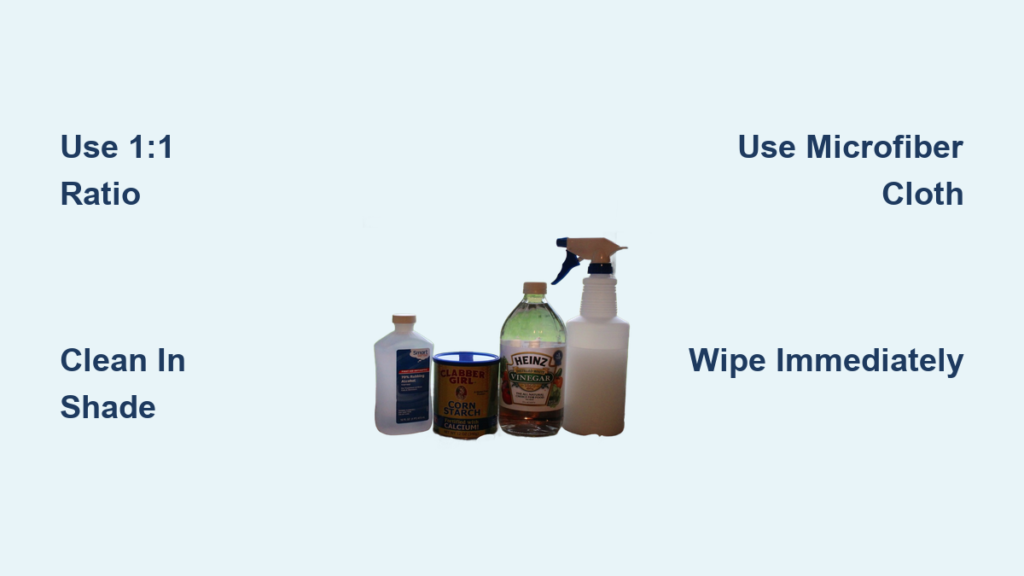
Use the 1:1 Vinegar-Water Mix
Combine in a spray bottle:
– 1 cup of distilled white vinegar
– 1 cup of warm water
Shake gently to mix. This balanced solution is strong enough to remove fingerprints, water spots, and light film, yet safe for most glass surfaces.
Pro Tip: For extremely hard water stains, increase vinegar to a 2:1 ratio (2 parts vinegar, 1 part water). Test on a small area first if the window is tinted or has a special coating.
Apply Vinegar Solution Correctly

Timing and coverage matter. Applying the solution incorrectly can lead to drips, missed spots, or streaks.
Spray Evenly Across the Glass
- Work on one window at a time
- Spray the vinegar solution in an S-pattern to ensure full coverage
- Avoid oversaturating; excess liquid can drip onto frames or walls
Apply in the shade or on a cloudy day. Direct sunlight causes the vinegar solution to dry too fast, leaving visible streaks before you can wipe it off.
Remove Grime Without Scratching
Even natural cleaners need proper technique. Aggressive scrubbing or wrong tools can damage glass.
Use a Soft Sponge for Stubborn Spots
- Gently wipe the window in circular motions
- Focus on areas with built-up dirt, bugs, or water stains
- Re-spray if the surface dries during cleaning
Avoid steel wool, abrasive pads, or rough cloths. Even though vinegar is gentle, combining it with harsh scrubbing can scratch older or coated glass.
Wipe for a Streak-Free Finish
This is where most people go wrong. The wiping method determines whether your window sparkles or looks smudged.
Choose: Microfiber Cloth or Squeegee
Option 1: Microfiber Cloth Method
- Use a dry, clean microfiber cloth
- Wipe in tight circular motions, then finish with vertical strokes
- Flip the cloth frequently to use a clean side
Option 2: Squeegee Method (Best for Large Windows)
- Start at the top corner
- Pull the squeegee in a straight line across, slightly overlapping each pass
- Wipe the blade with a cloth after every stroke to prevent re-depositing dirt
Warning: Never let the vinegar solution dry on the glass before wiping. This leads to mineral deposits and cloudy residue, especially in hard water areas.
Handle Tinted or Coated Windows Safely

Not all windows are the same. Some have special films or coatings that react poorly to acidic cleaners.
Check Before You Spray
- Tinted windows: Vinegar is generally safe, but avoid high concentrations (stick to 1:1 ratio)
- Low-E (energy-efficient) glass: Vinegar won’t damage the coating if used properly
- Frosted or etched glass: Avoid vinegar; it can degrade the finish over time
When in doubt, test the solution on a small, inconspicuous corner first.
Prevent Streaks and Smudges
Even with vinegar, streaks happen, usually due to poor timing or dirty tools.
Avoid These Common Mistakes
- Using a dirty or damp cloth
- Cleaning in direct sunlight
- Not rinsing the sponge during scrubbing
- Skipping the squeegee blade wipe
Pro Tip: For extra shine, buff the dry window with a crumpled newspaper. The ink acts as a mild polish. Just wear gloves to avoid ink on your hands.
Maintain Clean Windows Longer
Clean windows stay clear when you reduce buildup between deep cleans.
Simple Maintenance Tips
- Wipe down windows monthly with a dry microfiber cloth
- Clean tracks and frames to prevent dirt from transferring to glass
- Use vinegar solution on window screens and frames too; it kills mold and removes grime
- Keep indoor humidity in check to reduce condensation and water spots
Reapply the vinegar clean every 2–3 months, or more often in high-dust or coastal areas.
Troubleshoot Common Vinegar Cleaning Issues
Even with the right method, problems can arise. Here’s how to fix them fast.
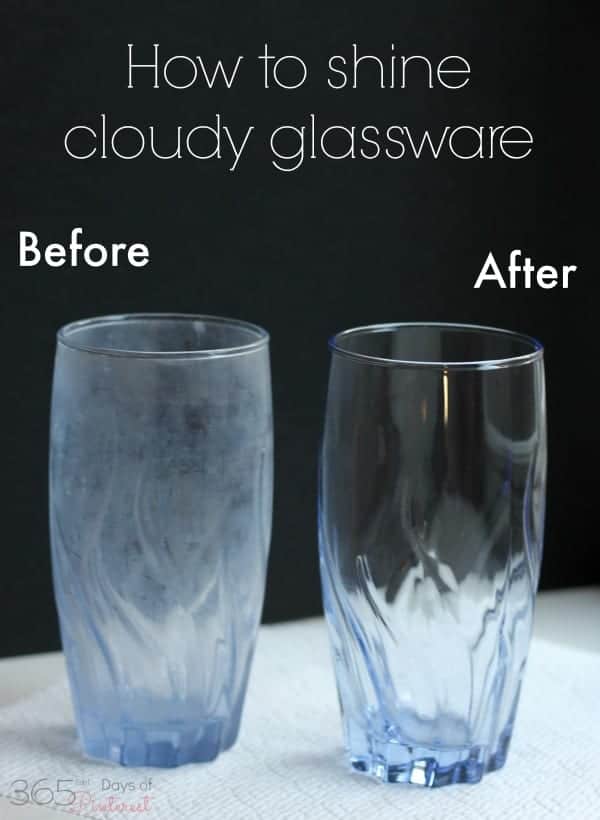
Why Does My Window Look Cloudy?
- Cause: Hard water minerals left behind after evaporation
- Fix: Re-clean with a 2:1 vinegar-water mix, then dry immediately
Vinegar Smell Lingers—How to Remove It?
- Cause: Acetic acid odor dissipates quickly
- Fix: Ventilate the area or add a few drops of essential oil (like lemon or tea tree) to the mix
Note: Never mix vinegar with bleach or ammonia. This creates toxic fumes.
Streaks Appear After Cleaning—What Went Wrong?
- Likely causes:
- Cloth wasn’t clean or dry
- Solution dried too fast
- Glass wasn’t pre-dusted
Always dust the window with a dry cloth before spraying to remove loose particles.
Frequently Asked Questions About Cleaning Windows with Vinegar
What is the best ratio of vinegar to water for cleaning windows?
A 1:1 mix of white vinegar and warm water works best for most windows. For hard water stains, increase to a 2:1 ratio.
Can I use apple cider vinegar instead of white vinegar?
White vinegar is recommended because it’s clear and doesn’t leave residue. Apple cider vinegar can stain or streak glass.
Is vinegar safe for tinted windows?
Yes, when diluted properly (1:1 ratio). Always test a small area first to avoid damaging the tint film.
How often should I clean my windows with vinegar?
Every 2–3 months is ideal for most homes. Dust monthly with a dry microfiber cloth between deep cleans.
Why are my windows streaky after using vinegar?
Streaks usually result from dirty cloths, direct sunlight, or letting the solution dry before wiping. Use a clean microfiber cloth and work in the shade.
Can I add baking soda to the vinegar solution?
Yes. A small amount of baking soda boosts cleaning power for tough grime. Expect fizzing when combining; this is a normal chemical reaction.
Key Takeaways for Streak-Free Window Cleaning with Vinegar
Learning how to clean a window with vinegar comes down to three essentials: the right ratio, the right tools, and the right timing. Stick to a 1:1 vinegar-water mix, use a clean microfiber cloth or squeegee, and always work in the shade to prevent premature drying. Avoid abrasive tools and never let the solution sit too long on tinted or coated glass. With these simple habits, your windows will stay crystal clear, and you’ll never need to buy a commercial glass cleaner again.