

A cold draft creeping past your window on a winter night is more than annoying. It drives up heating bills, makes rooms uncomfortable, and signals that your home envelope is leaking energy. The good news is that how to stop air from coming through window spaces doesn’t require a full renovation. Most fixes cost under $20 and take less than an hour to install.
This guide walks you through diagnosing the exact source of your draft, then matching it to the right solution. You’ll learn which products work best for different window types, what mistakes to avoid, and when it’s worth investing in a permanent upgrade.
Pinpoint the Draft Source Before Buying Anything

Applying the wrong fix wastes time and money. A draft coming through the glass itself needs a different solution than air leaking around the frame edges.
Tell the Difference Between Glass and Frame Drafts
Run your hand slowly across the window surface. If cold air pushes through the center of the glass, your window has poor insulation value, which is typical with single-pane units. If the draft comes from the edges, corners, or where the sash meets the frame, you have gaps in the seals. This distinction matters: glass drafts need insulating barriers, while frame drafts need sealing products.
Use a Flame or Incense for Precision
Light a candle or stick of incense and hold it near the window. Watch how the smoke moves. Flickering or wavering smoke reveals exactly where air enters. Pay special attention to the top and sides of the frame, as these areas often hide the largest gaps.
Look for Visible Warning Signs
Check for cracked caulking, peeling paint near the frame, or daylight visible around the sash. Open and close the window to feel for loose operation or uneven contact. Warped frames and worn weatherstripping are common culprits in homes over 20 years old.
Block Frame Gaps with Weatherstripping Tape

Weatherstripping is the fastest, cheapest way to seal air leaks around operable windows. The key is choosing the right type for your gap size and window style.
Apply Clear Sealing Tape for Discreet Results
Products like XFasten or ATack transparent weather sealing tape (2-inch x 30-yard rolls, around $8–$10) create an airtight seal while staying nearly invisible. These tapes are specifically designed to remove cleanly from wood and painted surfaces without leaving residue.
Pro Tip: Wipe the frame with rubbing alcohol before applying. Stick the tape to the stationary frame, not the moving sash, so the window still opens without tearing the seal.
Use Foam Strips for Irregular Gaps
Foam weatherstripping compresses when you close the window, filling uneven spaces. Self-adhesive foam tape (0.2″ thick, about $12 for 33 feet) works for standard gaps. For larger openings, wedge-shaped foam (around $9 for 118 inches) fills deeper voids. Apply it to the top and sides of the upper sash track.
For sliding windows, use pile weather stripping, a fuzzy self-adhesive strip (around $6 for 16.5 feet) that seals while allowing smooth movement.
Try Flexible Flap Seals for Uneven Surfaces
The Alien Draft Seal (around $17 for 49 feet) uses a flexible flap that presses tightly against the frame. It handles warped or uneven surfaces better than rigid tape and can last multiple seasons. Install it on the outer edge of the sash for maximum contact.
Create an Insulating Air Pocket with Shrink Film
Shrink film kits turn a single-pane window into a temporary double-pane unit by trapping a layer of still air between the plastic and the glass.
Pick the Right Kit Size
Brands like Duck Brand and Frost King offer kits for 1 to 10 windows. A 62″ x 210″ roll (around $8) covers up to five average windows. For patio doors, use 87″ x 118″ film (around $22). Look for 180µm thick polyolefin film, which is clearer and more durable than cheaper alternatives.
Install the Film in Five Steps
- Clean the frame with rubbing alcohol to remove dust and grease.
- Apply double-sided tape around the entire interior window frame.
- Mount the plastic over the tape, leaving 2–3 inches of extra material on all sides.
- Shrink with a hairdryer, starting at one corner and heating evenly until the film pulls tight like a drum.
- Check all edges to confirm no gaps remain where air could sneak through.
The whole process takes about 15–20 minutes per window. Note that shrink film makes the window non-operable until you remove it in spring.
Manage Condensation to Prevent Mold
If moisture collects between the film and glass, remove the film temporarily and ventilate the room. Persistent condensation can lead to mold or wood rot. Some kits include vented options designed to let trapped moisture escape.
Add Thermal Curtains and Covers for Extra Warmth
Thermal barriers don’t seal leaks directly, but they block cold air movement and reflect heat back into the room.
Hang Insulated Curtains
Choose curtains with three layers: an outer fabric, thick cotton fill, and reflective backing. Brands like EcoHomes or Thermal Shield ($20–$30) reduce heat loss by up to 25%. For best results, size them to touch the floor and overlap the window frame by 6 inches on each side.
Use Magnetic or Velcro-Mounted Panels
For a tighter seal, install magnetic thermal curtains or Velcro-mounted covers. These attach directly to the wall or frame, preventing cold air from circulating behind the fabric. They work especially well in bedrooms where you want maximum warmth at night.
Try Reflective Bubble Insulation
Rolls of aluminum foil bubble wrap (around $14 for 23.6″ x 10 feet) reflect radiant heat back into the room. Tape them directly to the glass with the shiny side facing in. This option works best for garages, basements, or temporary setups.
Stop Bottom Gaps with Draft Snakes
Air often enters at the sill, especially in older double-hung windows where the lower sash doesn’t seal tightly.
Make a Simple DIY Draft Snake
Roll an old towel or fill a fabric tube with rice or beans. Place it along the bottom of the window to block airflow. Store-bought snakes cost $10–$15 and come in decorative patterns. Keep in mind that draft snakes only stop sill gaps, so combine them with side sealing for full protection.
Install Adjustable Sill Seals
Some foam tapes come in door-sweep styles designed for window tracks. Install them on the lower sash so they compress when the window closes, creating a tight seal without any manual adjustment.
Invest in Permanent Fixes for Lasting Comfort
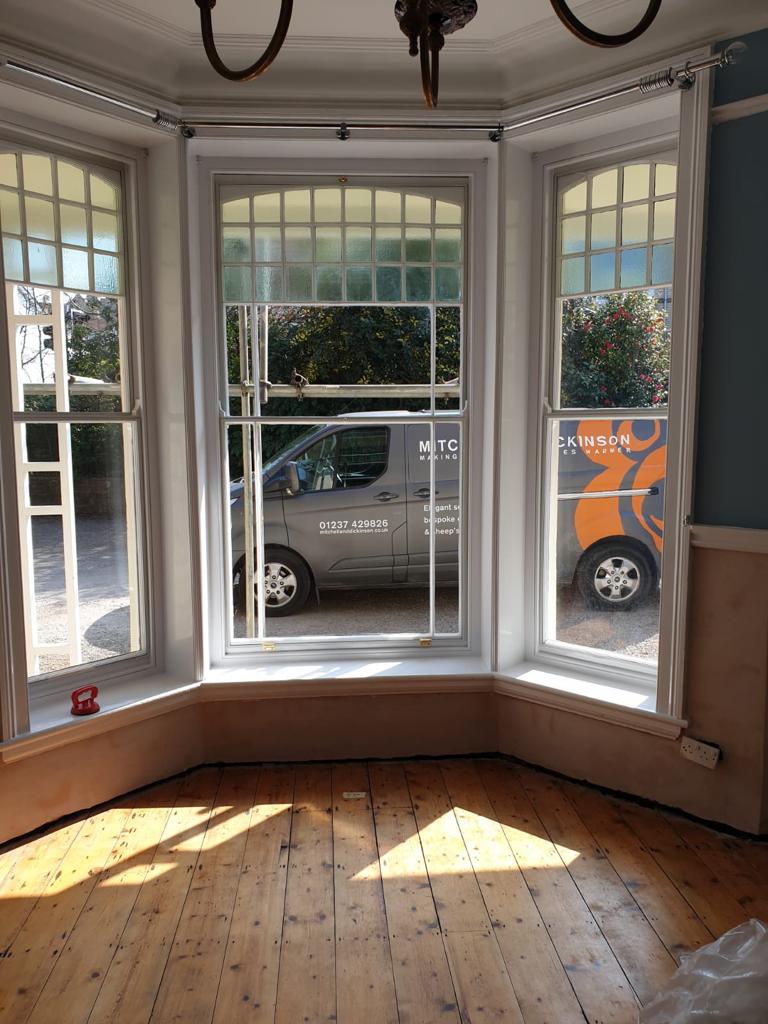
Temporary solutions work well for one winter, but if you want long-term results, address the root cause.
Caulk Static Gaps Around the Frame
Use exterior-grade silicone caulk to seal cracks between the window frame and wall, or in deteriorating trim. Apply only to non-moving parts, because caulk will crack if you use it on operable edges. Properly applied caulk lasts 5+ years.
Add Storm Windows for an Extra Barrier
Interior or exterior storm windows add another insulating layer. They’re more effective than film and less costly than full replacement. Storm windows also reduce outside noise significantly.
Replace Single-Pane Windows with Double-Pane Units
Upgrading to double- or triple-pane windows filled with argon gas eliminates drafts at the source. Though expensive ($300–$1,000 per window), replacement windows cut heating bills by hundreds per year and pay for themselves over time. This option makes the most sense if you have multiple drafty windows or frequent seal failures.
Install Secondary Glazing for Historic Homes
If you can’t change the exterior appearance, interior secondary glazing is the best option. A clear acrylic or glass panel mounts inside the existing frame, creating a sealed air gap. Many systems include ventilation options to prevent condensation. Secondary glazing is nearly invisible and rated as a top-tier insulation solution.
Handle Special Window Types
Standard solutions don’t always fit unique situations. Here’s how to address common problem windows.
Seal Around Window AC Units
Window air conditioners leave large gaps that let in outside air. Use 1″ x 1″ neoprene foam kits like Yotache or fowong (around $15 for 13 feet) to fill the space around the unit. The foam compresses tightly, blocks air and noise, and requires no adhesive.
Fix Sliding Windows and Doors
Use pile weather stripping on the track and T-shaped silicone seals on the meeting stiles. Avoid tapes that interfere with sliding motion. For large gaps, add a shrink film kit in patio door size over the entire slider.
Insulate RV and Mobile Home Windows
Use flexible magnetic curtains or RV-specific shrink film that can handle vibration and temperature swings. Reflective insulation also works well in compact spaces.
Prevent Moisture Problems and Keep Seals Working
Sealing windows tightly can trap indoor humidity. A few simple habits prevent damage.
Watch for Condensation
If water collects between the glass and plastic film, remove the seal temporarily and ventilate the room. Persistent moisture leads to mold and wood rot. Secondary glazing with built-in vents solves this problem permanently.
Remove Seasonal Products in Spring
Take down shrink film and weatherstripping when warmer weather arrives. Leaving them on risks adhesive residue and prevents you from using the window. Store reusable films flat in a dry place.
Clean Before Reapplying Each Year
Wipe frames with rubbing alcohol before installing new tape. Dust and grease are the top reasons seals fail prematurely.
Compare Your Options at a Glance

| Solution | Best For | Cost | Effectiveness | Window Usable |
|---|---|---|---|---|
| Weatherstripping Tape | Edge gaps, quick fix | $ | High | Limited |
| Shrink Film Kit | Single-pane windows | $ | Very High | No |
| Thermal Curtains | Reducing chill, decor | $$ | Moderate | Yes |
| Draft Snake | Sill gaps only | $ | Low | Yes |
| Caulking | Frame-to-wall gaps | $ | High | No |
| Secondary Glazing | Permanent upgrade | $$$ | Maximum | Yes (vented) |
| Window Replacement | Chronic issues | $$$$ | Maximum | Yes |
Quick Recommendations:
– Renters: Use shrink film plus a draft snake (around $15 total)
– Homeowners: Combine weatherstripping with thermal curtains for year-round comfort
– Historic homes: Invest in secondary glazing to preserve exterior appearance
Frequently Asked Questions About Stopping Window Drafts
What is the cheapest way to stop air from coming through a window?
The cheapest effective method is weatherstripping tape, which costs $6–$10 and seals gaps around the frame. For an even lower-cost option, a rolled towel placed along the sill blocks bottom drafts for free.
Can I use shrink film on double-pane windows?
Yes, but it’s less effective because double-pane windows already have an insulating air space. Shrink film works best on single-pane windows where it creates the missing second barrier.
Will weatherstripping tape damage my window frame?
Premium tapes like XFasten and ATack are specifically designed to remove cleanly without residue or paint damage. Cheaper tapes may leave sticky residue or peel paint, especially on old or poorly maintained surfaces.
How long does shrink film last?
Most shrink film lasts one winter season. Remove it in spring to prevent adhesive buildup and store reusable films flat in a dry place for next year.
Is it worth replacing old windows to stop drafts?
Replacement makes sense if you have multiple drafty windows, frequent seal failures, or very old single-pane units. Double-pane windows eliminate drafts permanently and can cut heating bills by hundreds per year, paying back the investment over time.
How do I stop cold air from coming through a window AC unit?
Use 1″ x 1″ neoprene foam kits designed for AC units. The foam compresses to fill irregular gaps around the unit casing, blocks air and noise, and requires no adhesive.
Key Takeaways for Eliminating Window Drafts
Stopping air from coming through your windows starts with identifying the leak source: glass, frame, or sill. Temporary fixes like shrink film and weatherstripping tape offer high impact for under $20 and work well for one winter. For lasting results, consider caulking static gaps, adding storm windows, or upgrading to double-pane units.
Always prioritize ventilation when sealing windows tightly to prevent moisture buildup and mold. With the right method matched to your window type and budget, you can eliminate drafts, stay warmer, and cut energy costs, often in a single afternoon.