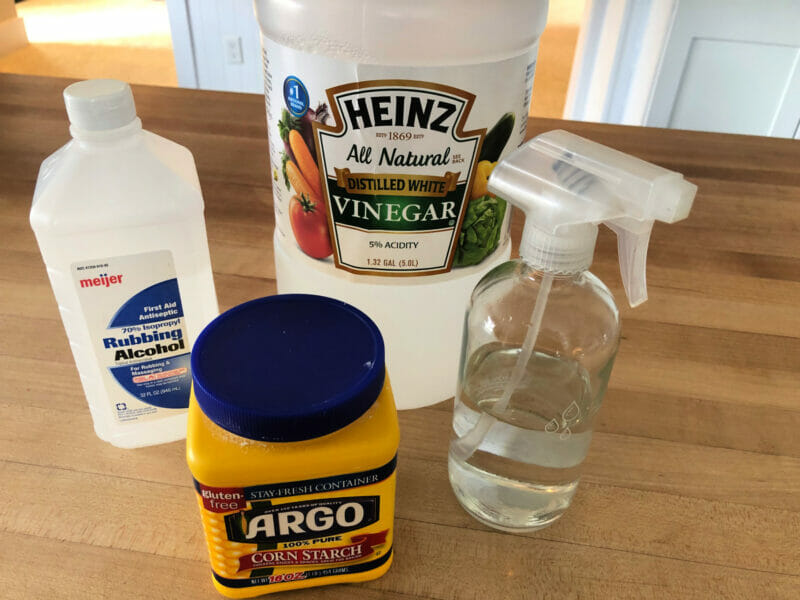
Nothing ruins the look of a bright, sunny room like streaky, smudged windows. Commercial cleaners promise shine but often leave behind chemical residue, strong fumes, and empty pockets. The good news? You can make an effective, streak-free window cleaner at home using simple household ingredients, no ammonia, no dyes, and no mystery chemicals. With just vinegar, alcohol, water, and a few basic tools, you’ll cut through grime, save money, and keep your home safer for kids and pets.
This guide walks you through the best homemade window cleaner recipes, step-by-step cleaning methods, essential tools, and pro tips to avoid streaks. Whether you’re tackling dusty interior panes or greasy exterior glass, you’ll learn exactly how to make window cleaner that works better than store-bought versions.
Choose the Right Formula for Your Windows
Not all windows are the same, and neither should your cleaner be. Match your formula to the job for the best results:
- Light dusting? Use a simple vinegar-water mix.
- Greasy fingerprints or stuck-on grime? Go for an alcohol-vinegar blend.
- Heavy buildup on outside windows? Add cornstarch for extra scrubbing power.
- Eco-sensitive household? Skip synthetic scents and use essential oils instead.
Each formula uses affordable, non-toxic ingredients that work with your glass, not against it.
Avoid Dangerous Chemical Mixes
Never mix bleach with vinegar or ammonia. These combinations release toxic chlorine or chloramine gas. Even reusing a spray bottle that once held bleach can be dangerous. Always:
- Wash bottles thoroughly before refilling.
- Label every bottle with contents and date.
- Store away from heat and flames, especially alcohol-based cleaners.
Safety first ensures your DIY cleaner stays effective and hazard-free.
Best Homemade Window Cleaner Recipes
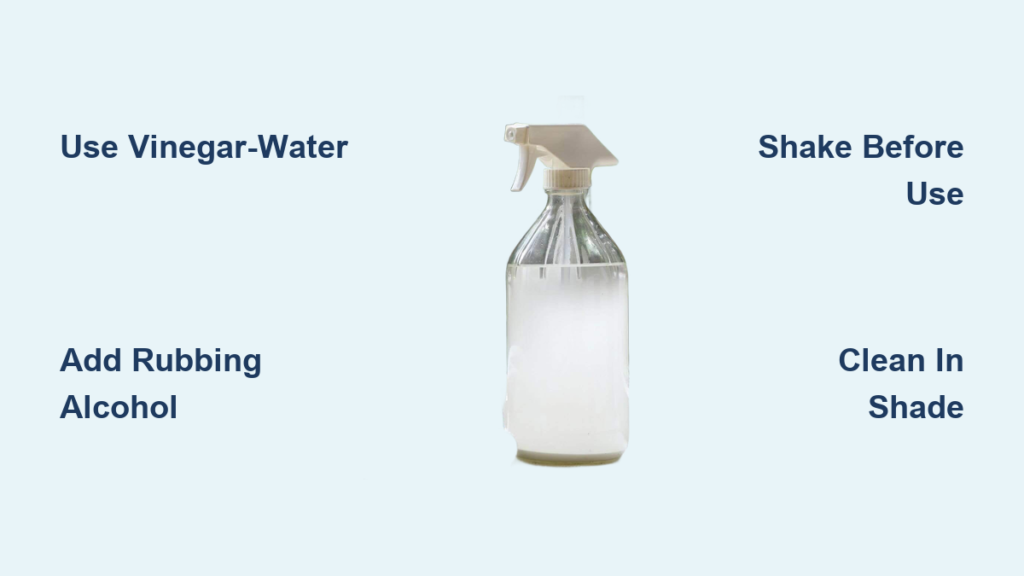
Simple Vinegar and Water Mix
This two-ingredient solution is perfect for light cleaning and fast touch-ups.
Ingredients:
– 1 part white vinegar
– 1–4 parts distilled water (use distilled to prevent mineral streaks)
How to make it:
Pour into a spray bottle with a funnel. Shake gently. Spray and wipe with a microfiber cloth using the “box + S” method explained later.
While effective, this mix may struggle with oily film. Boost it with a splash of rubbing alcohol for tougher jobs.
Alcohol-Vinegar Streak-Free Cleaner
This professional-grade formula dries fast and leaves zero streaks.
Ingredients:
– 1 cup rubbing alcohol (70%+ isopropyl)
– 1 cup distilled water
– 1 tbsp white vinegar
– Optional: 5–10 drops lemon or lavender essential oil for scent
How to make it:
Combine in a spray bottle. Shake lightly to mix.
Alcohol dissolves grease and evaporates quickly. Vinegar cuts through dirt. Together, they deliver a crystal-clear finish on mirrors, windows, and glass tables.
Heavy-Duty Cornstarch Cleaner
When grime won’t budge, this thickened formula adds gentle abrasion.
Ingredients:
– 2 cups distilled water
– ¼ cup rubbing alcohol
– ¼ cup white vinegar
– 1 tbsp cornstarch
How to make it:
Shake all ingredients in a spray bottle until blended. Shake vigorously before every use because cornstarch settles fast.
Cornstarch lifts sticky residue like tree sap or bug splatter without scratching. Perfect for spring cleaning or seasonal exterior maintenance.
Dish Soap Spray for Oily Surfaces
Use this for windows exposed to kitchen exhaust, smoke, or road grime.
Spray version:
– 2 cups lukewarm water
– ¼ cup white vinegar
– ½ tsp grease-cutting dish soap (like Dawn)
Bucket version (large jobs):
– Hot water (fill bucket)
– Few drops dish soap
Use minimal soap. Too much leaves residue. Always rinse thoroughly with clean water, especially outdoors.
Essential Tools for Perfect Results
Use the Right Applicators
Even the best cleaner fails with the wrong tools. Upgrade your kit:
- Spray bottles: Use new or thoroughly cleaned ones. Funnels prevent spills.
- Microfiber cloths: Trap dirt and stay lint-free. Never reuse until washed.
- Squeegee: Ideal for large panes. Pull in straight, overlapping strokes.
- Soft scrub brush: Attach to an extension pole for high exterior windows.
Avoid paper towels if they leave fibers. Skip newspaper because modern inks smudge and aren’t safe.
Prepare for Exterior Cleaning
Outdoor windows need more than a spray and wipe. You’ll need:
- Bucket for soapy water
- Hose with sprayer for rinsing
- Extension pole to reach high areas safely
Skip the ladder when possible. Work from the ground for safety and efficiency.
Step-by-Step Cleaning Methods
Interior: Spray, Soak, Wipe
Follow these steps for streak-free indoor windows:
-
Dry dust first
Wipe the glass with a dry microfiber cloth. Skipping this pushes dirt around in circles. -
Spray generously
Apply your cleaner until the surface is wet but not dripping. -
Let it sit 10–15 seconds
Dwell time loosens grime. Don’t rush this step. -
Wipe in a “Box + S” pattern
– First, wipe a box around the edges to capture drips.
– Then, make continuous S-shaped strokes from top to bottom.
This prevents missed spots and streaks from overlapping wipes. -
Polish dry
Flip to a dry section of the cloth or use a second dry microfiber to finish.
Exterior: Scrub and Rinse Immediately
Prevent soap streaks outdoors with this method:
-
Mix soapy water in a bucket
Use hot water and a few drops of dish soap. -
Scrub with a soft brush
Dip and scrub the entire pane. Let the solution sit briefly to break down grime. -
Rinse before it dries
Use a hose to rinse thoroughly. If soap dries, it leaves white streaks. -
Dry with a squeegee or microfiber
For best results, remove excess water quickly.
Work top to bottom. Rinse lower sections first to avoid dirty runoff on clean areas.
Minimalist Cloth-Only Method
For lightly dusty windows, this quick approach saves time:
- Dampen a microfiber cloth with water or a pre-sprayed cleaner.
- Wipe using the “box + S” technique.
- Flip and reuse dry areas.
This saves solution and time for daily maintenance.
Optimize for Streak-Free Shine

Clean in the Shade
Sunlight is the number one cause of streaks. Hot glass makes cleaner evaporate too fast, leaving residue. Always clean when:
- The sun isn’t hitting the window
- Glass is cool to the touch
- It’s cloudy or early morning/late afternoon
If the window feels warm, wait.
Shake Before Every Use
Especially with cornstarch or dish soap formulas, ingredients separate. A quick shake ensures even distribution and maximum cleaning power.
Use Clean Tools
Dirty cloths equal smeared windows. Wash microfiber rags weekly in hot water without fabric softener because it clogs fibers. Rinse scrub brushes after each use to remove grit.
Troubleshoot Common Problems
Why Are My Windows Streaky?
Fix the top causes with these solutions:
-
Cause: Cleaning in direct sun
Fix: Wait for shade or cooler time of day. -
Cause: Dirty or linty cloth
Fix: Switch to fresh microfiber. -
Cause: Soap residue
Fix: Use less soap and rinse thoroughly. -
Cause: Cornstarch not mixed
Fix: Shake the bottle hard before spraying.
How to Remove Film or Haze
A cloudy film often means mineral deposits or soap buildup.
Re-clean with pure vinegar-water mix (1:1). Wipe, then rinse with distilled water if possible. Dry immediately.
Eliminate Lingering Odors
Vinegar smell fades in minutes as it dries. If you’re sensitive:
- Add 5 drops of lemon essential oil per cup of solution.
- Or, use citric acid instead of vinegar (1 tsp per cup of water).
The scent disappears with evaporation, so no artificial perfumes are needed.
Storage and Maintenance Tips
Keep It Fresh and Labeled
Homemade cleaners don’t go bad quickly, but proper storage matters:
- Label every bottle with ingredients and date.
- Store in a cool, dark place. Sunlight degrades vinegar over time.
- Keep away from children and pets because alcohol is toxic if ingested.
Shelf life reaches up to 6 months for alcohol-vinegar mixes. Cornstarch formulas last 1–2 months (shake before use).
Wash and Reuse Tools
- Microfiber cloths: Machine wash in hot water. Air dry or low heat.
- Scrub brushes: Rinse after use. Soak in vinegar water monthly to remove buildup.
- Spray bottles: Disassemble and clean with soapy water every few weeks.
Clean tools equal clean windows.
Special Use Cases
Clean Car Windows Safely
Use the alcohol-vinegar-water formula (no ammonia) to avoid damaging tinted windows. It removes road film and prevents fogging.
Shine Shower Doors and Mirrors
Vinegar cuts through soap scum and hard water stains. Spray, wait, wipe with “box + S” motion. No streaks, no chemicals.
Allergy-Friendly Cleaning
Skip fragrances entirely or use pure essential oils. Homemade cleaners eliminate ammonia and synthetic dyes, making them ideal for asthma or sensitivity sufferers.
Eco-Friendly Advantage
You’re not just saving money. You’re reducing plastic waste and chemical runoff. One spray bottle reused for years cuts down on single-use plastics. All ingredients are biodegradable.
Why Homemade Beats Commercial

| Feature | Homemade | Commercial (e.g., Windex) |
|---|---|---|
| Cost per bottle | ~$0.50 | $4.00+ |
| Toxicity | Low (non-toxic ingredients) | Moderate (ammonia, VOCs) |
| Streak prevention | Better (fast-drying alcohol) | Variable (can leave residue) |
| Customization | Full control over scent and strength | Fixed formula |
| Environmental impact | Minimal | High (plastic, chemicals) |
You get more cleaner, better results, and peace of mind.
Frequently Asked Questions About Homemade Window Cleaner
What is the best homemade window cleaner recipe for streak-free results?
The alcohol-vinegar-water formula (1 cup rubbing alcohol, 1 cup distilled water, 1 tbsp white vinegar) delivers the most streak-free finish. Alcohol evaporates quickly while vinegar cuts through grime, leaving glass crystal clear.
Can I use tap water instead of distilled water in homemade window cleaner?
Distilled water is preferred because tap water contains minerals that can leave streaks or spots on glass. If distilled water isn’t available, filtered water works better than straight tap water for visible clarity.
How long does homemade window cleaner last?
Alcohol-vinegar mixtures stay effective for up to 6 months when stored properly. Cornstarch formulas only last 1–2 months and require vigorous shaking before each use because the starch settles over time.
Is vinegar safe for all types of windows?
Vinegar is safe for standard glass, mirrors, and tinted car windows. However, avoid using vinegar on natural stone surfaces like marble or granite window sills because the acid can etch and damage the stone.
Can I add essential oils to my homemade window cleaner?
Yes, adding 5–10 drops of lemon, lavender, or other essential oils per cup of solution provides a pleasant scent without compromising cleaning power. The fragrance fades quickly as the solution dries.
How do I prevent streaks when cleaning windows?
Clean in the shade when glass is cool to the touch, use clean microfiber cloths, and wipe in a “box + S” pattern. Avoid paper towels that leave lint and never clean in direct sunlight because rapid evaporation causes streaking.
Key Takeaways for Making Window Cleaner at Home
Making your own window cleaner is simple, safe, and effective. Start with the alcohol-vinegar formula for best all-around results on interior and exterior glass alike. Clean in the shade, use fresh microfiber cloths, and wipe in an “S” pattern to avoid streaks. Label your bottles, store them away from heat, and keep them out of reach of children and pets.
Your next step: Mix a batch of the alcohol-vinegar cleaner today, grab a clean microfiber cloth, and tackle one window using the “box + S” method. Once you see the streak-free shine, you’ll never go back to store-bought cleaners.