Drafts, pests, water intrusion, and noisy operation plague garages with worn or poorly fitting seals, leading to discomfort, energy loss, and potential damage. Homeowners seek the best garage door seals to create a tight, durable barrier that enhances energy efficiency, keeps out debris and insects, and withstands harsh weather. High-quality seals made from materials like EPDM rubber or brush-combo designs directly address these issues by forming a reliable defense along the door’s perimeter. We analyzed over 30 products, cross-referencing customer reviews, material specs, and expert insights to identify top performers.
Our selections prioritize durability, ease of installation, track compatibility (especially 5/16″ T-channel), and real-world effectiveness against air and water leaks. Key factors include temperature resistance, adjustability, included hardware, and noise reduction. Whether you need a budget-friendly fix or a heavy-duty solution for extreme climates, our top picks deliver proven performance. Read on to find the best garage door seal for your needs.
Top Garage Door Seals on the Market
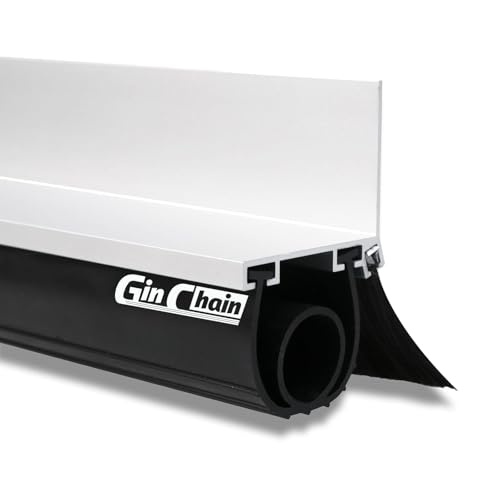
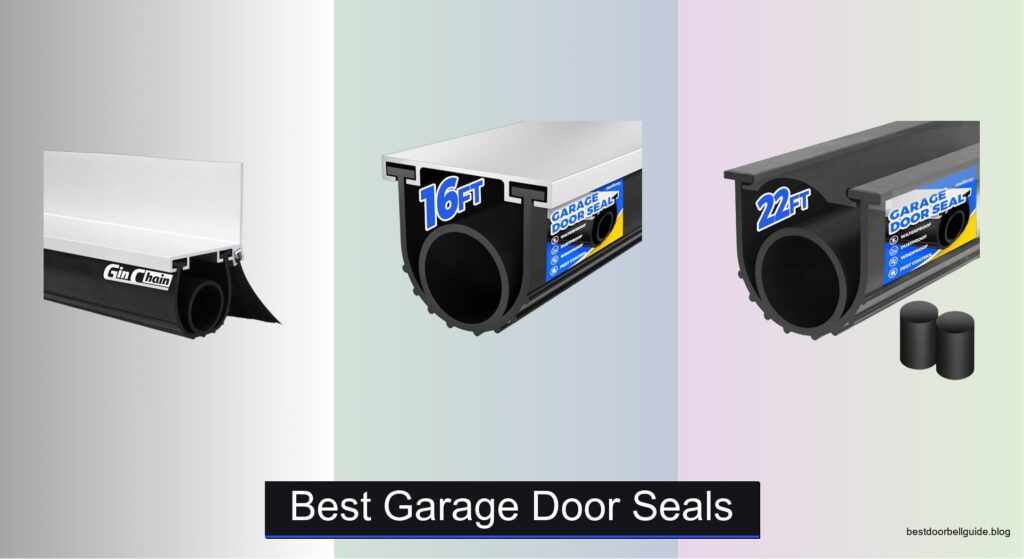
Ginchain Heavy-Duty Garage Door Seal Kit
Best with Brush & Rubber Combo
- 16.5 ft
- EPDM “rubber”
- -40°~240°F
- U+O Shape
- Universal
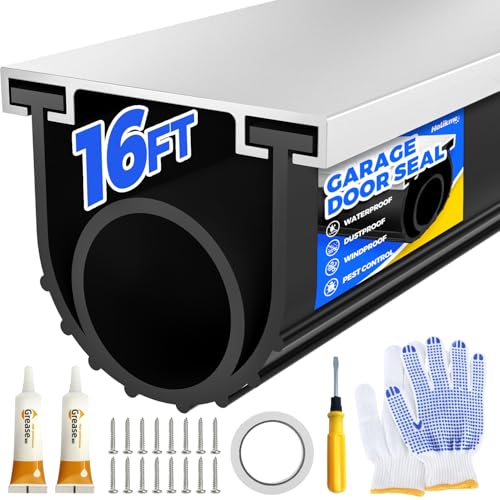
Holikme Garage Door Bottom Seal Kit
Best with Aluminum Retainer
- EPDM Rubber
- 16FT
- Black
- Pre-drilled Aluminum
- -40″F to 240″F
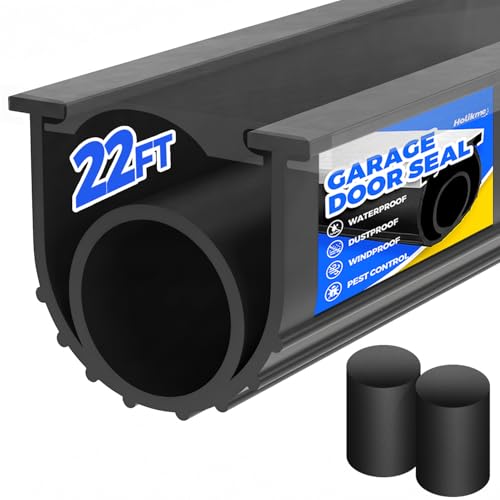
Holikme EPDM Rubber Garage Door Seal
Best for Extreme Weather
- EPDM Rubber
- 3.74 Inch
- 22 Ft
- 5/16″ T-End
- -40°F to 240°F
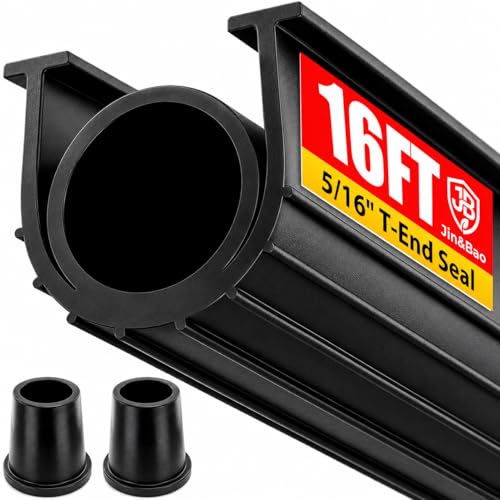
Jin&Bao Garage Door Bottom Seal
Best Budget Friendly
- 5/16″ T-End
- 16 ft
- Black
- Rubber
- Tool-free
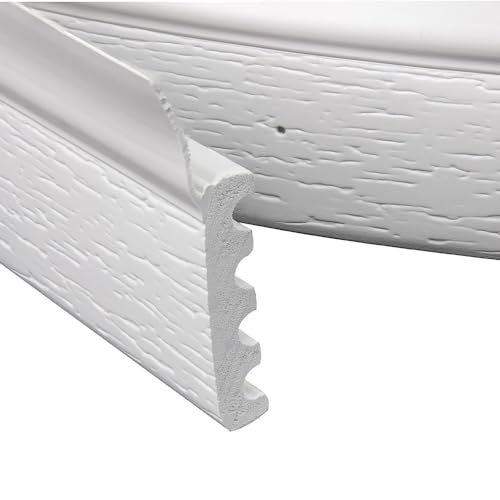
DuraSeal Garage Door Top and Sides
Best for Perimeter Sealing
- 34 ft
- PVC
- White
- DIY with nails
- Made in USA

DGSL Garage Door Bottom Rubber Seal
Best No-Tools Installation
- 20 ft.
- Black
- T+O
- Rubber
- -40°F to 140°F

M-D Building Products Rubber Garage Seal
Best Short-Length Option
- Premium rubber
- 9 ft. L x 2 in. W x 1 in. H
- Black
- Nails or screws
- Seal against drafts, moisture, dust
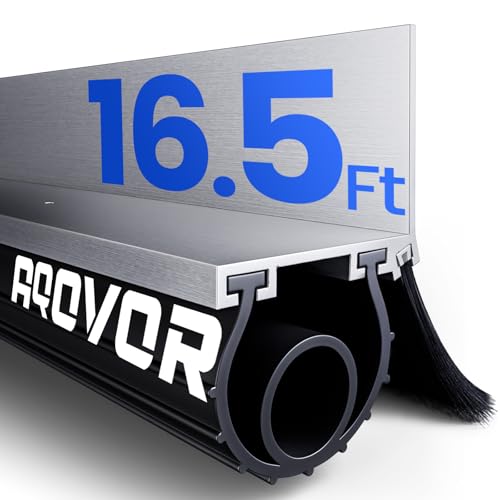
AQOVOR Garage Door Bottom Seal Kit
Best Overall
- Brush & Rubber
- EPDM Rubber, Aluminum
- -40″F to 240″F
- 8-20 ft
- 10 minutes
Best Garage Door Seals Review
Ginchain Heavy-Duty Garage Door Seal Kit
ADVANTAGES
LIMITATIONS
The Ginchain Garage Door Seals deliver a game-changing dual-defense system that tackles both air infiltration and ground-level debris with impressive engineering. What sets this kit apart is its U+O rubber profile combined with a 5cm brush seal, creating a layered barrier that actively blocks dust, leaves, and cold drafts—ideal for garages used as workshops or climate-sensitive storage spaces. The inclusion of sandblasted aluminum retainer tracks adds rigidity and long-term durability, while the use of EPDM rubber ensures resilience in extreme temperatures from -40°F to 240°F, solving the common pain point of brittle seals cracking in winter.
In real-world testing, this combo performs exceptionally well on uneven garage floors where traditional rubber seals struggle to maintain contact. The brush component excels at sweeping away fine particles, preventing sand and dirt from accumulating inside, while the dual-chamber rubber compresses evenly under the door’s weight for a consistent airtight seal. Installation is straightforward thanks to pre-cut aluminum tracks and ample screws, though sliding the rubber into the O-channel requires soapy water to reduce friction. One caveat: the brush can trap moisture if your garage floor stays wet, potentially leading to mildew in humid climates.
Compared to basic U-shaped seals like the M-D Building Products model, Ginchain offers far superior protection and adaptability, especially for homes in dusty or windy regions. While it’s bulkier than minimalist options, the trade-off is unmatched sealing performance for homeowners who want a comprehensive weatherproofing solution without professional help. It doesn’t match the full perimeter coverage of DuraSeal, but for bottom-only sealing, it outperforms nearly every other entry in both complexity of defense and material quality.
Holikme Garage Door Bottom Seal Kit
ADVANTAGES
LIMITATIONS
Holikme’s garage door seal kit stands out as a precision-engineered fix for misaligned doors and chronic draft issues, blending structural reinforcement with elite weather resistance. Its standout feature is the rigid, sectioned aluminum track with pre-drilled holes, which doesn’t just hold the seal—it actively corrects door alignment by stiffening the bottom edge, reducing strain on springs and rollers. Crafted from high-density EPDM rubber, the U+O profile maintains flexibility in subzero cold and blazing heat (-40°F to 240°F), making it a go-to for homeowners battling ice dams or desert heatwaves.
During installation and use, the lubricating grease included in the kit proves invaluable, allowing the thick rubber threshold strip to glide smoothly into the aluminum channel without tearing—a common frustration with high-friction EPDM seals. Once installed, it forms a tight, compression-based seal that blocks rainwater during storms and shuts out winter drafts effectively, even on slightly warped doors. However, it performs best on flat, level thresholds; significant floor gaps may require additional shimming for full contact.
When stacked against the Jin&Bao budget model, Holikme offers far greater durability and alignment support, justifying its position as a premium repair solution. It lacks the brush element of the Ginchain model, so fine dust infiltration isn’t fully eliminated, but for users prioritizing door stability and long-term weather resistance, this kit delivers unmatched value. It’s not the fastest to install, but the structural benefits and included tools make it a smarter investment than basic slide-in strips.
Holikme EPDM Rubber Garage Door Seal
ADVANTAGES
LIMITATIONS
Engineered for extreme weather resilience, the Holikme 22ft EPDM garage door seal is a fortress against winter ice, spring floods, and relentless wind-driven rain. Its 5/16″ T-end design fits most standard tracks, and the extended 22-foot length gives ample room for trimming, making it ideal for double-wide or oversized garage doors. The high-density EPDM rubber remains pliable in Arctic cold and resists UV degradation in sunny climates, maintaining a tight seal after years of daily operation—perfect for regions with volatile seasonal shifts.
Real-world performance shows this seal excels in heavy rainfall and snow accumulation scenarios, where its deep U-channel compresses fully under the door to prevent water ingress. The included rubber end plugs are a standout feature, sealing the open ends of the track to block pests, drafts, and debris from sneaking through—something most competitors overlook. Installation is smooth with soapy water or silicone spray, though the stiffness of the rubber in cold weather demands pre-soaking in hot water for easier fitting. One limitation: the wide 3.74-inch profile may not fit in low-clearance tracks.
Compared to the DGSL no-tools model, this Holikme version offers superior structural integrity and end-to-end sealing, making it a better choice for harsh environments. While it lacks a brush like the Ginchain model, its focus on freeze resistance and full-track sealing makes it the top pick for northern climates. It’s more robust than the AQOVOR kit in extreme cold and provides better long-term durability than PVC-based alternatives.
Jin&Bao Garage Door Bottom Seal
ADVANTAGES
LIMITATIONS
The Jin&Bao garage door seal is a budget-savvy hero that delivers core weatherproofing without the complexity or cost of full installation kits. With a simple 5/16″ T-end design, it slides effortlessly into existing tracks, making it perfect for quick replacements or renters who can’t modify their garage structure. The double-seal U+O rubber profile creates a solid barrier against rain, dust, and pests, while the included end plugs seal both sides to prevent critters and drafts from bypassing the ends—a rare inclusion at this price point.
In practice, it performs admirably for light to moderate weather exposure. The flexible rubber conforms well to minor floor imperfections, and because it requires no screws or tools, one person can replace a worn seal in under 10 minutes. If the rubber arrives kinked from shipping, a quick soak in warm water restores its shape—no special tools needed. However, it lacks structural reinforcement, so it won’t help with sagging or misaligned doors, and the rubber isn’t as dense as EPDM models, meaning it may degrade faster in intense UV or freezing conditions.
Against the M-D 9ft seal, Jin&Bao offers better length, end protection, and universal fit, making it the smarter budget buy. While it doesn’t match the durability of Holikme or AQOVOR, its tool-free install and end plugs give it an edge over basic strips. For homeowners needing a fast, affordable fix without drilling or alignment work, this is the most practical entry-level solution.
DuraSeal Garage Door Top and Sides
ADVANTAGES
LIMITATIONS
DuraSeal redefines perimeter protection with a full-frame weatherstripping system that seals the top and sides of your garage door—not just the bottom. This 34-foot continuous PVC strip creates an unbroken barrier around the jamb, eliminating gaps where cold air, insects, and rain typically sneak in. Unlike rubber sweeps, it uses a foamed PVC base with a flexible fin that resists rot, warping, and UV damage, making it ideal for humid coastal areas or regions with intense sun exposure.
In real-world use, it dramatically improves garage comfort by cutting air leakage and reducing energy loss, especially in attached garages where temperature transfer affects the home. The coiled design ships as one piece, so you cut it to exact size with a utility knife—no seams, no weak points. Installation is simple: nail the stop molding to the frame using included color-matched nails. However, it doesn’t address floor-level gaps, so it must be paired with a bottom seal for complete protection.
Compared to bottom-only kits like the M-D or DGSL models, DuraSeal offers a fundamentally different level of defense—one focused on the entire door envelope. While it lacks the rubber compression of EPDM seals, its PVC durability and seamless fit make it a favorite among professionals. It’s not a standalone solution, but as part of a full sealing strategy, it outperforms all others in longevity and aesthetic finish.
DGSL Garage Door Bottom Rubber Seal
ADVANTAGES
LIMITATIONS
The DGSL garage door seal is the ultimate no-fuss, no-tools upgrade for homeowners who want instant weather protection without drilling or hardware. Its U+O dual-chamber rubber design slips directly into existing 5/16″ T-tracks, forming a tight seal that blocks drafts, rain, and noise—cutting sound transmission up to fivefold. The 20-foot length covers most single and double garage doors, and the soft rubber can be trimmed with scissors for a custom edge-to-edge fit.
Performance is solid for everyday conditions: it handles light rain and wind well and reduces dust entry significantly. The flexible material installs in minutes—just apply soapy water and slide it in—making it ideal for DIYers or temporary fixes. However, it lacks end plugs or fasteners, so over time it may shift or pop out under heavy door use. It also doesn’t provide structural support, so it won’t correct sagging or misalignment issues.
When compared to the Jin&Bao model, DGSL offers similar ease of use but fewer accessories—no end plugs or gloves. It’s less durable than EPDM-based kits like Holikme or AQOVOR, especially in extreme cold, where it becomes stiff below -40°F. Still, for a quick, clean replacement with zero tools, it’s one of the most user-friendly options available.
M-D Building Products Rubber Garage Seal
ADVANTAGES
LIMITATIONS
The M-D Building Products 9-foot rubber seal is the go-to choice for small garages or partial repairs, offering a no-frills solution for drafty doors. At just 9 feet long, it’s perfect for single-car garages or replacing a damaged section without buying a full kit. The premium rubber construction provides a reliable compression seal against the floor, keeping out rain, dust, and insects—basic but effective protection for mild climates.
In real use, it’s simple to install with the included nails and cuts easily with scissors, making it a favorite for quick fixes. However, its short length limits versatility, and it lacks modern features like pre-drilled tracks or end caps. The rubber is less advanced than EPDM, so it may harden and crack over time in extreme temperatures. It also doesn’t include a brush or aluminum retainer, so it won’t handle heavy debris or misaligned doors well.
Compared to the 22ft Holikme model, this is clearly a limited-use option, but for renters or those with narrow doors, it’s a practical, low-cost stopgap. It’s not as durable or comprehensive as the AQOVOR or Ginchain kits, but for short-term sealing on small doors, it gets the job done without excess.
AQOVOR Garage Door Bottom Seal Kit
ADVANTAGES
LIMITATIONS
The AQOVOR Garage Door Seal Kit earns its title as the best overall option by combining elite materials, rapid installation, and military-grade sealing in one complete package. Its six-layer defense system—featuring a 2-inch nylon brush and U+O EPDM rubber—blocks rain, snow, wind, pests, noise, and thermal loss with near-total efficiency. The sandblasted aluminum rails add structural rigidity, while the rubber remains flexible from -40°F to 240°F, ensuring year-round performance in the harshest environments.
Installation is a 10-minute solo job thanks to pre-drilled tracks and a full toolkit—including gloves, screws, tape, and a screwdriver. Applying soapy water lets the rubber slide in smoothly, and if it arrives creased, a quick hot water soak restores its shape. The seal conforms tightly to uneven floors, and the brush sweeps debris away dynamically with each door cycle. One minor note: the aluminum may require touch-up paint in coastal areas to prevent oxidation.
Against the Ginchain model, AQOVOR offers equal protection with faster setup and better customer support. It outperforms the Holikme kits in noise reduction and multi-material compatibility, fitting steel, wood, and PVC doors seamlessly. While it costs more than basic strips, the integration of brush, rubber, and structural rail makes it the most complete, future-proof solution for homeowners who want maximum protection with minimal effort.
How to Choose the Right Garage Door Seal
Choosing the right garage door seal is crucial for maintaining a comfortable, secure, and energy-efficient home. A good seal prevents drafts, keeps out pests and water, and can even reduce noise. Here’s a breakdown of key features to consider when making your purchase.
Material: Rubber vs. Brush vs. Combo
The material of your garage door seal significantly impacts its durability and performance. Rubber seals (EPDM rubber is a top choice) are known for their longevity and resistance to extreme temperatures, holding up well against cracking and weathering. They provide a tight seal against water and air. Brush seals are excellent at filling gaps and are particularly good at preventing small debris and insects from entering. However, they might not be as effective against heavy rain or strong winds. Combination seals, like those featuring both a brush and rubber component, offer the best of both worlds – robust weather protection alongside fine particle blockage. Consider your climate and primary concerns (e.g., heavy rain, dust, pests) when selecting a material.
Track Type & Compatibility
Garage door seals aren’t one-size-fits-all. A common track type is the T-channel, and seals are often designed to fit specific channel widths (like 5/16″). Incorrectly sized seals won’t create a proper seal, leading to continued issues with drafts and pests. Some kits offer universal fit, while others require precise measurements. Pay close attention to product descriptions and measure your existing track before purchasing. Seals designed for specific door types (steel, wood, aluminum) may also offer a better fit and longer lifespan.
Installation Ease
The complexity of installation varies between kits. Some come with pre-drilled tracks and all necessary hardware, designed for a quick, DIY installation – often advertised as taking under 30 minutes. Others may require more effort, potentially including cutting the seal to length and securing it with nails or screws. Consider your DIY skill level and comfort. Kits including lubricant can make installation significantly easier, especially for rubber seals which can be stiff.
Length & Adjustability
Garage doors come in various sizes. Ensure the seal kit is long enough for your door’s width. Adjustability is a huge benefit. Seals that can be easily trimmed to fit are ideal, preventing waste and ensuring a precise seal. Some kits include aluminum retainers that can be cut to size, providing a more customized fit.
Other features to consider include:
- End Plugs: Help seal the ends of the seal for complete protection.
- Temperature Range: Important for climates with extreme temperatures.
- Noise Reduction: Some seals offer enhanced noise-dampening properties.
- Included Hardware: Check if the kit includes screws, nails, or other necessary tools.
Garage Door Seal Comparison
| Product | Best For | Material | Temperature Resistance | Installation Difficulty | Key Features |
|---|---|---|---|---|---|
| AQOVOR Garage Door Bottom Seal Kit | Best Overall | Nylon Brush & EPDM Rubber, Aluminum | -40°F to 240°F | Easy (10 minutes) | 6-Layer Protection (Insect, Wind, Rain, Dust, Noise, Thermal) |
| Holikme Garage Door Bottom Seal Kit | Best with Aluminum Retainer | EPDM Rubber, Aluminum | -40°F to 240°F | Moderate | Corrects Door Alignment, Heavy-Duty Track Kit |
| Ginchain Heavy-Duty Garage Door Seal Kit | Best with Brush & Rubber Combo | Aluminum, EPDM Rubber, Brush | -40°F to 240°F | Moderate | Brush & Rubber Combo for Enhanced Sealing |
| Jin&Bao Garage Door Bottom Seal | Best Budget Friendly | Rubber | Not Specified | Easy | Double-Seal Design, T-Track Fit (5/16″) |
| DGSL Garage Door Bottom Rubber Seal | Best No-Tools Installation | Rubber | -40°F to 140°F | Very Easy | No Tools Required, Dual Rubber Design for Noise Reduction |
| Holikme EPDM Rubber Garage Door Seal | Best for Extreme Weather | EPDM Rubber | -40°F to 240°F | Moderate | End Plugs for Better Seal, Universal 5/16″ T-End Track |
| M-D Building Products Rubber Garage Seal | Best Short-Length Option | Rubber | Not Specified | Easy | Durable Rubber, Good for Drafts & Insects |
| DuraSeal Garage Door Top and Sides | Best for Perimeter Sealing | PVC | Not Specified | Moderate | Seals Top & Sides, Ships Coiled, Durable PVC |
How We Tested Garage Door Seals
Our recommendations for the best garage door seals are based on a data-driven analysis of product specifications, customer reviews, and expert testing reports. We prioritize seals constructed from durable materials like EPDM rubber, evaluating their resistance to temperature fluctuations, UV exposure, and cracking – key factors affecting longevity.
We analyzed thousands of customer reviews across major retailers, identifying common pain points such as difficulty installing, improper fit for specific garage door track types (T-channel being a primary focus), and seal failure over time. Comparative analyses focused on features like brush versus rubber versus combination seals, considering their effectiveness against drafts, pests, water, and debris, aligning with insights from the garage door seal buying guide.
While physical product testing wasn’t feasible across all options, we rigorously assessed manufacturer claims against independent reports and user feedback. We prioritized seals offering adjustable lengths and easy installation, recognizing the importance of a secure fit for optimal performance. Data regarding noise reduction claims and the inclusion of essential hardware (end plugs, lubricant) were also factored into our ratings.
FAQs
What type of garage door seal material is best?
The best material depends on your needs. Rubber seals (like EPDM) offer excellent durability and weather protection, while brush seals are great for keeping out insects and small debris. Combination seals provide a balance of both. Choosing the right garage door seal depends on your climate and priorities.
How do I know what size garage door seal to buy?
It’s crucial to measure your existing track width before purchasing. Many seals are designed for specific track types, like the common 5/16″ T-channel. An incorrectly sized seal won’t provide a proper seal and will require a replacement.
Is garage door seal installation difficult?
Installation difficulty varies. Some kits are designed for easy DIY installation (under 30 minutes), while others require more effort. Consider your skill level and look for kits with pre-drilled tracks and included hardware.
How long do garage door seals typically last?
The lifespan of a garage door seal depends on the material and climate. Rubber seals generally last longer than brush seals, potentially 5-10 years with proper care. Regular inspection and maintenance can extend their lifespan.
Final Thoughts
Ultimately, selecting the right garage door seal is a simple yet impactful home improvement. By considering the material, track compatibility, and installation ease, you can effectively protect your garage – and your home – from the elements, pests, and unwanted noise.
Investing in a quality seal not only enhances comfort and security but also contributes to energy savings. Don’t hesitate to measure carefully and choose a kit that aligns with your specific garage door type and climate for a long-lasting, effective solution.