You mounted a window feeder, filled it with seed, and waited. Days passed without a single visitor. This experience is frustratingly common. Most new window feeder owners underestimate how long birds take to discover and trust a new food source. The delay is not a sign of failure. It reflects natural bird behavior rooted in survival instincts.
Birds prioritize safety, consistency, and high-value food over convenience. Once you understand these priorities, your silent window can transform into a front-row seat for chickadees, cardinals, finches, and woodpeckers. This guide walks you through placement, food selection, attraction techniques, and maintenance. Every strategy is grounded in real bird behavior and field-tested methods.
Choose the Best Window Location for Bird Activity
Face South or East for Optimal Morning Light
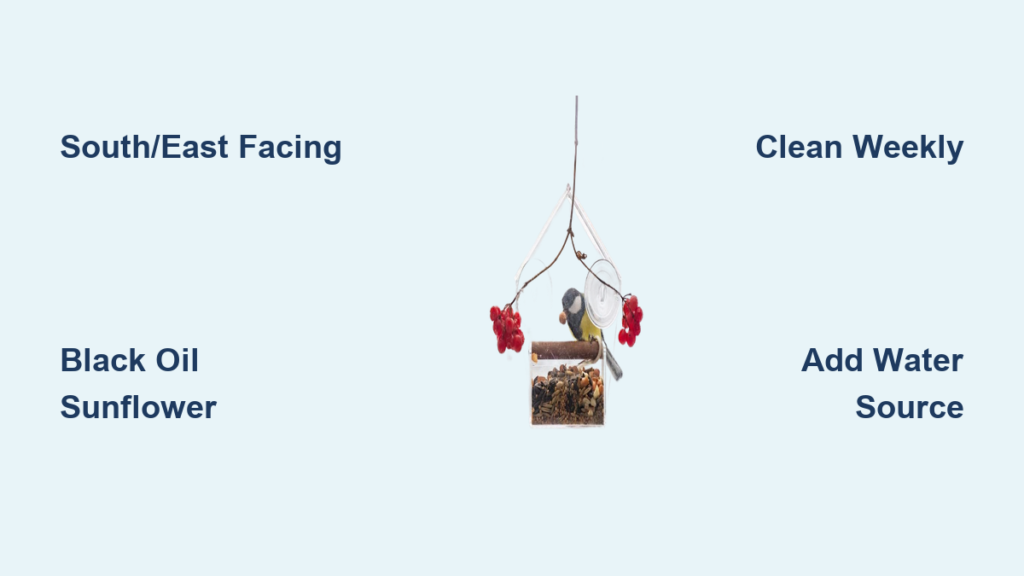
Birds feed most actively at dawn. A south- or east-facing window receives gentle morning light that makes your feeder visible without harsh glare. West- and north-facing windows often create blinding reflections or deep shadows during peak feeding hours, causing birds to avoid the area.
Position Near Natural Cover Within 10 Feet
Birds need escape routes from aerial predators like hawks. Place your feeder within 5 to 10 feet of trees, shrubs, or bushes. These act as staging zones where birds perch before approaching. If your yard lacks greenery, add a brush pile or potted native shrubs nearby to create instant shelter.
Select a Quiet Room Away from Heavy Traffic
Constant indoor movement scares birds. Choose a low-activity room such as a sunroom, home office, or spare bedroom. Avoid placing feeders near slamming doors, loud appliances, or busy hallways. Once birds establish a routine, occasional movement will not deter them.
Prevent Window Collisions with Simple Safety Measures
Apply Decals or UV-Reflective Tape
Even close-mounted feeders pose collision risks if birds get startled. Apply window decals, anti-collision stickers, or UV-reflective tape in tight clusters across the glass. Space them no more than 4 inches apart to break up reflections and signal a barrier.
Mount Within 3 Feet of Glass for Crash Safety
Window feeders are safest when mounted within 3 feet of the glass. This “crash-safe zone” limits flight speed if a bird flushes suddenly, reducing injury risk. Feeders placed more than 30 feet away are also safe but defeat the close-up viewing purpose of window feeders.
Reduce Reflections with Screens or Curtains
Reflective glass can trick birds into thinking the window is open sky. Hang external mesh screens, close blinds partially, or use sheer curtains to diffuse reflections. Avoid shiny window films that can worsen the problem.
Select High-Value Bird Foods That Actually Work
Start with Black Oil Sunflower Seeds
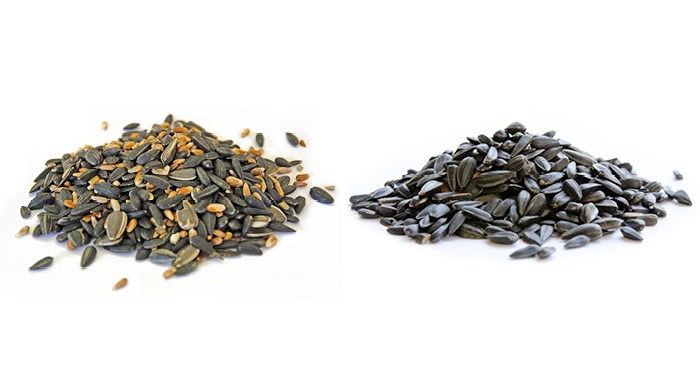
Black oil sunflower seeds are the top choice for attracting the widest variety of species. Their thin shells and high fat content appeal to chickadees, cardinals, finches, and sparrows. Fill your feeder exclusively with these at first. Avoid cheap filler mixes containing milo, cracked corn, or wheat that most birds toss aside.
Add Suet Pellets in Cold Weather
Suet pellets provide high-energy fat that woodpeckers, nuthatches, and chickadees need during fall and winter. Choose no-melt suet for warmer months or keep the feeder shaded. Suet is especially effective when natural insect prey is scarce.
Offer Nyjer Seed for Finches
Goldfinches and house finches prefer nyjer (thistle) seed. Use a feeder with small ports designed for these tiny seeds. Nyjer is expensive but highly effective. Store it in a cool, dry place to prevent spoilage.
Never Use Moldy or Damp Seed
Old, damp, or clumped seed can harbor bacteria and fungi that sicken birds. Always inspect seed before refilling. Discard anything that smells musty or looks discolored. Mold can be fatal to birds.
Install Your Window Feeder for Maximum Stability
Clean Both Glass and Suction Cups Thoroughly
A weak seal causes feeders to fall. Before mounting, wash the window and suction cups with soapy water. Rinse and dry completely. Any grease, dust, or residue breaks the vacuum seal.
Moisten Cups and Press Out All Air Bubbles
Lightly dampen the suction cups before attaching. Press the feeder firmly against warm glass. Sunlight helps soften the rubber cups for a better grip. Push out all air bubbles by pressing from the center outward. A secure seal can last months.
Check Stability Weekly and After Weather Changes
Inspect the feeder every week, especially after cold snaps, heavy rain, or strong winds. Re-seat it immediately if it loosens. Use safety tethers if your model includes them to prevent dangerous drops.
Follow a 4-Week Attraction Plan That Delivers Results
Week 1: Be Patient and Keep the Feeder Full
Birds may ignore the feeder for 7 to 14 days. Do not remove it. Keep it filled with fresh seed and clean. Birds are watching from nearby cover, assessing whether the location is safe. Your consistency builds their trust over time.
Week 2: Create a Breadcrumb Trail on the Sill
Scatter seed on the windowsill or ledge directly below the feeder. Ground-foraging birds will notice the new food source. Once they eat there, gradually move the scattered seed closer to the feeder entrance each day.
Week 3: Lure Birds with a Moved Feeder
If you have an existing yard feeder, temporarily move it closer to the window for several days. Once birds find it, shift the food into the window feeder. Seeing other birds feed lowers hesitation in shy species.
Week 4: Add Moving Water for Extra Appeal
Place a shallow birdbath or dish with fresh water near the window. Moving water from a small bubbler or dripper is irresistible to birds. They arrive to drink, notice the feeder, and often stay to eat.
Maintain Cleanliness to Keep Birds Healthy
Clean Every 1–2 Weeks as a Baseline
Dirty feeders spread diseases like salmonella and conjunctivitis. Remove the feeder weekly in warm weather and biweekly in cooler months. Wash with warm water, mild soap, or a 10% vinegar solution. Use a dedicated brush to scrub corners and crevices.
Rinse Thoroughly and Air-Dry Completely
After washing, rinse away all soap residue. Let the feeder air-dry fully before refilling. Moisture causes seed to clump and mold quickly.
Empty Old Seed Before Refilling
Never top off old seed. Dump remaining food, clean the tray, and add fresh seed. Old seed at the bottom can harbor bacteria even when the top layer looks fine.
Troubleshoot Common Window Feeder Problems
No Birds After 3 Weeks
Switch to black oil sunflower seeds if using a mix. Move the feeder closer to shrubs or add a temporary branch nearby. Scatter seed on the sill to draw attention. Ensure no indoor glare or movement occurs during peak hours from 6 to 9 AM.
Birds Land but Flee Quickly
You may be too visible. Close curtains on unused sides of the window. Sit quietly away from the glass and use binoculars. Birds stay longer when they feel unseen.
Feeder Keeps Falling Off
Re-mount on a warm, sunny day when rubber cups are flexible. Clean both surfaces, moisten the cups, and press firmly. Avoid cold mornings when suction cups become stiff. Consider a model with a safety cord.
Mold Appears in the Feeder
Increase cleaning frequency to every 3 to 4 days in humid or rainy weather. Use a feeder with a roof to block rain. Store unused seed in an airtight container to prevent moisture absorption.
Attract Specific Bird Species with Targeted Foods

Chickadees and Titmice
These bold birds love sunflower seeds and suet. They are often the first to discover new feeders. Their fearless behavior encourages shyer species to investigate.
Cardinals and Finches
Cardinals prefer larger perches and open trays. Use black oil sunflower seeds or nyjer. Mount the feeder lower with cover nearby for best results.
Woodpeckers and Nuthatches
Offer suet pellets or chunks in a mesh or caged feeder attached to the window unit. These birds cling rather than perch, so vertical feeding surfaces work best.
Robins and Bluebirds
Robins rarely use hanging seed feeders. Offer mealworms or suet on a flat tray. They prefer ground-level or platform feeding stations.
Hummingbirds
Use a small nectar feeder with red flower ports. Fill with a 4:1 water-to-sugar mix. Never add red dye. Clean every 2 to 3 days in summer to prevent fermentation.
Keep Birds Safe from Common Hazards

Prevent Disease Transmission
Wash your hands after handling feeders. Wear gloves during cleaning. If you notice sick birds with crusty eyes or fluffed feathers, take down the feeder for 2 weeks and disinfect it thoroughly.
Protect Birds from Indoor Cats
Even indoor cats stress birds through the glass. Place decals on the window to make it visible. Keep cats away from the room during peak feeding times.
Offer Fresh Water Year-Round
In winter, use a heated birdbath or bubbler to keep water ice-free. In summer, change water daily to prevent mosquito breeding and algae growth.
Frequently Asked Questions About Window Bird Feeders
How long does it take for birds to find a window feeder?
Most birds discover a new window feeder within 7 to 14 days. In areas with abundant natural food, the process can take up to 4 weeks. Consistency and patience are essential during this period.
What is the best bird seed for window feeders?
Black oil sunflower seeds attract the widest variety of species, including chickadees, cardinals, and finches. Nyjer seed works best for goldfinches, while suet pellets attract woodpeckers and nuthatches in cold weather.
Are window feeders safe for birds?
Window feeders are safe when mounted within 3 feet of the glass. This close range limits flight speed and reduces injury risk if a bird flushes suddenly. Adding decals or UV tape further prevents collisions.
Why are birds not coming to my window feeder?
Common reasons include wrong food type, lack of nearby cover, indoor movement, window reflections, or simply not enough time. Switch to black oil sunflower seeds, add shrubs nearby, reduce indoor activity, and wait at least 3 weeks.
Can squirrels get to window feeders?
True window feeders mounted directly on glass are generally safe from squirrels because there are no jumping-off points. Unlike pole or hanging feeders, squirrels cannot reach them without climbing the wall and jumping to the glass.
Do window feeders need to be cleaned often?
Yes. Clean every 1 to 2 weeks under normal conditions. In hot, humid, or rainy weather, clean every 3 to 4 days to prevent mold and bacterial growth that can sicken birds.
Key Takeaways for Building a Bird-Friendly Window Feeder
Attracting birds to a window feeder requires patience, strategic placement, and high-quality food. Start by choosing a south- or east-facing window near natural cover. Mount the feeder within 3 feet of the glass and apply decals to prevent collisions. Fill it with black oil sunflower seeds and avoid cheap filler mixes.
Follow the 4-week attraction plan by scattering seed on the sill, moving existing feeders closer, and adding fresh water. Clean the feeder every 1 to 2 weeks to prevent disease. If problems arise, troubleshoot by adjusting food type, reducing indoor movement, or improving nearby cover.
Your first chickadee or cardinal will arrive within weeks. Once one bird discovers your feeder, others follow through social learning. Keep the food fresh, the feeder clean, and your patience steady. Soon you will watch nature unfold just inches from your window.