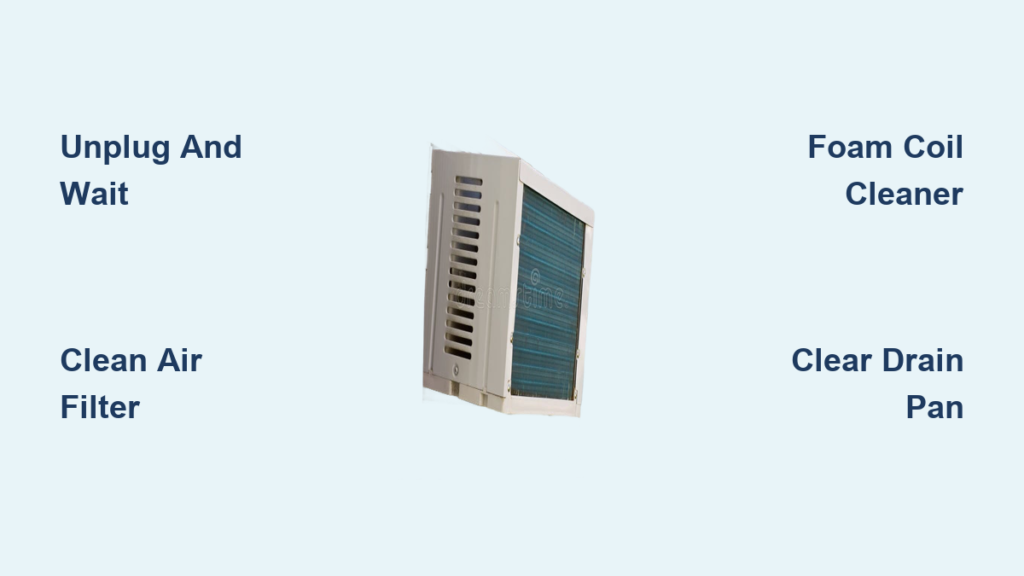
Is your window air conditioner blowing warm air or emitting a musty smell? A dirty unit could be to blame. Over time, dust, mold, and debris clog filters, coils, and drain systems, reducing cooling power and increasing energy bills. The good news? With the right tools and steps, you can restore peak performance in under an hour. This guide reveals exactly how to clean an AC window unit safely and effectively using proven methods from HVAC experts. You’ll learn when to clean, what supplies to use, and how to avoid common mistakes that damage your unit.
By following this step-by-step routine, you’ll extend your unit’s lifespan, improve airflow, prevent leaks, and cut energy costs. Let’s get your AC running like new.
Safety First: Power and Preparation
Before touching any part of your AC, safety must come first. Electrical components like capacitors can hold a charge even after unplugging.
Unplug and Wait
Turn off the unit at the control panel, then unplug it completely from the wall. If your unit is hardwired, switch off the circuit breaker. Wait at least 5 minutes before opening the unit. This allows capacitors to discharge and prevents electric shock.
Gather Safety Gear
Wear rubber gloves and safety goggles to protect against mold, dust, and cleaning chemicals. Have a second person nearby if removing the unit from the window. These units are heavy and awkward to handle.
Remove and Clean the Air Filter
The air filter is your first line of defense against dust and allergens. A clogged filter reduces airflow and forces the compressor to work harder.
How to Remove the Filter
Locate the front panel, usually snapped or screwed in place. Use a Phillips screwdriver if needed, or gently press release tabs. Slide the filter out from behind the grille. Most filters are reusable, but check your manual if unsure.
Wash and Dry Thoroughly
Rinse the filter under lukewarm water to loosen dust. For stubborn grime, soak it in a mix of mild dish soap and water for 10–15 minutes. Gently scrub with a soft brush. Never use stiff bristles. Rinse until water runs clear.
Critical: Let the filter air dry for 24 hours in a shaded, ventilated area. Never reinstall a damp filter, as this invites mold growth and musty odors.
Pro Tip: Clean filters every 2–4 weeks during summer. If you have pets or live in a dusty area, do it every 2 weeks.
Clean the Evaporator Coils (Inside)
The evaporator coils sit behind the filter and absorb heat from indoor air. When coated in dust, they lose efficiency and can even freeze over.
Vacuum Loose Debris
With the filter out, use a vacuum with a soft brush attachment to gently remove surface dust from the coils. Move the brush vertically, in line with the aluminum fins, to avoid bending them.
Apply Foaming Coil Cleaner
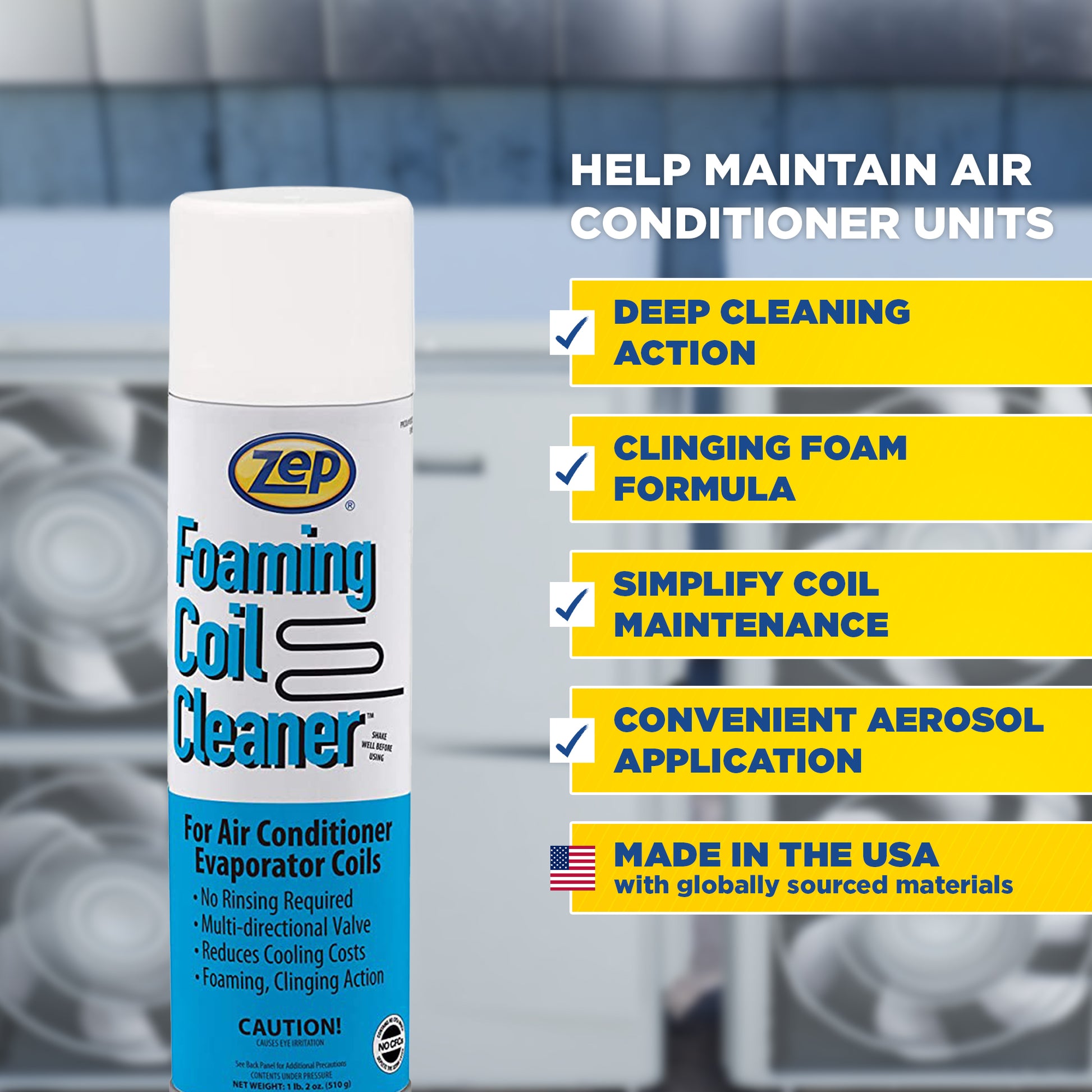
Spray a foaming coil cleaner generously over the coils. This specialized product expands to reach deep between fins, dissolving grease and grime. Let it sit for 10–15 minutes as directed.
Why foam? Unlike sprays, foam clings to vertical surfaces and penetrates tight spaces where brushes can’t reach.
Rinse Gently
Use a spray bottle with clean water to rinse the coils. Spray from the inside out to push debris toward the drain pan and outside, not deeper into the unit. Avoid soaking electrical parts.
Clean the Condenser Coils (Outside)
The condenser coils release heat outdoors. They collect pollen, leaves, and pollution, which block airflow and reduce efficiency.
Access the Back of the Unit
If the rear is reachable from outside, proceed. If not, remove the unit from the window sleeve with help. One person stabilizes the window while the other lifts. Place it on a towel outdoors.
Clear Debris and Vacuum
Remove leaves, twigs, and grass by hand. Use the vacuum’s brush tool to clean surface dust. For heavy buildup, apply the same foaming coil cleaner used on the evaporator.
Straighten Bent Fins
Inspect the aluminum fins. If bent, use a fin comb to gently realign them. Proper spacing ensures optimal airflow. Never use pliers or force.
Rinse with Low Pressure
Use a garden hose on low pressure to rinse the coils. Never use a pressure washer, as it will crush the delicate fins. Keep water away from the motor and wiring.
Clear the Drain Pan and Line

A clogged drain system causes water to leak indoors and creates a breeding ground for mold.
Empty and Clean the Drain Pan
Locate the pan at the base of the unit. Remove standing water with paper towels or a cloth. Wipe away sludge, algae, or debris.
Unclog the Drain Line
Find the drain hole or hose. If clogged:
– Pour equal parts white vinegar and water into the opening.
– Let sit for 30 minutes to dissolve mold and mildew.
– Flush with hot water or use a cotton swab to dislodge blockages.
Why vinegar? It’s a natural disinfectant and safer than bleach, which can corrode metal over time.
If the unit was removed, run water through the hose from the outside to ensure full clearance. Reattach securely.
Reassemble and Test the Unit

Now that all parts are clean and dry, it’s time to put everything back.
Reinstall the Unit
Slide the unit back into the window sleeve. Tilt it slightly downward (1/4 inch) toward the outside to ensure condensation drains properly. Secure with mounting screws.
Reinsert the Filter and Panel
Slide the fully dry filter back into place. Reattach the front panel, snapping it in or tightening screws finger-tight. Over-tightening can crack plastic.
Power On and Verify
Plug in the unit and turn it on. Listen for unusual noises. Check that:
– Airflow is strong and cool.
– Water drips outside, not inside.
– No musty odors appear.
If cooling is weak, double-check that coils and filters are clean. Persistent issues may indicate low refrigerant or electrical problems. Call a pro.
When to Call a Professional
While most cleaning is DIY-friendly, some issues need expert help.
Hire a Technician If:
- Black mold is visible inside the unit or ductwork.
- Refrigerant leaks are suspected (hissing sound, poor cooling).
- Electrical issues persist (unit won’t start, breaker trips).
- Fins are severely damaged and can’t be combed.
- The unit is over 5 years old and never maintained.
Professionals have tools for deep duct cleaning, refrigerant handling, and electrical diagnostics.
Maintenance Schedule for Peak Performance
Sticking to a cleaning routine keeps your AC efficient and problem-free.
Monthly During Summer
- Clean or replace the air filter.
- Check the outdoor side for debris.
- Inspect for water leaks.
Before Summer (Annual Deep Clean)
- Clean evaporator and condenser coils.
- Flush drain line and pan.
- Inspect for wear and tear.
End of Season (Fall Shutdown)
- Perform a final clean.
- Drain all water to prevent freezing.
- Cover with a weatherproof AC cover or store indoors upright.
Bonus Tip: Use a smart plug or timer to run the unit only when needed. Pair with ceiling fans to raise the thermostat setting without losing comfort.
Prevent Common Cleaning Mistakes
Avoid these errors that damage your unit or reduce efficiency.
Never Use Harsh Chemicals
Bleach or abrasive cleaners can corrode aluminum fins and plastic housings. Stick to mild soap, vinegar, or HVAC-approved coil cleaners.
Don’t Skip the Dry Step
Installing a wet filter or damp coil invites mold. Always air-dry components fully before reassembly.
Avoid High-Pressure Water
Hosing down coils with high pressure bends fins and ruins heat exchange efficiency. Use low-pressure spray only.
Don’t Ignore the Tilt
An improperly angled unit traps water inside, leading to leaks and rust. Always ensure a slight outdoor slope.
Frequently Asked Questions About Cleaning AC Window Units
How often should I clean my AC window unit?
Clean the air filter every 2–4 weeks during heavy use, or every 2 weeks if you have pets or live in a dusty area. Perform a full deep clean of coils, drain pan, and internal components at least once a year, ideally before summer begins.
Can I use bleach to clean my AC coils?
Avoid bleach on coils, as it can corrode aluminum fins over time. Use white vinegar for mold and mildew or a foaming coil cleaner designed for HVAC systems. These options are effective and safer for internal components.
What happens if I don’t clean my window AC?
A neglected unit suffers reduced cooling power, higher energy bills, musty odors, and water leaks. Dirty filters restrict airflow, which can cause the evaporator coils to freeze and damage the compressor. Regular cleaning prevents these issues and extends the unit’s lifespan.
Is it safe to spray water on AC coils?
Yes, but only with low pressure and only on the coils themselves. Use a spray bottle for evaporator coils and a garden hose on a gentle setting for condenser coils. Never use a pressure washer, and keep water away from electrical components.
How do I know if my AC coils are dirty?
Signs include reduced cooling performance, musty smells, visible dust on the coils, water leaking indoors, or the unit freezing up. If airflow feels weak or the compressor runs constantly without cooling the room, the coils likely need cleaning.
Should I remove the unit from the window to clean it?
You only need to remove the unit if the condenser coils on the back are inaccessible from outside. If you can safely reach the rear coils, cleaning in place is fine. Otherwise, remove the unit with a helper and place it on a towel outdoors.
Key Takeaways for Cleaning Your Window AC Unit
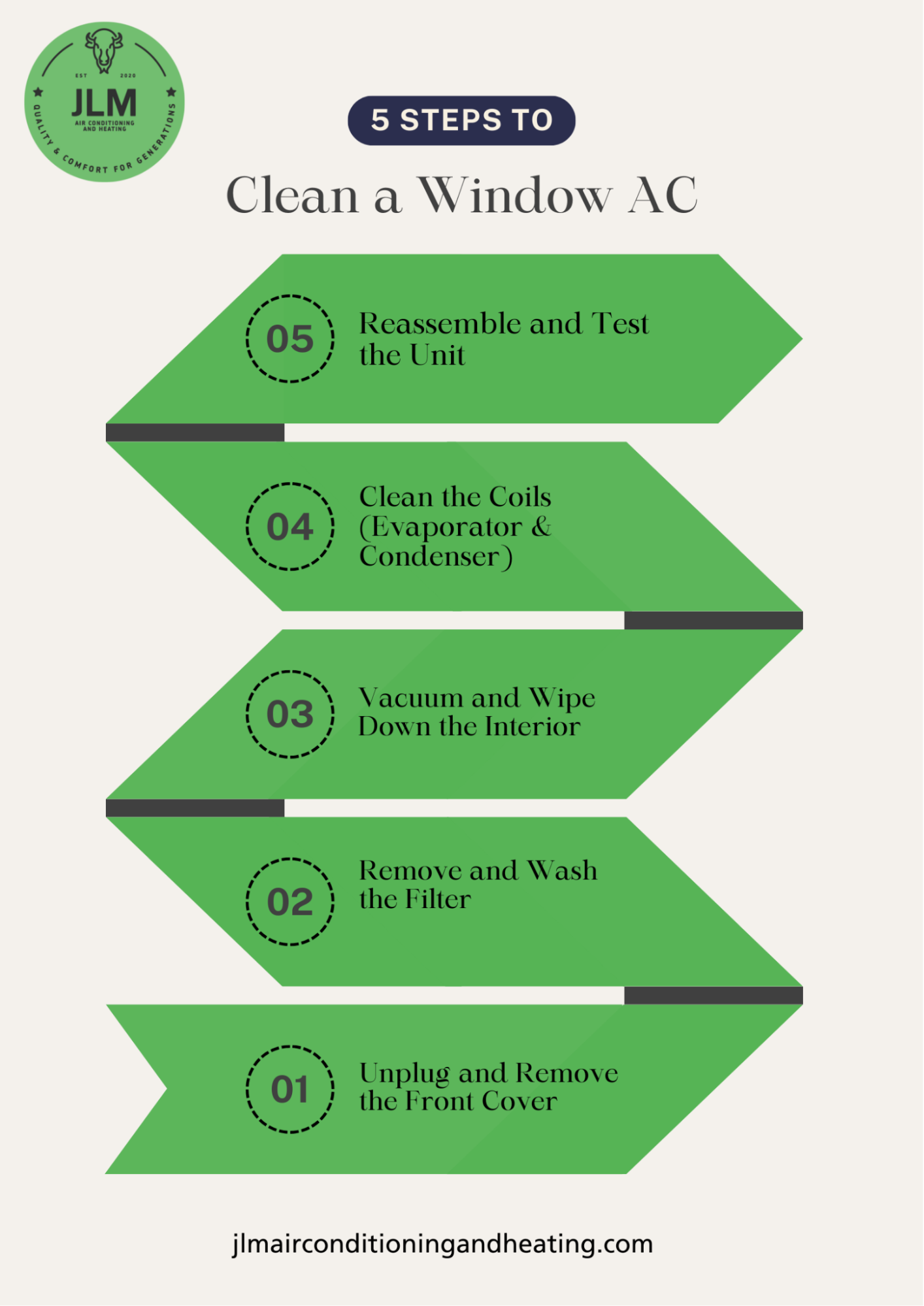
A clean window AC unit runs more efficiently, cools better, and lasts longer. Focus on three core habits: clean the filter every few weeks during summer, deep clean the coils and drain system annually, and always power off and wait 5 minutes before any maintenance. Using the right tools (foaming coil cleaner, fin comb, soft brush) protects delicate components and maximizes results.
Set a reminder today to check your filter and schedule your seasonal deep clean. Your AC, your air quality, and your energy bill will all thank you.