Dust, dirt, and grime build up quickly on window fans during heavy summer use. When neglected, your fan circulates dirty air, runs louder, and works harder to push air through clogged grilles. Learning how to clean a window fan the right way restores strong airflow, reduces noise, and extends the life of your unit. This guide walks you through safe removal, disassembly, deep cleaning, and reassembly in about 20 to 30 minutes using basic household supplies.
Safety Steps Before Cleaning Your Window Fan
Always disconnect power before touching any part of your fan. Unplug the unit from the wall outlet to prevent accidental startups or electrical hazards. For hardwired models, switch off the breaker for extra protection.
Remove the Fan from the Window Frame
Slide the window down and unlock the side mounting brackets or twist knobs. Most window fans secure between the sash and sill with simple fasteners. Loosen them and gently pull the unit toward you. Place it on a soft towel or piece of cardboard to avoid scratching the housing.
Pro Tip: Clean your fan at the end of summer before storage. This prevents dust from hardening on stubborn grime.
Take Apart Removable Components
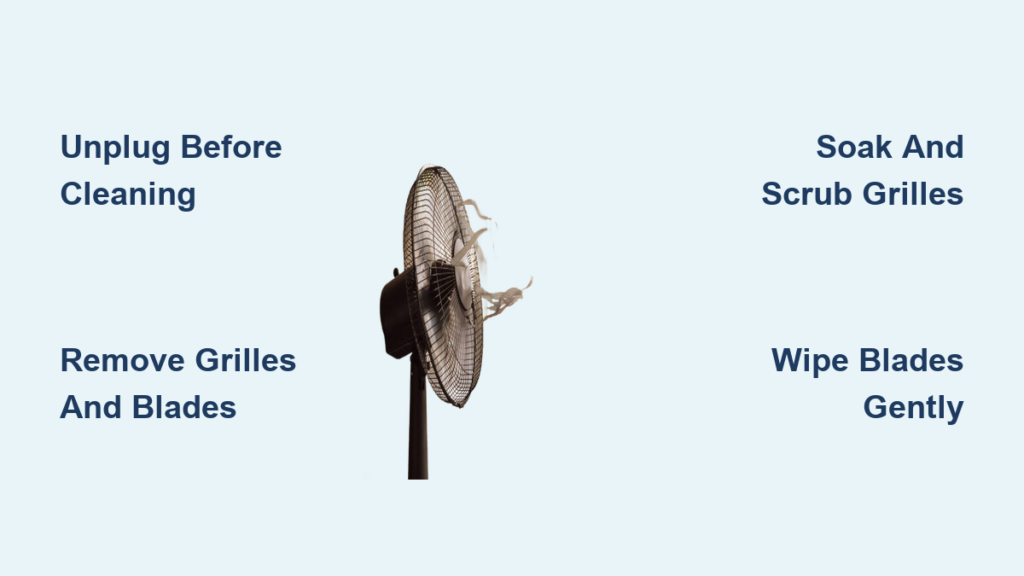
Remove the front and back grilles by unscrewing or unclipping them. Check your owner’s manual if fasteners look unfamiliar. Set screws in a small bowl so nothing gets lost. Then remove the fan blades by twisting them off or using a screwdriver, depending on your model.
Wipe Down the Outer Housing
The exterior collects dust faster than most people realize. A clean outside often signals a cleaner interior.
Clean with a Damp Microfiber Cloth
Mix a few drops of dish soap into warm water. Dip a microfiber cloth into the solution and wring it out well. Wipe the fan’s body, paying close attention to air intake vents and exhaust areas where dust piles up.
Avoid: Harsh chemicals, bleach, or scouring pads. These scratch plastic and damage protective finishes.
Dry Completely Before Reassembly
Go over the housing with a dry cloth right after wiping. Let the unit air-dry for 10 to 15 minutes. Never reassemble or plug in a damp fan, since moisture can cause short circuits.
Soak and Scrub the Front and Back Grilles

Grilles trap most of the airborne dust, pet hair, and lint. Cleaning them removes the bulk of debris.
Soak Grilles in Warm Soapy Water
Fill a sink or basin with warm water and a small amount of dish soap. Submerge both grilles and let them soak for 10 to 15 minutes. This loosens stuck-on grime and makes scrubbing much easier.
Scrub Between Slats with a Soft Brush
Use a soft-bristle brush or old toothbrush to scrub between the grille slats. Focus on corners and edges where buildup hides. Rinse under clean running water and towel dry. Lay flat to air-dry so the grilles do not warp.
Clean Fan Blades Without Causing Damage
Blades collect oily residue that reduces efficiency and can throw off balance. Handle them carefully.
Wipe Each Blade Individually
Dip a soft cloth or sponge in soapy water. Gently wipe both sides of every blade, working from the center outward. For tight spaces, wrap the cloth around a butter knife or use cotton swabs.
Warning: Never bend or twist the blades. Bent blades disrupt airflow, increase noise, and strain the motor.
Sanitize Blades When Needed
If your fan ran in a smoky or greasy environment, wipe blades with a 70% isopropyl alcohol solution. This cuts grease and disinfects the surface. Let blades dry fully before moving on.
Vacuum and Blow Out the Motor Area
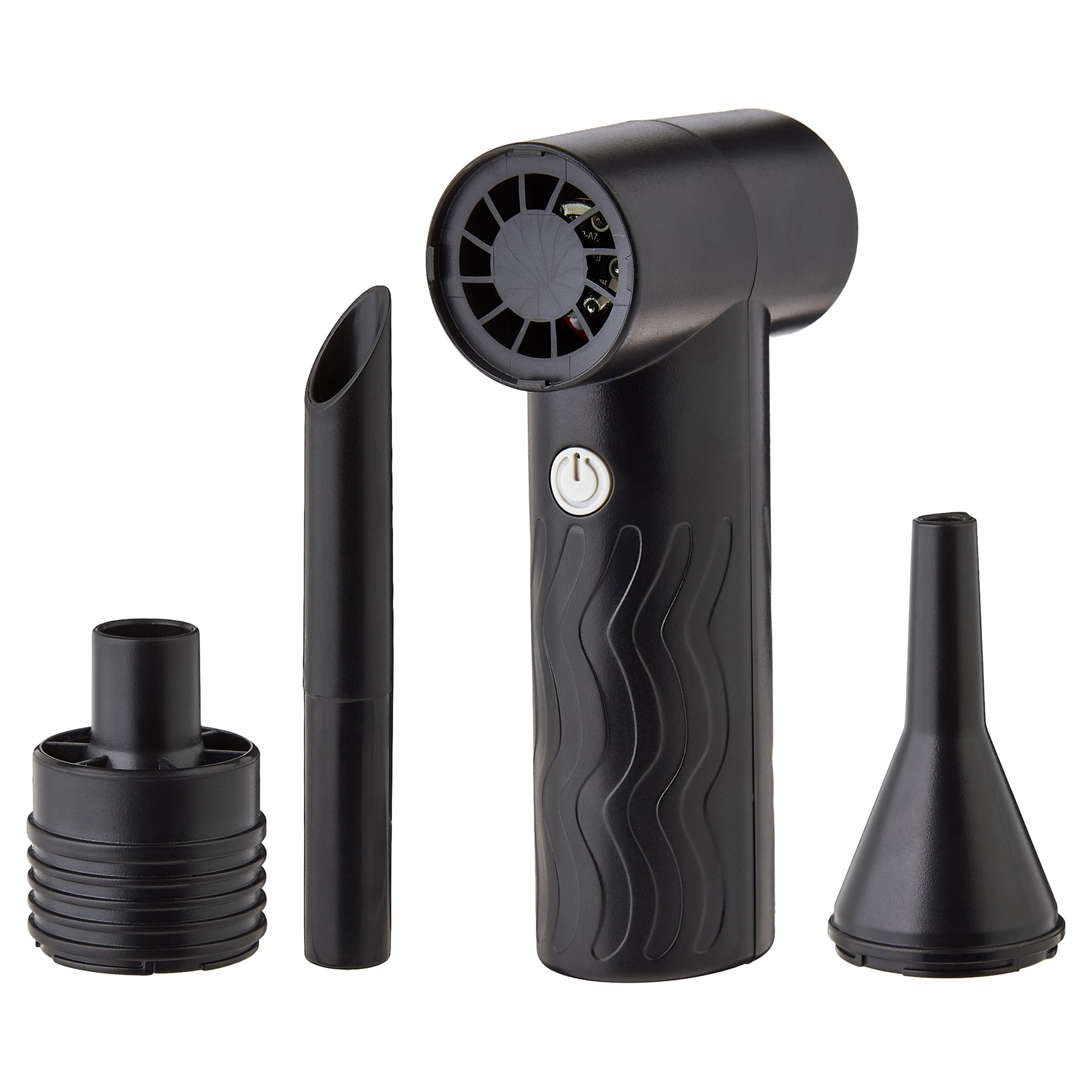
You should not open the motor casing, but you can clean around it safely.
Vacuum Hard-to-Reach Crevices
Attach a brush nozzle to your vacuum. Run it along the inside of the housing, especially near the motor shaft and corners. This pulls out dust before it gets pulled into the motor during operation.
Use Compressed Air for Tight Spots
A can of compressed air blows fine dust from crevices the vacuum cannot reach. Hold the can upright and use short bursts to avoid spraying moisture. Aim away from electrical contacts whenever possible.
Reassemble and Test Your Window Fan

Once every part is clean and dry, put the fan back together.
Reattach Blades and Grilles
Slide or screw the blades back onto the motor shaft. Reinstall the front and back grilles, making sure each one sits flush and locks in place. Replace any screws you removed earlier.
Mount the Fan Back in the Window
Lift the fan into the window opening carefully. Lock it in place using the side brackets or twist knobs. Lower the window sash gently to secure the top of the unit.
Power On and Listen for Problems
Restore power and turn on the fan. Listen closely for unusual sounds, wobbling, or humming. If something feels off, switch it off and check for loose parts or misaligned blades.
Pro Tip: Run the fan on high speed for a few minutes to confirm smooth, steady performance.
Prevent Dust Buildup with Simple Maintenance
A little regular care keeps your fan running like new. Build these habits into your routine.
Dust the Grille Weekly During Use
Wipe the front grille with a dry microfiber cloth every week. This stops dust from migrating deeper into the unit.
Schedule a Deep Clean Once a Year
Plan a full disassembly and cleaning at least once a year, ideally before or after peak season. This keeps airflow strong and reduces strain on the motor.
Store the Fan Properly in the Off-Season
If you remove the fan for winter, slip it into a breathable cloth bag. Store it in a dry, dust-free area away from humidity. Avoid damp basements or garages unless the fan is sealed in a plastic bin with desiccant packs.
Frequently Asked Questions About Cleaning Window Fans
How often should I clean my window fan?
A quick wipe-down of the grille once a week keeps surface dust under control. A full deep clean should happen at least once a year, or more often if you run the fan daily or have pets.
Can I use a pressure washer to clean a window fan?
No. High-pressure water can force moisture into the motor and damage electrical parts. Stick to soapy water, soft brushes, and compressed air for safe cleaning.
What is the best way to remove sticky grime from fan blades?
Soak a cloth in warm soapy water and let it rest on the sticky spot for a minute. Then wipe gently with a soft sponge. For tough residue, use a small amount of isopropyl alcohol.
Is it safe to clean fan blades with vinegar?
Yes. A 50/50 mix of white vinegar and water works well for cutting grease and neutralizing odors. Wipe on with a cloth, then follow with a clean damp cloth to remove any residue.