
You’re not alone if you’ve noticed foggy or hazy windows even after cleaning them thoroughly. A broken window seal is a common problem in double or triple pane windows, especially in homes more than five years old. When the seal fails, moisture gets trapped between the glass layers, creating condensation that won’t wipe away. This isn’t just an eyesore. It reduces energy efficiency, strains your HVAC system, and can lead to mold growth over time.
This guide will show you how to fix a broken window seal using practical solutions ranging from temporary fixes to long term repairs. You’ll learn inspection techniques, DIY repair options, when to call a professional, and how to prevent future seal failures.
Identify a Failed Window Seal
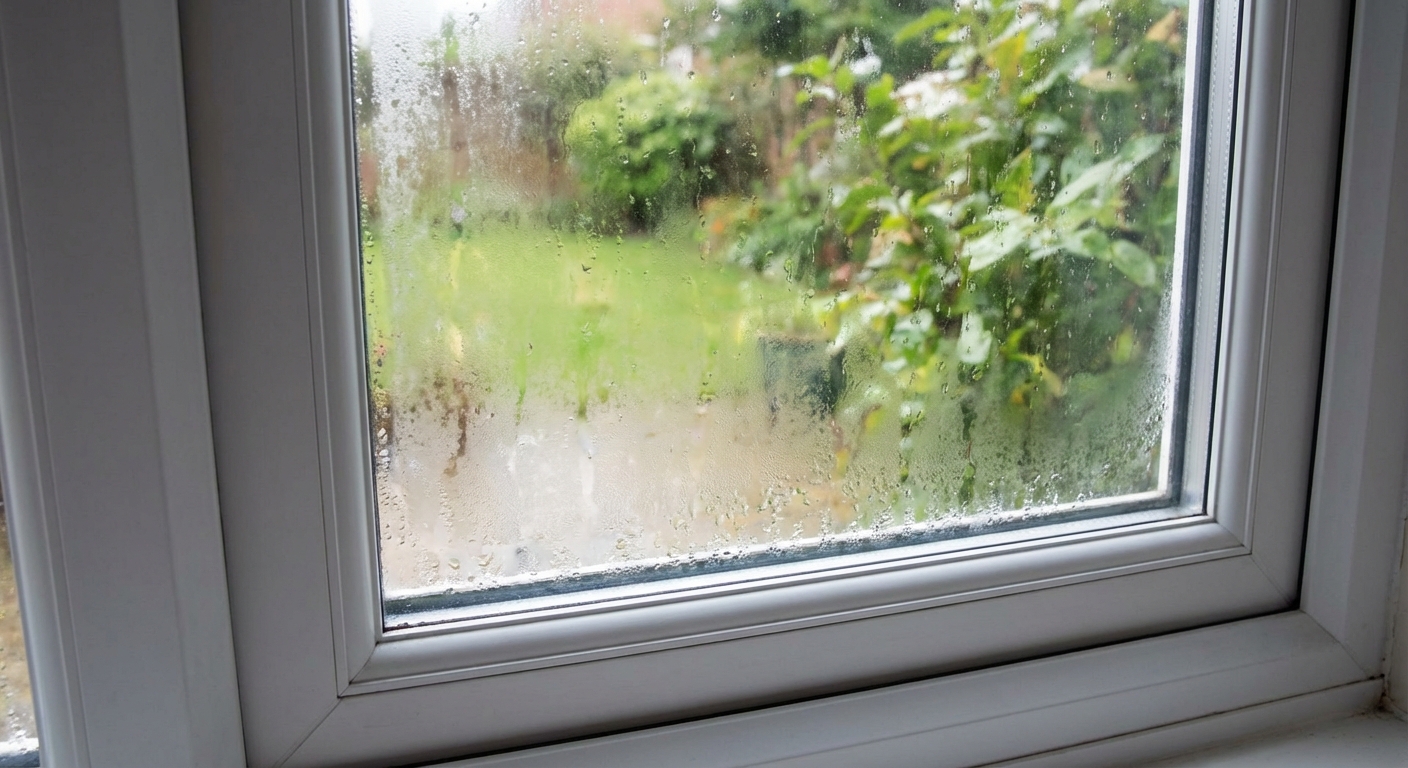
Before attempting any repair, confirm the issue is actually a broken seal and not just surface condensation. True seal failure happens when the airtight barrier between insulated glass panes breaks down.
Check for Internal Condensation
Wipe down the window with a dry cloth. If the fog remains between the panes, the seal is compromised. Surface moisture disappears quickly, while trapped moisture persists year round regardless of weather. Look for streaks, water droplets, or mineral deposits stuck inside the glass.
Inspect Desiccant Material
Some insulated windows include a desiccant strip (usually silica gel) inside the spacer to absorb residual moisture. When the seal fails, this material becomes saturated and may appear discolored or powdery. You might also notice dark lines along the edge of the glass where the sealant has degraded.
Test for Air Leakage
Hold a lit candle or incense stick near the edges of the window frame on a windy day. If the flame flickers or smoke drifts outward, air is escaping through a failed seal. This also signals reduced insulation performance throughout your home.
Evaluate Repair vs. Replacement
Not every broken seal requires full window replacement. The right solution depends on the window’s age, condition, and type.
Consider the Window Age
Windows older than 10 to 15 years may not be worth repairing. If multiple seals have failed or the frame shows signs of rot or warping, full replacement is often more cost effective in the long run. Newer windows, however, are better candidates for seal repair or glass unit replacement.
Assess Overall Window Condition
Open and close the sash smoothly. Are there drafts, difficulty locking, or visible frame damage? If the hardware and structure are sound, replacing just the insulated glass unit (IGU) can save up to 50% compared to full window replacement.
Compare Costs: Repair vs. New Window
Glass unit replacement typically costs $100 to $300 per window. Full window installation ranges from $400 to $1,000 or more. For homes with several affected windows, repairing the IGU delivers significant savings without sacrificing performance.
Try Defogging as a Temporary Fix
Defogging is a budget friendly method to remove trapped moisture and improve appearance. However, it does not restore insulation value.
Drill Small Vent Holes
Use a 1/8 inch drill bit to carefully make 2 to 3 holes at the bottom edge of the outer pane. Work slowly to avoid cracking the glass. Place masking tape over the drilling area to reduce chipping.
Insert Defogging Tube
Attach a small plastic tube to a vacuum or defogging machine and insert it into one hole. Allow it to draw out moisture for 15 to 30 minutes. Some systems use low heat air to evaporate remaining water.
Seal Holes with Clear Plug
Once dry, cap the holes with clear silicone or plastic plugs. While nearly invisible from a distance, this fix won’t stop heat transfer. Expect limited energy savings with this approach.
Note: Defogging services are offered by some window companies but come with mixed reviews. Most manufacturers do not endorse this method, and results vary widely.
Replace the Insulated Glass Unit (IGU)
This is the most effective permanent fix for a broken window seal. It restores both clarity and energy efficiency.
Remove the Sash or Access the Glass
For double hung or casement windows, remove the sash by releasing the pivot bars or detaching clips. Lay it flat on a padded surface. Some windows allow in frame IGU replacement without full removal.
Unclip or Cut Sealant Around Glass
Use a utility knife to slice through the rubber gasket or butyl sealant holding the IGU in place. Gently pry the glass unit out with a flat bar, taking care not to crack the frame.
Order a Matching Replacement Unit
Measure the existing IGU’s height, width, and thickness precisely. Provide these specs to a glass shop or window supplier. Most IGUs are custom built in 1 to 2 weeks. Choose low-E glass and argon gas fill for improved insulation.
Install the New IGU
Slide the new unit into the frame, aligning it evenly. Reapply butyl tape or foam spacer around the edges, then secure with glazing clips. Finish with exterior grade silicone caulk to seal gaps.
Reinstall the Sash
Put the sash back into the window jamb and reattach hardware. Test operation and check for smooth movement and proper alignment.
Clean and Maintain Repaired Windows
After you fix a broken window seal, keep your windows performing well with regular care.
Wipe Down Glass and Frames
Use a non abrasive cleaner and soft cloth. Avoid ammonia based products near seals, as they can degrade rubber components over time.
Inspect Seals Annually
Check for early signs of fogging, cracks, or discoloration. Catching seal failure early can prevent further damage and reduce repair costs.
Ensure Proper Ventilation
Reduce indoor humidity with exhaust fans in kitchens and bathrooms. High moisture levels accelerate seal degradation, especially in tightly sealed modern homes.
Prevent Future Seal Failures
Even quality windows can fail prematurely under stress. These steps help extend seal life.
Avoid Direct Water Exposure
Ensure gutters and downspouts direct water away from windows. Prolonged exposure to rain or sprinklers increases the risk of water intrusion and thermal stress.
Minimize Thermal Stress
Sudden temperature swings, like direct sun on cold glass, can crack seals. Use blinds or shades to moderate exposure during extreme weather.
Choose Quality Windows Upfront
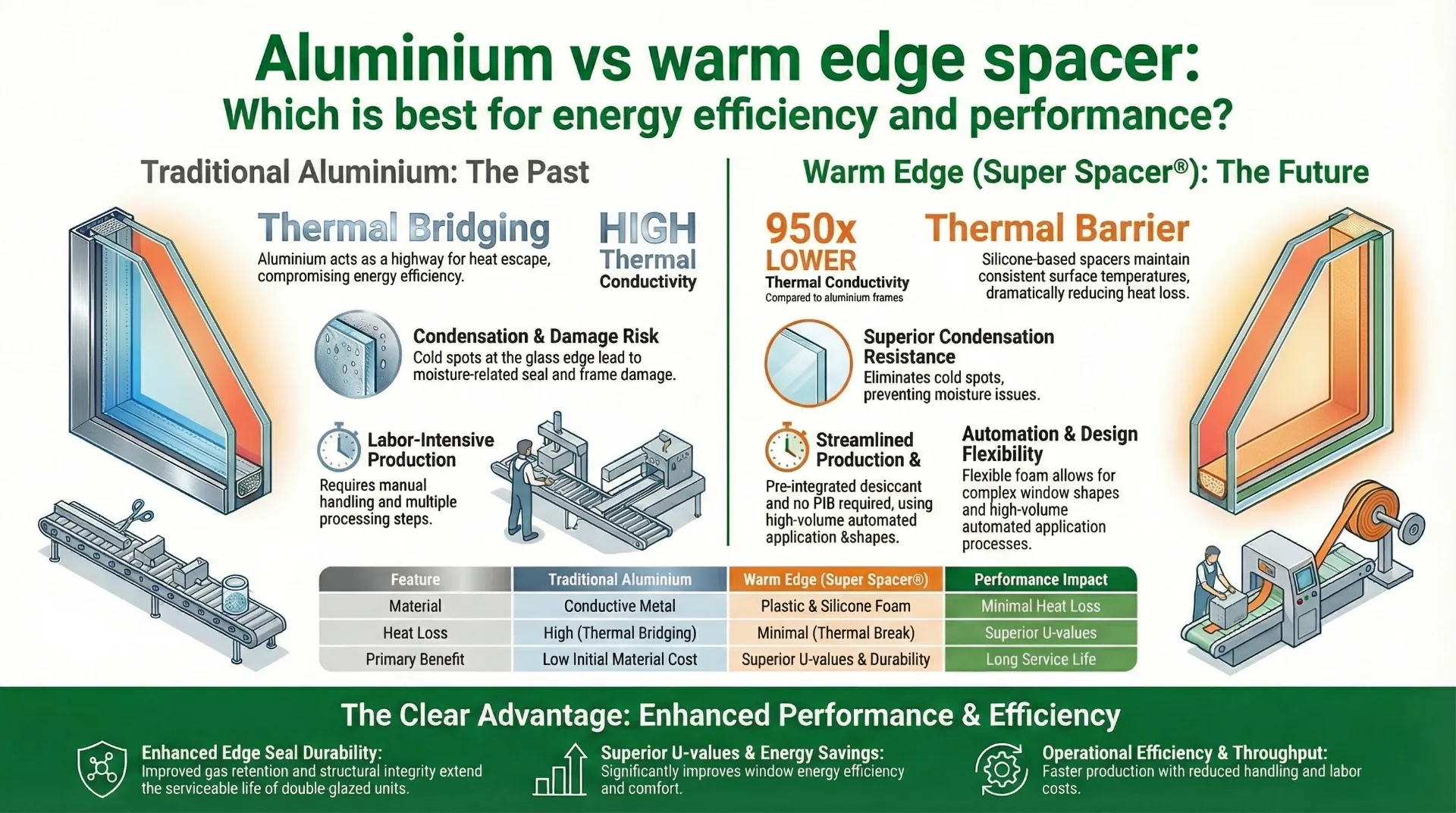
When replacing windows, opt for units with warm edge spacers, robust sealants, and strong warranties of 10 years or more. Brands with certified IGU manufacturing processes offer better long term reliability.
When to Call a Professional

Some situations require expert help to ensure safety and performance when you fix a broken window seal.
You’re Dealing with Large or Heavy Windows
Bay, bow, or picture windows often need specialized tools and two person handling. Dropping a large IGU can cause injury or costly damage.
The Frame Is Damaged
If the window frame is rotted, cracked, or warped, a new IGU won’t solve the underlying issue. A contractor can assess structural integrity and recommend full replacement.
Warranty or Insurance May Cover the Cost
Many window manufacturers honor IGU only warranties for up to 20 years. A professional installer can file claims and source factory matched units.
Frequently Asked Questions About Broken Window Seals
Can a broken window seal fix itself over time?
No. Once the airtight seal fails, it cannot reseal on its own. Moisture will continue to accumulate between the panes, and the fog will worsen. You must intervene with a repair or replacement to restore clarity.
How long does it take to replace an insulated glass unit?
The actual installation takes 1 to 2 hours per window. However, ordering a custom IGU typically requires 1 to 2 weeks for manufacturing. Plan ahead if multiple windows need attention.
Is it worth fixing a broken window seal in an old home?
It depends on the window’s overall condition. If the frame is solid and the window is less than 15 years old, IGU replacement is worthwhile. For very old windows with frame damage, full replacement is often the smarter investment.
Will defogging permanently solve foggy windows?
No. Defogging removes moisture but does not restore the airtight seal. The window will likely fog again within months, especially in humid climates. Consider it a cosmetic fix only.
Does homeowners insurance cover broken window seals?
Standard policies usually do not cover seal failure since it’s considered wear and tear. However, if the seal broke due to a covered event like storm damage, your policy might apply. Check with your insurer for specifics.
How can I tell if the seal is broken or if it’s just condensation on the outside?
Clean both sides of the glass thoroughly. If fog appears between the panes and cannot be wiped away, the seal has failed. External condensation forms on the surface and clears quickly when temperatures change.
Key Takeaways for Fixing a Broken Window Seal
Fixing a broken window seal starts with proper diagnosis. Look for persistent fog between panes, discolored desiccant, and air leaks around the frame. Once confirmed, weigh your options based on window age, condition, and budget.
For a quick cosmetic fix, defogging removes moisture but offers no energy benefits. For a permanent solution, replacing the insulated glass unit restores both clarity and insulation. Full window replacement makes sense only when frames are damaged or windows are near the end of their lifespan.
Pro Tip: Schedule an annual window inspection each fall. Catching seal failure early saves money and keeps your home comfortable year round. If you’re unsure about the repair, contact a licensed window specialist for an on site evaluation.