
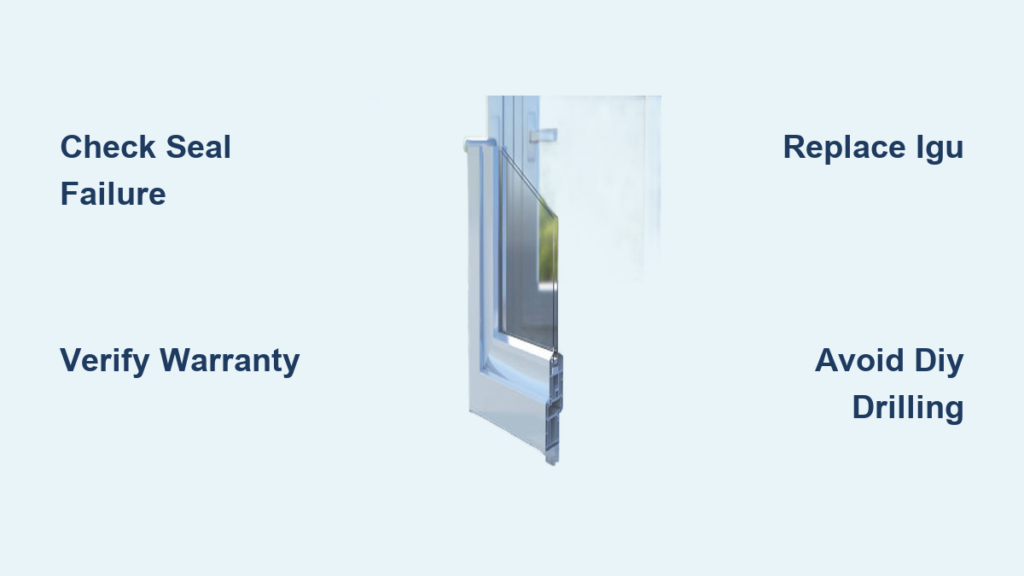
You wake up, brew your morning coffee, and glance outside, only to see a hazy, foggy mess distorting your view. If you’ve noticed persistent cloudiness between the glass layers of your double-pane window, you’re not alone. This fogging is a telltale sign of seal failure in the Insulated Glass Unit (IGU), allowing moisture to infiltrate the sealed space. Unlike surface condensation, which wipes away, trapped fog cannot be cleaned and signals a deeper issue. Left untreated, it degrades energy efficiency, invites mold, and damages surrounding frames and flooring.
The good news? You have options. Whether you’re aiming to restore clarity, save on energy bills, or avoid costly replacements, this guide walks you through diagnosing the problem, evaluating repair paths, and choosing the best solution, from temporary fixes to permanent replacements, all based on expert insights and real-world effectiveness.
Identify the Source of the Fog

Before spending time or money, confirm where the fog is located. Misdiagnosis leads to wasted effort and missed opportunities to fix the real problem.
Surface Condensation vs. Internal Fog
If the haze appears on the inside or outside surface of the glass, it’s likely just condensation from humidity and can be wiped away with a cloth. This is common in bathrooms or kitchens and resolves with better ventilation.
But if the fog is trapped between the panes, it won’t wipe off. You’ll see cloudy streaks, milky patches, or water droplets that come and go with temperature changes, visible in cold weather and disappearing when it warms up. This is seal failure, and it means moisture has breached the IGU.
Visual Clues of Seal Failure
Look for these signs:
– Cloudiness that persists despite cleaning
– Fog that changes intensity throughout the day
– Streaks or residue left behind after moisture evaporates
– Multiple windows showing similar symptoms
If you spot any of these, the desiccant inside the unit is overwhelmed, the inert gas (like argon) has escaped, and the window’s insulation value has dropped. Time to act.
Understand Why Double Pane Windows Fog
Knowing the cause helps you choose the right fix and prevent future issues.
How Seals Fail Over Time
Double-pane windows rely on a dual-seal system:
– Primary seal (inner): Made of polyisobutylene, it blocks moisture.
– Secondary seal (outer): Adds structural strength.
When either fails due to age, UV exposure, or thermal stress, outside air seeps in. The internal desiccant absorbs initial moisture, but once saturated, condensation forms between the panes.
Common Causes of Seal Breakdown
- Age: Most IGUs last 10–20 years. After that, seals naturally degrade.
- Temperature swings: Freeze-thaw cycles stress the glass and seals.
- Sun exposure: South- and west-facing windows degrade faster due to UV damage.
- Poor installation: Uneven framing or bad flashing creates stress points.
- Home settling: Shifts in the foundation can warp frames and crack seals.
- High-pressure washing: Can force water into vulnerable edges.
Even well-maintained units lose about 1% of insulating gas per year, reducing efficiency over time.
Can You Fix It Yourself? DIY Options Reviewed
While DIY fixes are tempting, most only offer temporary relief and carry risks.
Warm Air Method (Temporary)
Use a hair dryer or space heater to gently warm the glass from the outside. This evaporates visible moisture, clearing the fog temporarily.
- Best for: Short-term cosmetic improvement
- Limitations: Fog returns when temperatures drop
- Safety tip: Keep heat source at least 6 inches away to avoid thermal shock
This doesn’t fix the seal or restore insulation. It just buys time.
DIY Drilling Kits: High Risk, Low Reward
Some online kits suggest drilling small holes, inserting desiccant, and sealing them.
- What could go wrong:
- Glass shatters during drilling
- No true resealing possible
- Voids manufacturer warranty
- Doesn’t restore gas fill or R-value
Experts agree: DIY drilling is not recommended. The risk of breaking the window far outweighs any potential benefit.
Professional Defogging: Cosmetics Over Performance
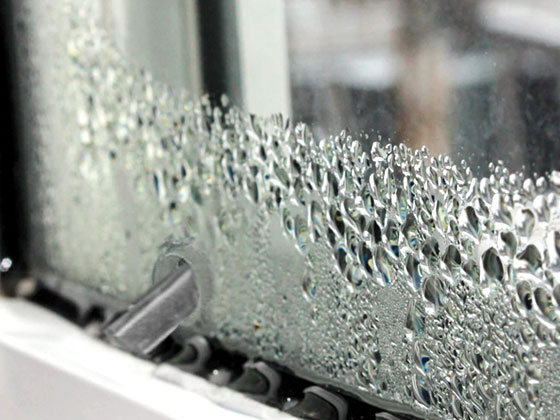
Defogging services clear the haze but come with trade-offs.
How Defogging Works
A technician drills two tiny holes in the outer pane:
1. Lets trapped moisture escape over hours or days
2. Flushes the space with an anti-fog solution to remove mineral stains
3. Seals one hole and installs a micro-vent in the other to allow future moisture to escape
The result? Clear glass, but no airtight seal.
Pros and Cons
| Pros | Cons |
|---|---|
| Lowers cost vs. replacement | Replaces argon/krypton with air |
| Improves visibility | Permanent loss of energy efficiency |
| No frame removal | Moisture can return over time |
| Quick, non-invasive | No performance warranty |
Bottom line: Defogging is a cosmetic fix. It clears the fog but sacrifices insulation. Best for homeowners on a tight budget who prioritize appearance over energy savings.
Replace the IGU: The Smart Middle Ground
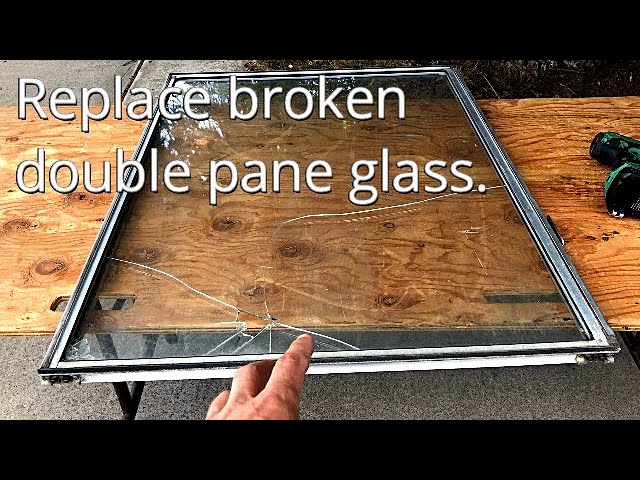
For most homeowners, replacing the glass unit only is the best balance of cost and performance.
What Is IGU Replacement?
The existing window frame (sash) stays in place. Only the foggy glass unit is removed and replaced with a new, factory-sealed IGU, complete with fresh desiccant and argon or krypton gas.
- Time required: Usually completed in one visit
- Disruption: Minimal, with no drywall or paint damage
- Warranty: New 10–20 year seal warranty included
When This Option Makes Sense
- Frame is in good condition (no rot or warping)
- Only one or two windows are fogged
- You want full energy efficiency restored
- You’re not ready for a full window overhaul
IGU replacement costs more than defogging but less than full window replacement. It’s the “sweet spot” for long-term value.
Full Window Replacement: When It’s Time for a Fresh Start
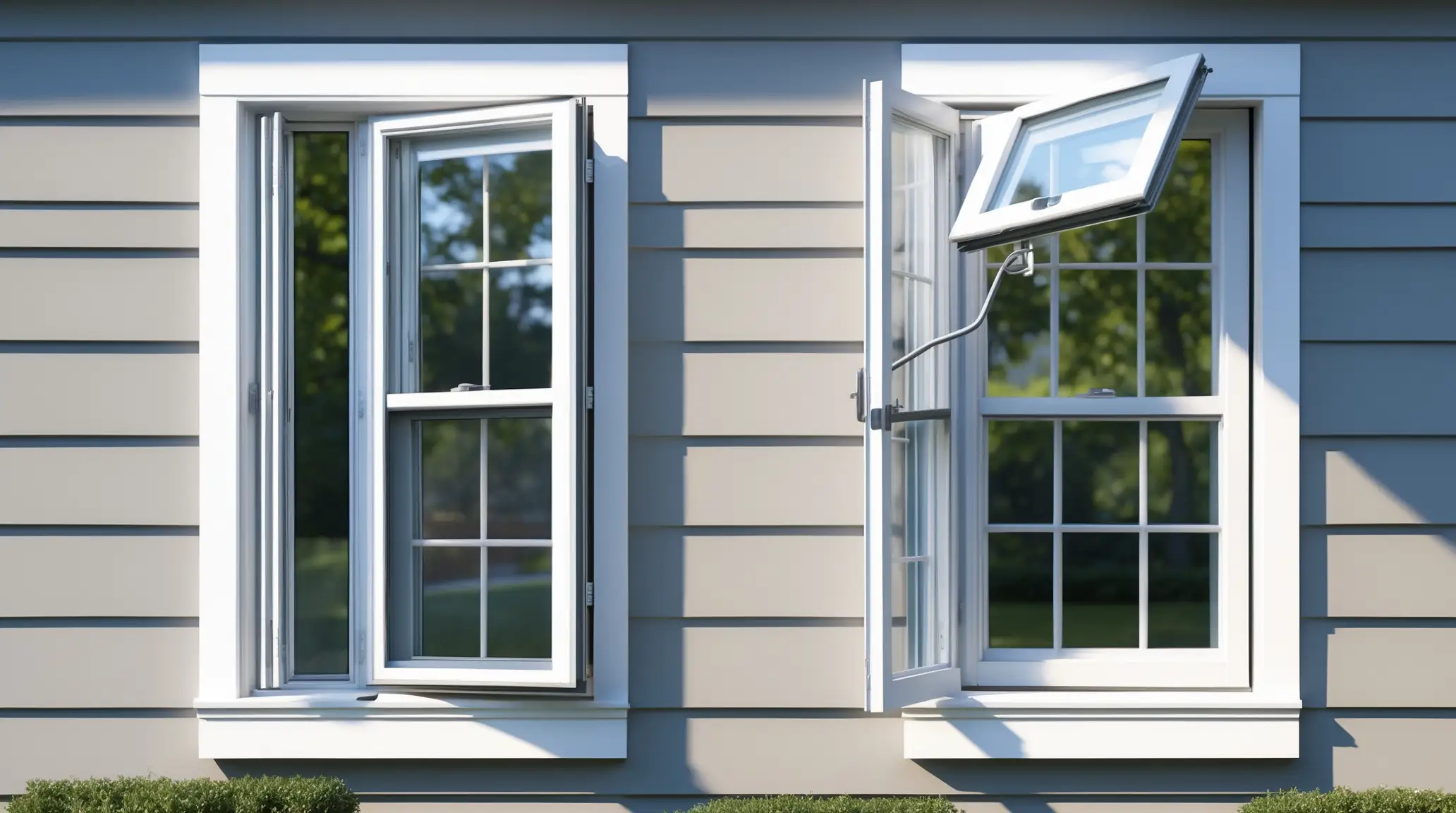
Sometimes, patching isn’t enough. Full replacement is the way to go.
When to Replace the Entire Window
Consider full replacement if:
– Multiple windows are fogged
– Frames are cracked, rotting, or warped
– You’re upgrading to higher-efficiency models
– You want new styles (e.g., from double-hung to casement)
This includes new frame, sash, and IGU, essentially a brand-new window.
Pros and Cons
| Pros | Cons |
|---|---|
| Best long-term energy savings | Highest upfront cost |
| Upgrades aesthetics and function | More disruptive installation |
| Covers structural issues | May require interior/exterior trim work |
Ideal for older homes or when planning a remodel. Bulk replacements often come with discounts.
Check Your Warranty First
Before paying out of pocket, check if your windows are still under warranty.
What Warranties Typically Cover
- Seal failure: Many manufacturers offer 10–20 year coverage
- Glass unit replacement: Often included
- Labor costs: Usually not covered, so you may pay for installation
How to Verify Coverage
- Find the manufacturer label (often etched in the corner of the glass)
- Visit the manufacturer’s website and enter your window model
- Provide proof of purchase or installation date
Warning: Attempting DIY fixes (like drilling) voids most warranties. Always consult a professional first.
Cost Comparison: What You’ll Pay
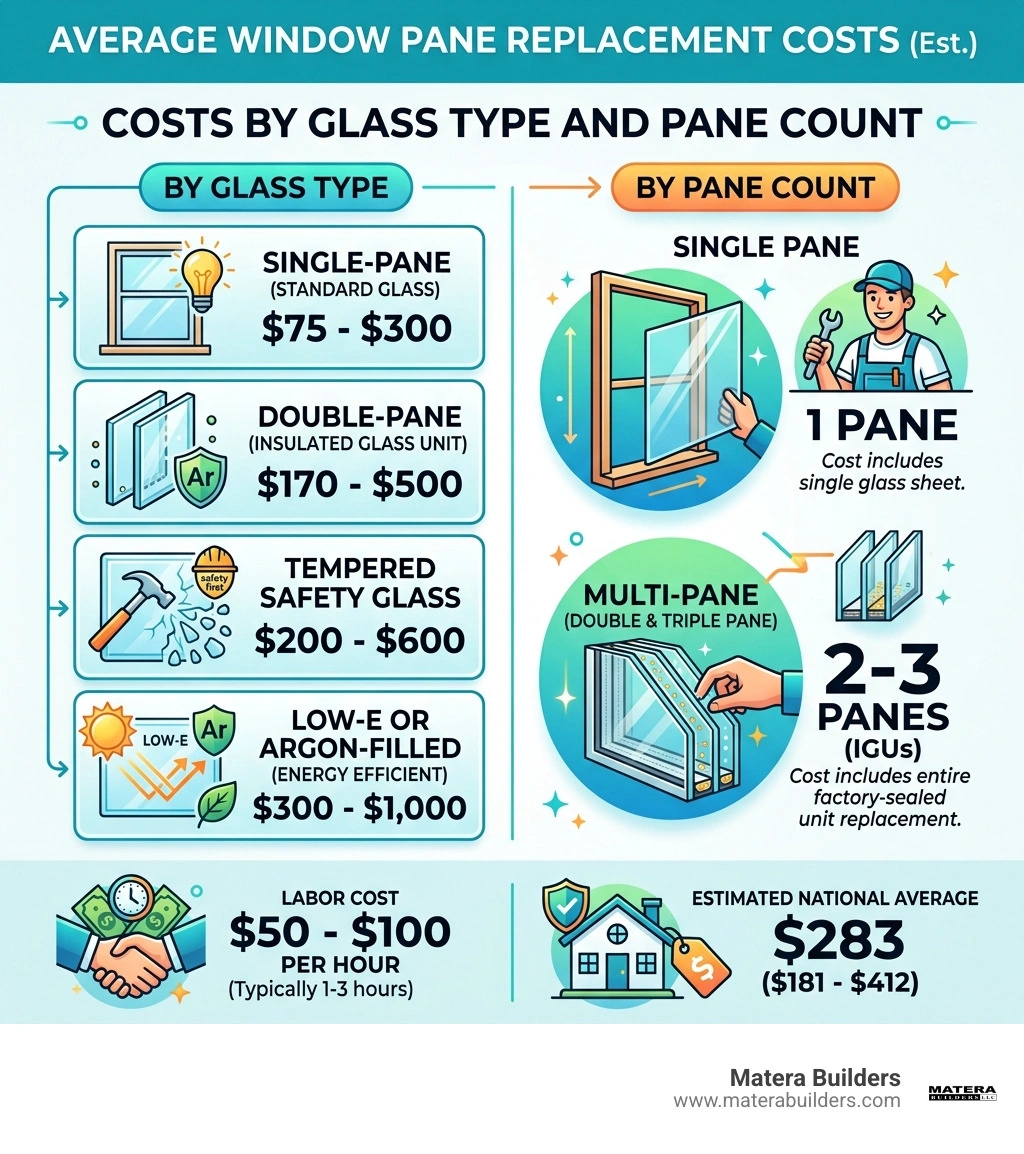
Understanding costs helps you make an informed decision.
| Option | Average Cost per Window | Best For |
|---|---|---|
| DIY Fix | $20 – $80 | Temporary relief, low budget |
| Professional Defogging | $150 – $300 | Appearance-focused, good frames |
| IGU Replacement | $200 – $400 | Energy efficiency, long-term fix |
| Full Window Replacement | $500 – $1,200+ | Multiple failures, damaged frames |
Tip: Get 3–5 quotes from licensed contractors. Ask specifically if they offer IGU-only replacement, since many companies push full replacements for higher profit.
Prevent Future Fogging: Maintenance Tips
Extend the life of your windows with simple habits.
Control Indoor Humidity
Keep humidity between 30% and 50% to reduce condensation stress.
– Use exhaust fans in bathrooms and kitchens
– Run a dehumidifier in basements or damp areas
– Ensure attic and crawlspace ventilation
Protect from Sun and Water
- Close blinds or curtains on south- and west-facing windows during peak sun
- Avoid power washing near window edges
- Clean with soft cloths and mild soap
Inspect Annually
Check windows every 1–2 years for:
– Early fogging signs
– Cracks in seals
– Frame rot or warping
Catching issues early prevents mold and costly repairs.
Frequently Asked Questions About Foggy Double Pane Windows
Why does my window fog only in winter?
Cold outdoor temperatures cause the outer pane to cool, making trapped moisture condense. In summer, it may stay invisible as vapor.
Can fogged windows cause mold?
Yes. Persistent moisture can lead to mold growth on sills, frames, and nearby walls, especially in poorly ventilated rooms.
Is defogging worth it?
Only if appearance matters more than energy savings. It won’t lower your heating or cooling bills.
How long do new IGUs last?
Modern units typically last 15–25 years, depending on climate and installation quality.
Should I replace all windows at once?
Not necessarily. If only one or two are fogged and frames are sound, IGU replacement is cost-effective. Replace in bulk only if upgrading or if multiple units are failing.
Final Thoughts on Fixing a Foggy Double Pane Window
Here’s your action plan:
- Confirm the fog is between the panes (not surface condensation)
- Check warranty status before attempting any DIY fixes
- Inspect the frame for rot, warping, or damage
- Choose your solution:
– Sound frame, want efficiency? Choose IGU replacement
– On a tight budget, care about looks? Choose professional defogging
– Multiple issues or old windows? Choose full window replacement - Avoid DIY drilling, as it rarely works and risks breaking the glass
For most people, IGU replacement is the best investment, restoring clarity, energy efficiency, and peace of mind without the high cost of full replacement.
Fixing a foggy double pane window isn’t just about visibility. It’s about protecting your home’s comfort, efficiency, and value. With the right approach, you can clear the haze for good.