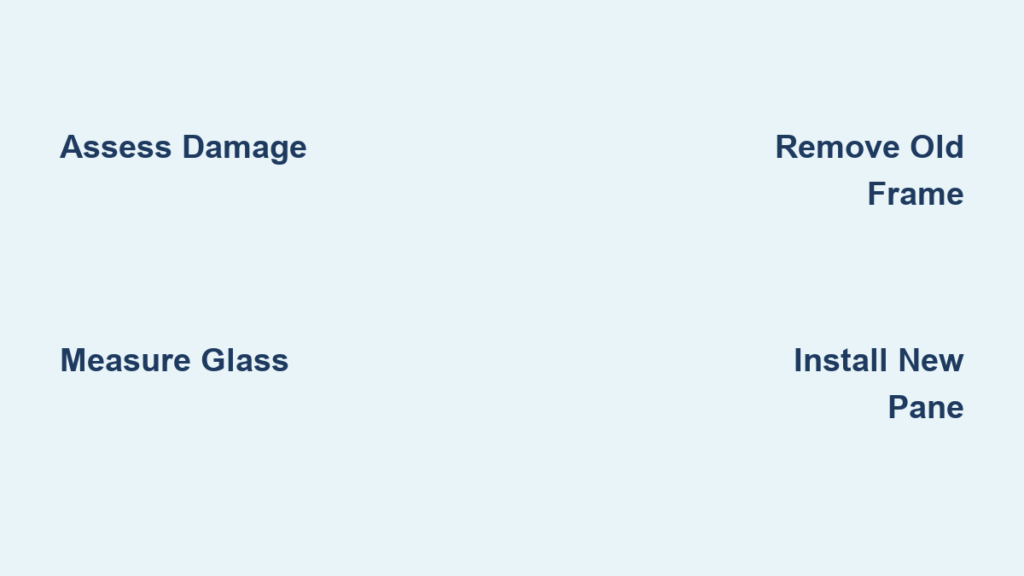
A cracked or shattered window pane isn’t just an eyesore. It can compromise your home’s energy efficiency, security, and comfort. Whether the damage came from a stray baseball, severe weather, or aging materials, prompt attention prevents bigger problems. The good news is that fixing a broken window pane is often a manageable DIY project that saves both time and money.
In this guide, you’ll learn how to assess different types of damage, choose the right repair method, and complete the replacement safely. We cover essential tools, safety precautions, and common pitfalls to avoid. Whether you face a small hairline crack or a fully shattered section, you’ll gain the confidence to act.
Assess the Damage Before You Start
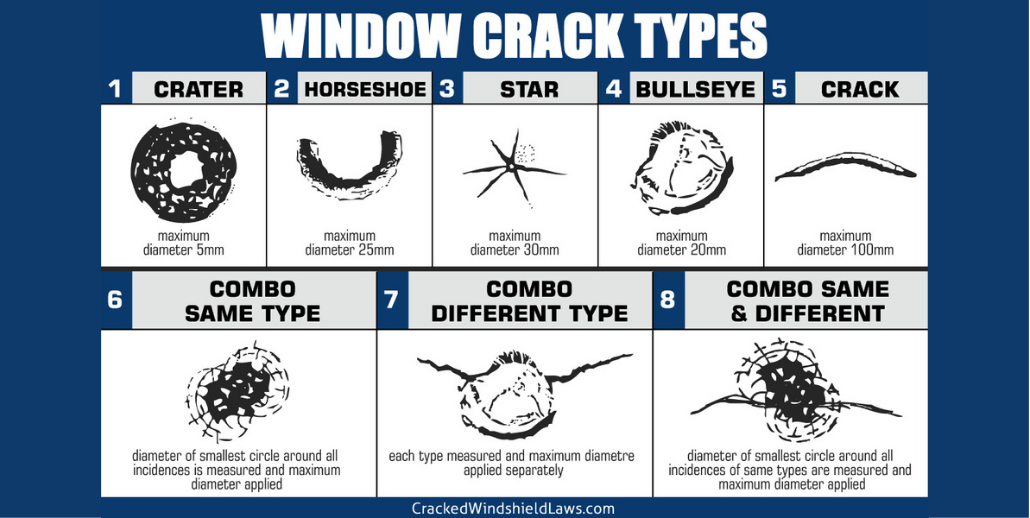
Before reaching for tools, take time to evaluate the type and extent of damage. Not every broken pane requires full replacement. Some can be patched temporarily or sealed until a more permanent fix is possible.
Identify the Crack Type and Location
Hairline cracks shorter than 6 inches and away from the pane’s center may be repairable with a glass repair kit. However, deep fractures, bullseye cracks, or breaks near edges weaken the entire pane. In these cases, full replacement is the safer choice.
If multiple panes in a double-glazed unit show damage, moisture has likely entered the sealed space. This requires replacing the entire insulated glass unit (IGU).
Know Your Window Type
Determine whether your window is single or double-pane. If only one layer of a double-pane window is broken, the entire IGU must be replaced as a sealed unit. Fogging between panes signals seal failure even without visible cracks, which also calls for full IGU replacement.
Single-pane windows are simpler and more affordable to repair. Knowing your window type shapes your repair approach, tool list, and budget.
Gather Tools and Materials for the Repair
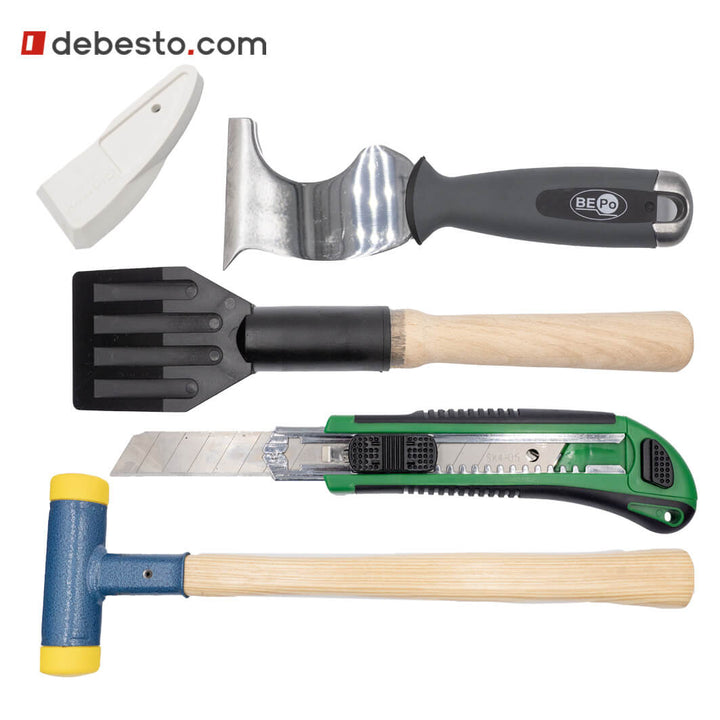
Having the right supplies on hand keeps the repair smooth and safe. Nothing derails a project faster than a missing tool halfway through.
Essential Tools for Glass Replacement
You will need the following items:
• Putty knife or glazing scraper
• Utility knife
• Cordless drill with wire brush attachment
• Glazing points (small metal tabs)
• Glazing compound or window putty
• Measuring tape
• Safety goggles and thick work gloves
• Stiff putty knife
• Paintbrush for priming
For double-pane units, a suction cup handle helps carry the new glass safely.
Select the Right Replacement Glass

Measure the height, width, and thickness of the broken pane carefully. Standard residential glass is usually 1/8 inch thick. Order replacement glass cut to size from a hardware store or glass supplier.
For better energy efficiency, consider low-E coated glass in double-pane units. Mark the outside